
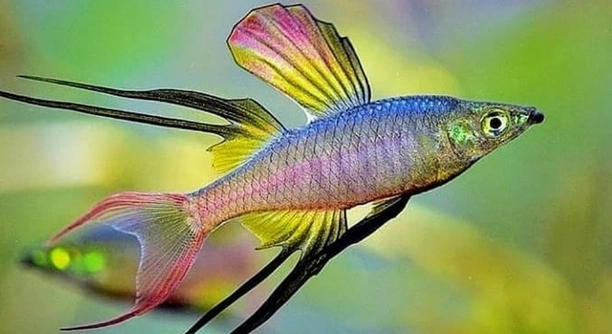
Are your Threadfin fish starting to lose their brilliant colors under the aquarium lights, leaving them looking a little duller than before? Proper lighting plays a crucial role in maintaining their vibrant, natural hues and overall health.
The most effective way to keep Threadfin colors vivid is by using balanced lighting techniques that replicate natural daylight. Proper spectrum, light intensity, and duration enhance pigmentation while preventing stress. Consistent lighting conditions support healthy color expression and promote long-term visual appeal.
Understanding these techniques will help you create a lighting setup that brings out the best in your Threadfin fish’s shimmering beauty and vitality.
Understanding the Importance of Proper Lighting
Lighting does more than brighten an aquarium; it directly affects how Threadfin fish display their colors and behave. These delicate fish rely on well-balanced light to maintain their natural iridescence and overall health. When the lighting is too dim, their colors may fade, and their energy levels can drop. On the other hand, excessive or harsh lighting can create stress and cause the fish to lose their vivid tones. A controlled lighting environment helps mimic natural daylight, allowing Threadfins to thrive comfortably. Selecting lights with the right color temperature and intensity ensures they display their best hues consistently throughout the day.
A balanced lighting setup should provide both brightness and rest periods. This helps maintain a healthy rhythm for the fish, preventing overstimulation and promoting steady color retention.
Adjusting your lighting gradually over time can help your Threadfins adapt smoothly to changes and preserve their beautiful appearance.
Choosing the Right Light Spectrum
The light spectrum determines how colors appear underwater. Threadfin fish benefit from full-spectrum or daylight bulbs that highlight their natural shades without creating glare. Using lights between 6,500K and 10,000K brings out blues, yellows, and silvers while supporting plant growth if you have live vegetation.
Proper spectrum balance not only enhances color vibrancy but also supports biological processes such as feeding and breeding. Threadfins perceive light differently than humans, so it’s important to use lighting that mimics their native tropical environments. Avoid purely white or overly blue lights, as they can wash out pigmentation. Instead, choose lighting systems with adjustable settings to fine-tune intensity and color warmth. Maintain a lighting schedule of 8 to 10 hours per day to prevent fatigue and stress. Regularly clean light fixtures to prevent algae buildup and ensure consistent brightness. With the right spectrum and maintenance, your Threadfins will continue to shimmer beautifully.
Balancing Light Intensity
Too much light can cause stress, while too little reduces color visibility. Threadfins need moderate, consistent lighting that highlights their natural shine without overwhelming them. A steady intensity level helps them feel secure and keeps their hues rich and defined.
When setting light intensity, it’s best to start at a moderate level and adjust gradually over several days. Threadfins react strongly to sudden brightness changes, which can lead to hiding or dull coloring. Aim for lighting that mimics soft daylight conditions. If your aquarium has plants, balance their light needs with those of your fish. Use a dimmer or timer to fine-tune brightness and maintain a regular day-night rhythm. This balance ensures both fish and plants thrive harmoniously without strain.
Maintaining proper light intensity also prevents algae buildup and water cloudiness. With the right adjustment, your Threadfins will maintain vibrant, healthy colors throughout the day.
Controlling Light Duration
Threadfins benefit from consistent lighting periods that mirror natural daylight patterns. Around eight to ten hours of light daily is ideal, followed by darkness to allow rest. Excessive lighting causes fading and stress, while short durations hinder color development and natural behavior.
Setting a reliable light schedule using an automatic timer helps maintain stability. Threadfins depend on predictable lighting to regulate their daily activity and stress levels. Avoid leaving lights on overnight, as continuous exposure disrupts their rest cycle and dulls their appearance. If your aquarium receives sunlight, ensure it doesn’t add extra hours beyond your set lighting duration. A controlled photoperiod promotes strong pigmentation and healthy metabolism. By maintaining a consistent cycle, you’ll notice deeper color tones and calmer fish behavior, reflecting a balanced, well-managed environment for your Threadfins.
Using Reflectors and Light Positioning
Positioning your lights correctly enhances brightness without increasing intensity. Reflectors help distribute light evenly, reaching darker areas of the tank. This balance prevents uneven color development and ensures every Threadfin displays its full range of hues under consistent illumination.
Place lights slightly above the tank with an even spread across the surface. Avoid placing them too close to the water, as this can cause glare and heat buildup. Reflective hoods or aluminum backing can help maximize efficiency while keeping lighting soft and balanced.
Incorporating Natural Light Carefully
Natural sunlight can enhance color vibrancy when used in moderation. However, too much exposure can lead to algae growth and temperature fluctuations that stress Threadfins. It’s best to allow indirect sunlight for short periods while relying mainly on artificial, controlled lighting systems.
Preventing Stress from Lighting Changes
Sudden lighting changes can shock Threadfins, dulling their colors and affecting their comfort. Always adjust light settings gradually, allowing them to adapt over several days for smoother transitions and better long-term color retention.
FAQ
How often should I replace aquarium lights for Threadfins?
Aquarium lights gradually lose intensity and spectral accuracy over time, even if they remain on. For Threadfins, replacing lights every 12 to 18 months is ideal to maintain proper color enhancement. Consistent spectrum and brightness ensure that their pigmentation remains vivid and that their biological rhythms are supported. Always monitor your fish’s appearance; fading colors can indicate the lights are no longer effective. Using a timer and checking fixture performance periodically helps maintain a stable lighting environment without unnecessary stress for the fish.
Can I use LED lights instead of fluorescent bulbs?
Yes, LED lights are highly recommended for Threadfins due to their energy efficiency, long lifespan, and adjustable spectrum options. LEDs allow fine-tuning of intensity and color temperature, which can enhance natural hues. They produce less heat compared to fluorescent bulbs, reducing temperature fluctuations in the tank. Modern LED systems often include dimming controls or programmable schedules, making it easier to maintain consistent lighting periods. While initial cost may be higher, LEDs provide long-term benefits for both fish health and color preservation.
Is it safe to combine natural sunlight with artificial lighting?
Combining natural and artificial lighting is possible but requires careful management. Direct sunlight can cause temperature swings and algae growth, which may stress Threadfins. Indirect sunlight for short periods can be beneficial, enhancing natural coloration without harming the fish. It is crucial to monitor tank conditions, ensuring light exposure remains consistent and balanced. Using artificial lighting as the primary source helps maintain stability while natural light can complement it when controlled. Gradual exposure prevents sudden shifts that could dull colors or disrupt behavior.
What is the ideal light spectrum for Threadfins?
Threadfins respond best to full-spectrum or daylight-spectrum lights, typically ranging from 6,500K to 10,000K. This spectrum emphasizes their blues, silvers, and yellows while supporting general aquarium health, including plants if present. Avoid lights that are overly blue or white, as these can wash out pigmentation. Adjustable-spectrum lights allow fine-tuning based on tank conditions and personal preference. Maintaining consistent light spectrum is as important as duration or intensity; sudden changes can cause fading or stress. Proper spectral balance encourages natural coloration and stable activity levels.
How long should Threadfins be exposed to light each day?
A photoperiod of 8 to 10 hours daily is optimal for Threadfins. This duration mimics natural daylight, allowing them to display vibrant colors and maintain normal activity cycles. Exceeding 10 hours can lead to stress and fading, while less than 8 hours may hinder pigment development. Automatic timers help create a reliable schedule. Gradual transitions in light intensity at the beginning and end of the day reduce stress and prevent sudden shocks, keeping their colors consistent over time.
How can I prevent color fading when changing lighting setups?
Always adjust lighting gradually, increasing or decreasing intensity in small increments over several days. Sudden changes shock Threadfins and cause color loss. Monitor behavior and coloration closely during transitions. Combining moderate intensity with proper spectrum and photoperiod ensures minimal disruption. Maintaining stable water temperature, regular feeding, and low stress levels further supports natural pigmentation. Using reflectors or diffusers during changes can also help spread light evenly, preventing dark patches and uneven fading. Consistency is key for long-term color vibrancy.
Can lighting affect breeding or activity levels in Threadfins?
Yes, lighting significantly impacts biological rhythms, feeding, and breeding behavior. Consistent photoperiods and intensity help Threadfins feel secure and maintain regular activity. Proper spectrum enhances coloration, which may influence mating displays. Overly bright or inconsistent lighting can stress fish, reduce activity, and interfere with reproductive behavior. Gradual adjustments and predictable schedules support overall well-being while enhancing natural color expression.
What signs indicate my lighting setup is inadequate?
Fading colors, hiding, lethargy, or uneven pigmentation are key indicators of improper lighting. Algae overgrowth may also suggest excessive intensity or long photoperiods. Conversely, dull or washed-out hues can indicate insufficient brightness or incorrect spectrum. Regularly assessing fish behavior, coloration, and tank conditions helps identify issues early. Adjusting spectrum, intensity, or duration based on these observations ensures Threadfins maintain vibrant colors and healthy activity levels.
Final Thoughts
Maintaining vivid colors in Threadfin fish comes down to consistent and thoughtful lighting practices. Proper light spectrum, intensity, and duration all play key roles in how these fish display their natural hues. Over time, subtle changes in lighting can lead to fading colors, reduced activity, and stress. By carefully monitoring and adjusting the environment, it is possible to create a setting where Threadfins thrive. Consistent lighting schedules, combined with quality bulbs or LED systems, help fish retain their bright blues, silvers, and yellows. It is important to remember that lighting works in tandem with other aspects of tank care, including water quality, temperature, and nutrition. Even the best lighting cannot compensate for poor overall conditions, so maintaining a clean, stable environment is essential.
Gradual adjustments are key when introducing new lighting or modifying existing setups. Sudden changes can shock the fish, causing color dulling and behavioral stress. For Threadfins, a steady and predictable lighting routine allows them to adapt comfortably, promoting natural coloration and overall well-being. Using reflectors, diffusers, and timers can help manage intensity and photoperiod without overwhelming the fish. Natural sunlight can also be beneficial, but it must be controlled carefully to prevent overheating or algae growth. Combining these practices ensures the aquarium remains balanced, providing a visually appealing environment while supporting the fish’s health. Paying attention to small details, like bulb replacement schedules and gradual intensity adjustments, can make a noticeable difference in the vibrancy of Threadfin colors over time.
Ultimately, caring for Threadfins is a blend of observation, consistency, and understanding how lighting affects their behavior and pigmentation. By prioritizing proper lighting techniques, it is possible to enhance their natural beauty while keeping them healthy and active. These measures do not require overly complicated equipment or excessive effort but do require attentiveness and commitment to routine. Lighting should be seen as part of a broader care plan that includes diet, water conditions, and tank stability. When all factors work together, the fish display their colors at their best, creating a lively and visually striking aquarium. This approach not only benefits the Threadfins but also allows anyone maintaining an aquarium to enjoy a vibrant, balanced aquatic environment over the long term.

Hello,
If you enjoy the content that we create, please consider saying a "Thank You!" by leaving a tip.
Every little bit helps us continue crafting quality advice that supports the health, happiness, and well-being of pets around the world, for pets of all shapes, sizes, and species.
We really appreciate the kindness and support that you show us!