
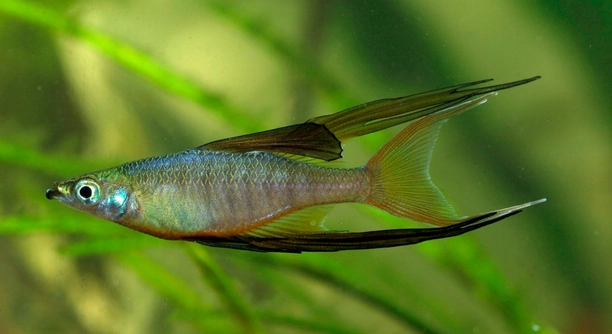
Do you ever find yourself worrying about how your Threadfins react during water changes, darting around nervously or hiding for hours afterward?
The best way to make water changes less stressful for Threadfins is by creating a calm, consistent routine that minimizes sudden changes in temperature, flow, and water chemistry. Gradual adjustments, proper conditioning, and gentle handling significantly reduce stress responses.
Learning the right methods can turn water changes from a tense task into a simple routine that supports your Threadfins’ comfort and well-being.
1. Maintain Consistent Water Parameters
Threadfins are sensitive fish that react quickly to sudden changes in their environment. Keeping the temperature, pH, and hardness consistent helps them feel secure. When preparing for a water change, always match the new water’s conditions as closely as possible to what’s already in the tank. Even small shifts can cause visible stress, such as clamped fins or erratic swimming. Using a reliable thermometer and test kit makes it easier to track these levels. If you notice differences, adjust gradually rather than all at once. This steady approach supports their health and reduces anxiety during every maintenance session.
Adding new water slowly gives your Threadfins time to adapt. A gentle pour or drip system helps prevent strong currents and sudden movements that might frighten them.
Consistency doesn’t just protect your fish; it also keeps your tank more stable in the long run, reducing future stress and unexpected issues.
2. Use Proper Water Conditioning
Before adding new water to your tank, conditioning is essential. Tap water often contains chlorine, chloramine, and heavy metals that can harm delicate fish like Threadfins. A good water conditioner neutralizes these harmful substances and adds helpful elements that promote a safe, balanced environment.
Start by treating the replacement water in a clean bucket before it enters the aquarium. Always measure the dosage according to the amount of new water, not the total tank volume. Give it a few minutes to settle before use. Some conditioners even include slime coat enhancers that protect fish during stressful moments. When combined with consistent parameters and gentle water flow, proper conditioning becomes a strong foundation for stress-free maintenance. Regular use ensures your Threadfins experience fewer disruptions and remain calm throughout each water change. Over time, you’ll notice they adjust better, swim more confidently, and maintain their bright, healthy appearance.
3. Avoid Large Water Swaps
Changing too much water at once can overwhelm Threadfins. It’s better to replace smaller portions more often, giving them time to adjust. Sudden, massive changes can shift temperature and chemistry too quickly, leading to unnecessary stress or even illness.
Aiming for 20–30% water changes weekly is ideal for keeping your Threadfins comfortable. This smaller amount refreshes the environment without disturbing the balance they’ve grown used to. If your tank has been neglected or water quality is poor, divide the cleaning over several days instead of doing it all at once. This prevents shock and allows beneficial bacteria to stay stable. Gradual upkeep also means you’ll spend less time fixing problems later.
With consistent, smaller changes, your Threadfins remain active and display their natural colors beautifully. They learn to associate maintenance with calm conditions rather than stressful disruption, making routine care smoother for both you and your fish.
4. Minimize Tank Disturbance
Moving decorations or stirring up gravel too much can unsettle Threadfins. They rely on familiar surroundings to feel safe, so keeping their habitat steady helps maintain their confidence during maintenance. Clean areas gently and only where needed to avoid clouding the water or disturbing hiding spots.
When you vacuum the substrate, focus on sections with visible debris instead of covering the whole tank every time. Move slowly and avoid sudden movements near the fish. If plants need trimming, do it carefully to preserve their natural structure. These small habits reduce stress and protect the tank’s ecosystem. Over time, you’ll notice that your Threadfins stay calm, swim smoothly, and recover faster after cleaning. Keeping their surroundings stable lets them focus on swimming, eating, and showing their natural behaviors without unnecessary stress.
5. Keep Noise and Movement Low
Threadfins are easily startled by loud sounds and quick movements. When performing water changes, keep the area around the tank calm. Avoid tapping the glass or making sudden motions that might cause them to dart away and injure themselves.
Turn off unnecessary equipment that creates vibration or loud humming. Keep conversations low and movements slow. This helps maintain a peaceful environment, allowing your Threadfins to stay relaxed throughout the process. A calm setting reduces their stress and keeps them from associating water changes with fear.
6. Use Gentle Flow When Refilling
When refilling the tank, avoid pouring water directly onto the surface. The force can create strong currents that frighten or exhaust your Threadfins. Instead, pour water slowly onto a plate or use a hose with a flow control attachment. Gentle refilling keeps the surface calm and prevents debris from stirring up, helping your fish stay comfortable and at ease while the water level rises.
7. Observe Their Behavior Afterward
After each water change, take a few minutes to watch your Threadfins. Their swimming patterns and posture reveal how they’re feeling. Calm, steady movement and smooth breathing show they’ve adjusted well to the changes made.
FAQ
How often should I change water for Threadfins?
For most home aquariums, a weekly water change of 20–30% works best. Smaller, consistent changes help maintain water quality without shocking the fish. If your tank is heavily stocked or shows signs of poor water quality, consider splitting the change across two sessions to avoid sudden shifts in chemistry.
Can I use tap water directly?
No, tap water usually contains chlorine, chloramine, and metals that are harmful to Threadfins. Always treat tap water with a reliable conditioner before adding it to the tank. This neutralizes harmful substances and can include additives that support their protective slime coat. Using conditioned water helps prevent stress and keeps the fish healthy.
What temperature should the new water be?
The replacement water should match the tank’s current temperature closely. Sudden changes can shock Threadfins and cause stress. Use a thermometer to check both the tank and the new water. Adjust slowly if there’s a difference, aiming for consistency rather than speed. Gradual adaptation keeps fish calm and avoids health issues.
Should I clean decorations during water changes?
Only clean decorations if they have visible buildup. Scrubbing too much or moving them often can disturb beneficial bacteria and stress Threadfins. Focus on areas with algae or debris, and handle plants carefully to preserve their structure. Minimal disturbance keeps the tank balanced and the fish comfortable.
How do I reduce stress during the change?
Keep the environment quiet, move slowly, and avoid sudden splashes. Gentle refilling methods, such as pouring over a plate or using a flow-controlled hose, prevent strong currents. Observing their behavior afterward ensures they recover well and remain active and healthy.
What if my Threadfins dart around during a change?
If they startle easily, pause and allow them to settle. Sudden movements, loud noises, or strong currents can cause panic. Reduce water flow and move slowly around the tank. Over time, following smaller, gentler water changes will help them associate maintenance with calm conditions rather than fear.
Can I change all the water at once?
Changing the entire tank water at once is not recommended. Large swaps create drastic changes in chemistry, which can harm Threadfins. Stick to smaller, regular changes. This protects their health, maintains tank stability, and reduces stress, ensuring your fish remain active and display natural behavior.
How long should I watch them after a change?
Spend at least 10–15 minutes observing their swimming, breathing, and posture. Calm, steady movements indicate the fish are adjusting well. If you notice clamped fins, rapid gill movement, or hiding, check the water parameters and adjust future changes more gradually. Consistent monitoring helps maintain long-term health.
Is it necessary to vacuum the substrate every time?
Not always. Focus on areas with visible debris or uneaten food. Over-vacuuming can disturb beneficial bacteria and stress the fish. Gentle cleaning in sections ensures water quality remains high while keeping Threadfins comfortable during maintenance.
Can Threadfins tolerate slight changes in pH or hardness?
Threadfins are sensitive to abrupt changes. Slight, gradual shifts are usually tolerated, but sudden differences can trigger stress or illness. Always aim to match the new water’s pH, hardness, and temperature to the tank’s current conditions. This consistency supports their well-being and reduces stress during changes.
What signs indicate my Threadfins are stressed?
Look for clamped fins, rapid breathing, hiding, or erratic swimming. These behaviors often appear when water parameters change too quickly or the tank environment is disturbed. Adjusting your water change routine and monitoring conditions can help them recover and remain healthy.
Can I prepare water in advance?
Yes, preparing conditioned water in advance is helpful. Let it sit for a few minutes to reach the proper temperature and allow any chemicals to neutralize. This makes the process smoother and reduces sudden shifts when introducing the water to the tank.
How important is lighting during water changes?
Bright or fluctuating lighting can add stress. Consider keeping lights dim or off during maintenance, especially if the fish are sensitive. Stable lighting paired with calm handling helps Threadfins adjust more easily to routine changes.
Are additives necessary for every water change?
Not always. Only use additives that support slime coat or neutralize harmful substances in tap water. Overusing chemicals can disrupt the tank’s balance. Focus on maintaining consistent water parameters, gentle handling, and gradual changes to reduce stress naturally.
What is the safest way to refill the tank?
Pour water slowly over a plate, use a bucket with a gentle flow, or employ a hose with a flow control attachment. Avoid splashing directly onto fish or decorations. Gentle refilling keeps currents minimal, prevents debris from stirring, and ensures Threadfins remain calm during the process.
Can stress from water changes affect their long-term health?
Yes, repeated stress can weaken their immune system and lead to disease. Following a careful routine with gradual, conditioned changes, gentle flow, and minimal disturbance protects your Threadfins and supports long-term health. Regular observation ensures you catch and correct issues early.
Final Thoughts
Maintaining a healthy environment for Threadfins is easier when water changes are handled carefully. These fish are sensitive to sudden shifts in temperature, pH, and hardness, so creating a consistent routine is important. Small, regular changes are more effective than large, infrequent ones, allowing the fish to adjust gradually. Conditioning tap water to remove chlorine, chloramine, and heavy metals is essential, and matching the water temperature to the tank helps prevent stress. Observing your Threadfins during and after water changes provides insight into how well they are adapting, and adjusting the process based on their reactions ensures long-term comfort and health.
Gentle handling and minimal disturbance during water changes make a noticeable difference. Avoid moving decorations unnecessarily, stirring the substrate too aggressively, or creating strong currents when refilling the tank. Threadfins rely on their familiar environment for a sense of safety, and even small disruptions can lead to stress. Reducing noise, moving slowly, and pouring water carefully all help the fish stay calm. These habits may seem minor, but they significantly improve the overall experience for both the fish and the caretaker. Over time, Threadfins become more accustomed to the maintenance routine and show more natural, relaxed behavior.
Consistency, observation, and patience are key to keeping Threadfins healthy and stress-free. Small water changes, proper conditioning, gentle refilling, and careful handling all work together to create a stable environment. Regularly monitoring their behavior and tank conditions ensures that problems are addressed early before they escalate. By prioritizing a calm, consistent routine and minimizing sudden changes, water maintenance becomes less stressful for both the fish and the caretaker. These practices not only protect the health of Threadfins but also make aquarium care more predictable and manageable, allowing the fish to thrive and display their natural behavior with minimal stress.

Hello,
If you enjoy the content that we create, please consider saying a "Thank You!" by leaving a tip.
Every little bit helps us continue crafting quality advice that supports the health, happiness, and well-being of pets around the world, for pets of all shapes, sizes, and species.
We really appreciate the kindness and support that you show us!