
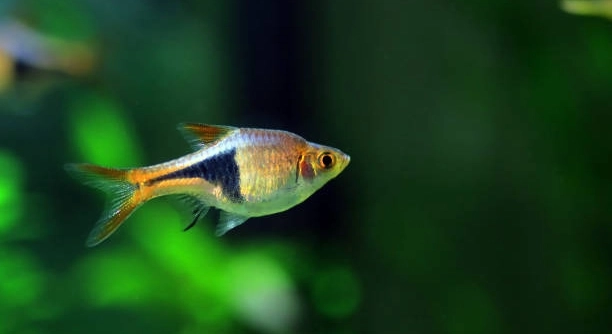
Keeping rasboras happy in a home aquarium requires more than just clean water and food. Many beginners make simple mistakes when setting up tanks that can stress these delicate fish. Small errors can have a big impact.
Common tank setup mistakes that negatively affect rasboras include overstocking, improper filtration, inconsistent water parameters, lack of hiding spots, poor lighting, inadequate plant coverage, and unsuitable substrate. Addressing these factors is crucial for maintaining a healthy and stress-free environment.
Correcting these issues ensures your fish thrive and display their natural behaviors, making your aquarium a more balanced and enjoyable space.
Overcrowding the Tank
Rasboras are small, social fish that thrive in groups, but overcrowding can quickly turn their habitat stressful. Many beginners add too many fish at once, thinking a fuller tank looks better. When there are too many fish, water quality declines faster, and aggression can increase. Overcrowding reduces swimming space and makes it harder for filtration systems to maintain a stable environment. Fish may become lethargic, lose their color, or show signs of stress like rapid gill movement. Even if the water looks clean, overcrowded tanks often hide underlying issues. It’s better to start with fewer fish and expand slowly while monitoring water parameters. Keeping a balanced population ensures that each rasbora has enough room to swim, interact naturally, and display their colors. Additionally, fewer fish reduce the risk of disease spreading quickly. Observing behavior regularly can help you spot early signs of stress caused by overcrowding before it becomes serious.
Monitoring tank population helps maintain health and prevents stress-related issues in rasboras.
A properly stocked tank allows rasboras to form natural schools, explore hiding spots, and interact with other fish without fear. Maintaining a low density also makes it easier to keep water quality stable. When space is limited, uneaten food and waste accumulate, leading to spikes in ammonia and nitrites, which are harmful. Overcrowding can also trigger aggressive behaviors, even among typically peaceful rasboras. Providing ample swimming space and plants reduces stress and encourages natural behavior. When planning your tank, consider adult size, swimming needs, and the number of plants or decorations. Remember, a tank that is visually crowded may look appealing, but the health of your fish should come first. A spacious environment with the right number of rasboras ensures longevity, bright coloration, and active movement. Tracking growth and adding fish gradually helps prevent unexpected population issues. This approach supports both fish welfare and easier tank maintenance over time.
Improper Filtration
Using an inadequate filter can lead to poor water quality, even if the tank is otherwise well-maintained.
A filter must handle the tank’s volume and maintain water clarity, oxygen levels, and remove waste efficiently. Filters that are too small or weak cannot process all debris, leading to toxic buildup that harms rasboras over time. Different filter types, like sponge, hang-on-back, or canister, offer varying levels of mechanical, chemical, and biological filtration. Choosing the right one ensures consistent water flow without stressing small fish. Poor filtration often causes cloudy water, algae growth, or odor issues, signaling an unhealthy environment. In addition, a properly cycled filter supports beneficial bacteria that break down ammonia into less harmful compounds, which is essential for a stable aquarium. Even the cleanest tanks need reliable filtration to prevent sudden spikes in toxins that can trigger illness. Setting up a filter with adjustable flow can protect rasboras, which prefer gentle currents. Regular maintenance, like rinsing media in tank water, keeps efficiency high without destroying helpful bacteria. Overall, proper filtration is key to sustaining a stable ecosystem where rasboras can swim, feed, and thrive naturally.
Inconsistent Water Parameters
Rasboras are sensitive to sudden changes in temperature, pH, and hardness. Fluctuations can stress fish, weaken their immune systems, and trigger illness. Maintaining stable water conditions is essential for their overall well-being.
Regular testing helps monitor ammonia, nitrites, nitrates, and pH levels. Sudden swings can occur from overfeeding, infrequent water changes, or adding new decorations without proper preparation. Gradual adjustments are necessary when altering water parameters, such as introducing tap water or changing substrate. Even small shifts in temperature or pH can affect rasboras’ metabolism and behavior. Stability ensures their colors remain bright and their activity levels stay healthy. Consistent water quality also supports beneficial bacteria in the filter, preventing harmful toxin accumulation. Maintaining a regular schedule for water changes and monitoring allows for a calm, stress-free environment where rasboras can thrive.
When changing water, always match the temperature and chemistry as closely as possible. Using a conditioner and acclimating new fish slowly prevents shock. Avoid sudden additions of chemicals or treatments that can upset the delicate balance.
Lack of Hiding Spots
Rasboras feel secure when they have plants, caves, or decorations to hide in. Sparse tanks increase stress and reduce natural behavior.
Dense planting, driftwood, or rock formations create a safe environment for rasboras. Hiding spots provide shelter from bright lighting or more dominant fish. They reduce aggression and help maintain calm swimming patterns. Without cover, fish may appear nervous, dart frequently, or spend time near the surface. Adding live plants not only offers hiding places but also improves water quality and oxygen levels. Soft substrates and leaf litter can enhance security while mimicking a natural habitat.
Even small aquariums benefit from vertical and horizontal spaces for shelter. Floating plants or tall stems create shade, while lower plants offer retreats. Grouping decorations strategically ensures every fish has access to cover. Observing how rasboras use these spaces can guide future tank arrangements. Providing a mix of open swimming areas and concealed spots balances comfort and activity. The result is calmer, more confident fish that display natural schooling and foraging behavior. Hiding areas also encourage breeding behaviors and reduce stress during water changes or maintenance.
Poor Lighting
Too much or too little light can stress rasboras and affect plant growth. Bright lights without cover make fish skittish and less active.
Low or uneven lighting can also lead to weak plants, reducing hiding spots. Balanced lighting supports natural behavior and healthier fish.
Unsuitable Substrate
Sharp or rough substrate can injure rasboras, while overly coarse gravel traps waste and debris. Fine sand or smooth gravel is ideal for safe swimming and foraging. Proper substrate also supports plant roots and maintains water quality. Choosing the right base ensures comfort and reduces stress for delicate fish.
Overfeeding
Excess food leads to poor water quality and obesity in rasboras. Uneaten food decomposes, producing ammonia that stresses fish and disrupts the tank’s balance. Monitoring portion sizes and feeding small, frequent amounts helps maintain clean water and healthy fish.
FAQ
How many rasboras should I keep in a tank?
Rasboras are schooling fish and need groups to feel secure. A minimum of six is recommended, but more is better if the tank size allows. Overcrowding stresses fish, reduces swimming space, and increases waste buildup, which can harm water quality. Gradually adding fish while monitoring water parameters helps maintain balance.
What water temperature do rasboras prefer?
Most rasboras thrive in temperatures between 74°F and 82°F (23°C–28°C). Sudden changes can shock their system and weaken immunity. Using a reliable heater and thermometer ensures stable conditions. Small adjustments should be gradual, especially during seasonal changes or water replacement.
How often should I change the water?
Partial water changes of 20–30% weekly help maintain stable water quality. This removes excess waste, prevents toxic buildup, and keeps nitrate levels low. Consistency is key, as infrequent changes can stress fish and trigger disease outbreaks.
What type of plants are best for rasboras?
Live plants like Java fern, Anubias, and Cryptocoryne provide cover, oxygenate the water, and improve water quality. Floating plants offer shade and reduce light intensity, helping rasboras feel secure. Avoid sharp or rigid plants that could injure delicate fins.
Do rasboras need hiding spots?
Yes, hiding spots reduce stress and aggression. Rocks, driftwood, and dense plants allow fish to retreat when nervous or during feeding. Even a small tank benefits from multiple shelter points to help all fish feel safe and maintain natural behavior.
What is the best feeding routine for rasboras?
Feed small portions two to three times daily. Overfeeding leads to water quality problems and obesity. Use high-quality flakes, micro-pellets, or frozen foods. Remove uneaten food after a few minutes to prevent ammonia spikes and maintain clean water.
Can rasboras live with other fish?
Rasboras are peaceful and do well with other non-aggressive species like tetras, guppies, and small catfish. Avoid large or aggressive fish that may bully or eat them. Always consider tank size and swimming space when choosing companions.
How do I know if my rasboras are stressed?
Signs of stress include clamped fins, dull colors, hiding constantly, or erratic swimming. Water quality issues, overcrowding, or poor hiding spots are common causes. Regular observation and maintaining stable tank conditions help prevent stress and ensure healthy fish.
Is filtration necessary for rasboras?
Yes, a proper filter removes waste, maintains oxygen levels, and supports beneficial bacteria. Filters should match tank size and flow preference. Strong currents can stress small rasboras, so adjustable flow or sponge filters are ideal. Clean filter media carefully to preserve bacterial colonies.
How do I acclimate new rasboras?
Float the bag in the tank for 15–20 minutes to equalize temperature. Gradually mix small amounts of tank water into the bag over 30–60 minutes. Slowly releasing the fish prevents shock and helps them adjust to new water chemistry safely.
What substrate is best for rasboras?
Smooth gravel or fine sand prevents injury and allows natural foraging. Avoid sharp, jagged, or coarse substrates that can damage delicate fins. A good substrate also supports plants and helps maintain water quality by preventing debris buildup.
Can rasboras breed in home aquariums?
Yes, but they need a calm, densely planted tank with soft, slightly acidic water. Spawning mops or fine-leaf plants help eggs remain safe. Removing adults after spawning prevents them from eating the eggs. Stable water and proper nutrition improve breeding success.
How long do rasboras live?
With proper care, rasboras can live 3–5 years. Maintaining stable water conditions, proper diet, and a stress-free environment supports longevity. Regular observation ensures early detection of illness, allowing timely intervention to keep fish healthy.
Are there common diseases I should watch for?
Rasboras can develop fin rot, ich, or bacterial infections if stressed or kept in poor water conditions. Quarantine new fish, maintain water quality, and provide balanced nutrition. Early detection and treatment prevent disease from spreading to the entire tank.
Do rasboras need a specific pH range?
Most species prefer slightly acidic to neutral water, around pH 6.5–7.5. Consistent pH levels reduce stress and support proper metabolism. Rapid pH fluctuations can shock the fish and weaken their immune system, so gradual adjustments are necessary when needed.
How can I reduce stress during tank maintenance?
Perform partial water changes instead of complete replacements, move decorations gently, and avoid sudden changes in temperature or light. Providing hiding spots during maintenance helps fish feel secure. Regular schedules and careful handling minimize disruption to their routine.
Rasboras are small, peaceful fish that thrive in well-planned aquariums. Their health and happiness depend largely on careful attention to water quality, tank setup, and daily care. Even minor mistakes, such as overcrowding or inconsistent water parameters, can cause stress and affect their behavior or appearance. Maintaining a balanced environment with proper filtration, gentle lighting, and ample hiding spots helps rasboras display natural behaviors and vibrant colors. Planning the tank according to the fish’s needs rather than its visual appeal ensures long-term success and reduces the risk of illness.
Feeding is another important aspect of rasbora care. Providing small, frequent meals of high-quality food keeps them healthy without compromising water quality. Overfeeding can lead to waste accumulation, ammonia spikes, and stress, which often go unnoticed until fish begin showing signs of illness. Along with regular feeding, careful monitoring of water parameters like temperature, pH, and hardness is crucial. Stability is key, as sudden changes in these factors can quickly stress rasboras and make them vulnerable to disease. Weekly water changes and routine testing make it easier to maintain a safe and comfortable environment.
Creating a comfortable, safe space for rasboras involves more than the basics. Including live plants, smooth substrates, and well-placed decorations allows fish to explore, hide, and swim freely. Adequate schooling groups and compatible tank mates promote natural social behaviors and reduce stress. Observation is important, as it helps identify early signs of trouble, whether caused by environmental issues, overfeeding, or aggressive tank mates. By paying attention to these details and keeping the environment stable, rasboras can live longer, remain active, and showcase their full beauty. Careful planning and consistent maintenance are the foundation of a thriving tank that supports healthy, stress-free fish.

Hello,
If you enjoy the content that we create, please consider saying a "Thank You!" by leaving a tip.
Every little bit helps us continue crafting quality advice that supports the health, happiness, and well-being of pets around the world, for pets of all shapes, sizes, and species.
We really appreciate the kindness and support that you show us!