
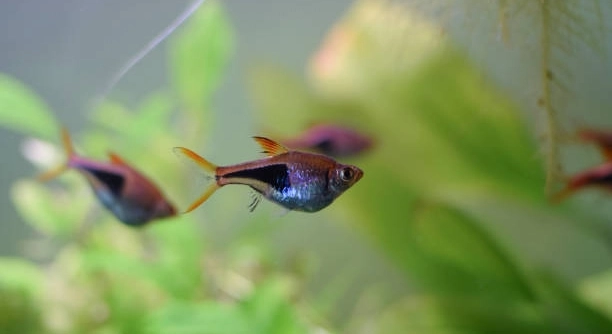
Have you ever wondered how to create the perfect home for your colorful rasboras? These small, lively fish thrive best when their environment supports their natural swimming habits and social behavior. A well-chosen tank ensures they stay healthy.
The ideal tank size for rasboras starts at 20 gallons for a small group, allowing sufficient swimming space and stable water conditions. Larger tanks provide better social interaction, reduce stress, and maintain water quality more effectively for these schooling fish.
Providing the right tank size is essential for your rasboras’ wellbeing, and it sets the stage for a vibrant, healthy aquarium. Proper planning will help you create a balanced aquatic environment.
Choosing the Right Tank Shape
When selecting a tank for rasboras, the shape matters just as much as the size. Long, rectangular tanks give these fish more horizontal swimming space, which aligns with their natural behavior. Tall, narrow tanks can feel cramped and limit movement. For a small school of six to eight rasboras, a 20-gallon long tank provides enough room for them to explore and interact. The open swimming area helps reduce stress and promotes natural schooling patterns. Decorations should be minimal and placed along the edges to leave a clear central area. Plants, rocks, and driftwood can add hiding spots, but overloading the tank can create obstacles that make swimming difficult. Filtration and water flow are also easier to manage in a rectangular tank, as water circulates evenly, keeping the environment stable. Lighting should mimic natural conditions to help rasboras feel secure and maintain their colors.
Choosing a longer tank supports both movement and social interaction, making your rasboras feel comfortable and secure in their environment.
A long tank not only accommodates swimming space but also simplifies maintenance. Filtration works more effectively in rectangular setups, distributing clean water evenly. With plants along the edges, rasboras can dart between hiding spots without obstruction. A proper tank shape enhances both health and natural behavior.
Number of Rasboras per Tank
A small group of six to eight rasboras is ideal for a 20-gallon tank. Keeping them in a school reduces stress and encourages natural activity patterns. Overcrowding can lead to aggression and water quality problems, while too few may make them feel insecure.
For larger tanks, the number of rasboras can increase proportionally. In a 30-gallon tank, 10 to 12 fish can thrive comfortably. Schools should be kept together, as isolated individuals often display shy or erratic behavior. Providing adequate swimming space and hiding areas ensures they maintain health and coloration. Decorations should support exploration, but avoid cluttering the tank, as rasboras prefer open swimming zones. Regular monitoring of water quality is essential, especially when increasing fish numbers, to prevent ammonia and nitrate spikes. Filtration and water changes become more critical as the school grows, maintaining a stable, stress-free environment. Choosing the right number of fish balances social needs and environmental stability, helping rasboras thrive naturally.
Water Conditions for Rasboras
Rasboras thrive in slightly acidic to neutral water with a stable temperature between 72°F and 79°F. Sudden changes can stress them, so consistent monitoring is important. Filtration should be gentle to mimic calm water conditions without strong currents.
Maintaining proper water parameters ensures rasboras remain healthy and active. Frequent testing for pH, ammonia, nitrites, and nitrates helps prevent illnesses. Regular water changes of 20 to 25 percent weekly maintain water clarity and reduce toxin buildup. Avoid adding chemicals abruptly, as rasboras are sensitive to harsh treatments. Using a heater with a thermostat keeps the temperature steady, while gentle aeration provides enough oxygen without stressing the fish. Adding live plants can help stabilize water chemistry and offer hiding spots, supporting both their health and natural behavior. Monitoring water regularly allows adjustments before issues arise, keeping the aquarium safe and comfortable.
Even small variations in water temperature or pH can affect coloration and appetite. A well-maintained environment promotes schooling behavior and reduces the risk of disease, making your aquarium more enjoyable and vibrant.
Feeding Rasboras
Rasboras eat small flakes, micro pellets, and occasional live or frozen foods. Overfeeding can pollute the tank quickly, so provide only what they can consume in a few minutes.
Feeding a varied diet ensures proper nutrition and keeps rasboras active. Flake food should form the base of their diet, while micro pellets provide additional protein. Supplementing with live or frozen foods like daphnia or brine shrimp encourages natural hunting behavior. Feed once or twice daily in small portions to avoid leftover food that can decompose and affect water quality. Observing their response to different foods helps determine preferences and ensures all fish receive enough nutrition. Proper feeding supports growth, color intensity, and overall well-being, keeping the school lively and healthy.
Consistency in feeding times helps rasboras establish a routine and reduces stress. Small, frequent meals also minimize waste buildup, preserving the tank’s cleanliness and balance.
Tank Decorations and Plants
Minimal decorations work best for rasboras, leaving open swimming areas. Live plants provide hiding spots and help maintain water quality, while driftwood or rocks along the edges can create natural boundaries. Avoid overcrowding the tank to prevent restricted movement and stress.
Floating plants can reduce light intensity and offer cover, making rasboras feel secure. Choose soft-leaved plants that won’t injure delicate fins, and arrange decorations to allow clear paths for swimming.
Lighting for Rasboras
Moderate lighting enhances rasboras’ natural colors without stressing them. Avoid overly bright lights, as it can cause hiding or erratic behavior. Timed lighting with 8–10 hours per day mimics natural conditions, supporting healthy activity and feeding routines.
Tank Mates for Rasboras
Peaceful community fish work best alongside rasboras. Avoid aggressive or larger species that may bully or eat them. Suitable companions include small tetras, guppies, and snails, which coexist without threatening the school’s stability.
Maintaining Tank Cleanliness
Regular water changes are key to keeping rasboras healthy. Partial weekly changes of 20–25 percent prevent toxin buildup. Removing uneaten food and debris reduces the risk of disease, keeping the aquarium clear and safe.
FAQ
What is the minimum tank size for a small group of rasboras?
The minimum tank size for a small school of six to eight rasboras is 20 gallons. This size provides enough swimming space and stable water conditions. Smaller tanks can stress the fish, leading to poor health and diminished coloration.
Can rasboras live alone?
Rasboras are schooling fish, so living alone is not recommended. A single fish may become shy, stressed, or display unusual behavior. Keeping at least six together helps them feel secure and encourages natural schooling patterns, improving overall well-being.
How often should I feed rasboras?
Rasboras should be fed once or twice daily in small portions. Overfeeding can lead to uneaten food decomposing in the tank, affecting water quality. Offer a mix of flakes, micro pellets, and occasional live or frozen foods to ensure balanced nutrition.
What temperature do rasboras need?
Rasboras thrive in temperatures between 72°F and 79°F. Sudden temperature changes can stress them, so use a reliable heater and monitor the water consistently. Stable conditions help maintain activity levels, coloration, and appetite.
How often should I change the water?
Weekly water changes of 20–25 percent are recommended. Partial changes remove accumulated waste and maintain water clarity, preventing spikes in ammonia or nitrate levels. Consistent maintenance supports the health of your fish and keeps the tank environment stable.
Can rasboras live with other fish?
Yes, they do well with peaceful community fish. Avoid aggressive or larger species that may harass them. Suitable companions include small tetras, guppies, and bottom-dwelling snails. Choosing compatible tank mates ensures a stress-free environment and allows rasboras to display natural schooling behavior.
Do rasboras need live plants?
Live plants are not required but highly beneficial. They provide hiding spots, reduce stress, and help maintain water quality. Soft-leaved plants like Java fern or Anubias work well, and placing them along tank edges leaves plenty of open swimming space for the school.
How do I know if my rasboras are healthy?
Healthy rasboras are active, swim in a coordinated school, and display vibrant colors. Signs of stress or illness include faded colors, clamped fins, erratic swimming, or loss of appetite. Monitoring behavior and water quality regularly helps prevent problems before they become serious.
Is filtration necessary for rasboras?
Yes, filtration is important to maintain clean water and stable conditions. Gentle filters work best, as strong currents can stress these small fish. A well-filtered tank reduces toxins, supports oxygenation, and keeps the aquarium environment safe for daily activity.
What decorations are safe for rasboras?
Minimal decorations are best. Smooth driftwood, rocks along tank edges, and live plants provide hiding spots without restricting swimming space. Avoid sharp or rough objects that can damage delicate fins. Clear paths for movement allow the fish to school naturally and remain stress-free.
How long do rasboras live?
Rasboras can live up to five years with proper care, including stable water conditions, a suitable tank size, regular feeding, and good maintenance. Maintaining a consistent, safe environment helps maximize lifespan and keeps the school active and vibrant.
Can I keep rasboras in a tall, narrow tank?
Tall, narrow tanks are not ideal because they limit horizontal swimming space. Rasboras prefer long, rectangular tanks that allow free movement and support natural schooling. Providing an open, elongated swimming area reduces stress and promotes healthier behavior.
How do I prevent disease in rasboras?
Maintaining clean water, avoiding overcrowding, feeding appropriate amounts, and selecting compatible tank mates are key to preventing disease. Regular monitoring for signs of stress or illness allows early intervention, keeping the school healthy and active.
Are rasboras sensitive to lighting?
Moderate lighting works best for rasboras. Bright or harsh lights can stress them, while a timed schedule of 8–10 hours daily mimics natural conditions. Floating plants can help diffuse light, providing shaded areas that make the fish feel secure.
What is the best diet for rasboras?
A varied diet ensures good health. Flakes and micro pellets form the main diet, while live or frozen foods like daphnia or brine shrimp add protein and encourage natural hunting behaviors. Small, frequent meals prevent overfeeding and reduce waste buildup in the tank.
This FAQ provides the essential care details to maintain a healthy, active, and vibrant rasbora school, ensuring both their wellbeing and a balanced aquarium environment.
Rasboras are small, lively fish that bring energy and color to any aquarium. Choosing the right tank size is one of the most important steps in keeping them healthy and happy. A 20-gallon tank works well for a small school of six to eight fish, while larger tanks allow more space for swimming and social interaction. These fish thrive in long, rectangular tanks because they provide room to move freely and encourage natural schooling behavior. Overcrowding or placing them in a tall, narrow tank can lead to stress, which affects their activity, appetite, and overall health. Keeping a clean, well-maintained tank with gentle filtration and stable water conditions is essential for their long-term well-being. Live plants, smooth decorations, and minimal clutter provide hiding spots without restricting swimming areas, helping the fish feel safe and secure. Proper tank setup creates a stable environment that reduces stress and supports natural behaviors, allowing rasboras to thrive.
Feeding and water management play a key role in rasbora care. Offering a varied diet of flakes, micro pellets, and occasional live or frozen foods ensures they receive the nutrients needed for growth and color. Feeding small portions once or twice daily prevents leftover food from polluting the tank, which can affect water quality and fish health. Regular water changes of 20–25 percent each week help maintain clear water, reduce toxins, and keep ammonia and nitrate levels in check. Maintaining a stable temperature between 72°F and 79°F is also critical, as sudden fluctuations can stress the fish. Monitoring pH, hardness, and overall water conditions allows you to make small adjustments before problems develop, keeping the aquarium safe and comfortable for the entire school.
Choosing suitable tank mates and creating a proper environment adds to the success of keeping rasboras. Peaceful fish such as small tetras, guppies, or snails coexist well and do not compete aggressively for space or food. Avoid larger or aggressive species that could bully or harm the rasboras. Moderate lighting with a consistent schedule mimics natural day-night cycles, while floating plants can provide shade and a sense of security. Over time, attention to these details makes the aquarium more balanced and visually appealing. By carefully planning tank size, water conditions, feeding routines, and tank mates, you can maintain a healthy and vibrant school of rasboras. With proper care, these fish live active, colorful lives, enhancing the overall enjoyment of your aquarium.

Hello,
If you enjoy the content that we create, please consider saying a "Thank You!" by leaving a tip.
Every little bit helps us continue crafting quality advice that supports the health, happiness, and well-being of pets around the world, for pets of all shapes, sizes, and species.
We really appreciate the kindness and support that you show us!