
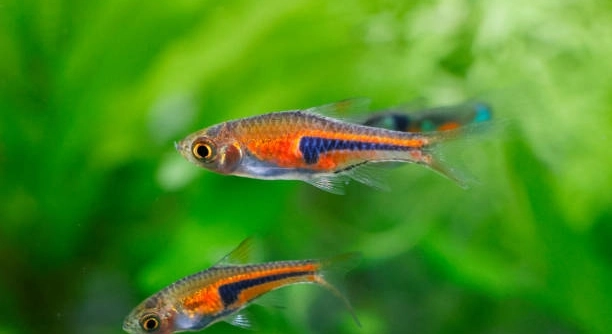
Rasboras are small, lively fish that thrive when swimming together in groups. Their schooling behavior is natural and provides safety, comfort, and social interaction, making them a popular choice for home aquariums. Observing their coordinated movements can be mesmerizing and calming.
Several factors can disrupt rasbora schooling, including overcrowding, sudden changes in water temperature, poor water quality, inadequate lighting, aggressive tank mates, inconsistent feeding schedules, and insufficient space. Each of these conditions can interfere with their natural schooling instincts and overall behavior.
Recognizing these disruptions early allows for adjustments that support healthy, harmonious schooling. Maintaining stable conditions ensures your rasboras remain active, safe, and socially engaged in their environment.
Overcrowding in the Tank
Overcrowding is a common issue in home aquariums that significantly affects rasbora schooling. These fish need space to swim freely and maintain their social structure. When too many fish are placed in a limited area, movement becomes restricted, causing stress and disorganization within the school. Stress from overcrowding can weaken their immune system, making them more prone to illness. Additionally, competition for resources such as food and hiding spots increases, which can lead to aggression or withdrawal from the group. Proper stocking levels help maintain balanced behavior and promote a healthy, active school. A general guideline is to allow one inch of fish per gallon of water, but this can vary depending on tank layout and decorations. Providing sufficient space encourages natural schooling, reduces stress, and supports long-term health. Observing your rasboras’ behavior can help determine if the tank is overcrowded.
Limiting the number of fish ensures each rasbora has space to swim and interact naturally, keeping the school cohesive.
Creating a well-planned tank setup involves considering not just the number of fish, but their swimming patterns and hiding preferences. Decorations should be arranged to offer shelter without restricting open areas. Regular monitoring of fish behavior helps detect early signs of stress. Overcrowding not only disrupts schooling but can affect feeding efficiency and overall tank cleanliness. Maintaining proper water filtration and regular cleaning supports a healthier environment, reducing the negative impact of higher fish density. Adjusting stocking levels gradually, along with careful observation, ensures that rasboras remain active and coordinated, displaying their natural schooling patterns effectively.
Water Quality and Temperature
Poor water quality and sudden temperature changes can disturb rasbora schooling. Stable conditions are essential to keep them active and healthy.
Water parameters like pH, ammonia, nitrite, and nitrate levels must remain consistent. Fluctuations can trigger stress responses, causing fish to scatter or isolate themselves. Sudden temperature shifts affect metabolism and energy, making synchronized swimming difficult. Regular water testing and partial water changes help maintain stable conditions.
Keeping a consistent temperature, typically between 72°F and 78°F, supports normal activity. Using a reliable heater and thermometer prevents unexpected drops or spikes. Contaminants from decaying food or overcrowding can degrade water quality, so removing debris promptly is important. A clean, stable environment promotes confidence among fish, encouraging coordinated movement and natural schooling. Observing water conditions daily helps identify potential issues before behavior is affected, ensuring a harmonious and visually appealing school.
Aggressive Tank Mates
Aggressive fish can intimidate rasboras, causing them to scatter or hide. Maintaining peaceful tank companions is crucial for consistent schooling behavior.
Introducing aggressive species can trigger fear responses, breaking up tight schools and reducing social interaction. Even minor aggression from semi-aggressive fish can create tension, leading to erratic swimming and stress. Rasboras rely on synchronized movement for safety, and disruption from hostile tank mates interferes with their natural instincts. Ensuring a calm environment with compatible species allows them to swim confidently, maintain group cohesion, and display natural schooling patterns. Careful planning of tank population and observing interactions helps prevent issues before they escalate.
Over time, aggressive neighbors can have lasting effects on rasbora behavior. Fish that repeatedly face threats may become timid or withdrawn, avoiding open areas entirely. This behavior impacts feeding habits and overall health, as constant stress can weaken immunity and reduce activity levels. Providing hiding spots and rearranging the tank layout can mitigate some tension, but long-term compatibility is critical. Selecting calm, similarly sized species supports a stable social environment, helping rasboras feel secure, swim naturally, and maintain healthy group dynamics.
Keeping aggressive fish away is one of the simplest ways to protect rasbora schooling. Monitoring behavior ensures long-term harmony and reduces stress.
Inconsistent Feeding Schedules
Irregular feeding can disrupt rasbora schooling, as hunger or competition affects movement patterns and cohesion within the group. Consistent feeding times reinforce normal behavior and reduce stress among the fish.
When feeding schedules are inconsistent, some rasboras may dominate food while others struggle, causing conflict and scattering. Hunger triggers erratic swimming or hiding, interrupting coordinated schooling. Overfeeding at random intervals can degrade water quality, introducing ammonia and nitrites that stress the fish further. Maintaining a regular feeding routine helps regulate energy levels, keeps the school organized, and ensures all individuals get adequate nutrition. Using measured portions and distributing food evenly encourages healthy interaction and minimizes disruption to natural swimming patterns. Observing feeding behavior allows adjustments to maintain balance and cohesion.
Balanced nutrition is also vital for overall health and schooling consistency. Poor diet or irregular intake can lead to lethargy, weakened immunity, and stunted growth, further interfering with social behavior. Offering a varied diet of flakes, micro pellets, and occasional live or frozen food supports energy needs and reduces competition. Pairing consistent feeding with careful water maintenance ensures rasboras remain active, coordinated, and engaged. Gradually adjusting feeding practices, monitoring fish response, and maintaining proper tank conditions create a supportive environment where schooling behavior thrives, reinforcing social bonds and reducing stress in the group.
Inadequate Lighting
Poor lighting can affect rasbora schooling by altering their perception of the environment. Dim or inconsistent light makes fish hesitant to swim together and reduces overall activity.
Bright, harsh lighting may also cause stress. Balanced, consistent lighting helps rasboras feel secure, encouraging natural schooling behavior and coordinated movement.
Sudden Environmental Changes
Abrupt changes in water chemistry, temperature, or tank layout can disrupt rasbora schooling. These fish rely on stable surroundings to maintain coordinated movement and social interaction. Sudden disturbances trigger stress responses, scattering the group and reducing cohesion. Gradual adjustments and careful observation minimize disruption and support stable schooling.
Insufficient Space
Limited swimming space prevents rasboras from forming tight, coordinated schools. Crowded tanks or cluttered layouts restrict movement, causing stress and disorganization within the group.
Maintaining open swimming areas while providing hiding spots ensures natural schooling patterns continue without interruption.
FAQ
What is the ideal number of rasboras for schooling?
Rasboras feel safest in groups of six or more, though larger schools of ten to fifteen provide better cohesion and natural behavior. Smaller groups may appear scattered or anxious, as they rely on numbers for confidence and social interaction. Ensuring adequate group size helps them swim confidently and maintain synchronized patterns.
How often should I test water quality?
Regular testing is essential for stable schooling behavior. Testing water parameters like pH, ammonia, nitrite, and nitrate at least once a week helps detect potential problems early. Consistent monitoring allows adjustments through partial water changes or filtration improvements, reducing stress and keeping the school organized.
Can lighting affect schooling behavior?
Yes, inconsistent or overly harsh lighting can stress rasboras. Soft, balanced lighting supports normal activity and encourages coordinated swimming. Sudden changes in light, such as turning lights on or off abruptly, can scatter the group. Using a timer ensures consistent light periods, creating a predictable environment for natural schooling.
What tank mates are suitable for rasboras?
Peaceful, small to medium-sized fish are best. Aggressive or territorial species can intimidate rasboras, disrupting group cohesion. Choosing calm tank mates helps maintain consistent schooling behavior, reduces stress, and allows rasboras to interact naturally. Observation is key to ensuring harmony in a mixed-species aquarium.
How do I prevent overcrowding?
Calculate tank capacity based on fish size and swimming needs. A common guideline is one inch of fish per gallon of water, but decorations and swimming patterns must also be considered. Overcrowding increases stress, aggression, and disease risk, which disrupts schooling. Proper planning and monitoring prevent these issues.
Does feeding schedule influence schooling?
Yes, irregular feeding can scatter the school and increase competition. Consistent feeding times stabilize behavior and reduce stress. Measuring portions and distributing food evenly ensures all rasboras get proper nutrition and supports coordinated swimming. Observing behavior during feeding allows for small adjustments to maintain order in the group.
How important is tank layout for schooling?
A balanced tank layout with open swimming space and hiding spots promotes natural behavior. Crowded or cluttered tanks restrict movement, causing disorganized schools. Rearranging decorations gradually allows rasboras to adapt without stress. Providing both open areas and shelter supports healthy, cohesive schooling patterns.
What temperature range is best for rasboras?
Rasboras thrive between 72°F and 78°F. Sudden changes in temperature can trigger stress, breaking up the school and reducing activity. Using a reliable heater and thermometer ensures stability. Gradual adjustments are necessary when acclimating new fish or performing maintenance to maintain consistent schooling behavior.
Can water changes impact schooling?
Yes, large or abrupt water changes can shock the fish and scatter the group. Partial, gradual water changes maintain water quality without causing sudden stress. Monitoring fish closely after changes ensures the school regains coordination quickly and continues swimming naturally.
How do I know if my rasboras are stressed?
Signs of stress include erratic swimming, hiding, loss of color, and reduced interaction within the school. Addressing water quality, tank mates, and feeding schedules usually restores normal behavior. Observing subtle changes in schooling patterns helps detect early stress before it affects overall health.
What is the role of hiding spots in schooling?
Hiding spots offer security, reducing fear and promoting natural movement. Rasboras use these areas to rest or escape perceived threats. However, balance is key—too many obstacles can fragment the school. Well-placed shelters allow safety while maintaining open swimming space for coordinated behavior.
Can overcrowded plants affect rasbora behavior?
Dense plants can restrict swimming paths, causing the school to scatter. While some vegetation is beneficial for shelter and water quality, excessive growth may impede natural schooling. Regular trimming and thoughtful placement maintain balance, supporting both health and organized group movement.
Is gradual acclimation important for new rasboras?
Yes, introducing new fish slowly prevents sudden stress and disruption of existing schooling patterns. Floating bags for temperature equalization and slowly mixing tank water reduces shock. Gradual acclimation helps new fish integrate smoothly, allowing the school to maintain cohesion and natural swimming behavior.
How does aggression from other species affect rasboras?
Aggressive behavior triggers fear, scattering the school and reducing social interaction. Even minor displays of dominance can cause long-term stress. Selecting calm, compatible species and providing sufficient space and hiding spots mitigates aggression, helping rasboras maintain coordinated schooling and overall health.
What is the best way to observe schooling behavior?
Watching during feeding and quiet periods provides insight into group cohesion, stress levels, and overall health. Regular observation allows early detection of problems, such as scattered swimming or hiding, which can then be addressed by adjusting tank conditions or tank mates.
Final Thoughts
Rasboras are delicate, social fish that show their natural beauty when kept in a stable environment. Their schooling behavior is a key part of their life, providing safety, comfort, and interaction. Maintaining this behavior requires attention to several important factors, including tank size, water quality, temperature, lighting, and the presence of compatible tank mates. Disruptions in any of these areas can stress the fish, causing them to scatter, hide, or swim erratically. Observing small changes in behavior is often the first sign that something in their environment needs adjustment. Overcrowding and limited swimming space are common issues that can be easily managed. Ensuring enough room and a proper number of fish helps maintain confidence, reduces tension, and supports the cohesion of the school. A well-planned setup creates a safe and healthy environment where rasboras can display their natural swimming patterns with ease.
Feeding routines and proper nutrition are also essential for healthy schooling behavior. Inconsistent feeding or competition over food can lead to scattered or erratic movement, reducing the cohesion of the group. Following a consistent feeding schedule and distributing food evenly ensures all fish get enough to eat while maintaining order in the school. Monitoring how rasboras behave during feeding provides insight into their health and social dynamics. Even small stressors, such as sudden changes in lighting, tank layout, or water conditions, can disrupt schooling. Gradual adjustments and careful maintenance help the fish adapt without stress. Balanced lighting, clean water, and stable temperatures create a predictable environment, which encourages confident and coordinated swimming. Paying attention to these details contributes significantly to the long-term health and behavior of the group.
The overall composition of the tank also influences schooling behavior. Aggressive or incompatible tank mates can frighten rasboras, breaking up the school and causing stress. Choosing peaceful companions and providing hiding spots allows the group to interact naturally while feeling secure. Tank decorations and plants should offer both shelter and open swimming space to support cohesion. Regular observation of the fish makes it easier to notice potential problems related to water quality, overcrowding, or social stress. By maintaining stable conditions, proper nutrition, and a thoughtful tank layout, rasboras remain active, healthy, and coordinated. Consistent care ensures their schooling behavior is preserved, allowing them to thrive in a harmonious and visually engaging aquarium environment.

Hello,
If you enjoy the content that we create, please consider saying a "Thank You!" by leaving a tip.
Every little bit helps us continue crafting quality advice that supports the health, happiness, and well-being of pets around the world, for pets of all shapes, sizes, and species.
We really appreciate the kindness and support that you show us!