
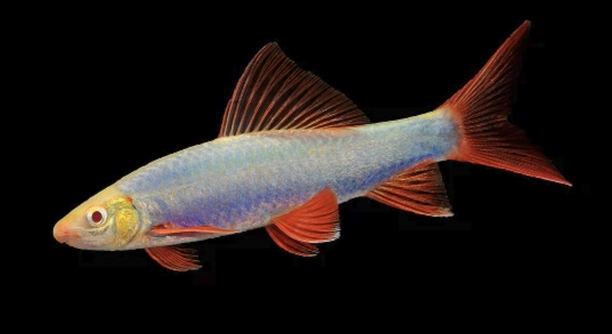
Rainbow sharks are popular freshwater fish known for their striking colors and active behavior. Many aquarists want to provide the right environment to keep them healthy and happy. Proper tank size is a key factor in their care and wellbeing.
A rainbow shark requires a minimum tank size of 30 gallons to thrive. This space allows for sufficient swimming room and reduces territorial aggression. Larger tanks provide better water quality and more stable conditions essential for their health.
Choosing the correct tank size is the first step in creating a balanced habitat for your rainbow shark. The following tips will help ensure you meet its needs effectively.
Why Tank Size Matters for Rainbow Sharks
The tank size directly impacts the health and behavior of rainbow sharks. These fish are active swimmers and need enough space to move freely without stress. A cramped environment can lead to aggression and poor water quality. When space is limited, rainbow sharks may become territorial, which causes fighting and injury. A larger tank reduces stress by allowing each fish to claim its own area. Proper swimming space also supports their physical development and natural behavior. Additionally, larger tanks dilute waste more effectively, making it easier to maintain clean water. Water quality is crucial for preventing disease and promoting longevity. If the tank is too small, filtration systems can be overwhelmed, leading to toxin buildup. This can cause serious health problems over time. By providing adequate tank size, owners ensure a healthier and more peaceful environment for their rainbow sharks.
Proper tank size supports healthier fish and easier tank maintenance overall.
Maintaining a spacious tank reduces aggression and promotes natural activity. This balance leads to a longer lifespan and better overall wellbeing for rainbow sharks. Their vibrant colors also tend to brighten when they experience less stress, making them more attractive in home aquariums.
Tank Setup Essentials
A well-planned tank setup complements the right tank size for rainbow sharks.
Start with a sturdy filtration system capable of handling the tank’s volume. This helps keep water clean and oxygenated. Include hiding spots using rocks or plants to reduce stress. Substrate should be smooth to prevent injury, as rainbow sharks often explore the bottom. Temperature should stay between 72 and 79 degrees Fahrenheit to mimic their natural environment. Lighting needs to be moderate, avoiding extremes that may disturb their routine. Regular water changes are essential to keep ammonia and nitrate levels low. A balanced environment supports the fish’s immune system and overall vitality. Proper tank setup prevents many common issues, allowing your rainbow shark to thrive without frequent health concerns. Paying attention to these details creates a stable habitat, helping your fish feel secure and active in its space.
Feeding Your Rainbow Shark
Rainbow sharks need a balanced diet to stay healthy. They are omnivores and enjoy a variety of foods, including flakes, pellets, and live or frozen treats. Feeding should be moderate to prevent overfeeding and water pollution.
Feeding rainbow sharks a diverse diet helps meet their nutritional needs. High-quality sinking pellets or wafers are ideal since these fish often feed near the bottom. Supplement their diet with occasional treats like bloodworms, brine shrimp, or vegetable matter. This variety supports their coloration and energy levels. Feeding small amounts twice a day is best to avoid excess waste, which can degrade water quality. Careful feeding also minimizes the risk of obesity and digestive problems.
Overfeeding can cause water pollution, which harms rainbow sharks. It’s important to remove uneaten food promptly. Using a timer or feeding schedule helps maintain consistency and keeps the tank environment stable. Proper feeding habits play a crucial role in their long-term health and happiness.
Compatibility with Other Fish
Rainbow sharks can be territorial, so choosing tank mates carefully is important. Avoid aggressive or small, timid fish that may be stressed by their behavior.
Ideal tank mates are similarly sized, semi-aggressive species that can hold their own but won’t provoke the rainbow shark. Suitable companions include larger tetras, danios, and some catfish species. It’s essential to provide plenty of hiding places and space to reduce conflict. Keeping only one rainbow shark per tank prevents territorial disputes. Monitoring fish interactions regularly helps catch any signs of aggression early. Balancing the aquarium community this way supports a peaceful environment where all fish can thrive.
Water Parameters
Maintaining stable water parameters is essential for rainbow sharks. They prefer slightly acidic to neutral pH levels between 6.5 and 7.5. Temperature should be kept between 72 and 79 degrees Fahrenheit for optimal health.
Regular testing and partial water changes help keep ammonia, nitrite, and nitrate levels low. Consistency in water conditions prevents stress and illness.
Tank Decorations
Use smooth rocks and sturdy plants to decorate the tank. Avoid sharp objects that could injure your rainbow shark. Provide hiding spots to reduce stress and mimic their natural habitat.
Lighting Needs
Moderate lighting is best for rainbow sharks. Too much light can cause stress, while too little may affect plant growth and fish behavior. A balanced light cycle of 8 to 10 hours per day supports their natural rhythms.
Regular Maintenance
Consistent tank maintenance is key to a healthy environment. Weekly partial water changes and filter cleaning help maintain water quality. Monitoring fish behavior also ensures early detection of any health issues.
FAQ
How often should I change the water in a rainbow shark tank?
Regular water changes are important for rainbow sharks. It’s best to change about 20-30% of the water every week. This helps remove waste and toxins that build up over time. Consistent water changes keep the environment healthy and reduce stress on the fish.
Can rainbow sharks live in small tanks?
Rainbow sharks need at least 30 gallons to live comfortably. Smaller tanks limit their swimming space and increase aggression. Crowded conditions can cause stress, illness, and shorter lifespans. Providing enough room supports their natural behavior and overall wellbeing.
What should I feed a rainbow shark?
A balanced diet includes sinking pellets or wafers designed for bottom feeders. Supplement with live or frozen foods like bloodworms and brine shrimp. Occasional vegetables such as blanched spinach or peas add variety. Feed small amounts twice daily to avoid overfeeding and water pollution.
Are rainbow sharks aggressive?
Rainbow sharks can be territorial, especially in small tanks or with other rainbow sharks. They may chase or nip at other fish if space is limited. Providing a large tank with hiding places reduces aggression. It’s best to keep only one rainbow shark per tank.
What water temperature is best for rainbow sharks?
Maintain water temperature between 72 and 79 degrees Fahrenheit. Consistent temperature within this range supports their immune system and natural activity. Sudden changes can stress them and increase susceptibility to disease.
Can rainbow sharks live with other fish?
Yes, but choose tank mates carefully. Compatible fish are similarly sized and semi-aggressive, like larger tetras or danios. Avoid small, timid fish or very aggressive species. Always provide plenty of hiding spots and monitor interactions regularly.
How big do rainbow sharks get?
Rainbow sharks typically grow to about 6 inches in length. They need enough swimming space to accommodate their size and active nature. A tank smaller than 30 gallons does not provide adequate room for full growth.
Do rainbow sharks need special lighting?
Moderate lighting is best. Too bright light can stress the fish, while too dim can affect plant growth and natural behavior. A light cycle of 8 to 10 hours daily mimics natural conditions and supports wellbeing.
What type of filtration is recommended?
A strong filtration system designed for tanks larger than 30 gallons is necessary. It should provide good mechanical and biological filtration to keep water clean and oxygenated. Proper filtration helps maintain water quality and fish health.
How long do rainbow sharks live?
With proper care, rainbow sharks can live 5 to 8 years. Good tank conditions, proper diet, and stable water quality all contribute to a longer lifespan. Neglecting these factors often leads to illness and early death.
Is it okay to keep multiple rainbow sharks together?
Generally, no. Rainbow sharks are territorial and often aggressive toward each other. Keeping more than one in the same tank can cause stress and injury. If housing multiple rainbow sharks, a very large tank with ample hiding spaces is needed.
What signs indicate a sick rainbow shark?
Look for changes in behavior such as lethargy, loss of appetite, or erratic swimming. Physical signs include faded color, spots, or torn fins. Early detection and treatment improve chances of recovery.
How do I introduce a rainbow shark to a new tank?
Acclimate the fish slowly by floating the bag in the tank for 15-20 minutes. Gradually add small amounts of tank water to the bag over an hour before releasing the fish. This reduces stress and helps the fish adjust to new water conditions.
Can rainbow sharks jump out of the tank?
Yes, they can jump if startled or if the water quality is poor. Always keep a secure lid on the tank to prevent escapes and injuries.
What substrate is best for rainbow sharks?
Smooth sand or fine gravel is ideal. Rough or sharp substrates can injure their sensitive barbels and bodies. A soft substrate encourages natural foraging behavior and reduces risk of damage.
Providing the right tank size for a rainbow shark is essential for its health and wellbeing. A minimum of 30 gallons gives these active fish enough space to swim comfortably and reduces stress caused by overcrowding. Larger tanks help maintain better water quality and offer a more stable environment. When space is limited, rainbow sharks may become territorial and aggressive, which can lead to injury and poor health. Ensuring adequate room is the first step to creating a suitable habitat where they can thrive naturally.
Beyond tank size, several other factors contribute to the overall care of rainbow sharks. Water parameters such as temperature and pH must be kept within the recommended ranges to support their immune system. A balanced diet that includes sinking pellets, live or frozen foods, and occasional vegetables is also important. Proper filtration and regular maintenance help keep water clean and safe. Adding decorations like smooth rocks and plants provides hiding spots, which reduce stress and mimic their natural environment. All these elements work together to promote a healthy and active fish.
Taking time to learn about the needs of rainbow sharks helps prevent common problems and improves their quality of life. Paying attention to tank size, water quality, diet, and compatibility with other fish ensures a peaceful aquarium. While they require some care and space, rainbow sharks are rewarding pets with their bright colors and interesting behavior. By following key tips, owners can enjoy a vibrant and healthy rainbow shark that adds life and movement to their home aquarium for many years.

Hello,
If you enjoy the content that we create, please consider saying a "Thank You!" by leaving a tip.
Every little bit helps us continue crafting quality advice that supports the health, happiness, and well-being of pets around the world, for pets of all shapes, sizes, and species.
We really appreciate the kindness and support that you show us!