
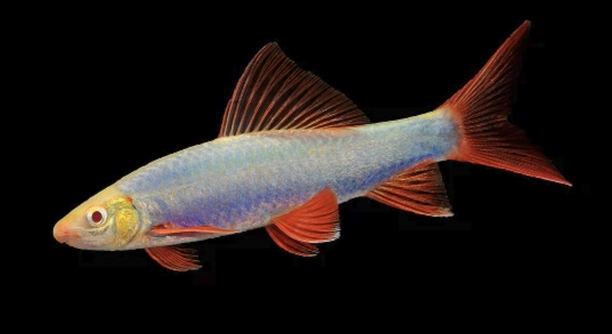
Rainbow sharks are popular freshwater fish known for their vibrant colors and active behavior. Many aquarists enjoy watching them swim, but it is important to recognize when these fish may be unwell. Early detection of illness can make a significant difference in their care.
Common signs of sickness in rainbow sharks include lethargy, loss of appetite, discoloration, frayed fins, erratic swimming, clamped fins, and white spots. These symptoms indicate stress, infection, or poor water quality, requiring prompt attention to prevent further health decline.
Recognizing these signs early helps ensure your rainbow shark receives the proper care and treatment it needs to recover fully.
Recognizing Lethargy and Loss of Appetite
When a rainbow shark starts showing signs of lethargy, it may seem less active or spend more time hiding. These fish usually swim around energetically, so sudden inactivity is a clear indication something is wrong. Along with lethargy, a loss of appetite is a common early sign of illness. If your rainbow shark refuses food for more than a day or two, this could signal an underlying problem. Causes for these symptoms often include poor water quality, stress, or infection. Monitoring your fish’s daily behavior helps catch these signs early, allowing you to take action before the condition worsens. Maintaining clean water and stable tank conditions supports their health. Regular feeding with a balanced diet is also essential. Early intervention can prevent many diseases from becoming severe.
Lethargy and loss of appetite often appear together, indicating that your fish might need immediate care to avoid further complications.
Ensuring your rainbow shark’s environment is clean and stable is crucial to prevent lethargy and appetite loss. Regularly test water parameters such as ammonia, nitrite, nitrate, and pH levels. Adjust temperature and filtration as needed. Offering high-quality food and observing feeding behavior daily will help maintain your fish’s health. If symptoms persist despite good care, consult a specialist to diagnose and treat any infections or parasites promptly.
Identifying Fin Damage and Discoloration
Fin damage usually appears as torn, frayed, or ragged edges on your rainbow shark’s fins. This can result from fighting with tank mates, poor water conditions, or bacterial infections. Discoloration often shows as dull or faded colors, which is unusual for these vibrant fish. Both signs are visible indicators of stress or illness. Addressing the root cause quickly can help your fish recover. Checking for aggressive tank mates or sharp decorations is a good first step. Improving water quality reduces bacterial growth and promotes healing. Treating infections with proper medication may be necessary if fin damage is severe.
Damaged fins and faded colors should never be ignored, as they point to health issues that affect your fish’s wellbeing.
To protect your rainbow shark’s fins and maintain its bright colors, regularly clean the tank and avoid overcrowding. Remove any objects that could injure your fish. Observe interactions with other fish to prevent aggression. If discoloration or fin damage worsens, isolate the fish and apply appropriate treatments. Keeping stress low and water conditions optimal will encourage natural healing and color restoration.
Erratic Swimming and Clamped Fins
Erratic swimming includes darting around the tank suddenly or struggling to maintain balance. Clamped fins are when the fins stay close to the body instead of spreading out naturally. Both signs usually indicate discomfort or illness in your rainbow shark.
These behaviors often stem from poor water quality, parasites, or stress from tank mates. When a fish struggles with balance, it may have swim bladder issues or internal infections. Stressful conditions cause your fish to try to protect itself by clamping fins, which limits movement and reduces exposure to threats. Regular water testing and observing tank dynamics can prevent these problems.
If you notice erratic swimming or clamped fins, isolate the fish to reduce stress. Check water parameters immediately, and perform partial water changes if needed. Treating parasites or infections with proper medication helps restore normal behavior. Maintaining a calm environment encourages your fish’s recovery.
White Spots and Other Visible Signs
White spots on the body or fins are typical signs of ich, a common parasite in freshwater tanks. These spots look like tiny grains of salt or sugar and spread quickly if untreated. Other visible signs may include redness, swelling, or mucus buildup.
Ich develops from poor water conditions, overcrowding, or introduction of new fish without quarantine. The parasite irritates the skin, causing your rainbow shark to scratch against objects. Early treatment is crucial to stop the parasite’s life cycle. Increasing the tank temperature slightly can speed up the parasite’s cycle, making medication more effective. Use ich-specific treatments as directed, and maintain excellent water quality during recovery. Cleaning the tank and filtering media helps remove parasite eggs and prevent reinfestation.
Stress and Its Impact on Health
Stress weakens the immune system of rainbow sharks, making them more prone to illness. Causes include poor water quality, overcrowding, and incompatible tank mates.
Reducing stress involves maintaining stable water conditions, providing hiding spots, and choosing peaceful companions. A calm environment supports your fish’s overall health and longevity.
Importance of Regular Water Testing
Regular water testing is essential for preventing diseases in rainbow sharks. Monitoring ammonia, nitrite, nitrate, and pH levels helps identify problems early.
Keeping water parameters stable reduces the risk of infections and stress. Frequent testing allows prompt action, improving your fish’s chances of staying healthy and thriving in their environment.
Quarantine New Fish
Quarantining new fish before adding them to the main tank prevents the spread of diseases. This practice protects your rainbow shark from infections brought in by newcomers.
A proper quarantine period allows observation and treatment if needed, safeguarding the health of your entire aquarium community.
FAQ
How can I tell if my rainbow shark is sick?
Look for changes in behavior like lethargy, loss of appetite, or erratic swimming. Physical signs include clamped or frayed fins, discoloration, white spots, or unusual mucus. These symptoms suggest stress, infection, or poor water quality. Regular observation helps catch problems early.
What should I do if I notice white spots on my fish?
White spots often mean ich, a common parasite. Increase the tank temperature slightly to speed up the parasite’s life cycle, then treat with ich-specific medication following package instructions. Clean the tank and filter media to remove parasite eggs and prevent reinfestation.
Why is my rainbow shark swimming erratically?
Erratic swimming can be caused by swim bladder issues, parasites, or stress from tank mates or poor water conditions. It may also indicate internal infections. Testing water quality and isolating the fish for treatment can help restore normal swimming behavior.
How do I improve water quality for my rainbow shark?
Perform regular partial water changes, avoid overfeeding, and clean the tank and filter as needed. Use a reliable water testing kit to monitor ammonia, nitrite, nitrate, and pH levels. Stable water parameters reduce stress and disease risks.
Can fin damage heal on its own?
Minor fin damage may heal if water conditions are good and stress is minimized. However, severe damage caused by infections needs proper treatment with antibiotics or antifungal medication. Preventing injury by removing aggressive tank mates or sharp decorations is key.
How long should I quarantine new fish?
A quarantine period of two to four weeks is recommended before adding new fish to your main tank. This time allows you to monitor for disease and treat any issues without risking your established fish’s health.
What foods are best for a sick rainbow shark?
Offer high-quality, easily digestible foods like sinking pellets or frozen bloodworms. Avoid overfeeding, as poor diet can worsen health. If your fish refuses food, try feeding small amounts more frequently to encourage eating.
How often should I test my aquarium water?
Testing water weekly is a good routine for maintaining healthy conditions. If problems arise, test daily until the issue resolves. Regular monitoring prevents toxic buildup and keeps your rainbow shark comfortable.
Can overcrowding cause illness?
Yes, overcrowding increases stress and waste, lowering water quality and spreading disease. Keep your tank properly stocked according to its size and your fish’s needs to avoid these problems.
Is temperature important for rainbow shark health?
Yes, rainbow sharks thrive between 74°F and 79°F (23°C to 26°C). Temperatures outside this range can stress fish and make them more vulnerable to illness. Use a heater and thermometer to maintain stable temperatures.
What signs indicate a serious illness?
Severe lethargy, rapid breathing, persistent hiding, swollen body, or sudden death indicate serious health problems. If you notice these, act quickly by improving water quality and consulting a veterinarian or fish specialist.
Can stress alone cause my rainbow shark to get sick?
Stress weakens the immune system, making fish more susceptible to infections. Causes include poor water conditions, bullying from other fish, and sudden changes in environment. Managing these factors helps keep your rainbow shark healthy.
How do I treat parasites in my tank?
Identify the parasite type and use recommended medications. Increase aeration during treatment, as some medicines reduce oxygen levels. Remove activated carbon from filters while medicating to avoid removing the treatment.
Should I isolate a sick rainbow shark?
Yes, isolating sick fish reduces stress and prevents spreading disease. Use a separate hospital tank with clean water and proper treatment. Monitor closely for improvement before returning the fish to the main tank.
What can cause discoloration in rainbow sharks?
Discoloration often results from stress, poor water quality, disease, or old age. Addressing environmental issues and providing proper nutrition can restore natural coloration. Persistent discoloration may require medical treatment.
How important is tank decoration for rainbow shark health?
Providing hiding spots and smooth decorations reduces stress and injury risk. Avoid sharp objects that can damage fins. A well-decorated tank encourages natural behavior and helps your fish feel secure.
Can changing water too often harm my fish?
Frequent, large water changes can cause stress due to sudden changes in water chemistry. Small, regular partial changes are best to maintain stability and keep your rainbow shark healthy.
What should I do if my rainbow shark refuses food for several days?
Check water quality and tank conditions first. Try offering different foods or feeding smaller amounts more often. If refusal continues, isolate the fish and consult a specialist for possible illness or treatment options.
Final Thoughts
Taking care of a rainbow shark means paying close attention to its health and behavior. These fish are active and colorful, making them a popular choice for freshwater tanks. However, like all pets, they can get sick. Early signs of illness include changes in swimming patterns, appetite, and appearance. Knowing what to look for helps prevent serious problems. Regular observation and maintaining a clean tank with good water quality are essential to keeping your rainbow shark healthy. Consistent care and quick action when you notice issues can make a big difference in how well your fish recovers.
Maintaining stable water conditions is one of the most important factors for your rainbow shark’s wellbeing. This includes regularly testing water for harmful chemicals like ammonia and nitrite, as well as monitoring temperature and pH levels. Overcrowding and stress from aggressive tank mates can also harm your fish’s health. Providing enough space, hiding places, and peaceful companions helps reduce stress and allows your rainbow shark to thrive. Feeding a balanced diet and avoiding overfeeding will support your fish’s immune system and overall vitality. Prevention is always easier and less stressful than treating illness.
If your rainbow shark shows signs of sickness, act promptly. Isolating the fish, improving water quality, and using appropriate medications are key steps. Quarantining new fish before adding them to your tank helps protect your current fish from disease. Sometimes, professional advice is needed to diagnose and treat complex issues. Caring for your rainbow shark with patience and attention will reward you with a vibrant and healthy pet. Remember that your efforts create a safe and comfortable environment, giving your fish the best chance to live a long and happy life.

Hello,
If you enjoy the content that we create, please consider saying a "Thank You!" by leaving a tip.
Every little bit helps us continue crafting quality advice that supports the health, happiness, and well-being of pets around the world, for pets of all shapes, sizes, and species.
We really appreciate the kindness and support that you show us!