
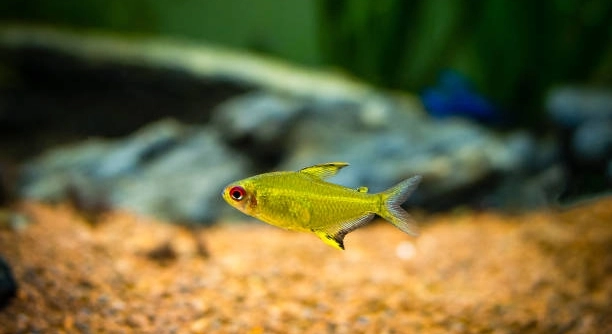
Do your lemon tetras seem picky about their water? Maintaining the right water quality is essential for their health and comfort. Observing their behavior can help you understand how to provide a suitable environment for them.
Lemon tetra water should taste neutral, free of strong chemicals or metallic flavors, and closely mimic their natural soft, slightly acidic habitat. Proper filtration, pH balance, and regular water changes ensure the water remains suitable for their wellbeing.
Knowing how to adjust their water conditions can make a significant difference in their overall health and activity levels. It is important to pay attention to these small details for thriving fish.
Understanding Lemon Tetra Water Preferences
Lemon tetras are small, delicate fish that respond strongly to the quality of their water. They thrive in soft, slightly acidic water that closely resembles their natural habitat. Chlorine, heavy metals, and extreme pH levels can cause stress and affect their overall health. Observing their behavior is key; lethargy, loss of color, or hiding often indicates water issues. Regular testing of pH, hardness, and chemical content is essential to maintain stable conditions. Filtration plays a critical role in keeping the water clean and removing harmful substances. Sudden changes in water temperature or composition can shock them, so adjustments should be gradual. Water taste, while not detectable in the human sense, affects their behavior and feeding patterns. Providing a stable, balanced aquatic environment encourages active swimming and proper social interactions. Natural plants and gentle aeration can further enhance comfort and support their wellbeing. Consistency and attention are crucial to keeping lemon tetras healthy and active.
Monitoring water regularly ensures their environment stays safe and stable, supporting both health and vitality in the tank.
Maintaining ideal water conditions requires understanding their natural preferences. Soft, slightly acidic water encourages natural behaviors, coloration, and appetite. Proper filtration, regular partial water changes, and avoiding harsh chemicals prevent stress. Avoid rapid fluctuations in temperature or pH, as these can harm the fish. Observing their activity and interactions helps detect early signs of discomfort or illness. Incorporating live plants or gentle aeration can improve oxygen levels and water quality. Balancing minerals and avoiding metal contamination are also essential. With consistent care, lemon tetras remain vibrant, active, and more likely to thrive, creating a visually pleasing and healthy aquarium environment.
Common Water Issues and Solutions
Poor water quality can stress lemon tetras, impacting health and behavior. Identifying and correcting issues promptly is essential to their wellbeing.
Ammonia and nitrite spikes are common problems that occur from overfeeding or insufficient filtration. Regular water changes, proper filtration, and monitoring chemical levels help prevent toxic buildup. Using a water conditioner neutralizes chlorine and heavy metals, making tap water safe. Avoid drastic changes in pH or hardness to minimize stress. Observing fish behavior can indicate water issues early, as signs like gasping or hiding often appear before serious problems develop. Introducing live plants can absorb excess nutrients, while maintaining a consistent feeding routine prevents uneaten food from polluting the tank. Testing kits are useful tools to track water quality accurately and ensure conditions remain stable. By addressing these factors, you create an environment that supports healthy growth, natural coloration, and active behavior. Regular care and attention make a significant difference in long-term health and reduce the likelihood of disease.
Adjusting pH and Hardness
Lemon tetras thrive in slightly acidic water with a pH around 5.5 to 7.0. Hardness should remain low to moderate. Small, gradual adjustments prevent stress and maintain stable conditions for healthy growth and behavior.
To adjust pH, use natural methods like driftwood, peat moss, or almond leaves. These slowly release tannins, lowering pH gently without shocking the fish. Avoid chemical pH changers unless necessary, as sudden shifts can harm delicate tetras. Monitor levels daily during adjustments and keep water testing kits on hand. Hardness can be managed by using reverse osmosis water or mixing tap water with distilled water to achieve the correct softness. Regular partial water changes support stability and prevent unexpected fluctuations that might affect their activity or appetite.
Maintaining proper hardness ensures that minerals like calcium and magnesium are at safe levels. Too hard water can lead to stress and reduced coloration, while too soft water may impair osmoregulation. Monitor GH and KH levels weekly and adjust slowly with mineral supplements if needed. Combining careful observation with gradual adjustments creates a stable, natural-feeling environment that allows lemon tetras to swim actively and maintain vibrant colors. A balanced approach ensures their long-term health and reduces susceptibility to disease.
Temperature Control and Stability
Ideal water temperature for lemon tetras ranges from 72°F to 78°F. Sudden changes can stress them, so maintaining consistency is crucial for their wellbeing.
Use a reliable heater and thermometer to ensure the tank remains within the optimal range. Avoid placing the aquarium near windows, vents, or drafts, as external temperature fluctuations can cause instability. Gradual adjustments are important if the water is too cold or too warm. Fluctuations may suppress appetite, reduce activity, and affect immune function. Monitoring daily and maintaining steady conditions encourages healthy behavior and natural swimming patterns.
Stability in temperature supports metabolism, digestion, and reproductive health. Even small, repeated shifts can lead to stress-related diseases and reduced lifespan. Using a thermostat with automatic regulation helps prevent accidental overheating or cooling. Pairing consistent temperature control with proper water quality, filtration, and regular maintenance ensures a supportive environment. Observing their response to temperature changes helps detect early signs of discomfort. By creating a stable aquatic setting, lemon tetras maintain vibrant coloration, proper energy levels, and strong resistance to illness, making temperature management a critical aspect of their care.
Feeding and Water Interaction
Lemon tetras’ feeding habits are influenced by water quality. Clean, stable water encourages regular eating, while poor conditions may cause stress and reduce appetite. Observing their behavior helps identify issues early.
Uneaten food can pollute the water quickly, increasing ammonia and nitrite levels. Feeding small amounts and removing leftovers helps maintain balance. Regular feeding schedules support consistent growth and coloration, while careful attention to water cleanliness ensures their habitat remains safe and comfortable.
Signs of Water Stress
Lemon tetras show stress through hiding, clamped fins, faded colors, or erratic swimming. Promptly addressing water quality helps restore their wellbeing.
Maintaining Consistent Filtration
A reliable filtration system keeps water free of toxins, waste, and debris. Proper circulation supports oxygen levels and prevents stagnation, which is essential for active and healthy fish.
Using Natural Additives
Adding natural elements like driftwood, leaves, or peat slowly adjusts pH and hardness. These supplements create a more stable, comfortable environment while mimicking their natural habitat.
FAQ
What happens if the water pH is too high or too low for lemon tetras?
When the water pH is outside the ideal range of 5.5 to 7.0, lemon tetras can become stressed. High pH can cause lethargy, loss of appetite, and reduced coloration, while low pH may affect their metabolism and immune system. Gradual adjustments with natural methods like driftwood or peat help avoid sudden shocks and maintain stability, supporting their health and natural behavior.
How often should I test the water for lemon tetras?
Testing water at least once a week is recommended. Regular checks for pH, hardness, ammonia, nitrite, and nitrate levels ensure early detection of potential problems. Daily observation of fish behavior also helps identify issues before they become serious. Consistent monitoring prevents stress and promotes long-term health.
Can lemon tetras tolerate tap water?
Tap water can be safe if treated with a water conditioner to remove chlorine and heavy metals. However, tap water hardness and pH must be adjusted to match their natural preferences. Mixing with distilled or reverse osmosis water may be necessary for optimal conditions.
How do temperature fluctuations affect lemon tetras?
Sudden changes in water temperature can stress lemon tetras, reducing appetite and weakening their immune system. Maintaining a stable range of 72°F to 78°F with a reliable heater and thermometer ensures consistent conditions. Avoid placing the tank near windows or vents to minimize external fluctuations.
What are signs of poor water quality in lemon tetras?
Signs include clamped fins, faded coloration, hiding, erratic swimming, and decreased appetite. Poor water quality often results from high ammonia, nitrite, or nitrate levels, inadequate filtration, or overfeeding. Prompt water testing and adjustments are necessary to prevent illness or long-term stress.
How can I safely adjust water hardness?
Use reverse osmosis water or mix tap water with distilled water to reduce hardness. If minerals are too low, small doses of calcium or magnesium supplements can help. Make changes gradually and monitor GH and KH levels weekly to avoid shocking the fish.
Do natural additives like driftwood affect lemon tetra health?
Yes, natural elements like driftwood, almond leaves, and peat can lower pH gently and release beneficial tannins. These additives create a more natural environment, supporting comfortable swimming, vibrant coloration, and healthy behavior. Monitor levels to avoid excessive acidity.
How important is filtration for lemon tetras?
Filtration is essential to remove toxins, debris, and excess food. Proper circulation ensures oxygenation and prevents stagnation, which can harm fish. Regular cleaning and maintenance of the filter keep the tank healthy and minimize stress-related problems.
Can lemon tetras live with other fish if the water isn’t ideal?
Poor water quality increases stress, making lemon tetras less tolerant of tankmates. Stable conditions reduce aggression and health issues. Only compatible species should be introduced, and regular monitoring is necessary to maintain a peaceful, balanced environment.
What should I do if ammonia or nitrite levels spike?
Perform immediate partial water changes and check the filtration system. Reduce feeding temporarily to prevent waste buildup. Test water daily until levels return to safe ranges. Maintaining regular water testing prevents future spikes and ensures a safe environment for lemon tetras.
How often should I perform water changes?
Weekly partial water changes of 20–30% help maintain clean, balanced water. Consistency prevents accumulation of toxins and supports stable pH and hardness. Pairing water changes with regular observation and testing ensures a safe, thriving habitat for lemon tetras.
Are live plants necessary for lemon tetra tanks?
While not required, live plants improve oxygen levels, absorb excess nutrients, and provide shelter. Plants contribute to a natural environment, support water stability, and encourage healthy, active behavior. They also enhance the visual appeal of the aquarium while promoting wellbeing.
How do I prevent sudden chemical changes in the tank?
Avoid abrupt adjustments in pH, hardness, or temperature. Make gradual changes, test water frequently, and use natural methods when possible. Consistency, careful observation, and slow interventions minimize stress and create a healthy environment for lemon tetras to thrive.
What is the best feeding routine to protect water quality?
Feed small amounts once or twice daily and remove uneaten food promptly. Overfeeding contributes to ammonia and nitrite spikes. A consistent routine supports growth, coloration, and overall health while maintaining a clean, safe habitat.
Maintaining the right water conditions for lemon tetras is crucial for their health and wellbeing. Their small size and delicate nature make them sensitive to changes in pH, hardness, temperature, and chemical composition. Consistent monitoring and careful adjustments create a stable environment where they can swim actively and display vibrant colors. Paying attention to their behavior, such as changes in appetite, activity level, or coloration, provides important clues about the state of their water. Regular testing of water parameters, including pH, GH, KH, ammonia, nitrite, and nitrate levels, is essential to detect problems early and prevent stress-related issues. By ensuring proper filtration and performing routine partial water changes, you can remove toxins and keep their habitat clean and comfortable. A stable, balanced environment supports their natural behavior and helps prevent illness, allowing lemon tetras to thrive over the long term.
Water temperature is another key factor that affects their overall health. Lemon tetras prefer water within a range of 72°F to 78°F, and sudden fluctuations can cause stress and reduce their immune response. Using a reliable heater and thermometer helps maintain consistent conditions. Avoid placing the tank near windows, vents, or areas where temperatures can change quickly. Even small shifts in temperature can impact their metabolism and activity, so gradual adjustments are always recommended. Providing stable temperature along with proper water chemistry creates an environment that mimics their natural habitat, which is essential for supporting their wellbeing. Incorporating natural elements such as live plants, driftwood, or leaves can enhance water quality and stability while offering shelter and comfort. These elements help replicate aspects of their natural environment, encouraging natural behavior and reducing stress, which contributes to overall longevity and health.
Feeding habits also play a significant role in maintaining water quality and fish health. Overfeeding can lead to uneaten food decomposing in the tank, increasing ammonia and nitrite levels. Feeding small portions once or twice a day and promptly removing leftovers helps prevent this issue. Maintaining a consistent feeding routine supports proper growth, vibrant coloration, and active behavior. Observing how lemon tetras respond to food can also provide insight into their comfort level and the quality of their water. Clean, well-maintained water allows them to feed without stress, swim freely, and interact naturally with tankmates. Combining careful water management, stable temperature, proper feeding, and natural additives ensures a safe and supportive environment. Attending to these details consistently allows lemon tetras to thrive, maintaining both their health and the overall balance of the aquarium ecosystem.

Hello,
If you enjoy the content that we create, please consider saying a "Thank You!" by leaving a tip.
Every little bit helps us continue crafting quality advice that supports the health, happiness, and well-being of pets around the world, for pets of all shapes, sizes, and species.
We really appreciate the kindness and support that you show us!