
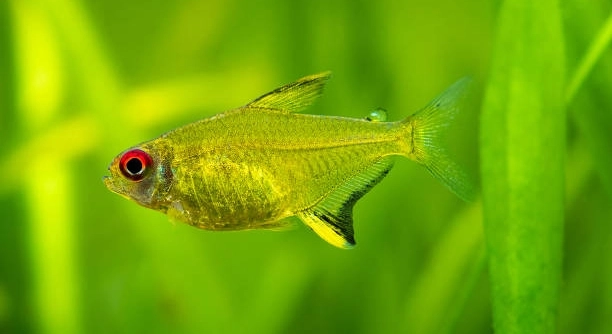
Lemon tetras are small, bright fish that bring life to any aquarium. Watching them swim gracefully can be relaxing, but sometimes subtle changes in behavior hint at stress or mistreatment from tank mates.
Signs of bullying in lemon tetras include constant chasing, fin nipping, hiding, or reluctance to eat. Observing social interactions closely and noting changes in swimming patterns can help identify which fish may be aggressive or causing harm.
Recognizing these warning signs early can improve your fish’s well-being and create a more peaceful aquarium environment for everyone.
Recognizing Aggressive Behavior
Aggressive behavior in lemon tetras can be subtle at first. You might notice a fish being chased repeatedly or pushed away from food. Some tetras nip at fins, leaving small tears or ragged edges. A bullied fish often hides behind plants, decorations, or corners of the tank, avoiding open areas. Over time, these behaviors can cause stress, reduce appetite, and even affect overall health. It’s important to watch your fish closely during feeding and while swimming together. Patterns usually emerge after several observations, making it easier to identify the fish being targeted. Stress from bullying can also manifest as pale colors or unusual swimming movements. Tanks with insufficient space or overcrowding can increase aggression, so keeping a proper number of tetras in a well-planted environment is essential. Introducing new fish carefully and monitoring group dynamics helps reduce conflicts and keeps your lemon tetras calmer.
Observation over several days helps detect consistent bullying signs before damage worsens.
Keeping a detailed log of behaviors and tank conditions allows you to notice trends early. Adjusting tank layout, increasing hiding spots, or separating aggressive fish when necessary can restore balance. A healthy aquarium relies on observation, patience, and subtle changes to reduce stress and aggression among fish. Tracking how individuals respond to others and making minor environmental adjustments ensures all tetras have room to swim comfortably without constant harassment. Over time, this careful monitoring helps maintain their bright colors, active behavior, and overall well-being.
Environmental Factors
Tank size and decorations play a significant role in fish interactions.
A cramped tank often increases aggression, as fish compete for limited space and hiding spots. Lemon tetras feel safer with plants, rocks, or ornaments to break lines of sight, which reduces stress and potential bullying. Proper water quality also affects behavior; poor conditions can make fish irritable or lethargic. Regular water changes, balanced feeding, and adequate filtration help maintain a peaceful tank. Monitoring water parameters such as pH, temperature, and nitrate levels ensures the environment supports healthy social interactions. Overcrowding should be avoided because it can quickly escalate minor squabbles into persistent bullying. Adding more plants or rearranging decorations gives fish more territories and escape routes. Sometimes, separating a persistent aggressor temporarily allows the bullied fish to recover, regain confidence, and resume normal behavior. Careful observation combined with environmental adjustments creates a balanced and calmer aquarium, where lemon tetras can thrive together without ongoing harassment.
Health Signs of Bullying
Stress from bullying can weaken a lemon tetra’s immune system. Signs include faded colors, torn fins, loss of appetite, or unusual swimming patterns. Monitoring these indicators early helps prevent serious health issues and allows timely intervention to support the fish’s recovery.
Chronic bullying often results in visible physical damage. Fins may appear frayed, torn, or uneven. The fish might spend more time hiding or staying at the bottom of the tank, avoiding interactions with more aggressive tank mates. Appetite may decrease, leading to slower growth or weight loss. Stress can also make fish more vulnerable to diseases such as fin rot or fungal infections. Addressing aggression quickly and providing a calm environment is essential to maintain their health.
Bullying also affects social behavior. Lemon tetras naturally swim in groups, but a stressed fish may isolate itself or refuse to participate in group movement. Over time, this can disrupt the school’s cohesion, causing further stress for all tank inhabitants. Observing changes in both the bullied fish and the group helps in understanding social dynamics and implementing effective measures to reduce aggression and restore harmony.
Prevention and Intervention
Maintaining a well-planned tank layout reduces bullying incidents. Proper space, hiding spots, and plants help fish establish territories and feel secure.
Careful introduction of new fish is important. Adding multiple individuals at once can prevent one fish from becoming targeted. Maintaining stable water conditions and monitoring interactions helps prevent aggression from escalating. Rearranging decorations or adding plants provides escape routes and reduces stress. If bullying persists, temporarily separating the aggressive fish may be necessary. Adjusting feeding methods can also help, ensuring all fish receive sufficient food without competition. Regular observation ensures timely intervention.
Preventing bullying requires consistent attention and small adjustments. Overcrowding, limited hiding spaces, and poor water conditions increase aggression. Ensuring each fish has enough room and access to resources minimizes conflicts. Temporary separation or rearranging tank elements can stop harassment while preserving social structures. Encouraging natural schooling behavior and providing adequate enrichment fosters a peaceful environment. Observing fish interactions regularly allows early detection of stress or aggression, giving time to implement changes before long-term health issues develop. A proactive approach maintains both the well-being and activity levels of lemon tetras.
Observing Feeding Behavior
Bullying often becomes obvious during feeding times. Aggressive tetras may chase others away from food, leaving some fish unable to eat properly. Watching closely helps identify which fish are being excluded or stressed during meals.
Providing multiple feeding spots reduces competition. Scattering food across the tank ensures all fish have access and lowers tension among tank mates.
Social Dynamics
Lemon tetras are schooling fish that rely on group cohesion. A bullied fish may swim alone or at the edges of the school, showing signs of avoidance. Over time, isolation can disrupt normal schooling patterns and affect overall group behavior, making early observation crucial.
Behavioral Changes
Subtle behavioral shifts can indicate stress. Bullying may cause sudden hiding, rapid darting, or refusal to swim with the group. Observing these changes helps in taking timely measures to restore a calm environment.
Temporary Separation
Separating aggressive individuals temporarily can prevent further harm. This allows bullied fish to recover while maintaining overall tank harmony and reduces stress for everyone involved.
How can I tell if my lemon tetra is being bullied?
Signs of bullying include chasing, fin nipping, hiding, and loss of appetite. A bullied fish may swim alone or stay at the bottom of the tank. Colors can fade, fins may appear torn, and unusual swimming patterns often indicate stress. Observing interactions during feeding and group swimming helps identify which fish are being targeted.
What should I do if I notice bullying?
The first step is to reduce stress for the affected fish. Rearrange decorations or add plants to create hiding spots and escape routes. Scattering food across the tank ensures everyone can eat without competition. If aggression persists, consider temporarily separating the aggressive fish to restore balance. Regular monitoring helps prevent future incidents.
Can tank size affect bullying behavior?
Yes, overcrowded tanks increase competition and stress, which can trigger aggressive behavior. Providing enough space for each fish reduces conflicts. A larger tank with multiple hiding spots and swimming areas allows lemon tetras to establish territories safely, lowering the chances of constant chasing or fin nipping.
Are certain lemon tetras more aggressive than others?
Some individuals may naturally display dominant behavior, often chasing weaker or smaller fish. Aggression can also emerge from stress, poor water conditions, or overcrowding. Recognizing which fish show repeated aggressive behavior helps in deciding whether to separate them or adjust the tank environment.
How can I prevent bullying in the future?
Introduce new fish carefully, ideally in groups, to prevent one fish from being targeted. Maintain stable water conditions and adequate space for all fish. Adding plants, rocks, or other hiding spots allows fish to establish territories and reduces tension. Observing interactions regularly helps detect early signs of aggression.
Is bullying harmful to a lemon tetra’s health?
Yes, prolonged stress weakens the immune system, making fish prone to illness such as fin rot or fungal infections. Loss of appetite and poor swimming behavior can affect growth and overall well-being. Prompt intervention is essential to prevent serious health issues and maintain a peaceful tank.
How can I improve social harmony in my tank?
Provide multiple feeding points and hiding areas to reduce competition. Maintain a balanced school size to encourage natural group behavior. Rearranging tank decorations occasionally prevents fish from establishing overly dominant territories. A stable environment and consistent observation foster calm interactions among lemon tetras.
When should I consider separating fish permanently?
If an individual continues to harass others despite environmental adjustments, permanent separation may be necessary. This prevents ongoing stress and physical harm, allowing bullied fish to recover fully. Temporary or permanent separation can maintain overall tank balance while keeping all fish safe and healthy.
Can changing tank decorations help reduce bullying?
Yes, rearranging decorations breaks established territories and provides escape routes. Adding plants or rocks gives shy fish areas to hide and reduces direct confrontations. Minor changes in layout can quickly improve social interactions and reduce stress for both aggressive and passive fish.
Does diet affect aggression in lemon tetras?
Competition over food can trigger bullying. Providing enough food and distributing it evenly helps prevent aggressive behavior. Using sinking pellets or scattering flakes across the tank ensures all fish have access to nutrition without constant chasing or fighting.
How long does it take for bullied fish to recover?
Recovery depends on the severity of stress and physical damage. With proper care, hiding spots, and a calm environment, fish often regain appetite, colors, and normal swimming behavior within a few days to a couple of weeks. Continuous observation ensures full recovery.
Are lemon tetras naturally peaceful fish?
Generally, yes. Lemon tetras are schooling fish and prefer harmony within the group. However, environmental stress, overcrowding, or poor tank management can lead to temporary aggression. Ensuring adequate space, hiding areas, and proper tank conditions supports their natural peaceful behavior.
What role does water quality play in aggression?
Poor water conditions increase stress, which can lead to aggressive behavior. Maintaining proper temperature, pH, and low nitrate levels helps keep fish calm. Regular water changes and filtration support healthy interactions and reduce the likelihood of bullying in the tank.
Can adding more fish help reduce bullying?
Adding more fish can sometimes disperse aggression, especially if done carefully in small groups. It prevents a single fish from being isolated or targeted. However, overcrowding must be avoided, as too many fish in a limited space can increase stress and trigger new conflicts.
How do I monitor my fish effectively for bullying?
Observe during feeding and normal swimming, noting changes in behavior, hiding, or isolation. Keep a simple log of aggressive interactions and physical signs like torn fins. Regular, consistent observation helps identify patterns early, allowing timely interventions to maintain a peaceful tank.
Final Thoughts
Watching lemon tetras swim gracefully in a tank can be very calming. Their bright yellow color and active schooling behavior make them a joy to care for. However, like all fish, they are sensitive to their environment and social interactions. Bullying can occur even in tanks that appear peaceful, and the effects can be subtle at first. A fish that is chased, nipped, or left out during feeding may show signs of stress without immediately appearing sick. Over time, this stress can lead to faded colors, torn fins, loss of appetite, and even vulnerability to disease. Observing daily interactions and keeping an eye on the overall health of each fish helps catch problems before they become serious. It also allows you to make adjustments to the tank setup, feeding routines, or the number of fish to create a calmer and healthier environment. Simple changes, like adding plants, decorations, or hiding spots, can make a big difference in reducing stress and aggressive behavior.
Lemon tetras are social fish that thrive in groups, and understanding their behavior is key to maintaining harmony. When a fish is consistently isolated or bullied, it affects both the individual and the group. Bullied fish may stop schooling properly, swim erratically, or remain in corners of the tank. This can disrupt the natural behavior of the other tetras and create ongoing stress for everyone in the tank. Environmental factors like tank size, water quality, and available hiding spaces play a significant role in preventing aggression. Overcrowding or poor water conditions can increase competition and trigger fighting. Providing adequate space, regular water maintenance, and a balanced feeding routine ensures that all fish have enough resources and reduces tension. Paying attention to small details like fin health, coloration, and swimming patterns helps you notice early warning signs. Addressing issues quickly, whether by rearranging decorations, adding hiding spots, or separating aggressive fish temporarily, allows bullied fish to recover and restores balance to the tank.
Maintaining a healthy and peaceful tank requires patience and observation, but the rewards are worth it. Lemon tetras that are not stressed display brighter colors, swim actively in groups, and feed well. Ensuring a safe and calm environment supports their natural behavior and overall well-being. Monitoring interactions, adjusting tank elements, and providing multiple feeding spots help reduce aggression and bullying. It is important to remember that small, consistent efforts make a big difference. Recovery for stressed fish may take time, but with careful attention, they can regain their health and confidence. Taking steps to prevent bullying benefits all the fish in the tank, creating a harmonious space where everyone can thrive. Observing behavior, maintaining water quality, and making thoughtful adjustments ensures that lemon tetras remain active, healthy, and happy, allowing you to enjoy the beauty and calm of a well-maintained aquarium.

Hello,
If you enjoy the content that we create, please consider saying a "Thank You!" by leaving a tip.
Every little bit helps us continue crafting quality advice that supports the health, happiness, and well-being of pets around the world, for pets of all shapes, sizes, and species.
We really appreciate the kindness and support that you show us!