
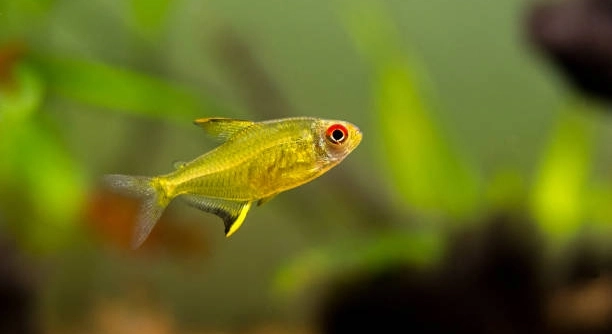
Have you ever observed your lemon tetra and wondered if its fins show the healthy appearance expected from a calm aquarium, helping you understand what is normal for this peaceful little fish in its behavior.
The fins of a healthy lemon tetra should appear smooth, symmetrical, and translucent with a gentle yellow tint, free from fraying, discoloration, or spots. Consistent shape and clarity across all fins indicate proper care, stable water conditions, and strong health.
Learning about their natural fin appearance offers helpful insight that supports better care and brings ease to your aquarium routine.
Identifying Healthy Fin Traits
Healthy lemon tetra fins offer clear indicators that help you understand the condition of your fish, and noticing their details can support your daily care routine. Their fins should look smooth with a subtle yellow sheen that matches their gentle nature. When I observe mine, I pay close attention to the edges since torn or rough sections usually signal stress or irritation from tank mates or environmental factors. A steady shape that holds its form while the fish swims reflects proper muscle tone and comfort. Their dorsal, anal, and tail fins should move in a relaxed rhythm that looks natural rather than stiff or strained. Subtle transparency is also important since it shows good hydration and balance in the water. When these traits appear consistently, you can feel confident that your tetra is stable, active, and benefiting from a calm aquarium that supports healthy development every day in your care.
Watching them glide with steady, even fins offers reassurance that their environment is supporting their needs without unnecessary pressure. A consistent appearance helps you notice changes early, allowing you to respond before issues grow and affect their comfort and keep their fins looking clear each day.
Healthy fins also reflect the overall balance of the tank, making it easier to adjust small details before they affect your lemon tetra. Stable water quality plays a major role in keeping their fins smooth and clear, and gentle filtration helps reduce stress that could harm their appearance. When feeding, choosing clean foods and avoiding excess leftovers prevents debris from irritating delicate fin tissue. Calm tank mates also matter since nipping or rough chasing can quickly damage edges. By observing small shifts in color or shape, you can address concerns early and maintain a comfortable environment that supports your fish.
Common Fin Issues to Watch
Minor changes in fin texture or color can signal early issues that deserve attention, especially when the tank has recently shifted in temperature or cleanliness. Quick action helps your lemon tetra stay stable, preventing irritation that could spread or worsen over time and keep their fins looking clear each day.
Several conditions can affect lemon tetra fins, and recognizing them early helps protect their comfort and stability. Fin rot is one of the most common concerns and often appears as frayed edges or fading color that progresses slowly if the water is not maintained well. Improving cleanliness and adjusting filtration usually helps slow the damage. Nipping from tank mates is another issue that can create sharp tears, especially in smaller groups where the fish feel insecure. Adding more members to the school and choosing peaceful companions reduces this stress. Rough decorations can also scrape delicate fins, so selecting smooth ornaments keeps them safe. Sudden shifts in temperature or pH may cause the fins to clamp tightly against the body, showing discomfort linked to unstable conditions. Consistent testing allows you to notice these changes before they impact your tetra further. Parasites sometimes attach to the fins and create tiny spots or patches that interrupt normal movement. Treating the tank with safe medication and improving hygiene supports recovery. Careful observation helps you detect subtle signs early, allowing you to adjust the tank without delay. A stable environment and calm routine keep their fins strong, clear, and steady each day in their habitat.
Supporting Fin Health Through Environment
A stable aquarium supports smooth, clear fins, and keeping things consistent helps your lemon tetra stay comfortable. Clean water, steady temperature, and gentle filtration reduce stress, allowing their fins to maintain natural movement and color without interruptions that could affect their appearance or overall stability.
Maintaining strong fin health starts with frequent monitoring of water parameters. I always keep ammonia and nitrite at zero and maintain low nitrate levels to prevent irritation. Soft to moderately hard water works well, and a gentle current keeps debris from settling on delicate fin tissue. Regular water changes remove buildup that could dull or damage their fins. Smooth decorations prevent accidental scrapes, and dense plants create shelter that eases stress. Keeping them in a peaceful group helps distribute attention and reduces nipping. A calm environment encourages natural swimming patterns, which support proper fin shape and overall comfort.
Food also plays a valuable role in supporting healthy fins. I offer a varied diet of high quality flakes, micro pellets, and small frozen options that keep their immune system strong. Overfeeding can cloud the water, so I only give what they finish quickly. Clean feeding routines prevent bacteria from developing, which protects fin edges from gradual damage. When their meals are balanced and their tank remains clean, their fins stay smooth, translucent, and steady. Regular observation helps you identify early changes, making it easier to keep their appearance consistent each day.
Behavioral Signs Connected to Fin Appearance
Subtle changes in behavior often appear before the fins show visible issues. Slower swimming, clamped fins, or avoiding tank mates can signal discomfort linked to shifts in water conditions, diet, or group dynamics that influence their overall well being and daily stability in the aquarium.
Clear behavioral signals can help you understand how your lemon tetra feels before physical damage develops. When they swim with relaxed, steady motions, their fins stay extended and balanced, showing confidence in their environment. If they begin hiding more often, lingering near the bottom, or clamping their fins, it usually reflects stress that needs attention. Schooling behavior also matters since drifting away from the group may indicate discomfort that can lead to fin issues. Sometimes rapid darting or sudden stops appear when temperature or pH shifts quickly. Paying attention to these patterns helps you act early by adjusting water quality, reviewing tank mate compatibility, or improving feeding routines. Monitoring these subtle cues supports a stable routine that protects their fins and overall comfort.
Factors That Influence Fin Color
Fin color changes often reflect the conditions your lemon tetra experiences each day. Soft lighting, calm surroundings, and steady water parameters help their natural yellow tint stay clear and even, giving you an easy way to notice early shifts that may need attention.
Diet also affects how their fins look. When I offer nutrient rich foods, their color becomes brighter and more consistent. Poor nutrition can make the yellow fade, so keeping meals balanced supports stable pigmentation. Clear water and low stress keep this color steady.
How Water Quality Affects Fin Texture
Fin texture shifts quickly when water quality declines, so keeping parameters stable protects their delicate structure. High ammonia or nitrite levels can cause fraying, while elevated nitrates often make fins appear dull or limp. Regular testing and steady maintenance routines prevent these issues from developing. I rely on consistent weekly water changes to remove buildup that could irritate their fins. Adequate filtration helps keep particles from settling on delicate edges, and avoiding sudden temperature changes prevents clamping. When their environment remains balanced, their fins stay smooth, strong, and naturally flexible.
When Fin Appearance Signals Stress
Subtle fin changes often highlight early stress, especially when clamping, fading color, or slight fraying starts to appear. Noticing these signs helps you adjust water conditions, review tank dynamics, or improve feeding habits before discomfort affects their overall well being.
FAQ
What does a healthy lemon tetra fin look like?
A healthy fin should look smooth, clear, and lightly tinted with yellow. I always look for steady edges that hold their shape as the fish swims. The fin should not curl inward or appear stiff. When the color is even and the structure stays consistent, it usually reflects strong health and a stable environment. Subtle transparency is normal, and gentle movement shows the fish feels comfortable. When these traits appear every day, it becomes easier to notice changes that might signal stress, irritation, or a shift in the tank.
Why do lemon tetra fins sometimes look pale or washed out?
Pale fins often appear when the fish experiences stress or when the water parameters fall outside their comfort range. Low quality food can also cause pigments to fade. When I keep the temperature stable and choose nutrient rich meals, the yellow tint stays more vibrant. Dim lighting and calm surroundings help the color show clearly, while sudden changes in the tank can make the tint fade temporarily. Once things stabilize, the color usually returns on its own.
What causes frayed or torn fins?
Fraying often comes from rough tank mates or decorations with sharp edges. Poor water quality can weaken the tissue and make it easier for fins to tear. When I keep the tank clean and choose peaceful companions, the fins stay smooth. If the fraying comes from bacteria, improving hygiene and treating the tank helps the fins recover. Catching the issue early prevents long term damage and keeps the fish comfortable.
Can lemon tetra fins grow back after damage?
Yes, fins can regrow if the damage is not severe and the environment stays supportive. Clean water and low stress help the tissue heal. When I notice small tears, I improve water changes and remove anything sharp that might cause further harm. Soft lighting and gentle filtration keep the fish calm during healing. Regrowth usually appears as a thin, clear edge that becomes stronger over time. Good nutrition helps the tissue repair more effectively.
Why do lemon tetras clamp their fins?
Clamped fins often signal discomfort linked to poor water quality, sudden temperature changes, or strong currents. I always check the parameters when I see clamping because it usually reflects something that the fish finds stressful. Even mild irritation can cause them to pull the fins in tightly. Once conditions stabilize, the fins usually open again and move naturally. If clamping continues, reviewing tank mates, feeding habits, and overall setup helps identify the cause.
How do tank mates affect fin appearance?
Lemon tetras feel safest in peaceful groups, so nippy or fast moving species can create stress or direct damage. I prefer keeping them with calm fish that share similar behavior and do not chase or nip. When the group dynamic is calm, the fins remain steady and relaxed. If the fish start avoiding others or show small tears, it may be time to adjust companions. A peaceful community helps keep their fins smooth and evenly shaped.
Does diet impact fin health?
Diet plays a major role. When I offer varied, nutrient dense foods, the fins stay strong, flexible, and clear. Poor diets weaken the tissue, making it more vulnerable to fraying or fading. Clean feeding habits prevent leftover debris from irritating the fins. Balanced meals support pigment, structure, and overall comfort.
How does water movement influence fin appearance?
A gentle current supports natural swimming patterns. Strong currents force the fish to work harder, which can strain the fins and affect their appearance. I use soft filtration to keep movement comfortable while still maintaining water clarity. When the current stays mild, the fins look smoother and less stressed.
Final Thoughts
Caring for lemon tetra fins becomes much easier once you understand how their appearance reflects the environment they live in each day. Clear, smooth, and steady fins usually show that the tank is balanced and the fish feel safe. When I watch mine, I notice how their gentle movements and clean edges give me an immediate sense of how well they are adapting to their surroundings. Fins that remain open and quietly flowing with the water often signal that the fish is relaxed and content. Paying attention to these small details helps you catch early signs of stress before they develop into bigger issues. Even simple shifts, like slight fading or soft clamping, can guide you toward what the tank may need, whether it is better water quality, calmer lighting, or adjustments to feeding routines. Understanding these signals allows you to create an aquarium that supports long term comfort.
Healthy fins also come from consistent care, and building a routine helps everything fall into place. I have found that steady maintenance, calm tank conditions, and a varied diet work together to protect fin texture and color. When water changes happen regularly, debris does not have the chance to irritate the thin fin tissue. Smooth decorations and well chosen tank mates prevent accidental tearing or stressful interactions that could harm delicate edges. A peaceful group dynamic plays a bigger role than many people realize, as school oriented fish like lemon tetras rely on harmony within their group. Watching their behavior adds another layer of understanding, since their swimming patterns often shift before visible fin damage appears. These small observations help you act early, ensuring the fish stay comfortable and stable in their environment.
Supporting fin health is not difficult when you stay aware of the subtle ways your lemon tetra communicates through movement, color, and behavior. These cues help you understand when the environment feels right and when something needs attention. Clean water, balanced feeding, calm lighting, and steady conditions form the foundation of their well being. Over time, you become familiar with what looks normal for your fish, so even slight changes stand out. This awareness makes it easier to respond with gentle adjustments that bring the tank back into balance. With consistent care and a calm routine, your lemon tetra can maintain smooth, strong, and naturally colored fins that reflect a stable and supportive habitat.

Hello,
If you enjoy the content that we create, please consider saying a "Thank You!" by leaving a tip.
Every little bit helps us continue crafting quality advice that supports the health, happiness, and well-being of pets around the world, for pets of all shapes, sizes, and species.
We really appreciate the kindness and support that you show us!