
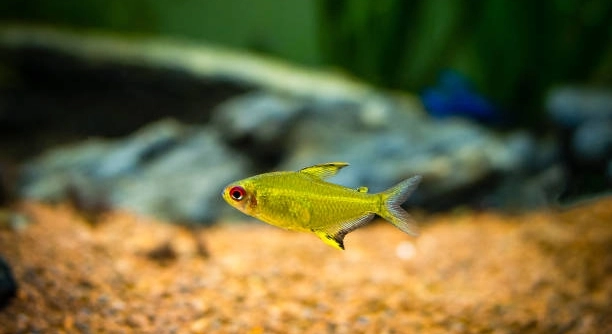
Living with lemon tetra can show how these tiny fish react to shifting conditions, offering gentle signs of resilience in daily care routines. Their behavior helps you notice subtle changes that reflect their overall comfort.
Lemon tetra manage stressful environments by relying on stable water parameters, consistent social groups, and hiding spaces that minimize physiological strain. Their coping capacity depends on maintaining balanced conditions that reduce sudden changes and support behaviors for long term health.
Understanding their responses reveals how simple adjustments support stability and comfort, creating a path for healthier behavior in everyday conditions.
Common Stress Triggers
Understanding the elements that create stress for lemon tetra helps you respond with steady care that keeps them comfortable in their tank. Sudden water changes, loud movements near the glass, or inconsistent lighting can unsettle them quickly, especially when they rely on predictable patterns each day. Poor water quality adds another layer of tension that affects how they swim, eat, and interact with their group. When these conditions combine, the fish may retreat, lose color, or display jittery motions that signal discomfort. Paying attention to these small clues allows you to adjust your routine before their stress deepens. Stable surroundings encourage smoother behavior and keep their energy balanced as they navigate their environment without constant disruption. With gentle maintenance and consistent habits, you create a space that supports their stability over time, allowing them to move freely and display their natural rhythms without unnecessary strain in their peaceful aquatic setting.
Lemon tetra react quickly to unstable surroundings, so keeping their environment predictable helps them stay calm. Clean water, low noise, and steady lighting reduce tension that might disrupt their behavior. By watching their movements closely, you can adjust conditions early to maintain a stable and comfortable space for your fish.
Creating a supportive environment for lemon tetra becomes easier when you notice the subtle cues that signal discomfort. Soft movements, fading color, or hesitant swimming patterns often appear when their surroundings shift in ways they cannot handle smoothly. Regular checks of water quality, lighting, and tank placement give you a clear idea of what needs attention. Offering plants, hiding spots, and gentle filtration helps them feel secure and balanced. When these elements remain steady, the fish settle into calmer routines that reflect stable health. Your awareness shapes a space that encourages consistent behavior and lowers the strain they may experience.
Supporting Healthy Behavior
Lemon tetra respond well to consistent care that keeps their environment stable and predictable. Clean water, balanced feeding, and calm surroundings help them maintain steady behavior. By observing their patterns daily, you can make small adjustments that support their comfort and prevent stress from building over time in their tank.
Maintaining the long term stability of lemon tetra requires steady attention to the conditions that shape their daily experiences. These small fish depend on predictable patterns that reduce unnecessary tension, making every environmental detail important. Clean water kept within appropriate parameters supports their physical balance, while gentle filtration keeps the flow manageable so they do not struggle during regular swimming. Plants, driftwood, and shaded areas give them places to retreat when they feel overwhelmed, allowing them to regain a sense of safety without disruption. A peaceful setting encourages natural schooling behavior that helps them regulate stress levels through group comfort. Thoughtful feeding routines also play a key role, since overfeeding can quickly disturb water quality and create discomfort that spreads through the entire group. Consistent lighting cycles prevent sudden brightness changes that might startle them or interrupt their rhythm. Taking time to observe their movements each day shows you how they respond to these conditions and reveals patterns that indicate when adjustments are needed. When their environment stays steady, lemon tetra show brighter colors, smoother motions, and more confident swimming. By maintaining these simple habits, you create a supportive space that allows them to thrive without facing constant stress, comfort.
Behavioral Signs of Stress
Lemon tetra show clear signals when their environment becomes uncomfortable. Fading color, jittery movement, hiding for long periods, and sudden darting often appear when tension rises. These signs help you adjust conditions early so the fish can settle back into calmer habits.
Noticing these behaviors helps you understand what is happening in their surroundings and how it affects them. When color dims, it often means their energy is shifting toward coping instead of thriving. Erratic movement or quick retreat into plants signals that something in the tank feels unsettling. Even small changes in water parameters or lighting can trigger these reactions. By watching their swimming patterns, feeding responses, and interactions with the group, you gain a clear sense of what needs attention. Soft lighting, balanced water quality, and a steady routine help them recover. With consistent care, their behavior slowly returns to smoother, more confident patterns.
Extended stress becomes more visible when the fish remain withdrawn for long periods, separating themselves from the group instead of schooling naturally. This shift often appears when water quality drops or when tank surroundings become unpredictable. Reduced appetite may follow, showing that the stress is affecting both comfort and overall health. Slow, cautious movement also signals that something in the environment feels unstable. Offering calm surroundings, clean water, and plenty of hiding areas helps them regain balance. Once conditions stabilize, they usually rejoin the group and move with more fluid patterns, showing that the stress is lifting and their comfort is returning.
Environmental Adjustments That Work
Small changes to their surroundings can make a noticeable difference in how lemon tetra handle stress. Keeping the tank clean, reducing sudden noises, and maintaining soft lighting create a steady space that supports calmer behavior. Each adjustment helps reduce tension and allows the fish to move comfortably.
Lemon tetra rely on predictable conditions, so maintaining a stable environment is essential for their well being. Regular water changes prevent harmful shifts that may overwhelm them, while gentle filtration keeps the flow easy for their size. Live plants create shade and safe areas where they can retreat when they feel unsettled. Avoiding sudden changes in lighting or tank placement prevents startle reactions that can build into lingering stress. Balanced feeding keeps the water cleaner and prevents discomfort that may arise from leftover food. Observing their daily patterns helps you spot small changes early, allowing you to make quick corrections. With steady routines and mindful care, their behavior becomes smoother and their colors brighter as they settle into a more comfortable and stable environment.
Managing Group Dynamics
Lemon tetra rely on stable social groups to feel secure, so keeping them in appropriate numbers helps reduce stress. When they school smoothly, their movements stay calm and organized, showing that they feel comfortable in their surroundings and supported by the group’s presence.
A disrupted group often leads to restless movement, scattered swimming, and tension among the fish. Maintaining a balanced number prevents isolation and lowers the chance of dominant behavior. When the group feels steady, their interactions become softer, and the overall tank environment stays more relaxed and predictable for them.
Feeding Practices That Support Stability
Feeding routines play a large role in their comfort each day. Offering small portions at consistent times keeps them from feeling overwhelmed by sudden changes or leftover food. Uneaten food can quickly disturb water quality, so staying mindful of the amount helps prevent stress from building. A simple routine encourages calm behavior and reduces unnecessary tension. When feeding stays predictable, the fish move with smoother patterns and show more confidence in their space.
Temperature Control
Keeping the water within a steady temperature range helps lemon tetra feel secure. Sudden fluctuations create discomfort that shows up in their behavior. Careful monitoring and gentle adjustments help maintain stability, allowing them to stay relaxed and comfortable in their environment.
FAQ
How can I tell if my lemon tetra is stressed?
Stress in lemon tetra is usually shown through changes in behavior and appearance. Common signs include fading or dull colors, erratic swimming, hiding more than usual, or losing interest in food. They may dart suddenly across the tank or separate from the group. Observing these subtle cues daily allows you to notice tension before it becomes serious. Paying attention to their schooling behavior is important, as they naturally swim together, and any disruption can indicate discomfort.
What are the main causes of stress in lemon tetra?
Several environmental factors can create stress. Sudden changes in water temperature, poor water quality, aggressive tank mates, or a lack of hiding spots can all make them uneasy. Even frequent movement around the tank or sudden lighting changes can trigger tension. Their small size and delicate nature mean they rely heavily on a stable, predictable environment. Keeping the tank conditions consistent, including pH, temperature, and filtration, is essential to prevent prolonged stress that can affect their health.
How often should I check water parameters?
Regular monitoring of water quality is crucial. Testing pH, ammonia, nitrite, nitrate, and temperature at least once a week helps ensure the environment remains safe. Sudden spikes in ammonia or nitrite are particularly harmful, as they can directly stress the fish and cause long-term health problems. Small, consistent water changes help maintain balance. Observing clarity and smell can also provide quick clues; cloudy or foul-smelling water is a sign that something may need attention. Stability in water conditions directly supports calm and natural behavior.
Can tank decorations help reduce stress?
Yes, providing plants, rocks, or driftwood creates safe spaces for lemon tetra to retreat when they feel uneasy. Hiding spots reduce tension and allow the fish to regulate their exposure to the environment. Dense plant coverage can mimic their natural habitat, giving them comfort and security. Overcrowding the tank with decorations, however, can restrict movement, so it’s important to balance hiding spaces with enough open water for schooling. Observing how they interact with these areas shows whether the layout supports or hinders their well-being.
Does the number of fish in the tank matter?
Absolutely. Lemon tetra are schooling fish, so keeping them in groups of at least six helps them feel secure. Too few fish can lead to isolation and stress, while overcrowding can increase competition and tension. A stable group encourages synchronized swimming, reducing erratic behavior and promoting overall calm. Watch how they interact: if a fish frequently isolates itself or shows aggression, adjustments to the group size or tank layout may be needed. Maintaining an appropriate school size is one of the simplest ways to reduce stress.
How important is feeding routine?
Consistent feeding schedules are key. Feeding small amounts at the same times each day prevents overeating and water quality problems. Leftover food can decay and increase stress by altering water chemistry. Using high-quality flakes or micro-pellets that sink slowly allows all fish to feed without competition, reducing tension. Observing how quickly they eat and whether some fish are avoiding food can reveal stress or hierarchy issues in the tank. A simple, predictable feeding routine keeps them active and confident.
Can sudden changes in lighting cause stress?
Yes, lemon tetra respond strongly to lighting changes. Bright or fluctuating light can startle them, causing erratic swimming or hiding. A regular day-night cycle with soft transitions helps them adjust naturally. Using timers for lights ensures consistency, preventing unexpected shifts that might trigger tension. Dimmer areas or plants provide places to escape bright light, which supports calmer behavior. Monitoring their response to lighting can reveal whether adjustments are needed to maintain a stress-free environment.
Is temperature fluctuation a serious concern?
Temperature stability is critical. Sudden drops or rises can stress their metabolism and immune system, making them more susceptible to disease. Maintaining a steady range around 24–27°C (75–80°F) supports their comfort and natural behavior. Using a reliable heater and thermometer helps prevent rapid shifts. Even small fluctuations can affect schooling, feeding, and coloration. Gradual adjustments are essential when changes are necessary, ensuring the fish remain calm and healthy throughout transitions.
How long does it take for stressed lemon tetra to recover?
Recovery depends on the severity of stress and the measures taken. Minor stress from temporary changes may resolve within a few days once conditions stabilize. Prolonged stress requires consistent care over weeks, including clean water, steady feeding, safe hiding spots, and stable temperature. Patience is key, as fish gradually regain normal behavior, color, and appetite. Monitoring daily helps you see progress and prevent recurring issues. Proper care supports long-term health and reduces the likelihood of repeated stress episodes.
Can stress affect breeding behavior?
Yes, stress can suppress spawning and reduce egg viability. Lemon tetra need calm, stable environments with clean water and plenty of hiding places to breed successfully. Disturbances or high tension in the tank can delay or prevent breeding. Keeping a consistent routine and observing subtle behavioral cues ensures they remain comfortable enough to reproduce naturally. Reducing stress in the tank not only supports health but also encourages normal reproductive behavior over time.
Lemon tetra are delicate fish that thrive in stable, predictable environments. Their small size and sensitive nature make them more prone to stress than some other freshwater species, so creating a calm habitat is essential. Consistent water quality, proper temperature, and a balanced feeding routine are the foundation for keeping them comfortable. Observing their daily behavior allows you to notice small changes early, such as fading color, hiding, or erratic swimming. These signals are not just minor inconveniences; they indicate that the fish are experiencing tension that could affect their overall health. By paying attention to these signs, you can make timely adjustments to their environment, preventing stress from escalating into more serious issues. Simple steps like gentle filtration, plants for hiding, and a consistent lighting schedule can significantly improve their comfort and stability, helping them display their natural behaviors and bright colors.
Social dynamics also play a major role in their stress levels. Lemon tetra are schooling fish, so they rely on a group to feel secure. Keeping them in appropriate numbers allows them to move together smoothly, which helps reduce tension and supports calmer behavior. Too few fish can lead to isolation and anxiety, while too many can cause competition and conflict. Watching how the group interacts is essential. When a fish frequently isolates itself or shows unusual aggression, it is a sign that adjustments may be needed, either to the group size or the tank layout. Providing open spaces for swimming alongside hiding spots for retreat allows them to regulate their exposure to the environment. Plants, driftwood, and soft substrate give them options for comfort and security, while maintaining enough open water ensures natural schooling behavior can continue without restriction. Attention to these details fosters a supportive space that reduces stress and encourages confidence among the fish.
Maintaining calm surroundings, consistent routines, and careful observation over time ensures that lemon tetra remain healthy and active. Even minor stressors can accumulate if left unaddressed, so regular monitoring of water quality, feeding, and group behavior is important. Sudden changes, whether in temperature, lighting, or tank arrangement, should be avoided, as they can trigger immediate tension and disrupt established patterns. Recovery from stress is gradual, and patience is necessary to allow fish to regain normal color, appetite, and movement. Over time, with consistent care and attention, lemon tetra settle into their environment, showing smoother swimming, brighter colors, and a more confident presence in the tank. Supporting their physical and behavioral needs through steady practices creates an environment where they can thrive long-term. Simple, thoughtful care not only reduces stress but also strengthens their natural resilience, allowing them to respond better to occasional changes while maintaining overall well-being.

Hello,
If you enjoy the content that we create, please consider saying a "Thank You!" by leaving a tip.
Every little bit helps us continue crafting quality advice that supports the health, happiness, and well-being of pets around the world, for pets of all shapes, sizes, and species.
We really appreciate the kindness and support that you show us!