
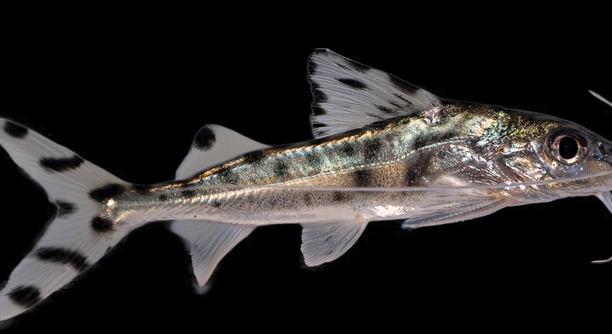
Have you ever set up an aquarium and felt unsure about getting the water conditions just right for your fish? Ensuring the proper environment is essential for the health and happiness of your aquatic pets, especially delicate species.
The ideal pH range for Pictus Catfish is between 6.5 and 7.5. Maintaining stable water conditions within this slightly acidic to neutral range supports their immune system, reduces stress, and helps them thrive in a home aquarium.
Creating the right water conditions is just the beginning, and there’s more to learn about keeping these energetic bottom-dwellers healthy and active.
Why pH Matters for Pictus Catfish
Pictus Catfish are sensitive to water conditions, and pH plays a key role in their well-being. A stable pH between 6.5 and 7.5 helps support their natural biological functions and reduces the chance of stress-related illnesses. Sudden shifts in pH can lead to behavioral changes, poor appetite, and even death in severe cases. This is why regular water testing is necessary, especially when introducing new tank mates or adjusting filtration systems. Maintaining consistent water quality allows them to stay active and display their typical lively behavior. Along with proper pH, factors like temperature, ammonia levels, and tank cleanliness all work together to create a stable home. If one element is off, it can easily affect the rest. Understanding how each of these pieces connects helps prevent problems before they start. For anyone keeping Pictus Catfish, monitoring pH is one of the simplest and most effective ways to support their health.
A stable pH supports healthy gill function, efficient oxygen exchange, and proper waste removal for your Pictus Catfish.
Using a good quality test kit at least once a week will help you keep track of your tank’s pH. When necessary, make gentle changes using products like pH buffers or natural driftwood. Avoid sharp adjustments, as they can shock the fish. If your tap water is naturally outside the preferred range, consider using reverse osmosis water to help regulate the pH more precisely. Some aquarium substrates can also influence pH, so it’s worth checking if your setup is contributing to any changes. Keep in mind that consistency matters more than aiming for a perfect number. When your fish are active, eating well, and showing no signs of stress, your pH is likely right where it should be. Routine maintenance like partial water changes, filter upkeep, and avoiding overfeeding will also help you maintain a balanced environment over time.
What to Do If Your pH Is Off
Sudden changes in behavior, such as hiding more than usual or refusing food, could point to a shift in pH levels.
If your tank’s pH is too high or too low, start by confirming the reading with a reliable test kit. Once you’ve verified the issue, make small adjustments over time. To lower pH, you can add driftwood or peat moss to the tank, which release natural acids. To raise it, crushed coral or specialized buffers work well. Always change pH slowly—no more than 0.2 per day—to avoid harming your fish. Clean water plays a big part in pH stability, so make sure your filter is functioning properly and avoid overfeeding. Replace about 25% of the tank water weekly with dechlorinated water to prevent waste buildup. Avoid using products with strong chemicals unless absolutely necessary. After making adjustments, monitor your fish closely. If they’re active and eating, you’re likely on the right track. Stability is key when caring for Pictus Catfish.
How to Keep pH Levels Stable
Frequent pH swings are stressful for Pictus Catfish and can lead to long-term health issues. The best way to avoid this is by creating a consistent routine and choosing tank materials that don’t cause unwanted changes.
Start by testing your water weekly using a liquid test kit instead of test strips, which can be less accurate. Choose a substrate that doesn’t alter pH, such as inert sand or gravel. Avoid adding items like limestone or shells unless you’re trying to raise pH. Keep your filter clean and avoid overfeeding, as excess waste can throw off water chemistry. Stick to regular water changes—about 25% each week using dechlorinated water that’s close in pH to your tank. Use a clean bucket dedicated to aquarium use only. If you live in an area with naturally hard or soft water, consider using reverse osmosis water and remineralizing it for better control.
Aquarium plants can also help maintain stable pH by absorbing waste and producing oxygen. Live plants like java fern or anubias are easy to care for and won’t mess with your water chemistry. If you use driftwood, soak it before adding it to avoid sudden drops in pH. Make sure your tank isn’t exposed to direct sunlight, as algae growth can disrupt the balance over time. Always quarantine new fish and decorations before adding them to the main tank to prevent contamination. Avoid constantly adding products unless there’s a clear need—stability is more important than chasing a perfect number. If something seems off, test everything first before reacting. Small, consistent habits will make a big difference.
Common Mistakes to Avoid
Changing too many things at once can lead to major stress in your tank. Sudden adjustments often do more harm than good for your fish.
Using pH-altering chemicals without fully understanding how they work is one of the most common mistakes. These products can cause fast swings that shock your Pictus Catfish. Another issue is skipping water changes, which leads to a gradual build-up of waste and lowers water quality. Some aquarists also overstock their tanks, making it harder to keep water conditions balanced. Avoid using untested tap water, as it may contain substances that change the pH without you realizing. Inconsistent feeding habits and poor filter maintenance can also throw off your setup. Rinse your filter media in tank water—not tap water—to preserve helpful bacteria. When making changes, write down what you do and test afterward so you can spot patterns over time. Patience is key when adjusting anything related to pH.
How Temperature Affects pH
When the water temperature changes, it can affect how gases like carbon dioxide dissolve, which may slightly shift the pH. Warmer water usually holds less gas, causing a small rise in pH levels.
Keeping your tank at a stable temperature between 75–81°F will help maintain a steady pH.
Using Natural Materials to Balance pH
Natural materials like driftwood and peat moss can help lower pH slowly over time. They release tannins, which create a more acidic environment that Pictus Catfish often prefer. Be sure to soak them before placing in the tank to reduce strong discoloration or rapid changes. Crushed coral can raise pH gently, but it should be used carefully in a tank meant for slightly acidic levels. Always test your water regularly when using natural materials, as their effects can vary depending on quantity and water hardness. Making small changes and observing your fish will help you decide what works best.
Final Tips for Long-Term Care
Stick to a simple routine and avoid unnecessary changes. Stability is more important than constantly chasing a perfect number.
FAQ
What is the ideal pH range for Pictus Catfish?
The best pH range for Pictus Catfish is between 6.5 and 7.5. This slightly acidic to neutral range helps them stay healthy and reduces stress. Keeping the water stable within this range supports their immune system and encourages natural behavior.
How often should I test the pH in my aquarium?
Testing the pH once a week is enough for most tanks. Regular checks help you catch changes early before they cause problems. Use a liquid test kit for more accurate results than test strips. Testing is especially important after adding new fish or making adjustments.
Can I use tap water for my Pictus Catfish tank?
Tap water can be used if you treat it first. Many tap waters contain chlorine or chloramine, which are harmful to fish. Use a water conditioner to remove these chemicals. If your tap water has a pH outside the ideal range, consider mixing it with purified water to balance it.
What causes pH fluctuations in a fish tank?
pH can change due to buildup of fish waste, decaying plants, or uneaten food. Changes in temperature and the type of substrate or decorations can also affect pH. Regular water changes and good tank maintenance help prevent these fluctuations.
How can I safely adjust the pH if it is too high or too low?
Make adjustments slowly—no more than 0.2 pH units per day. To lower pH, add natural items like driftwood or peat moss. To raise it, crushed coral or commercial buffers work well. Always retest after each adjustment and watch your fish closely.
Is it okay if the pH fluctuates a little?
Small changes are normal, but large or rapid swings can stress your fish. Aim to keep pH as stable as possible. Consistency is better than trying to reach a perfect number that keeps jumping around.
Can Pictus Catfish tolerate pH outside the 6.5 to 7.5 range?
They might survive outside this range, but it can weaken their immune system and shorten their lifespan. Staying within the recommended pH range helps prevent disease and promotes natural activity.
What role do plants play in maintaining pH?
Live plants absorb carbon dioxide and waste, which can help keep pH stable. They also produce oxygen, improving water quality. Some plants, like java fern or anubias, are easy to care for and don’t significantly affect pH.
Can I use natural water sources like well water or rainwater?
Natural water sources vary widely in pH and purity. If using them, test and treat carefully before adding to your tank. Rainwater can be acidic and may lack minerals your fish need. Well water often has minerals that could raise pH too much.
What are signs my Pictus Catfish is stressed due to pH issues?
Stress signs include hiding more than usual, refusing food, erratic swimming, or gasping at the surface. If you notice these, test your water immediately and check pH along with other water parameters.
How does temperature impact pH in my aquarium?
Higher temperatures reduce gas solubility in water, causing pH to rise slightly. Maintaining a stable temperature around 75–81°F helps keep pH steady. Avoid sudden temperature changes, as they can disrupt the tank’s chemistry and stress fish.
Are there any quick fixes for pH problems?
Quick fixes often cause more harm than good. Rapid pH changes can shock fish. It’s better to make small adjustments over several days and monitor your tank closely. Regular maintenance and slow, steady corrections are safest.
How does substrate affect pH?
Some substrates like crushed coral or limestone can raise pH by releasing minerals. Inert substrates like sand or gravel do not affect pH. Choose your substrate based on your tank’s desired water chemistry and monitor regularly.
Should I use commercial pH stabilizers?
Commercial products can help but should be used carefully and only when necessary. Overuse can cause pH swings or mask underlying issues. Always test water before and after use and follow the instructions exactly.
How do I prepare new decorations to avoid pH shifts?
Soak new decorations like driftwood or rocks in a separate container before adding them to the tank. This helps leach out tannins or minerals that could alter pH suddenly. Rinse them well to reduce discoloration and chemical release.
What is the connection between ammonia and pH?
Ammonia toxicity increases as pH rises. Higher pH makes ammonia more harmful to fish. Keeping pH in the ideal range and regularly removing waste helps keep ammonia levels low and safe for your catfish.
Maintaining the right pH level is an important part of caring for Pictus Catfish. These fish thrive best in water that is slightly acidic to neutral, between 6.5 and 7.5 pH. Keeping the water within this range helps keep them healthy and active. Sudden changes or wide swings in pH can cause stress and make the fish more likely to get sick. Because of this, it is important to test your water regularly and keep the environment stable. Small, consistent efforts like weekly testing, regular water changes, and gentle adjustments will go a long way toward creating a good home for your catfish.
It’s also helpful to understand how different factors affect pH in your aquarium. The type of substrate you use, decorations like driftwood, and even the temperature of the water can change pH levels over time. Using natural materials such as driftwood or peat moss can lower pH slowly, while crushed coral can raise it. Keeping a stable temperature between 75 and 81°F helps avoid sudden shifts. Regular maintenance of your filter and avoiding overfeeding also contribute to a balanced water chemistry. The goal is not to reach a perfect number but to maintain a consistent environment that supports your fish’s well-being.
Taking care of Pictus Catfish means paying attention to details but also being patient. Avoid rushing to fix problems with quick fixes or harsh chemicals. Instead, make gradual changes and watch how your fish respond. If they are active, eating well, and showing normal behavior, you’re likely doing the right things. Over time, creating a stable environment will keep your Pictus Catfish healthy and happy. This steady approach is the best way to enjoy these lively fish in your aquarium for years to come.

Hello,
If you enjoy the content that we create, please consider saying a "Thank You!" by leaving a tip.
Every little bit helps us continue crafting quality advice that supports the health, happiness, and well-being of pets around the world, for pets of all shapes, sizes, and species.
We really appreciate the kindness and support that you show us!