
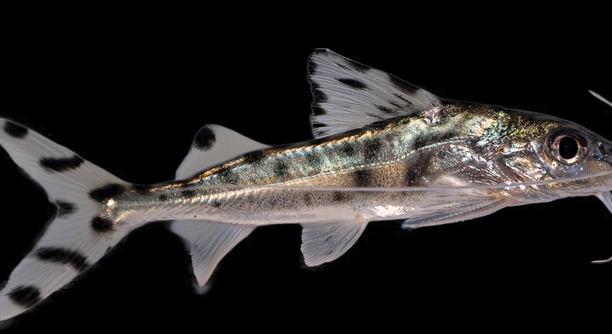
Pictus catfish are known for their unique behaviors in aquariums. These fish often use hiding spots to feel safe and comfortable. Their ways of hiding can sometimes seem unusual to fishkeepers and observers alike.
Pictus catfish display several distinct hiding behaviors, including burrowing under substrate, squeezing into small crevices, and resting motionless in shadows. These behaviors serve as survival strategies to avoid predators, reduce stress, and regulate their environment effectively.
Recognizing these behaviors can improve how you care for your pictus catfish and create a better habitat for them to thrive. Understanding their hiding habits helps ensure their well-being and comfort in your aquarium.
Burrowing Under the Substrate
Pictus catfish often bury themselves partially or fully under the substrate in their tanks. This behavior helps them feel safe and less exposed to other fish or sudden movements. The soft substrate allows them to dig easily and create a small hiding spot. This is especially common when the fish are resting or feeling stressed. Burrowing also helps them regulate temperature and avoid bright light, which they don’t like. If your tank has a coarse or sharp substrate, the fish might avoid burrowing, so a soft sand or smooth gravel is better. This natural instinct can be surprising at first but shows how these fish adapt to their environment.
Burrowing is a natural behavior that signals comfort or the need for protection. Observing this can help you spot when your fish feels uneasy.
Giving pictus catfish the right substrate encourages this healthy behavior. It also reduces stress and mimics their natural habitat. Make sure the substrate is fine and safe to avoid injuries while they burrow.
Squeezing Into Small Crevices
Pictus catfish are slender and flexible, allowing them to slip into tight spaces. This hiding tactic protects them from larger fish or disturbances in the tank. Crevices in decorations, caves, or behind plants are popular spots for these fish. They feel secure when partially hidden but can still keep an eye on their surroundings. These hiding places provide a refuge without fully isolating them, which is important for their social nature.
Having plenty of narrow spaces in the tank helps reduce stress and aggression. It also promotes natural behavior and overall health. When setting up an aquarium, adding rocks, driftwood, or specially designed caves is useful for these fish to explore. This behavior shows their need for security in confined spaces while still interacting with the environment. Squeezing into crevices is a smart way to avoid threats and feel safe without hiding completely.
Resting Motionless in Shadows
Pictus catfish often rest quietly in shaded areas of the tank. This behavior helps them conserve energy and avoid stress. They prefer dimmer spots where they feel less exposed to light and activity.
Shadows create a safe environment that mimics their natural habitat. In the wild, these fish hide in dark spaces during the day to avoid predators. When resting in shadows, pictus catfish reduce their movement, which lowers their chance of being noticed. This stillness is also part of their way to relax and recover energy for nighttime activity, as they are mostly nocturnal.
Providing shaded areas with plants or decorations is essential. This helps the fish feel secure and lowers stress levels. A tank light schedule that mimics natural daylight cycles encourages this calm behavior. Shadows also create comfort and allow the fish to rest properly.
Using Aquarium Decorations as Hiding Spots
Aquarium decorations play a big role in pictus catfish hiding habits. Rocks, caves, and driftwood offer natural hiding places. These decorations break the open space and give fish options for refuge.
These fish use decorations to create their own little shelters. They often slip behind or under items to avoid stress or threats. Having a variety of hiding spots can reduce aggression between tank mates by giving each fish its own space. When setting up a tank, choosing decorations that provide narrow passages or enclosed areas works best. Pictus catfish feel more confident and secure with plenty of places to retreat to. This also encourages natural exploration and reduces boredom.
Maintaining clean decorations is important to prevent bacteria buildup. Regularly check for sharp edges that could injure your fish. Thoughtful placement of decorations ensures a balanced and safe environment. The right setup supports their natural hiding behaviors and overall health.
Quick Dashes to Cover
Pictus catfish sometimes make sudden quick dashes to nearby hiding spots when startled. This fast movement helps them escape perceived threats. It’s a natural reaction to sudden noises or changes in their environment.
These dashes may seem abrupt but are part of their survival instinct. After darting away, they often stay hidden for a while to feel safe. This behavior shows how alert they are to potential danger.
Using Plant Cover for Protection
Plants provide excellent cover for pictus catfish. Their leaves and stems create a natural hiding spot where fish feel safe from open space and bright light. Plants also help reduce stress by offering shaded areas and a sense of security. Adding live or artificial plants benefits their environment by making it feel more natural and comfortable. Plant cover encourages natural behaviors like resting and exploring quietly.
Resting Near the Bottom
Pictus catfish prefer resting near the tank’s bottom. This position helps them stay hidden and feel protected from overhead threats.
Burrowing Among Decorations
They also burrow slightly around decorations, using them as extra cover while staying close to their hiding spots.
FAQ
Why do pictus catfish hide so much?
Pictus catfish hide frequently because it helps them feel safe and reduces stress. In the wild, hiding protects them from predators. In tanks, hiding spots give them a place to rest and avoid bright light or loud movements. It’s a natural way to stay calm and secure.
Is it normal for pictus catfish to hide all day?
Yes, it is normal for pictus catfish to spend much of the day hiding. These fish are mostly nocturnal, so they are more active at night. During the day, they prefer to rest in shaded or hidden areas to conserve energy and avoid disturbances.
How can I create better hiding spots for my pictus catfish?
To create good hiding spots, use soft substrate for burrowing and add decorations like caves, driftwood, and plants. Make sure there are narrow spaces and shaded areas. Avoid sharp objects that could hurt the fish. Variety helps because pictus catfish like different types of hiding places.
Can too much hiding mean my pictus catfish is sick?
Sometimes, yes. While hiding is normal, if your pictus catfish suddenly hides more than usual or stops eating, it might be stressed or sick. Check water quality, tank mates, and food. If you see other signs like lethargy or discoloration, it’s best to consult a vet or fish expert.
Do pictus catfish prefer live or artificial plants for hiding?
Both live and artificial plants work well as hiding spots. Live plants provide natural cover and improve water quality, which helps fish stay healthy. Artificial plants are easier to clean and don’t require care. The key is having dense coverage to make the fish feel safe.
How often should I clean hiding spots like caves and decorations?
Cleaning decorations every two to four weeks is a good practice. Regular cleaning prevents algae and bacteria buildup that could harm your fish. Use gentle scrubbing without harsh chemicals to avoid residue. Keeping these spots clean helps maintain a healthy environment for your pictus catfish.
Will pictus catfish fight over hiding places?
Sometimes. If there aren’t enough hiding spots or space, pictus catfish may compete for the best spots. This can cause stress or aggression. To prevent this, provide multiple hiding places spread throughout the tank. This allows each fish to claim its own safe area without conflict.
Can I train my pictus catfish to come out more often?
You can encourage your pictus catfish to be more active by keeping a consistent light schedule and feeding at regular times. Using dim lights during feeding can make them feel safer to come out. However, they will still hide naturally because it’s part of their behavior.
What kind of substrate is best for pictus catfish to burrow?
A soft sand substrate is best for burrowing because it is gentle on their bodies and easy to move. Fine gravel can work but may be less comfortable. Avoid sharp or rough substrates that can injure the fish when they dig or rest.
Do pictus catfish hide more with certain tank mates?
Yes, pictus catfish may hide more if housed with aggressive or overly active tank mates. Stress from other fish can make them seek shelter more often. Choose peaceful tank mates and ensure enough space and hiding places to reduce stress and encourage natural behavior.
Final Thoughts
Pictus catfish are fascinating fish with natural hiding behaviors that help them feel safe and reduce stress. Understanding these behaviors is important for anyone keeping them in an aquarium. Their tendency to hide by burrowing, squeezing into small spaces, or resting in shadows is normal and healthy. These actions allow the fish to protect themselves from potential threats and feel more comfortable in their environment. When pictus catfish have enough places to hide and rest, they tend to be less stressed and show more natural behavior. This improves their overall health and happiness.
Providing the right environment for pictus catfish is key. This means having soft substrate for burrowing, decorations with tight crevices, and plenty of plants for shade and cover. A well-planned tank setup that mimics their natural surroundings helps these fish thrive. It is also important to maintain clean water and a stable temperature to reduce any added stress. Observing how your pictus catfish use their hiding spots can give clues about their comfort level and well-being. If they suddenly hide more or behave differently, it could signal a problem with water quality, tank mates, or health issues.
Being patient with pictus catfish is also important. They may spend a lot of time hidden, especially during the day, because they are more active at night. This behavior can seem shy or secretive, but it is just their way of staying safe. Over time, you may notice your fish exploring more or resting in different spots as they get used to their environment. By respecting their natural instincts and offering a peaceful habitat, you support their long-term health. This leads to a more enjoyable experience for both the fish and the person caring for them.

Hello,
If you enjoy the content that we create, please consider saying a "Thank You!" by leaving a tip.
Every little bit helps us continue crafting quality advice that supports the health, happiness, and well-being of pets around the world, for pets of all shapes, sizes, and species.
We really appreciate the kindness and support that you show us!