
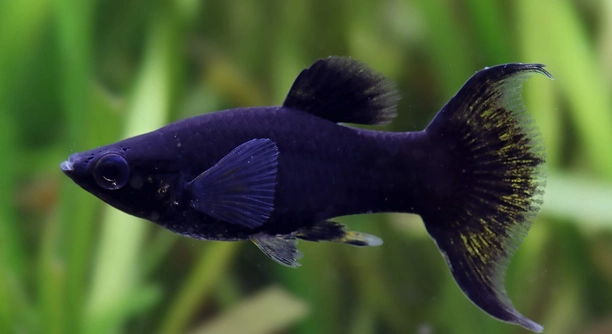
Black mollies are popular aquarium fish known for their striking appearance and lively behavior. Many fishkeepers enjoy watching them thrive, but sometimes breeding slows or stops altogether, leaving owners unsure of what might be causing the change.
Black molly reproduction can halt due to a variety of factors, including poor water quality, insufficient nutrition, overcrowding, lack of proper mating conditions, stress from tank mates, and age-related fertility decline. Addressing these issues often restores normal breeding activity.
Understanding the reasons behind a black molly’s halted breeding can help you create a healthier environment. Small adjustments can make a significant difference in their reproductive success and overall well-being.
Water Quality and Its Impact on Breeding
Maintaining clean water is crucial for black mollies. Poor water conditions can stress fish and reduce their willingness to breed. High levels of ammonia, nitrites, or nitrates make the tank environment uncomfortable, while sudden temperature fluctuations can disrupt natural reproductive cycles. Regular water testing and partial water changes help maintain stability. Filtration should be efficient but not create strong currents that exhaust fish. Consistent monitoring of pH and hardness also supports breeding, as mollies prefer slightly alkaline water. A tank that mimics their natural habitat encourages normal behavior and reproductive activity. Overcrowding can further compromise water quality, so ensuring adequate space is key. Even minor neglect in water maintenance can lead to halted breeding, highlighting the importance of a disciplined care routine. By providing a clean, stable environment, fish are more likely to thrive and reproduce naturally.
Proper water care directly influences health, behavior, and reproductive success in black mollies, making it a top priority.
Black mollies are sensitive to changes in their aquatic environment. They need consistent water temperature, ideally around 24–28°C, and a stable pH near 7.5. Sudden chemical changes, like adding medications or altering hardness, can trigger stress. Regular monitoring of ammonia, nitrites, and nitrates ensures a safe habitat. Partial water changes every week maintain cleanliness without shocking the fish. Keeping the tank well-planted and providing hiding spots also reduces stress, allowing natural mating behavior to occur. Tank mates should be peaceful, as aggressive fish can prevent breeding. A stable, healthy tank creates the conditions mollies need to feel secure and willing to reproduce.
Nutrition and Feeding Practices
Black mollies require a balanced diet to reproduce consistently.
A diet rich in proteins, vitamins, and minerals strengthens health and encourages breeding. Live or frozen foods like brine shrimp or daphnia support growth and fertility.
Feeding practices play a vital role in reproduction. Mollies benefit from frequent, small feedings rather than one large meal, as it supports steady energy levels. High-quality flakes or pellets should be supplemented with live or frozen foods several times per week to provide essential nutrients. Calcium and vitamin-enriched foods improve reproductive capacity, while fresh vegetables such as spinach or zucchini can enhance overall health. Overfeeding can lead to poor water quality and obesity, which negatively affects breeding. Observing fish behavior during feeding helps identify nutritional deficiencies. When females receive proper nutrition, they are more likely to produce healthy fry. A well-balanced diet ensures mollies are strong, active, and ready to breed, supporting long-term tank stability and reproductive success.
Stress and Its Effects on Breeding
Stress prevents black mollies from reproducing. Aggressive tank mates, sudden movements, loud noises, or overcrowding can all cause tension that halts mating behaviors. Minimizing disturbances is essential.
Stress triggers hormonal changes that directly affect reproduction. Female mollies may stop developing eggs, while males can become less active or aggressive, reducing chances of successful mating. Providing plenty of hiding spots, gentle filtration, and calm surroundings encourages natural behavior. Consistent lighting schedules also help, as abrupt changes can be unsettling. Observing fish for signs of stress, like clamped fins or hiding, helps identify problems early. Reducing sources of stress allows mollies to regain normal reproductive activity more quickly.
Even minor stressors impact breeding. Frequent tank inspections, quiet handling, and careful management of new fish introductions help mollies feel secure. A peaceful, stable environment is key to restoring their willingness to reproduce naturally.
Age and Reproductive Readiness
Black mollies may stop breeding due to age or sexual maturity timing. Young fish are often too immature, while older fish may experience declining fertility.
Females typically reach reproductive maturity around six months, but breeding too early can stress them physically and reduce fry survival. Older mollies may produce fewer eggs or weaker offspring due to natural fertility decline. Regular monitoring of growth and behavior helps determine readiness. Separating young or old fish from prime breeders ensures healthier reproduction cycles. Age-related breeding issues are common but manageable with proper tank management and selective pairing.
Maintaining a mix of mature fish in good condition supports continuous breeding. Rotating breeding pairs, providing optimal nutrition, and ensuring a stable environment help both younger and older mollies reproduce successfully. Observing physical signs like body fullness, fin condition, and activity levels guides breeding decisions. With careful attention to age and readiness, mollies can maintain regular reproductive patterns, allowing for a consistent population growth without overtaxing individual fish.
Tank Size and Space
Insufficient space can prevent black mollies from breeding. Overcrowded tanks increase stress and reduce courtship opportunities. Providing enough room is essential for healthy interactions.
A larger tank allows fish to establish territories and reduces aggression. Female mollies need space to move freely, and males require room to display mating behavior. Crowding can stunt growth and cause health problems, indirectly affecting reproduction. Proper tank dimensions, usually at least 20 gallons for a small group, give mollies the environment they need to feel secure. Plants and decorations create hiding spots, further reducing tension and supporting natural breeding activity.
Compatibility with Tank Mates
Peaceful, compatible tank mates are critical for breeding success. Aggressive or overly active fish disrupt mating behavior and increase stress levels in black mollies.
Tank mates should not compete for food aggressively or harass mollies. Avoid fin-nipping species and overly dominant fish that chase or intimidate. Calm, similarly sized fish that share the same water requirements are ideal. Observing interactions helps identify conflicts early. When mollies feel safe and unthreatened, they are more likely to breed regularly. A well-planned community tank balances activity, reduces stress, and promotes reproductive behavior naturally. Providing compatible companions enhances both the well-being and breeding potential of black mollies.
Light and Temperature
Stable lighting and temperature are vital for breeding. Sudden changes can stop reproductive activity in black mollies.
Why is my black molly not breeding even though the tank looks fine?
Even if your tank seems fine, small imbalances can affect breeding. Water quality issues like elevated ammonia or nitrites may go unnoticed. Stress from aggressive tank mates, overcrowding, or sudden movements can prevent mollies from mating. Inadequate nutrition or irregular feeding schedules also reduces reproductive activity. Ensuring consistent water parameters, proper diet, and a calm environment is essential for mollies to resume breeding.
How can I improve water conditions for breeding?
Regular testing of ammonia, nitrites, nitrates, pH, and hardness is crucial. Partial water changes, around 20–30% weekly, help maintain cleanliness. Proper filtration keeps water clear without creating strong currents that stress mollies. A stable temperature between 24–28°C encourages reproductive behavior. Adding plants and hiding spots reduces tension, giving mollies confidence to mate. Monitoring water consistently prevents unseen issues from halting reproduction.
Does stress really stop black mollies from breeding?
Yes, stress directly affects hormones that regulate reproduction. Females may stop producing eggs, and males can become less active. Stress sources include aggressive or noisy tank mates, sudden lighting changes, overcrowding, and even frequent handling. Providing plenty of hiding spaces, gentle water flow, and a calm environment reduces stress and restores normal breeding behavior.
How important is diet for black molly breeding?
Diet is a major factor in reproduction. High-quality flakes or pellets supplemented with live or frozen foods like brine shrimp or daphnia provide essential proteins and nutrients. Vegetables like spinach or zucchini support overall health. Females require extra nutrients for egg production. Poor nutrition leads to fewer eggs, weaker fry, or halted breeding. Feeding small portions multiple times a day helps maintain energy and fertility.
Does age affect breeding in black mollies?
Yes, age impacts reproduction. Young fish under six months are often too immature to breed, while older fish may experience reduced fertility. Observing physical maturity, activity levels, and body fullness helps determine breeding readiness. Separating prime-age mollies from very young or old fish ensures healthier offspring and consistent breeding cycles.
Can tank size influence breeding success?
Absolutely. Overcrowding increases stress and reduces space for mating displays. A tank of at least 20 gallons for a small group is ideal. Plants and decorations provide hiding spots, reduce aggression, and encourage natural behavior. Adequate space supports territorial interactions and promotes reproductive activity.
Do tank mates affect breeding?
Yes, compatibility matters. Aggressive or overly active species can chase or stress mollies, preventing breeding. Ideal companions are calm, similar-sized fish that do not compete aggressively for food. Observing interactions helps identify conflicts early. Safe, compatible tank mates reduce stress and allow natural courtship behaviors.
What role does light and temperature play?
Consistent light and temperature are crucial. Black mollies need stable temperature around 24–28°C and a regular light cycle. Sudden changes can disrupt hormonal cycles and stop mating. Maintaining a gentle day-night schedule and avoiding abrupt temperature fluctuations encourages normal reproductive activity.
Can breeding stop temporarily without a visible reason?
Yes, temporary halts can occur due to mild stress, slight water fluctuations, or minor nutritional deficiencies. Observing behavior, feeding routines, and water parameters carefully can often reveal subtle causes. Minor adjustments usually restore breeding without major intervention.
How can I encourage breeding after a pause?
Check water quality, reduce stress, ensure proper nutrition, and provide enough space. Adding live plants or rearranging decorations can simulate a natural environment. Selecting prime-age, healthy fish for breeding pairs improves success. Patience and consistent care are key to restoring regular reproductive cycles.
This FAQ addresses the main reasons black mollies may stop breeding and practical steps to correct these issues. Proper attention to water, diet, stress, and tank conditions supports healthy, consistent reproduction.
Breeding black mollies can be a rewarding experience, but it requires consistent care and attention to their environment. Many factors influence whether they reproduce regularly, and small details often make a significant difference. Water quality, diet, stress levels, tank size, and compatibility with other fish all play a role in their willingness and ability to breed. Even if a tank looks well-maintained, subtle issues like slight changes in temperature, pH, or hardness can create conditions that prevent reproduction. Keeping track of these elements and addressing any imbalances promptly helps mollies remain healthy and more likely to reproduce naturally. Over time, observing their behavior closely gives insight into what adjustments may be needed. A calm and stable environment encourages natural courtship behavior, giving females the confidence to produce eggs and males the motivation to display mating behaviors. Attention to detail in care routines ensures that mollies are comfortable and capable of successful breeding.
Providing proper nutrition is another crucial aspect that supports reproduction. Black mollies need a balanced diet rich in proteins, vitamins, and minerals to maintain their health and reproductive capacity. Live or frozen foods, such as brine shrimp or daphnia, can supplement high-quality flakes or pellets, giving them the essential nutrients required for egg production and active mating. Female mollies in particular require sufficient nutrients to produce healthy fry, while males need energy to display consistent courtship behaviors. Overfeeding can lead to water quality issues and obesity, both of which reduce breeding success. Conversely, underfeeding or providing an unbalanced diet can result in weak offspring or even halted reproduction. Vegetables like zucchini or spinach can help supplement their diet, offering vitamins that contribute to overall health. Establishing a routine of small, frequent feedings ensures energy levels remain stable and supports a continuous reproductive cycle. Careful attention to feeding habits can make a significant difference in the overall success of breeding black mollies.
Age and reproductive readiness should also be considered when managing breeding black mollies. Young fish may be too immature to breed, while older fish can experience declining fertility, resulting in fewer eggs or weaker fry. Separating prime-age fish from younger or older individuals can improve breeding success and maintain healthy populations within the tank. Providing enough space for territorial behavior and reducing stress through calm tank conditions are equally important. Tank mates should be compatible and non-aggressive to allow natural courtship behaviors to occur without disruption. Light and temperature stability support reproductive cycles, while sudden changes in either can temporarily halt breeding. By addressing all of these factors—water quality, nutrition, stress, tank conditions, and age—fishkeepers create an environment that encourages black mollies to reproduce naturally. Consistent monitoring, attention to subtle signs of stress or health issues, and thoughtful adjustments allow for successful and sustainable breeding over time.

Hello,
If you enjoy the content that we create, please consider saying a "Thank You!" by leaving a tip.
Every little bit helps us continue crafting quality advice that supports the health, happiness, and well-being of pets around the world, for pets of all shapes, sizes, and species.
We really appreciate the kindness and support that you show us!