
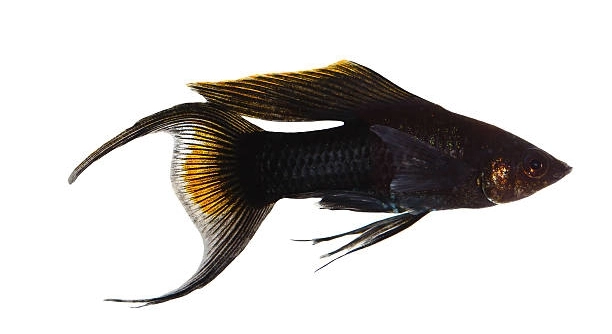
Black Mollies are active and social fish that thrive in well-maintained aquariums. Their swimming patterns and interactions with tank mates can sometimes seem energetic, leaving owners to wonder if movement can overwhelm them.
Black Mollies can become overstimulated by excessive or sudden movement in their environment. Rapid water currents, frequent handling, or overcrowding can trigger stress responses, impacting their behavior, appetite, and overall well-being. Proper tank management is essential to prevent overstimulation.
Knowing how movement affects Black Mollies can help maintain a calm and healthy aquarium environment for them.
How Movement Affects Black Mollies
Black Mollies are naturally active, but their activity level can be influenced by movement in the tank. Strong water currents from filters or frequent splashing can make them anxious, causing rapid swimming or hiding. Sudden disturbances, such as tapping on the glass or adding new tank decorations, may trigger stress. Overcrowding is another factor; too many fish in a small tank limits their ability to escape or explore comfortably, which can heighten stress levels. Observing their behavior carefully can help identify signs of overstimulation, like erratic swimming, loss of appetite, or hiding for extended periods. Adjusting tank conditions, including flow and space, ensures that Black Mollies remain calm and healthy. Gentle interactions and a stable environment can help reduce unnecessary stress, allowing them to swim naturally without feeling overwhelmed by constant movement.
Managing movement and tank activity helps Black Mollies feel secure and reduces stress-related behaviors effectively.
Watching how Mollies respond to water currents and tank changes allows you to create a more comfortable and predictable environment, supporting their health and happiness.
Signs of Overstimulation
Erratic swimming and constant hiding are common signs of overstimulation in Black Mollies.
When Black Mollies are overstimulated, they may exhibit several behaviors indicating stress. They can dart across the tank repeatedly, bump into decorations, or avoid swimming near other fish. Appetite changes are common, with some fish refusing food entirely or eating less than usual. Color fading can also occur, showing physical stress alongside behavioral changes. Overstimulation may weaken their immune system, making them more prone to illness. Observing these signs early allows for quick adjustments to the environment. Reducing water flow, limiting sudden movements, and ensuring adequate space can help the fish recover. Regular monitoring of their behavior helps maintain a calm tank and prevents chronic stress from affecting their long-term health. Consistency and minimal disruption are key to keeping Black Mollies relaxed and active.
Reducing Overstimulation in Your Tank
Reducing movement in the tank helps Black Mollies stay calm. Adjusting water flow, spacing out decorations, and minimizing sudden disturbances can lower stress. Proper tank size and stable conditions support their natural swimming patterns.
Creating a peaceful environment requires attention to both water flow and layout. Strong currents can tire Black Mollies quickly, causing them to hide or swim erratically. Ensuring decorations don’t block swimming areas gives them room to move comfortably. Limiting sudden changes, like adding new fish or rearranging plants, prevents unnecessary stress. Observing how they respond to minor adjustments allows you to fine-tune the tank for calmer behavior and healthier routines.
Regular maintenance also reduces overstimulation. Cleaning filters carefully to avoid abrupt changes, monitoring tank mates for aggressive behavior, and keeping feeding times consistent helps Black Mollies feel secure. Adjusting light intensity and avoiding constant tapping on the glass further contributes to a stress-free environment. Each small step builds a calmer habitat that encourages natural behavior.
Choosing the Right Tank Setup
A well-planned tank setup is crucial for preventing overstimulation. Adequate space, gentle filtration, and balanced plant placement support healthy fish behavior.
When selecting a tank, size matters. Black Mollies need enough room to swim freely without feeling crowded. A tank that is too small can increase stress and encourage erratic movement. Filtration should create gentle currents rather than strong, turbulent flows that exhaust the fish. Adding plants and hiding spots in a balanced arrangement offers shelter and reduces anxiety, but overcrowding decorations can have the opposite effect. Consistent temperature and water quality maintain their comfort. Observing the fish after each change ensures adjustments meet their needs.
Proper lighting also plays a role. Bright, constant lights may cause agitation, while a gradual light cycle mimics natural conditions, supporting their calm behavior. Maintaining predictable feeding schedules prevents sudden rushes to food, reducing frantic activity. Choosing compatible tank mates prevents chasing or aggressive interactions that heighten stress. Thoughtful planning of each aspect of the tank setup keeps Black Mollies comfortable and active without overwhelming them.
Monitoring Behavior Regularly
Keeping an eye on Black Mollies helps detect overstimulation early. Observing their swimming patterns, hiding habits, and appetite provides insight into their comfort level in the tank.
Noting changes over time is important. Sudden bursts of activity or avoidance of certain areas can indicate stress. Consistent observation allows for quick adjustments to water flow, decorations, or lighting to maintain a calm environment.
Adjusting Tank Dynamics
Tank dynamics affect how Black Mollies respond to movement. Proper spacing between fish and decorations prevents crowding, while maintaining gentle water flow reduces stress. Regularly rearranging plants or ornaments in a controlled manner can prevent sudden shocks and overstimulation.
Feeding and Interaction
Structured feeding schedules and minimal sudden interaction help keep Black Mollies calm. Feeding in a consistent routine prevents frantic swimming and supports relaxed behavior throughout the day.
FAQ
Can Black Mollies get stressed from too much swimming?
Yes, excessive swimming can indicate stress or overstimulation. Black Mollies naturally enjoy moving around, but rapid, erratic swimming or constant darting around the tank may show that they are uncomfortable. High water currents, overcrowding, or sudden disturbances can trigger this behavior. Reducing flow and providing adequate space helps them swim calmly and regain normal patterns.
How can I tell if my Black Molly is hiding too much?
Hiding is a natural behavior, but frequent or prolonged hiding may indicate overstimulation or stress. Mollies might retreat behind decorations or plants when the tank feels overwhelming. Observing how often they hide and whether they still eat and interact can help determine if adjustments to their environment are needed, like rearranging decor or reducing strong currents.
Does tank size affect overstimulation?
Absolutely. A tank that is too small limits swimming space, increases competition for territory, and can heighten stress levels. Black Mollies thrive in larger tanks where they have room to swim freely and escape when needed. Ensuring the tank is spacious enough and avoiding overcrowding is key to keeping them comfortable and active without overstimulation.
Can sudden changes in tank water stress Black Mollies?
Yes, abrupt changes in water conditions can overstimulate them. Sudden shifts in temperature, pH, or hardness can trigger stress responses. Gradual changes and regular monitoring of water parameters help maintain stability, allowing Black Mollies to adjust smoothly. Maintaining consistent conditions reduces erratic behavior and keeps them healthy.
Will adding more fish cause overstimulation?
Adding new fish too quickly can lead to overcrowding and increased activity, causing stress for existing Black Mollies. Introducing new fish gradually and monitoring their interactions prevents aggressive chasing or territorial disputes. Ensuring the tank has enough hiding spots and space allows the group to coexist calmly.
Do strong filters contribute to overstimulation?
Strong filtration can create turbulent currents that exhaust Black Mollies. Gentle water flow is ideal, allowing them to swim naturally without being forced into rapid movements. Adjusting the filter’s output or using diffusers can help reduce stress while still maintaining clean water.
Can lighting affect their behavior?
Bright or constantly changing light can make Black Mollies uneasy. Gradual light cycles that mimic natural day and night help them feel secure. Providing shaded areas or plants also allows them to retreat and reduces stress from excessive stimulation.
How does diet play a role in calm behavior?
Regular feeding schedules support calm behavior. Sudden or irregular feeding can cause frantic swimming and competition. Offering small, frequent meals helps Black Mollies eat comfortably without overexerting themselves or becoming stressed. A balanced diet also supports overall health, making them more resilient to minor environmental changes.
Is frequent tank tapping harmful?
Yes, tapping or sudden disturbances can startle Black Mollies and trigger stress responses. Minimizing tapping and handling ensures they remain calm. Observing from a distance and limiting sudden interactions prevents overstimulation and helps them feel safe in their environment.
Can tank decorations help reduce overstimulation?
Strategic decoration placement can provide shelter and reduce stress. Plants, rocks, and other hiding spots allow Black Mollies to retreat when feeling overwhelmed. However, overcrowding the tank with too many items can have the opposite effect, so balance is important for maintaining a comfortable habitat.
How long does it take for a Black Molly to calm down after stress?
Recovery time varies depending on the level of overstimulation. Mild stress may resolve within hours, while prolonged or repeated stress could take days. Providing stable conditions, gentle water flow, and safe hiding spaces supports faster recovery and restores normal swimming and feeding behavior.
What is the best way to prevent overstimulation long-term?
Consistency is key. Maintaining stable water conditions, gentle currents, proper tank size, consistent feeding, and thoughtful decoration placement creates a low-stress environment. Regular observation ensures early detection of behavioral changes, allowing for timely adjustments. This approach keeps Black Mollies calm, active, and healthy over the long term.
Can interactions with other species cause overstimulation?
Yes, aggressive or overly active tank mates can stress Black Mollies. Choosing compatible species and avoiding aggressive or territorial fish reduces chasing, hiding, and erratic swimming. Providing plenty of space and hiding spots ensures all fish can coexist without constant stress.
Does water temperature affect their activity levels?
Temperature influences metabolism and swimming behavior. Water that is too warm or too cold can make Black Mollies hyperactive or sluggish, potentially contributing to stress. Maintaining a stable temperature within their preferred range promotes normal activity and reduces overstimulation.
Are young Black Mollies more sensitive to movement?
Juvenile Black Mollies are generally more sensitive than adults. They may react more strongly to sudden currents, handling, or tank changes. Providing a calm environment and gentle adjustments helps them develop normally and reduces stress during these early stages.
Can overfeeding contribute to overstimulation?
Yes, overfeeding can lead to frantic competition for food and excessive swimming. Small, measured meals prevent unnecessary stress and support healthy digestion. Monitoring feeding behavior ensures each fish receives enough nutrition without causing agitation in the tank.
How often should I observe my Black Mollies?
Daily observation is recommended. Noticing subtle changes in swimming, hiding, or feeding allows for quick action before stress becomes severe. Consistent monitoring supports long-term health and helps maintain a calm, stable tank environment.
Do plants reduce movement-related stress?
Live or artificial plants create sheltered areas where Black Mollies can retreat, reducing overstimulation. They provide natural boundaries that limit sudden encounters and allow fish to feel safe while still swimming freely in open areas. Balanced plant placement is essential to prevent overcrowding.
Can frequent water changes cause stress?
Frequent or sudden water changes may startle Black Mollies if the temperature or parameters shift quickly. Performing gradual changes and maintaining consistency prevents unnecessary stress and keeps the fish comfortable. Regular but careful water maintenance supports a healthy, calm tank environment.
Is it normal for Black Mollies to react to reflections?
Yes, seeing their reflection can sometimes trigger chasing or erratic swimming. While occasional interaction is normal, constant reactions may indicate overstimulation. Reducing reflective surfaces or covering parts of the tank can help minimize stress caused by reflections.
Can overcrowding with other Black Mollies lead to stress?
Yes, even same-species overcrowding can increase competition and movement, causing stress. Ensuring adequate space per fish and providing hiding spots reduces aggressive behavior and allows for calmer swimming patterns. Proper population management is essential for maintaining a stress-free tank.
How do I know if my Black Mollies are recovering from overstimulation?
Recovery is visible through calm swimming, regular feeding, and consistent color. Fish that return to normal hiding patterns and interact peacefully with tank mates indicate that the environment is supportive and stress levels are reduced. Patience and observation are key during recovery.
Are there specific tank accessories that help calm Black Mollies?
Yes, items like plants, rocks, and smooth hiding spots reduce stress by giving Black Mollies control over their environment. Avoid cluttering the tank; well-placed accessories allow them to retreat and feel secure without restricting swimming space.
Do Black Mollies react to noise outside the tank?
Loud or sudden noises can startle them, leading to rapid swimming or hiding. Keeping the tank in a quiet area with minimal vibrations reduces unnecessary stress and promotes calmer behavior.
Can frequent rearranging of decorations cause overstimulation?
Yes, constant changes in tank layout can confuse or stress Black Mollies. Rearrange decorations sparingly and gradually to allow them to adapt. This approach helps maintain stable swimming patterns and reduces erratic behavior caused by environmental changes.
What long-term effects can overstimulation have?
Chronic overstimulation can weaken the immune system, reduce appetite, and lead to color fading or behavioral issues. Maintaining a stable, calm environment prevents long-term health problems and supports active, healthy Black Mollies. Regular observation and adjustments are essential to avoid chronic stress.
How do I balance movement with activity needs?
Black Mollies need moderate activity to stay healthy. Gentle water flow, adequate space, and occasional stimulation, such as light feeding movement, keep them active without overwhelming them. Observing behavior ensures they remain calm while still engaging in natural swimming patterns.
Are some Black Mollies more sensitive than others?
Yes, individual temperament varies. Some may tolerate higher movement and currents, while others react strongly to minor disturbances. Adjusting the tank environment to accommodate sensitive individuals supports overall group well-being and reduces overstimulation.
Can stress from movement affect breeding?
Yes, overstimulation can interfere with mating behavior and reduce breeding success. Calm conditions, proper space, and minimal disturbances create an environment conducive to natural reproductive behavior and healthier fry.
Is it better to have fewer fish in the tank to prevent overstimulation?
Fewer fish generally reduce competition and chaotic movement. Maintaining an appropriate population density ensures each Black Molly has enough space, reducing stress and supporting calmer behavior. Proper planning of tank capacity is key to preventing overstimulation.
Do Black Mollies recover faster in planted or bare tanks?
Planted tanks offer hiding spots and boundaries, promoting faster recovery from stress. Bare tanks may leave fish feeling exposed and more prone to overstimulation. Including plants or other shelters supports their sense of security and overall well-being.
Can stress from movement trigger disease?
Yes, prolonged stress weakens the immune system, making Black Mollies more susceptible to infections and illness. Reducing overstimulation and maintaining stable water conditions supports strong immunity and prevents stress-related health problems.
How important is gradual introduction of new elements to the tank?
Gradual introductions prevent sudden stress reactions. Whether adding fish, decorations, or equipment, slow changes allow Black Mollies to adjust naturally, reducing overstimulation and promoting stable behavior in the tank.
Can Black Mollies become aggressive when overstimulated?
Yes, stress can increase territorial or chasing behavior. Providing adequate space, hiding spots, and calm conditions minimizes aggressive interactions and maintains peaceful coexistence among tank mates.
Are younger Mollies more adaptable to movement changes?
Juveniles can adapt quickly if introduced gradually to new conditions. Gentle adjustments to water flow, decorations, and tank mates support their development without causing long-term stress.
What daily practices help prevent overstimulation?
Consistent feeding, gentle observation, minimal tapping, stable water conditions, and balanced tank layout all contribute to reducing overstimulation. Regular attention ensures Black Mollies remain calm, active, and healthy.
Can temperature fluctuations worsen movement stress?
Yes, sudden temperature changes can exacerbate stress from movement. Maintaining a consistent temperature range helps keep activity levels normal and prevents overstimulation-related behaviors.
Is it normal for some Black Mollies to never show signs of stress?
Individual differences mean some fish tolerate higher movement levels without showing stress. Even if some appear unaffected, maintaining a calm environment benefits all fish in the tank.
Do Black Mollies need a break from constant activity?
Yes, periods of calm and low disturbance help them recover from overstimulation. Reducing tank activity and maintaining gentle water flow allows them to rest and maintain healthy behavior.
Can overactive tank mates affect feeding behavior?
Yes, overly active or aggressive fish can cause Black Mollies to swim frantically or eat less. Spacing feeding areas and monitoring interactions helps ensure all fish eat comfortably without stress.
Are sudden light changes stressful for Black Mollies?
Yes, abrupt changes in light intensity can startle them and increase movement, contributing to overstimulation. Gradual light adjustments or using timers for consistent light cycles reduce stress.
Does water clarity affect stress levels?
Dirty or cloudy water can cause anxiety and increased movement. Regular cleaning and filtration maintain clarity, which supports calm behavior and reduces overstimulation.
How do I manage multiple stress factors at once?
Addressing one stressor at a time is effective. Stabilizing water conditions, adjusting tank flow, ensuring proper population, and providing hiding spots collectively reduce overstimulation and maintain a calm, healthy environment.
Is it necessary to isolate stressed Black Mollies?
Isolation can help if aggression or overcrowding is causing stress. A separate tank or divider allows recovery while maintaining normal swimming and feeding behavior. Monitoring is important to reintroduce them safely.
Can seasonal changes affect overstimulation?
Yes, fluctuations in room temperature or daylight can influence activity and stress levels. Adjusting lighting and maintaining consistent conditions help mitigate seasonal impacts on Black Mollies.
Are older Black Mollies less sensitive to movement?
Older fish are often more tolerant but still require calm conditions. Maintaining gentle water flow, adequate space, and stable routines supports their comfort and reduces stress.
Can changing filter type cause temporary overstimulation?
Switching filters may create different currents or noise levels, briefly stressing the fish. Gradual adjustments and careful placement reduce impact while maintaining proper filtration.
Do Black Mollies need quiet periods?
Yes, quiet periods without tapping, sudden movements, or disturbances allow them to rest. Predictable, low-stress periods support calm swimming and overall well-being.
How can I balance activity with calm for Black Mollies?
Provide gentle water flow, adequate space, and minimal disturbances while allowing natural swimming and feeding. Observing behavior ensures they remain active without becoming overstimulated.
Can tank temperature drops at night stress Black Mollies?
Minor nighttime drops are normal, but large fluctuations can cause stress. Maintaining a consistent temperature range with gradual changes reduces the risk of overstimulation and supports healthy activity patterns.
Do Mollies need hiding spots even in a large tank?
Yes, even spacious tanks benefit from hiding areas. These provide security, reduce stress, and allow Mollies to regulate their exposure to movement and interactions.
Can aggressive fish in the tank worsen movement stress?
Yes, aggressive tank mates can trigger chasing and erratic swimming. Monitoring interactions and providing escape routes help reduce stress and maintain a peaceful environment.
Are floating decorations helpful or stressful?
Floating items can provide shaded areas and reduce stress if positioned thoughtfully. Overcrowding or blocking swimming space may worsen overstimulation, so careful placement is key.
Does over-filtration contribute to fatigue?
Yes, strong currents can tire Black Mollies, increasing stress. Adjusting flow or adding diffusers ensures clean water without forcing excessive movement.
Can repeated handling affect behavior long-term?
Frequent handling can create lasting stress. Minimizing contact and maintaining a calm, predictable environment supports healthy behavior and reduces overstimulation-related problems.
Is it normal for Mollies to react to sudden shadows?
Yes, sudden shadows can trigger fast swimming or hiding. Reducing abrupt light changes and external disturbances helps maintain calm behavior.
How does water pH stability impact movement stress?
Stable pH levels prevent agitation caused by sudden environmental changes. Regular testing and gradual adjustments keep Black Mollies comfortable and reduce overstimulation.
Do Black Mollies show signs of overstimulation before illness?
Yes, behavioral changes like erratic swimming, hiding, and reduced appetite often appear before physical illness. Observing these signs allows for early intervention and prevention.
Can color changes indicate stress from movement?
Fading or dull colors can signal overstimulation. Maintaining calm conditions and reducing excessive movement helps restore normal coloration and indicates improved well-being.
Are some tank decorations safer than others?
Smooth, stable decorations reduce risk of injury and stress. Sharp or unstable items can cause physical harm and increase anxiety, contributing to overstimulation.
Can gradual changes prevent most overstimulation issues?
Yes, slow adjustments in water conditions, tank layout, and fish introductions allow Black Mollies to adapt naturally. This approach minimizes stress and promotes healthy behavior over time.
Do Mollies need different environments based on age?
Yes, juveniles require gentler conditions and more hiding spots, while adults tolerate moderate movement. Tailoring the environment to age supports proper development and reduces stress.
Is it okay to have mixed species with Black Mollies?
Mixed species can work if they are compatible. Aggressive or overly active species should be avoided to prevent overstimulation, while peaceful fish allow harmonious coexistence.
How do I know if Mollies are comfortable long-term?
Consistent calm behavior, regular feeding, vibrant coloration, and minimal hiding indicate comfort. Maintaining stable conditions ensures long-term well-being and reduces stress-related problems.
Can water circulation patterns be adjusted to reduce stress?
Yes, altering filter output or adding diffusers can create gentle currents. This ensures clean water without forcing excessive movement or causing overstimulation.
Do Black Mollies recover fully from repeated stress?
With proper care, they can recover fully. Stable water conditions, calm tank layout, and minimal disturbances allow them to regain normal behavior and health.
Is it necessary to monitor fish daily for overstimulation?
Yes, daily observation helps catch early signs of stress. Quick intervention ensures that environmental factors are adjusted promptly, maintaining a calm and healthy tank.
Can feeding in multiple spots reduce movement stress?
Yes, spreading food prevents competition and frantic swimming. Multiple feeding locations allow all Mollies to eat comfortably, supporting calm behavior.
Does tank water hardness impact stress?
Extreme or fluctuating hardness can cause agitation. Maintaining consistent, appropriate hardness levels keeps Black Mollies comfortable and reduces overstimulation.
Can stress from movement affect reproduction cycles?
Yes, prolonged stress can inhibit mating behavior. Providing calm conditions, adequate space, and minimal disturbances supports healthy reproductive cycles.
Are Mollies more sensitive during breeding season?
Yes, they may react more strongly to movement or environmental changes. Extra care with space, hiding spots, and calm water flow helps reduce stress during this period.
How do I balance multiple factors to keep Mollies calm?
Monitor water conditions, tank layout, population density, and feeding routines. Gradual adjustments and observation ensure a balanced, low-stress environment for all Mollies.
Can overactive tank mates affect long-term health?
Yes, constant chasing or overcrowding increases stress, which can weaken immunity and impact lifespan. Proper population management is essential.
Do Mollies adapt to repeated mild movement over time?
Yes, gradual exposure helps them adjust, but sudden or excessive activity should still be avoided to prevent overstimulation.
Is it normal for some Mollies to remain active despite disturbances?
Yes, individual temperament varies. Some may tolerate higher movement levels, but overall calm conditions benefit the group’s health.
Can seasonal daylight changes affect tank activity?
Yes, changes in natural light may alter swimming and feeding patterns. Using timers or gradual light adjustments maintains stability and reduces stress.
Are there specific behaviors that indicate relaxation?
Smooth, steady swimming, normal feeding, and occasional resting in sheltered areas indicate that Black Mollies feel comfortable and are not overstimulated.
Does regular water testing help reduce stress?
Yes, monitoring pH, temperature, hardness, and cleanliness ensures stable conditions, preventing environmental stress and reducing movement-related overstimulation.
Can tank location impact stress levels?
Yes, placing the tank in a low-traffic, quiet area reduces disturbances from noise or vibrations, supporting calm and healthy behavior.
Do Black Mollies need varied environments for mental stimulation?
Mild environmental variation, like occasional plant rearrangement, can
Black Mollies are lively and social fish that benefit from a well-maintained and calm aquarium environment. Their natural curiosity and swimming activity can sometimes make them appear sensitive to movement and sudden changes. While some activity is essential for their health, excessive stimulation can trigger stress behaviors such as erratic swimming, hiding, loss of appetite, and even weakened immunity. Maintaining a tank that balances movement with stability is key to supporting their overall well-being. This involves managing water flow, spacing out decorations, and minimizing sudden disturbances to prevent overstimulation while still allowing them the freedom to swim naturally. A thoughtful approach to tank setup ensures that Black Mollies remain healthy and active without becoming overwhelmed by their surroundings.
Consistent monitoring and observation are important in keeping Black Mollies comfortable. Paying attention to their swimming patterns, feeding behavior, and interactions with other fish can help identify early signs of stress. Subtle changes, such as more frequent hiding or reduced appetite, may indicate overstimulation, and timely adjustments can prevent long-term problems. Gradual changes in tank layout, light, and water conditions allow Black Mollies to adapt without feeling overwhelmed. Providing hiding spots through plants, rocks, or other decorations gives them safe areas to retreat and recover from any stressful events. Consistent feeding routines, gentle handling, and careful introduction of new tank mates further reduce unnecessary stress and help maintain a calm environment.
Overstimulation in Black Mollies is manageable with the right care and attention. Proper tank size, gentle filtration, balanced decoration placement, and stable water parameters all contribute to a low-stress environment. Each fish may respond differently to movement, so understanding individual temperament and adjusting conditions accordingly is important. Encouraging natural swimming while preventing excessive or chaotic activity supports healthy behavior and long-term well-being. By maintaining consistency, monitoring behavior, and providing a safe and comfortable habitat, Black Mollies can thrive and remain vibrant, active, and stress-free. A calm and thoughtfully arranged aquarium ensures they enjoy a healthy, balanced life while allowing owners to observe and enjoy their lively presence without worry.

Hello,
If you enjoy the content that we create, please consider saying a "Thank You!" by leaving a tip.
Every little bit helps us continue crafting quality advice that supports the health, happiness, and well-being of pets around the world, for pets of all shapes, sizes, and species.
We really appreciate the kindness and support that you show us!