
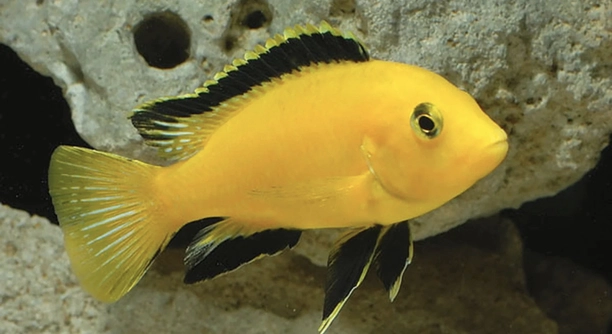
African cichlids are well known for their vivid colors and lively behavior. However, their aggressive nature often stands out when compared to other aquarium fish. This trait can make keeping them a unique challenge for hobbyists.
African cichlids’ aggression is primarily driven by their territorial instincts and competition for resources. These fish naturally defend their space and breeding sites to ensure survival and reproductive success, making their behavior more intense than many other species.
Understanding why these fish act aggressively can improve your experience as an aquarist. The following information explains the key reasons behind their behavior and how to manage it effectively.
Territorial Behavior in African Cichlids
African cichlids are naturally territorial fish. In the wild, they claim specific areas as their own and defend these spaces fiercely against others. This behavior helps them secure food, shelter, and breeding grounds. When kept in aquariums, these instincts remain strong. They may chase away or attack fish that come too close to their territory. This territorial nature can sometimes cause stress among tank mates if the space is limited. It’s important to provide enough room and hiding spots to reduce conflicts. Understanding their need to protect their area helps explain why aggression appears frequently in these fish.
Territorial aggression mainly occurs during breeding and feeding times when resources are limited.
Creating separate territories within the tank by arranging rocks and plants can reduce aggressive encounters. Providing plenty of space and hiding places allows the fish to claim their own areas without constant fights. Careful tank management and species selection can make a big difference in how peaceful your cichlids behave.
Competition for Resources
African cichlids compete intensely for food and mates. This competition is a natural part of their behavior and can lead to aggressive displays and fights. When multiple fish compete for limited resources, they may chase or nip at each other to establish dominance. This behavior helps ensure the strongest fish get the best opportunities for survival and reproduction. In an aquarium, it’s easy for this competition to escalate if food is scarce or if there are too many fish in a confined space.
Feeding your cichlids regularly and in sufficient amounts can reduce their aggression by lowering competition. Using multiple feeding spots in the tank helps spread out the fish and decreases fights over food. It is also wise to keep only the number of fish your tank can comfortably support. Proper care and management can minimize stress and aggression linked to competition.
In addition to food, breeding rights are another key resource African cichlids fight over. Males often defend territories that contain potential mates, increasing aggression levels. This natural behavior supports the survival of their species but requires attention in captivity. Separating aggressive males or increasing tank size can help keep peace. Providing a well-balanced diet and adequate space lowers resource competition and improves the overall health of your fish.
Social Hierarchy and Aggression
African cichlids form social hierarchies to establish order within groups. Dominant fish claim higher status, while others take lower ranks. This hierarchy influences how often and how intensely aggression occurs, as fish assert their position to maintain control.
In a tank environment, dominant cichlids will often chase or nip at less dominant individuals. This behavior is a natural way to reinforce social ranks. Lower-ranking fish may show submissive behaviors, such as avoiding eye contact or retreating to hiding spots. If the tank is overcrowded or lacks enough space, these interactions can become more frequent and stressful. Maintaining proper stocking levels and providing hiding places can help balance social dynamics and reduce constant conflict.
Understanding how these social structures work helps in managing aggression. Grouping fish with compatible temperaments and ensuring the tank size meets their needs allows for a healthier social balance. Adjusting conditions to support this hierarchy can reduce stress and aggression among your cichlids.
Environmental Factors Affecting Aggression
Tank size and decoration significantly influence aggression levels in African cichlids. A small or bare tank leaves little space for territory and hiding, causing increased conflicts. Providing a spacious, well-decorated environment helps reduce stress and aggressive encounters.
Decorating the aquarium with rocks, caves, and plants creates multiple territories, which limits direct confrontations. These structures offer fish places to escape or claim as their own, promoting peaceful coexistence. A larger tank also allows fish to spread out, reducing forced competition over limited space. Maintaining good water quality and consistent conditions lowers stress, which can otherwise increase aggression. Proper environmental setup plays a key role in keeping cichlids calmer and healthier.
Breeding Behavior and Aggression
During breeding, African cichlids become especially aggressive. Males guard their nests fiercely and will attack anything they see as a threat. This behavior protects their offspring and increases their chances of reproductive success.
Females also show aggression to defend their eggs or fry. This heightened aggression usually lasts until the young are old enough to swim freely. Understanding this behavior helps in managing tank conditions during breeding periods.
Species Differences in Aggression
Not all African cichlids are equally aggressive. Some species display more territorial and dominant behavior, while others are relatively peaceful. Knowing the specific species you have can guide how you manage their care and tank mates.
Different species may require different tank setups or social groupings to minimize fights. Researching each species’ temperament helps create a balanced aquarium where aggression is controlled.
Impact of Diet on Aggression
Feeding quality food regularly helps reduce aggression by lowering competition. A poor diet can increase stress and provoke more fights among fish.
Recognizing Stress Signals
Aggressive behavior can be a sign of stress. Watching for these signals early helps prevent harm.
FAQ
Why are African cichlids so aggressive?
African cichlids have strong territorial instincts and natural competition for food, mates, and space. These behaviors come from their wild environment where defending resources is vital for survival and reproduction. Their aggression is a way to protect what they need, and it remains present in home aquariums.
How can I reduce aggression in my cichlid tank?
Provide enough space and hiding spots to create multiple territories. Keeping the tank well-decorated with rocks and plants breaks up line of sight and reduces direct confrontations. Also, feed your fish regularly and in enough quantity to lower competition over food.
Is it normal for cichlids to chase each other?
Yes, chasing is a common way for cichlids to establish social rank and defend territories. It becomes a problem only if the chasing leads to injuries or constant stress. Observing their behavior can help you decide if changes in tank conditions are needed.
Can I keep multiple male cichlids together?
Keeping several males can increase aggression, especially if the tank is too small or lacks hiding places. Males often fight to dominate territory or breeding rights. If housing multiple males, ensure a large tank with plenty of structures to divide the space.
How does tank size affect aggression?
Smaller tanks limit space for territories and hiding, which increases conflicts. A larger tank allows fish to spread out and avoid constant encounters. Bigger tanks help reduce stress and give a healthier environment to manage aggressive behaviors.
Do different species have different aggression levels?
Yes, aggression varies by species. Some cichlids are naturally more aggressive and territorial, while others tend to be calmer. Knowing your species helps in planning tank mates and setup to reduce fights.
What signs show my cichlid is stressed?
Signs of stress include hiding more than usual, losing color, rapid breathing, or constant fleeing from other fish. Stress often leads to increased aggression or illness, so it’s important to watch for these signals.
Can diet influence aggression?
Feeding your cichlids a balanced and regular diet helps lower aggression by reducing food competition. Poor or irregular feeding can cause increased fighting and stress.
Should I separate aggressive fish?
If one fish is constantly bullying others and causing harm, separating it may be necessary. Sometimes dividing the tank or using breeder boxes can protect weaker fish until the aggressive behavior settles.
How often should I feed African cichlids?
Feeding once or twice daily with high-quality food is usually enough. Overfeeding can pollute the water, while underfeeding may increase aggression due to competition. Multiple feeding spots help distribute food and lower fights.
Are African cichlids aggressive only during breeding?
Aggression spikes during breeding as fish protect nests and young. Outside breeding, aggression may decrease but territorial behavior remains. Knowing breeding cycles helps prepare for these intense periods.
Can tank decorations help with aggression?
Yes, decorations provide hiding spots and separate territories. Rocks, caves, and plants break up sight lines and allow fish to escape or claim spaces, reducing conflicts.
Is it possible to have a peaceful African cichlid tank?
While aggression is part of their nature, proper tank size, species selection, and environment setup can create a mostly peaceful tank. Managing social groups and resources carefully helps keep peace.
What should I do if aggression becomes too much?
Check tank size, décor, and stocking levels first. Adjusting these can lower fights. If problems persist, separate aggressive fish or reconsider the species mix in your aquarium.
Can aggression cause health problems?
Yes, constant fighting causes injuries and stress, weakening the immune system. Stressed fish are more prone to disease, so controlling aggression is important for their health.
Are juvenile cichlids less aggressive?
Younger fish are often less aggressive but will develop territorial behavior as they mature. Watching their growth helps anticipate when aggression may increase and plan tank changes accordingly.
African cichlids are fascinating fish known for their bright colors and lively personalities. Their aggressive behavior is a natural part of how they survive and interact. This aggression comes from their need to protect territory, compete for food and mates, and maintain social order. Understanding these reasons helps when caring for them in home aquariums. Recognizing that aggression is normal can prevent frustration and help create a better environment for the fish.
Managing aggression involves making changes to the tank setup and care routine. Providing enough space and hiding places allows cichlids to establish their own territories without constant conflict. Decorations like rocks and plants break up the tank visually and physically, helping fish avoid direct confrontations. Feeding regularly and in sufficient amounts reduces competition for food, which is a common cause of fights. Choosing species carefully and maintaining proper stocking levels also lowers stress and aggressive behavior.
Taking time to observe your cichlids and adjust their environment can improve their well-being and the overall harmony of the tank. Aggression may never disappear completely, but with careful management, it can be kept under control. This allows you to enjoy the beauty and energy of African cichlids while minimizing harm to the fish. Patience and attention to their needs are key to successfully caring for these colorful and spirited fish.

Hello,
If you enjoy the content that we create, please consider saying a "Thank You!" by leaving a tip.
Every little bit helps us continue crafting quality advice that supports the health, happiness, and well-being of pets around the world, for pets of all shapes, sizes, and species.
We really appreciate the kindness and support that you show us!