
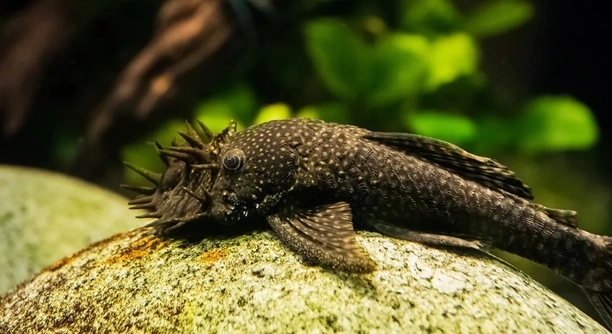
Many fish owners enjoy keeping bristlenose plecos for their peaceful nature and algae-eating habits. These fish interact well with various tank setups, and adding natural elements like wood can improve both their environment and health.
The best wood for bristlenose plecos is typically driftwood, which is safe, non-toxic, and easily digestible. It helps maintain proper water chemistry, provides hiding spaces, and supports natural grazing behavior, contributing to the fish’s overall well-being and comfort.
Choosing the right wood may seem simple, but understanding its benefits can make a noticeable difference in your aquarium’s ecosystem. Proper selection ensures your bristlenose thrives in a healthy and comfortable habitat.
Why Driftwood Works Best
Driftwood is ideal for bristlenose plecos because it slowly releases tannins that slightly acidify the water. This mimics their natural habitat, making them feel secure and encouraging natural behavior. Its texture allows the fish to rasp and graze, helping with digestion. Smooth edges prevent injury, while hollow spaces provide hiding spots that reduce stress. Over time, the wood also promotes the growth of beneficial biofilm and algae, which serve as an extra food source. Choosing untreated, aquarium-safe driftwood ensures no chemicals leach into the tank. Many types of driftwood, such as Malaysian, Mopani, or cholla wood, are suitable, but each has its own characteristics. Some sink immediately, while others need soaking to prevent floating. By understanding how driftwood interacts with your tank’s water chemistry, you can maintain a stable, healthy environment for your bristlenose plecos and other tank mates. It also adds a natural, aesthetic touch that benefits both fish and owner.
Driftwood improves water quality while providing food and shelter, making it an essential addition to a bristlenose tank.
Adding driftwood to your tank requires some preparation. Start by rinsing and soaking the wood for several days to remove debris and excess tannins. Cutting larger pieces to fit the tank prevents overcrowding and allows proper circulation. Once placed, monitor the water’s pH and hardness, as driftwood can lower pH slightly. Regularly check for soft spots or decay, replacing any wood that breaks down excessively. The biofilm and algae that grow on the wood provide supplemental grazing opportunities, supporting the plecos’ dietary needs. Over time, your driftwood will develop a natural patina and become a thriving microhabitat, enhancing both the appearance and health of your aquarium. Using multiple types of wood can create variety in texture and hiding spots, keeping your plecos engaged. Maintaining the wood is simple with routine cleaning and soaking, ensuring it continues to benefit your fish for years.
Alternative Woods for Plecos
Not all woods are suitable for aquarium use; some may release harmful chemicals or rot quickly.
Woods like Mopani, cholla, and grapevine can be good alternatives if driftwood is unavailable. Mopani is dense and sinks easily, providing long-term hiding spaces. Cholla wood is lighter and full of holes, encouraging exploration and grazing. Grapevine has a softer texture that plecos enjoy rasping, though it may break down faster, requiring replacement. Always ensure any wood is untreated and free from pesticides or other chemicals. Boiling or soaking the wood before placing it in the tank reduces tannin release and removes contaminants. Mixing wood types can enrich the tank’s layout and offer multiple textures for the plecos to interact with. Even if you choose alternatives, monitor water parameters closely, as each wood type affects pH and hardness differently. Providing a combination of suitable woods helps mimic a natural habitat, supporting both behavior and health. Proper care and observation ensure your plecos remain comfortable and active.
Preparing Wood for Your Tank
Proper preparation of wood prevents water issues and ensures safety for your plecos. Cleaning and soaking wood removes dirt, debris, and excess tannins. Boiling larger pieces helps eliminate bacteria and pests while making the wood sink faster.
Soaking wood for several days or even weeks softens it and leaches out tannins that can darken water. During this time, you can weigh down the wood to prevent floating. Inspect for sharp edges or cracks that could harm your fish. Boiling smaller pieces accelerates the process and ensures they are safe for immediate use. Regular monitoring of water color and chemistry helps maintain stability once the wood is added.
After placing the wood in the aquarium, observe how your plecos interact with it. Some may graze immediately on the biofilm, while others hide inside hollows. Maintaining a clean tank and occasionally removing loose debris keeps the wood functional and safe. Over time, natural wear will smooth rough spots and create a more natural environment.
Signs Your Plecos Benefit from Wood
Plecos often spend time rasping on wood and hiding in hollow areas. These behaviors indicate that they are using the wood for both food and shelter.
Healthy plecos will show consistent grazing on the surface of driftwood or alternative woods. They may also rest inside hollow sections during the day, emerging mainly at night. When fish are active and display natural behavior around the wood, it confirms that the wood contributes to their comfort. Observing their fins, coloration, and general activity provides additional clues about their health. Wood can also support algae growth, which supplements their diet, ensuring they have constant access to food. Proper wood placement and selection directly affect the tank’s ecosystem, giving plecos a more natural habitat.
In addition to behavior, water quality changes signal that plecos benefit from wood. Tannins help stabilize pH slightly, creating conditions similar to their native environments. Wood surfaces encourage biofilm growth, which supports the plecos’ grazing habits and provides essential nutrients. Consistent observation ensures that any negative impacts, such as excessive tannin release or decaying wood, are addressed promptly. Choosing the right type, preparing it correctly, and monitoring interactions results in a healthier, more active pleco population that thrives in a supportive environment.
Choosing the Right Size
Wood size should match your tank and pleco population. Too large pieces can overcrowd the tank, while too small ones may float or offer little grazing space. Properly sized wood balances functionality and tank aesthetics.
Hollow sections and branches provide shelter and grazing surfaces. Multiple smaller pieces allow plecos to explore and move freely. Ensuring enough open space keeps the tank safe and comfortable.
Wood Placement Tips
Place wood in areas with good water flow to prevent stagnation. Avoid blocking filtration or restricting swimming paths. Position some pieces near plants or decorations to create natural hiding spots and grazing areas.
Cleaning and Maintenance
Regular maintenance prevents decay and water quality issues. Rinse wood during water changes to remove debris and loose biofilm. Avoid harsh chemicals, as they can harm plecos.
Monitoring Water Changes
Wood releases tannins that slightly lower pH, affecting water chemistry. Keep track of water parameters regularly to maintain a stable environment for your plecos.
FAQ
What types of wood are completely safe for bristlenose plecos?
Driftwood is the most commonly recommended wood, including varieties like Malaysian, Mopani, and cholla wood. These are safe because they are non-toxic, sink easily once prepared, and release small amounts of tannins that slightly acidify the water. Untreated grapevine is also suitable, but avoid softwoods like pine or cedar, which can release harmful resins. Always use wood that has been boiled or soaked to remove contaminants.
How do I prepare wood before placing it in the tank?
Rinse the wood thoroughly to remove dirt and debris. Larger pieces may need boiling for one to two hours to eliminate bacteria and pests. Soak the wood for several days to weeks to leach out tannins, which can discolor water and slightly lower pH. Weigh down floating pieces until they sink naturally. Check for sharp edges or cracks that could injure your plecos.
Why does my driftwood turn water brown?
Tannins naturally leach from driftwood and turn water a light amber color. This is not harmful and can mimic the plecos’ natural habitat. The water may temporarily appear darker after placing new wood. Frequent water changes or pre-soaking the wood can reduce discoloration if preferred.
Can I use multiple types of wood in the same tank?
Yes. Mixing different woods creates variety in texture, hiding spaces, and grazing surfaces. It encourages natural behavior and allows plecos to explore. Just ensure all wood is prepared properly and monitor water chemistry, as each type may affect pH and hardness slightly differently.
How often should I clean the wood?
Rinse or gently scrub the wood during routine water changes to remove debris or excess biofilm. Avoid harsh chemicals or soaps. Over time, soft spots may develop, so inspect wood regularly and replace it if it starts to decay significantly. Proper maintenance ensures it remains safe and functional.
Do bristlenose plecos need wood for their diet?
Yes, wood aids digestion and supplements grazing. Plecos rasp on biofilm, algae, and soft wood fibers. Providing wood supports their digestive system and encourages natural feeding behavior. Lack of suitable wood may result in digestive issues or unusual behavior.
Is all driftwood edible for plecos?
Not all driftwood is equally digestible. Softer woods like cholla are easier for plecos to rasp, while dense woods like Mopani provide structure but are less consumed. Offering a mix allows grazing while ensuring safety. Avoid woods that have been treated or coated with chemicals.
How long does wood last in a pleco tank?
Properly maintained wood can last years, though softer pieces may decay faster. Regular inspection and cleaning help extend lifespan. Hard, dense woods like Mopani or Malaysian driftwood last longer, while lighter or softer varieties like cholla may need replacement sooner.
Can wood affect my tank’s pH and hardness?
Yes, driftwood releases tannins that slightly lower pH and soften water. This is usually beneficial for plecos, but monitoring water parameters ensures stability. If pH drops too quickly, frequent water changes or pre-soaking the wood can help manage changes.
What should I do if my plecos ignore the wood?
Some plecos take time to adapt. Ensure the wood has biofilm or algae for grazing. Position wood in areas they frequent, such as near hiding spots or under plants. Providing multiple textures and sizes encourages interaction. Over time, they usually begin to rasp and hide naturally.
Can I combine wood with other decorations?
Yes, combining wood with rocks, plants, or caves enhances the environment. It creates varied hiding spaces, grazing areas, and swimming paths. Just avoid overcrowding to maintain proper water flow and prevent stress. Proper placement supports both behavior and tank aesthetics.
How do I know when the wood is no longer safe?
Signs include soft, crumbly spots, excessive algae buildup, or a foul smell. Wood that breaks down too quickly can affect water quality and pose a hazard. Replace or remove any deteriorating wood to maintain a safe environment for plecos.
Do plecos prefer certain shapes of wood?
Hollow logs, twisted branches, and pieces with crevices are highly preferred. These shapes offer hiding spaces and grazing surfaces. Smooth surfaces are also acceptable but provide less stimulation. Providing variety helps plecos engage in natural behaviors and reduces stress.
Can I use artificial wood instead of natural wood?
Artificial wood can provide hiding spaces but does not offer nutritional or digestive benefits. It may also lack the biofilm and algae that plecos rasp on. Natural wood remains the preferred option for health and behavior, though artificial pieces can supplement decoration safely.
How often should I check water after adding wood?
Monitor water daily for the first week, especially pH and tannin levels. Afterward, weekly checks are sufficient. Changes in color or chemistry indicate whether the wood is leaching tannins or affecting stability, allowing timely adjustments.
Can wood help reduce stress in plecos?
Yes. Wood provides shelter, hiding spots, and grazing surfaces. This reduces aggression, encourages natural behavior, and creates a secure environment. Multiple hiding spots and varied textures improve comfort and activity levels, supporting overall health.
This FAQ covers the most common questions and practical guidance for using wood with bristlenose plecos, ensuring their tank remains safe, healthy, and engaging.
Final Thoughts
Choosing the right wood for your bristlenose plecos is more than just a decorative decision. Wood serves multiple purposes in an aquarium, including providing hiding spots, grazing surfaces, and a way to help stabilize water chemistry. Driftwood is the most commonly recommended option because it is safe, non-toxic, and easy for plecos to rasp on. Woods like Mopani, cholla, and grapevine are also good alternatives when prepared properly. Preparing the wood before adding it to the tank is essential. Rinsing, soaking, or boiling the wood removes dirt, debris, and excess tannins, preventing sudden changes in water quality. Taking these steps ensures the wood is safe for your fish while also reducing the risk of floating or decaying too quickly.
Once the wood is in the tank, your plecos will usually start using it in several ways. They may rasp on the surface to help digestion, hide inside hollow spaces to feel secure, or graze on the biofilm and algae that grow over time. These behaviors indicate that the wood is fulfilling its role in the tank and supporting the natural habits of your fish. Observing how your plecos interact with the wood is important because it helps you understand their needs and adjust placement or wood type if necessary. Monitoring water parameters is equally important. Driftwood and similar types of wood release tannins that can slightly lower pH and soften the water. Keeping an eye on these changes ensures the tank remains a healthy and stable environment for all inhabitants.
Maintenance is also a key part of keeping wood functional in a pleco tank. Regularly rinsing or gently scrubbing the wood removes debris, excess biofilm, and algae buildup while avoiding harsh chemicals that could harm the fish. Inspecting for soft or decaying spots ensures you replace pieces before they negatively affect water quality. Choosing the right size, shape, and variety of wood adds both aesthetic appeal and practical benefits, creating a more natural and engaging environment for your plecos. By selecting suitable wood, preparing it properly, observing how your fish use it, and maintaining it regularly, you create a balanced habitat where your bristlenose plecos can thrive, stay healthy, and display their natural behavior consistently. Proper wood use ultimately enhances the overall ecosystem of your aquarium and contributes to the long-term well-being of your fish.

Hello,
If you enjoy the content that we create, please consider saying a "Thank You!" by leaving a tip.
Every little bit helps us continue crafting quality advice that supports the health, happiness, and well-being of pets around the world, for pets of all shapes, sizes, and species.
We really appreciate the kindness and support that you show us!