
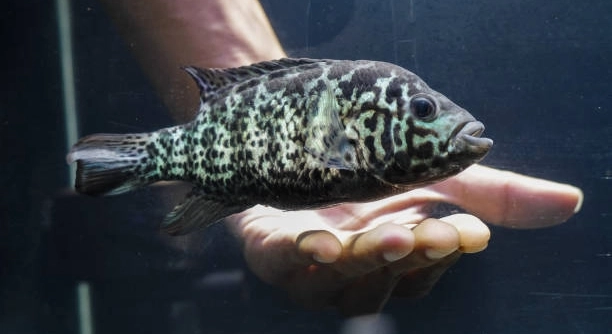
Jack Dempsey fish are lively and colorful, but they can show signs of unhappiness that are easy to miss. Observing their behavior closely helps owners understand their moods and provide a better environment for their care and well-being.
When Jack Dempsey fish are unhappy, they often become withdrawn, hide excessively, or show changes in appetite. Stressful environments, poor water quality, or aggressive tank mates are common causes that directly affect their behavior and health.
Learning to spot these signs early can make a big difference. Simple changes in their tank or routine can help your fish feel more comfortable and active.
Common Signs of Stress in Jack Dempsey Fish
Jack Dempsey fish can show stress in subtle ways. Some start hiding more than usual, staying near the bottom or behind decorations. Others lose interest in food or swim erratically. Color changes are another warning sign—dull or faded colors often indicate discomfort. Rapid gill movement or heavy breathing can also mean water conditions are poor or oxygen levels are low. Watching how they interact with other tank mates is important. Aggression or sudden lethargy often signals they are unhappy. Stress can build slowly, so even small changes in behavior are worth noting. Observing their daily patterns helps prevent bigger health issues. Tank size, decoration, and water quality all influence their comfort. Overcrowding or sharp decorations can add tension. Even feeding routines matter, as inconsistent schedules can confuse them. Taking note of each sign allows timely action. Early intervention helps them regain normal behavior and reduces the risk of disease, keeping them healthier and calmer in their environment.
Hiding, dull colors, and loss of appetite are clear signs that a Jack Dempsey fish is stressed.
Watching these signs carefully ensures that small problems don’t become serious. Simple adjustments can improve their daily life.
Improving Tank Conditions for Happiness
Providing the right tank setup is essential for Jack Dempsey fish. Water temperature should stay between 74 and 80°F with a stable pH. Regular water changes help maintain cleanliness and reduce stress. They prefer spacious tanks with plenty of hiding spots like caves or plants. Avoid overcrowding, as too many fish can increase aggression and tension. Smooth decorations prevent injuries, and sandy or soft substrate is best for their comfort. Monitoring water hardness and ammonia levels keeps them healthy and calm. Feeding them high-quality food in proper amounts supports growth and energy without overfeeding. Observing behavior after any change helps track their well-being. Combining proper tank maintenance with attentive care allows these fish to thrive, reducing stress and promoting vibrant activity. Over time, the improvements in their environment encourage natural behavior, including active swimming and proper social interactions, which ultimately make the fish appear more content and secure.
Simple steps in tank care can make a big difference in their mood. Clean water, space, and proper feeding are key.
Adjusting Diet for Better Behavior
Feeding Jack Dempsey fish a balanced diet directly affects their mood and energy. High-quality pellets, occasional live or frozen food, and vegetables provide necessary nutrients. Avoid overfeeding, as excess food can pollute water and stress the fish.
A varied diet supports both physical health and mental stimulation. Live foods like brine shrimp or bloodworms encourage natural hunting behavior, keeping the fish active. Vegetables such as peas or spinach add fiber and help digestion. Feeding smaller portions multiple times a day prevents overeating and water contamination. Consistency in feeding routines also reduces anxiety. When fish know when and what to expect, they are calmer. Supplements like vitamins or occasional treats can enhance coloration and vitality. Tracking appetite changes helps identify early signs of unhappiness or illness, allowing quick action before stress escalates.
Watching their eating habits reveals a lot about overall well-being. Sudden disinterest in food often signals stress or water issues. Adjusting diet and feeding practices can restore balance, improve energy, and encourage natural behavior patterns, making them more active and confident in their tank. Consistent observation ensures dietary adjustments meet their needs without introducing new problems, creating a stable, healthy environment for long-term care.
Managing Aggression Among Tank Mates
Aggression often arises when Jack Dempsey fish feel crowded or threatened. Providing enough space and hiding areas reduces tension and prevents fights. Proper tank layout can minimize conflict.
When multiple fish are kept together, monitoring interactions is important. Aggressive chasing, nipping fins, or cornering weaker fish indicates stress. Rearranging decorations can break established territories and give all fish safe spaces. Choosing compatible species helps maintain balance. Dominant fish may need separate housing temporarily to prevent injury. Water quality, temperature, and feeding schedules also influence behavior. Stress from poor conditions can heighten aggression, making careful maintenance essential. Introducing new fish gradually allows acclimation and reduces territorial disputes. Understanding their natural temperament ensures a calmer tank environment. Consistent observation and quick action are key to preventing injuries.
Recognizing Illness Early
Changes in behavior can signal illness in Jack Dempsey fish. Loss of appetite, unusual swimming patterns, or visible spots often indicate health problems.
Early detection allows for quicker treatment. Observing fish daily helps catch issues before they worsen, keeping them healthier and reducing stress on the tank environment.
Maintaining Water Quality
Regular testing of water parameters is essential. Ammonia, nitrite, nitrate, pH, and temperature must stay within safe ranges. Sudden changes can harm fish and trigger stress responses. Consistent monitoring prevents long-term problems and maintains a stable habitat.
Providing Hiding Spaces
Jack Dempsey fish feel safer with shelters. Caves, plants, and decorations offer places to retreat, reducing stress.
Reducing Sudden Changes
Abrupt changes in water, lighting, or tank setup can upset fish. Gradual adjustments help them adapt smoothly. Stable routines and slow transitions prevent anxiety and promote a calmer, healthier environment.
FAQ
How can I tell if my Jack Dempsey fish is unhappy?
Unhappy Jack Dempsey fish often hide more than usual, swim erratically, or lose interest in food. Dull or faded colors, rapid gill movement, and unusual aggression toward other fish are also clear signs. Regular observation helps spot these changes early.
What should I do if my fish is stressed?
Start by checking water quality, temperature, and pH levels. Ensure the tank is large enough, with proper hiding spots. Reduce overcrowding and aggressive interactions. Adjust feeding schedules and provide a varied diet. Small changes often improve behavior quickly.
Can tank mates cause stress?
Yes, Jack Dempsey fish can become aggressive or anxious around certain species. Overcrowding, incompatible temperaments, or territorial disputes can increase tension. Monitoring interactions and rearranging decorations can help reduce fights and give all fish safe spaces.
How often should I clean the tank?
Perform partial water changes weekly, about 20–30% of the tank volume, to maintain cleanliness and prevent ammonia buildup. Clean decorations and remove uneaten food. Avoid full water changes unless necessary, as drastic changes can stress the fish.
Does diet affect behavior?
Absolutely. A balanced diet keeps Jack Dempsey fish healthy and active. High-quality pellets, live or frozen foods, and vegetables provide necessary nutrients. Overfeeding can pollute water, while inconsistent feeding can increase stress. Observe appetite for early signs of unhappiness.
What water conditions are ideal?
Maintain water temperature between 74–80°F, stable pH around 6.5–7.5, and monitor hardness. Regular testing prevents sudden changes that can harm fish. Proper oxygen levels and filtration are crucial to reduce stress and maintain overall health.
How do hiding spaces help?
Caves, plants, and other shelters allow fish to retreat and feel safe. Providing multiple spots reduces stress from tank mates and makes the fish more confident. Rearranging hiding places occasionally can prevent territorial disputes and encourage natural exploration.
Why do Jack Dempsey fish become aggressive suddenly?
Aggression can arise from territorial instincts, overcrowding, or stress from poor water conditions. Dominance disputes often happen after introducing new fish or changes in the tank layout. Gradual adjustments and careful monitoring help minimize fights and maintain a peaceful environment.
Can sudden changes in the tank affect them?
Yes, abrupt changes in water, lighting, or decorations can stress Jack Dempsey fish. They adapt better to gradual adjustments. Slowly introducing new items or modifying the tank allows them to explore safely without anxiety.
When should I consult a veterinarian?
If you notice persistent loss of appetite, unusual spots, fin damage, or abnormal swimming, professional advice is recommended. Early intervention prevents minor issues from turning into serious health problems. A veterinarian can suggest treatment or adjustments to tank care.
How important is observation in daily care?
Daily observation is crucial. Watching behavior, feeding habits, and interaction with tank mates helps detect stress, illness, or aggression early. Consistent monitoring allows timely action, keeping fish healthy, happy, and more active in their environment.
What role does tank size play?
Jack Dempsey fish need ample space to swim and establish territories. Small tanks increase stress and aggression. A larger tank with sufficient hiding spaces reduces tension, promotes natural behavior, and supports long-term health.
Can stress affect coloration?
Yes, stressed fish often lose vibrancy. Colors may fade when water conditions are poor or when they feel threatened. Providing a stable environment, proper diet, and hiding spots helps restore natural coloration over time.
How do I prevent future stress?
Maintain clean water, stable conditions, proper tank size, balanced diet, and compatible tank mates. Observe daily behavior and make gradual changes when needed. Consistency and attention to their needs minimize stress and keep Jack Dempsey fish active and healthy.
Are there signs that indicate permanent health issues?
Persistent lethargy, weight loss, or fin deterioration can signal chronic problems. Early intervention is key. Adjust tank conditions and consult a veterinarian if issues persist. Consistent care can prevent many long-term health problems in Jack Dempsey fish.
What’s the best way to introduce new fish?
Quarantine new fish for at least two weeks before adding them. Introduce slowly and rearrange decorations to prevent established territories from being threatened. Observing interactions carefully during this period reduces aggression and stress for all tank inhabitants.
How does light affect their mood?
Jack Dempsey fish benefit from a consistent day-night light cycle. Too much light or sudden changes can stress them, while gradual, steady lighting helps regulate activity and feeding patterns, contributing to calmer behavior and overall well-being.
Is it normal for them to hide a lot?
Some hiding is normal, especially during the day or after new additions to the tank. Excessive hiding, loss of appetite, or inactivity may indicate stress or illness. Providing multiple hiding spots and monitoring behavior helps determine if intervention is needed.
How can I encourage natural behavior?
Offering varied food, proper hiding spots, and a well-arranged tank encourages exploration, hunting instincts, and social interaction. Regular, gentle observation and maintaining stable water conditions allow Jack Dempsey fish to display natural, confident behavior patterns.
Can water temperature swings cause unhappiness?
Yes, fluctuations outside 74–80°F can stress Jack Dempsey fish. Sudden drops or spikes affect metabolism and immune response. Using a reliable heater and thermometer ensures stable conditions, reducing stress and promoting consistent activity and feeding habits.
What should I do if my fish refuses food?
Refusal to eat may indicate stress, illness, or poor water conditions. Check parameters, adjust diet, and observe behavior. Sometimes offering live or frozen food can stimulate appetite. Persistent refusal may require veterinary consultation to address underlying health issues.
How often should I monitor water parameters?
Test water at least weekly, focusing on ammonia, nitrite, nitrate, pH, and temperature. Frequent checks help catch problems early, prevent stress, and maintain a stable environment for Jack Dempsey fish to thrive.
Are Jack Dempsey fish compatible with other species?
They can live with compatible fish, but aggressive or territorial species may cause stress. Monitor interactions, avoid overcrowding, and provide sufficient space and hiding spots to minimize conflicts and ensure a calmer, healthier tank.
What is the impact of overfeeding?
Overfeeding leads to poor water quality, obesity, and digestive problems. Uneaten food decomposes, raising ammonia levels, which stresses the fish. Feeding smaller, measured portions multiple times daily helps maintain health and reduces tank maintenance issues.
How long does it take for them to adjust to changes?
Adjustment varies, but gradual changes are essential. Most Jack Dempsey fish adapt within a few days to a week if changes are slow and predictable. Rapid alterations in tank layout, water, or lighting can cause extended stress and unusual behavior.
Can stress affect their lifespan?
Chronic stress weakens the immune system, making fish more susceptible to illness. Maintaining stable conditions, proper diet, and observing behavior daily helps reduce stress, supporting longer, healthier lives for Jack Dempsey fish.
What are the signs of aggression toward new fish?
Chasing, nipping fins, cornering, and territorial displays indicate aggression. Introducing new fish slowly, rearranging decorations, and providing multiple hiding spots can reduce conflict and create a more peaceful tank environment.
How do I know if hiding spots are sufficient?
If multiple fish can retreat without being threatened, hiding spaces are adequate. Signs of overcrowding or continuous hiding suggest more shelters are needed. Balance ensures calm behavior and reduces stress for all tank inhabitants.
Is it normal for Jack Dempsey fish to become less active sometimes?
Periods of lower activity can be normal, especially during rest or after feeding. Persistent lethargy or unusual hiding may indicate stress, illness, or poor water quality. Observing patterns helps distinguish normal behavior from warning signs.
How important is gradual change in tank setup?
Gradual change is critical. Sudden alterations in water, decorations, or lighting can cause anxiety and abnormal behavior. Slowly introducing modifications allows fish to adapt comfortably, reducing stress and maintaining healthy, natural behavior.
Can they recover from stress completely?
Yes, with proper care. Stabilizing water conditions, improving diet, providing hiding spots, and reducing aggression all help fish recover. Early intervention ensures a faster return to normal behavior and healthier overall well-being.
What is the best way to monitor daily behavior?
Spend a few minutes each day observing swimming patterns, appetite, interaction with tank mates, and color. Keeping notes helps detect subtle changes early and allows timely adjustments in care to prevent stress or illness.
Are there seasonal effects on behavior?
Seasonal changes in light, temperature, or room conditions can affect activity and mood. Maintaining stable tank conditions and a consistent feeding schedule helps reduce stress and keeps Jack Dempsey fish comfortable year-round.
How can I make my fish feel more secure?
Provide hiding spots, maintain clean and stable water, and minimize sudden changes. Consistent routines, gentle observation, and compatible tank mates all contribute to a safer, calmer environment for Jack Dempsey fish.
What should I do if aggression persists despite changes?
Consider separating aggressive fish temporarily or permanently. Reassess tank size, layout, and mates. Sometimes individual temperament requires long-term separation to prevent stress or injury to other fish.
Can stress affect breeding behavior?
Yes, stressed Jack Dempsey fish may not spawn or care for eggs properly. Ensuring a calm, stable environment with proper nutrition and hiding spots encourages natural breeding behavior and protects offspring.
How can I encourage exploration without stress?
Add new decorations gradually, provide safe hiding spots, and maintain stable water conditions. Allow fish to investigate at their own pace. Encouraging natural curiosity without forcing interaction promotes confidence and healthy activity.
Are there subtle signs of unhappiness I might miss?
Yes, subtle signs include slight color dulling, occasional hiding, reduced response to food, or slower swimming. Paying attention to small daily changes helps catch issues before they escalate, supporting long-term health and happiness.
What role does social interaction play?
Jack Dempsey fish are territorial but also benefit from observing or interacting with compatible tank mates. Balanced social dynamics reduce stress, encourage natural behavior, and provide mental stimulation without leading to aggression.
Can overcleaning stress the fish?
Yes, complete water changes or overhandling decorations can disrupt territory and water chemistry, causing stress. Partial changes and gentle maintenance support health while keeping fish comfortable.
How long should quarantine last for new fish?
A minimum of two weeks is recommended. This prevents disease introduction, allows observation for illness, and reduces aggression risks once new fish join the main tank.
Do Jack Dempsey fish remember stressful experiences?
They can show cautious behavior after negative events, such as being attacked or moved abruptly. Providing a stable, safe environment helps rebuild confidence and reduces lingering stress responses.
Is it normal for them to be aggressive during feeding?
Moderate aggression can occur when food is scarce. Providing sufficient portions, spreading food evenly, and feeding multiple times a day helps reduce competition and stress.
How do I know if stress is water-related or behavioral?
Water-related stress often shows with rapid gill movement, faded colors, or lethargy. Behavioral stress appears as aggression, excessive hiding, or chasing. Testing water parameters and observing interactions helps identify the source and guide corrections.
Are there specific signs that indicate happiness?
Bright colors, active swimming, regular feeding, and confident exploration indicate content fish. Balanced interaction with tank mates and consistent routines also reflect well-being and low stress levels.
How can I maintain long-term happiness for my fish?
Provide stable water conditions, a balanced diet, appropriate tank mates, hiding spots, and gradual changes. Regular observation and timely adjustments ensure Jack Dempsey fish remain healthy, active, and confident in their environment, minimizing stress over time.
How important is tank decoration variety?
Variety in plants, caves, and rocks encourages exploration and reduces territorial disputes. Rearranging items occasionally stimulates natural behavior without creating abrupt stress. A well-thought-out environment promotes calm, confident fish.
Can stress cause physical changes?
Chronic stress may lead to weight loss, fin damage, or weakened immune response. Prompt attention to environment, diet, and behavior helps prevent long-term health issues and restores vitality.
How do I handle sudden illness in a stressed fish?
Isolate the fish if necessary, test water parameters, and consult a veterinarian. Prompt action combined with stabilized tank conditions increases the chance of recovery and prevents further stress to other tank mates.
Are Jack Dempsey fish sensitive to light intensity?
Yes, sudden bright light can stress them. Consistent lighting with gradual changes is ideal. Dim or shaded areas in the tank allow them to regulate exposure and feel secure.
What are the effects of overcrowding?
Overcrowding leads to stress, aggression, poor water quality, and reduced hiding spots. Adequate tank size and population control are essential for maintaining calm, healthy fish.
Can stress affect feeding behavior long-term?
Chronic stress may reduce appetite, cause selective eating, or increase competition for food. Maintaining a calm environment and balanced diet encourages normal feeding habits and prevents long-term health problems.
How do I prevent territorial disputes?
Provide multiple hiding spots, rearrange decorations to break established territories, and choose compatible tank mates. Gradual introductions and ample space reduce aggression and maintain a peaceful environment.
Is it normal for them to change behavior with age?
Older Jack Dempsey fish may become less active or more territorial. Monitoring changes and adjusting tank conditions, diet, and space helps them remain comfortable and stress-free.
How can I tell if water chemistry is affecting behavior?
Rapid breathing, faded colors, lethargy, or fin clamping often indicate poor water quality. Regular testing and adjustment of pH, temperature, and ammonia levels help maintain a stable, stress-free environment.
Does tank location matter?
Yes, high-traffic or noisy areas can stress fish. Placing the tank in a calm location with consistent lighting and minimal disturbances supports natural behavior and reduces anxiety.
What should I do if my fish refuses hiding spots?
Some fish prefer open swimming. Provide at least a few shelters without forcing interaction. Observing preferences ensures the tank meets their needs without causing unnecessary stress.
Can stress lead to disease?
Yes, chronic stress weakens the immune system, making fish more prone to infections. Maintaining stable conditions, proper diet, and observing behavior helps prevent illness and supports long-term health.
How do I adjust feeding during stress recovery?
Offer small, frequent meals of high-quality food. Live or frozen options stimulate appetite. Avoid overfeeding, which can worsen water quality and delay recovery. Monitoring eating habits helps track progress.
Are there subtle signs of recovery from stress?
Improved coloration, regular swimming, willingness to eat, and reduced hiding indicate recovery. Continued observation ensures the fish is fully adjusting to improved conditions and maintaining well-being.
Can they recover from aggressive encounters?
Yes, providing separate spaces, hiding spots, and monitoring interactions allows fish to regain confidence. Time and stable conditions are essential for full behavioral recovery.
How do seasonal lighting changes affect them?
Gradual changes in light intensity and duration help fish adapt naturally. Abrupt shifts can cause stress, reduce activity, and affect feeding patterns, so maintaining consistency is important.
Are there behavioral signs of boredom?
Repetitive swimming, pacing, or lack of interaction may indicate boredom. Adding decorations, rearranging hiding spots, or varying food presentation can stimulate mental activity and reduce stress.
How can I track long-term happiness?
Keep notes on behavior, appetite, activity, and coloration. Observing trends over time helps identify potential stressors and ensures consistent care, leading to healthier, more content Jack Dempsey fish.
What is the impact of water hardness?
Jack Dempsey fish prefer moderate hardness. Extreme soft or hard water can cause stress, affecting behavior and health. Regular testing and adjustments support stable, comfortable conditions.
Can stress cause breeding issues?
Yes, stressed fish may not spawn or care for eggs properly. Stable water, proper diet, hiding spots, and minimal aggression are crucial for successful breeding behavior.
How do I know if my interventions are working?
Improved appetite, active swimming, bright coloration, and reduced hiding indicate positive changes. Continuous observation ensures interventions address the root causes of stress and maintain long-term well-being.
Is occasional hiding normal?
Yes, hiding is part of natural behavior. Persistent hiding, however, may signal stress or poor water conditions. Providing sufficient shelters helps balance safety and activity levels.
Can tank decorations influence aggression?
Yes, territorial fish may fight over certain areas. Multiple hiding spots and rearranged layouts prevent disputes and create a calmer environment for all inhabitants.
How important is water circulation?
Proper circulation ensures oxygenation and waste removal, reducing stress and supporting healthy behavior. Avoid strong currents that may tire the fish or disrupt their natural swimming patterns.
Can changing tank mates help stressed fish?
Introducing compatible species gradually or removing aggressive fish can reduce stress. Observing behavior and making thoughtful adjustments maintains a peaceful, comfortable environment.
Are Jack Dempsey fish sensitive to sudden noises?
Yes, loud or sudden noises can startle them and increase stress. Placing the tank in a quiet, low-traffic area helps maintain calm and encourages natural behavior.
How can I prevent long-term stress?
Consistent water quality, proper diet, compatible tank mates, hiding spaces, and gradual changes are key. Daily observation and timely adjustments ensure Jack Dempsey fish remain healthy and content over time.
What is the best way to encourage exploration safely?
Provide hiding spots, rearrange decorations gradually, and maintain stable conditions. Allow the fish to explore at its own pace without forcing interaction, which promotes confidence and natural behavior.
Can frequent handling stress them?
Yes, handling should be minimal. Only move fish when necessary for health or tank maintenance. Gentle care and minimal disturbance help maintain a calm, stress-free environment.
How do I know if stress is temporary or chronic?
Temporary stress may show short-term hiding, color dulling, or appetite changes. Chronic stress persists despite stable conditions, often affecting health. Careful observation and adjustments help distinguish the two and guide interventions.
Can stress affect swimming patterns?
Yes, stressed fish may swim erratically, pace, or stay near the tank bottom. Stable water, sufficient space, hiding spots, and proper diet encourage normal swimming and reduce anxiety.
Is it normal for them to be inactive during the day?
Some inactivity is normal, especially if they rest in hiding spots. Persistent lethargy or refusal to eat may indicate stress, illness, or poor water conditions. Monitoring behavior helps identify issues early.
How can I maintain social balance in the tank?
Provide enough space, hiding spots, and compatible tank mates. Monitor interactions and separate aggressive individuals if needed
Jack Dempsey fish are fascinating and colorful, but they require careful attention to stay healthy and happy. Observing their behavior daily is important because small changes can signal stress or discomfort. Hiding too much, refusing food, swimming erratically, or showing faded colors are all signs that something in their environment needs attention. These behaviors should not be ignored, as stress can affect both their mood and long-term health. Regular tank maintenance, a stable diet, and consistent routines help prevent most common issues and ensure your fish feel safe and secure in their home. Understanding what makes them comfortable allows them to display natural behaviors, like exploring, hunting, and interacting with compatible tank mates.
Providing a suitable tank setup is a key factor in keeping Jack Dempsey fish calm. They need enough space to swim and establish their own territories, as overcrowding can increase aggression and stress. Adding hiding spots like caves, plants, or decorations helps them feel secure and reduces tension in the tank. Gradually introducing new fish or rearranging decorations prevents sudden stress and allows them to adjust at their own pace. Maintaining proper water quality, temperature, and pH is also critical, as abrupt changes can cause long-lasting stress. Feeding them a balanced and varied diet contributes to both their physical health and overall well-being. Paying attention to these factors allows owners to create a stable environment where the fish can thrive, displaying their natural colors and behaviors confidently.
Daily observation and timely intervention are essential to maintaining a healthy and peaceful tank. Monitoring interactions with other fish, keeping track of appetite and activity, and testing water regularly help prevent problems before they escalate. When signs of stress or illness appear, prompt action—like adjusting water conditions, improving diet, or separating aggressive tank mates—can make a significant difference. Over time, consistent care ensures that Jack Dempsey fish remain active, healthy, and comfortable. They respond positively to a stable, well-maintained environment, and small adjustments in care can have lasting effects. By focusing on their needs and observing their behavior, owners can enjoy their fish while providing an environment that encourages natural activity, reduces stress, and supports long-term health and happiness.

Hello,
If you enjoy the content that we create, please consider saying a "Thank You!" by leaving a tip.
Every little bit helps us continue crafting quality advice that supports the health, happiness, and well-being of pets around the world, for pets of all shapes, sizes, and species.
We really appreciate the kindness and support that you show us!