
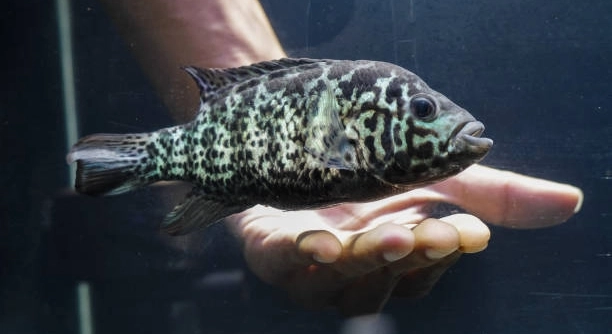
Jack Dempsey fish are known for their vibrant colors and strong personalities. Their aggressive nature can make keeping them in a home aquarium challenging for both new and experienced fish owners alike. Observing and managing their behavior is essential.
Managing aggression in Jack Dempsey fish involves controlling tank size, providing proper hiding spaces, maintaining a balanced diet, monitoring tank mates carefully, and ensuring water quality remains stable. These steps reduce stress and limit aggressive interactions effectively.
Learning how to implement these strategies will improve your fish’s environment and foster a calmer, healthier aquarium for all inhabitants.
Understanding Jack Dempsey Behavior
Jack Dempsey fish are naturally territorial and can become aggressive if they feel their space is threatened. They display dominance through chasing, nipping, or flaring their fins. Aggression often increases during feeding or breeding periods. Tank size plays a key role; small tanks limit swimming space and can heighten tension among fish. Providing sufficient hiding spots and decorations helps reduce conflicts. Overcrowding intensifies aggression, so careful planning of the number of fish is essential. Observing your fish regularly allows you to notice early signs of stress or injury. Maintaining stable water conditions is equally important, as poor water quality can make them more irritable. Proper diet and feeding schedules also influence behavior, helping them stay healthier and calmer. Understanding these aspects allows for proactive steps to minimize aggression and create a more harmonious environment for Jack Dempsey fish.
Regular observation helps you spot early signs of aggression and act before conflicts escalate.
By arranging a tank with enough space, hiding spots, and compatible fish, you create a calmer environment. Consistent water maintenance, balanced feeding, and monitoring interactions ensure that aggressive behaviors are managed effectively. Small adjustments like spacing decorations, providing separate feeding zones, and maintaining clear territories reduce stress. Using gentle filtration and maintaining stable temperatures also support calmer behavior. Tank mates should be chosen carefully, avoiding smaller or highly passive fish that may trigger dominance displays. Keeping a log of behavior patterns can help identify triggers and adapt care strategies. Over time, these measures significantly reduce aggressive episodes. Encouraging natural behaviors with adequate space and environmental enrichment promotes overall health.
Controlling Aggression Through Tank Setup
Tank size and layout strongly influence aggression. A larger tank with hiding places helps disperse dominance.
Arranging the tank thoughtfully requires considering both size and structure. A minimum of 55 gallons is ideal for a pair or small group. Use rocks, plants, and driftwood to create separate territories. Open swimming areas are equally important, allowing each fish to move freely. Dividing the tank visually with decorations can prevent constant confrontation and reduce stress. Keep aggressive fish apart when introducing new tank mates, and monitor interactions closely. Lighting should mimic natural cycles, which helps regulate mood. Regular cleaning and stable water parameters prevent irritation that could lead to aggressive behavior. Adjusting feeding locations and schedules ensures no single fish dominates mealtime. Over time, these careful arrangements lead to a balanced, calmer aquarium where Jack Dempsey fish can thrive.
Proper Diet and Feeding
A balanced diet reduces stress and limits aggressive behavior. Feeding high-quality pellets, occasional live or frozen food, and vegetables keeps Jack Dempsey fish healthy. Avoid overfeeding, as leftover food can degrade water quality and increase irritation among tank mates.
Providing a varied diet ensures that your fish get all essential nutrients, supporting growth, vibrant colors, and stable behavior. Feeding should be consistent, ideally twice daily in small amounts that they can finish in a few minutes. Supplementing with occasional live or frozen foods like brine shrimp or bloodworms encourages natural hunting instincts without triggering unnecessary aggression. Vegetables such as peas or spinach add fiber, helping digestion. Avoiding overfeeding prevents uneaten food from fouling the tank and causing stress, which can worsen aggression. Monitoring how your fish respond to different foods helps you adjust portions and maintain a calmer environment.
Meal timing and portion control are also crucial. Feeding in separate areas can reduce competition, giving each fish a chance to eat without confrontation. Observing their behavior during feeding helps identify overly aggressive individuals. Maintaining clean water, removing uneaten food promptly, and alternating diet types promotes calmer interactions. Gradual introduction of new foods ensures acceptance and reduces sudden spikes in activity that may provoke fights. A careful feeding routine directly impacts both aggression levels and overall fish health, making it easier to manage their behavior in the tank.
Choosing Compatible Tank Mates
Select fish that can tolerate Jack Dempsey aggression. Avoid very small, passive species that are easily harassed. Moderate-sized, robust fish work best.
Compatible tank mates help reduce stress and territorial disputes. Larger cichlids or other similarly sized fish with confident behavior often coexist more peacefully. Introducing tank mates gradually allows monitoring of interactions and early separation if conflicts occur. Avoid overstocking the tank, as it increases competition for territory and resources. Providing hiding spots for all species ensures everyone has a safe retreat. Observing how new fish adjust during the first few weeks is essential. Fish with different activity levels or swimming zones can reduce direct encounters. Proper selection and careful monitoring support a balanced environment where aggression is minimized.
The introduction of tank mates should be strategic. Start with less aggressive species and gradually add new fish, ensuring space for each to establish territories. Monitor all interactions closely, looking for persistent chasing, fin nipping, or stress signs. If aggression escalates, consider rearranging the tank or separating individuals temporarily. Using plants, rocks, and driftwood as natural barriers reduces visibility and confrontation. Mixing fish with varied behaviors and preferences for swimming zones can prevent overcrowding in certain areas. Feeding should be spread out to avoid competition, and water quality must remain high to prevent stress-induced aggression. Thoughtful selection, careful planning, and ongoing observation create a more harmonious aquarium where Jack Dempsey fish and their tank mates coexist safely.
Maintaining Water Quality
Clean water helps keep Jack Dempsey fish calm and healthy. Regular water changes, proper filtration, and monitoring parameters like pH, ammonia, and nitrate prevent stress that can trigger aggression.
Stable temperature and consistent water conditions reduce irritability. Sudden changes in temperature or chemistry often lead to heightened territorial behavior, making aggression worse.
Providing Hiding Spots
Hiding places allow fish to escape conflicts. Rocks, caves, and plants help disperse aggression and create safe territories for each individual.
Well-placed decorations break line of sight and give Jack Dempsey fish space to retreat. This lowers stress and reduces the frequency of chasing or nipping, fostering a calmer environment.
Monitoring Behavior
Regular observation identifies signs of stress or rising aggression early. Keep a close eye on interactions, especially during feeding or breeding periods.
Gradual Acclimation
Introducing new fish slowly helps reduce aggressive encounters. Quarantine new additions and allow them to adjust to tank conditions before full integration.
FAQ
How can I tell if my Jack Dempsey is too aggressive?
Signs of excessive aggression include constant chasing, fin nipping, and damage to other fish. Overly territorial behavior around feeding areas or hiding spots is also common. Watch for stress indicators such as faded color, rapid breathing, or unusual hiding. Consistent observation allows you to address issues before they escalate.
What tank size is best to reduce aggression?
A minimum of 55 gallons is recommended for a pair or small group. Larger tanks give each fish space to establish territory, reducing direct conflicts. Open swimming areas combined with hiding spots and decorations help disperse aggressive behavior and lower stress levels.
Can tank decorations really affect behavior?
Yes, decorations like rocks, caves, and plants break line of sight and create safe zones. Each fish can claim a territory without constant confrontation. Rearranging decorations occasionally can also prevent dominance patterns from forming.
How often should I feed my Jack Dempsey?
Feeding twice daily in small amounts is ideal. Overfeeding leads to leftover food, which can degrade water quality and trigger stress or aggression. Providing a balanced diet of high-quality pellets, live or frozen foods, and occasional vegetables keeps fish healthy and calmer.
What types of tank mates are suitable?
Choose robust, moderate-sized fish that can handle occasional displays of dominance. Avoid small, passive fish that may be harassed. Larger cichlids or similarly sized species with confident behavior often coexist better. Introduce new fish gradually and monitor interactions closely.
Do water conditions influence aggression?
Absolutely. Stable water parameters, including temperature, pH, ammonia, and nitrate levels, reduce irritability. Sudden changes in chemistry or temperature can provoke fights. Regular water changes and proper filtration help maintain calm and healthy behavior.
How can I prevent aggression during feeding?
Feed in multiple locations to prevent a single fish from dominating mealtime. Spread food evenly and remove leftovers promptly. Observing mealtime behavior allows adjustments in portions and feeding zones to reduce competition and stress.
Is breeding a trigger for aggression?
Yes, breeding pairs can become highly territorial. Providing extra hiding spots and separating other tank mates during this period can help manage conflicts. Observing closely ensures that aggression does not escalate into serious injury.
What should I do if aggression continues despite changes?
Temporary separation of aggressive individuals or rearranging tank decorations can help. In severe cases, moving the most aggressive fish to another tank may be necessary. Regular monitoring and consistent care practices are essential for long-term harmony.
Can stress from overcrowding cause aggression?
Yes, too many fish in a small space heightens territorial disputes. Maintaining appropriate stocking levels and providing adequate hiding places allows each fish to claim a comfortable territory and reduces conflicts.
How important is acclimation for new fish?
Gradual acclimation helps new fish adjust to tank conditions without immediate confrontation. Quarantining and slowly introducing them prevents sudden territorial disputes and reduces stress for both new and existing fish.
Do different feeding schedules affect behavior?
Consistent feeding schedules help regulate behavior. Sudden changes in timing or quantity can cause competition and increase aggression. Observing responses to feeding times helps optimize routines for calmer interactions.
Are there signs that a fish is stressed due to aggression?
Yes, stress can show as faded colors, hiding excessively, rapid breathing, or loss of appetite. Identifying stress early allows intervention, such as rearranging the tank, providing extra hiding spots, or adjusting tank mates.
Can rearranging the tank reduce aggression?
Repositioning rocks, plants, and caves breaks established dominance territories and line of sight. This disrupts constant chasing and allows fish to reset social hierarchies, which reduces aggression over time.
Does water temperature play a role in aggression?
Stable temperatures prevent irritability. Sudden fluctuations can provoke fights. Using a reliable heater and thermometer ensures consistent conditions, keeping fish calmer and less likely to engage in constant aggression.
How can I encourage natural behavior without increasing fights?
Providing a mix of open swimming areas and structured hiding spots encourages exploration while limiting direct confrontation. Supplementing with occasional live or frozen foods stimulates natural hunting instincts safely. Observation ensures interactions remain balanced and stress-free.
What is the role of observation in managing aggression?
Frequent monitoring allows early detection of chasing, fin nipping, or stress. Early intervention prevents serious injury and allows adjustments in tank setup, feeding routines, or tank mate selection. Careful observation is the most effective tool to maintain a calm environment.
How do I handle an overly aggressive fish safely?
Use a net or container to temporarily separate the fish if necessary. Rearranging decorations or creating visual barriers can help without direct handling. Always maintain calm, deliberate actions to avoid additional stress.
Can diet alone reduce aggression?
A proper diet supports overall health, reducing stress-related aggression. While diet alone cannot eliminate aggression entirely, balanced feeding combined with space, hiding spots, and compatible tank mates significantly lowers conflicts.
Is aggression more common in certain ages or sizes?
Yes, juvenile Jack Dempsey fish may be more skittish, while mature fish show established dominance. Larger, mature males can be more territorial, so tank size and social structure should accommodate their growth.
How do I integrate new fish without triggering fights?
Quarantine and acclimate new fish, provide hiding spots, and introduce them gradually. Monitor closely during the first weeks, separating if aggression becomes excessive. This careful approach reduces stress for both new and existing fish.
Can aggression affect overall tank health?
Yes, frequent fighting increases stress, lowers immunity, and can lead to injuries or disease. Maintaining proper tank conditions, diet, and compatible tank mates ensures both behavioral and physical health remain stable.
How long does it take for aggression levels to stabilize?
Aggression typically decreases over several weeks once fish establish territories and routines. Consistent observation, proper tank setup, and balanced care accelerate stabilization and foster a calmer environment.
Are there long-term strategies to prevent aggression?
Yes, maintaining stable water quality, sufficient space, structured territories, compatible tank mates, consistent feeding, and regular observation all contribute to long-term reduction in aggressive behavior. Adjustments as fish grow help maintain harmony.
What are the common mistakes that increase aggression?
Overcrowding, poor water quality, inconsistent feeding, lack of hiding spots, and incompatible tank mates are major contributors. Avoiding these mistakes minimizes conflict and keeps Jack Dempsey fish healthier and calmer.
Can environmental enrichment help?
Yes, providing varied decorations, plants, and spaces to explore stimulates natural behavior without causing fights. Enrichment reduces boredom and territorial disputes, supporting overall well-being in the tank.
Is it safe to keep only one Jack Dempsey to prevent fights?
A single fish avoids conflicts, but may become bored or stressed without companions. If keeping only one, ensure enrichment and space to maintain physical and mental health.
How often should I check for aggression signs?
Daily observation is ideal. Watch interactions during feeding, new introductions, and breeding periods. Early detection allows immediate action, preventing injury and stress, and maintaining a balanced tank environment.
What should I do if a fish is injured from aggression?
Isolate the injured fish, provide clean water, and monitor recovery. Minor injuries may heal on their own, but severe cases may require medication. Prevent repeat aggression by adjusting tank layout or separating aggressive individuals.
Can stress from handling increase aggression?
Yes, frequent or rough handling elevates stress levels. Minimize direct handling, use calm movements, and rely on nets or containers when necessary to reduce tension and maintain a stable environment.
Does lighting affect aggression?
Consistent lighting mimicking natural cycles helps regulate mood. Sudden bright lights or abrupt changes can trigger stress or heightened aggression. Adjust lighting gradually and provide shaded areas for retreat.
How can I measure success in reducing aggression?
Observe fewer chasing incidents, reduced fin damage, calmer feeding times, and more balanced territorial behavior. Fish displaying natural colors, steady appetite, and relaxed swimming indicate successful management.
Is it possible for Jack Dempsey to become fully non-aggressive?
Not entirely. They are naturally territorial, but proper tank setup, diet, compatible mates, and careful observation can significantly reduce aggressive interactions and promote a calmer aquarium environment.
Final Thoughts
Managing aggression in Jack Dempsey fish requires consistent care and attention to their environment. These fish are naturally territorial, and understanding their behavior is essential to maintaining a calm aquarium. Providing a sufficiently large tank gives them space to swim freely and reduces constant confrontations. Hiding spots, plants, and decorations allow each fish to establish a territory and retreat when needed. Overcrowding increases stress and can make aggression worse, so careful planning of tank population is important. Regular observation of your fish helps identify early signs of stress or conflict, allowing timely intervention before injuries occur. By combining space, structure, and consistent care, it is possible to minimize aggressive behavior and create a balanced environment for Jack Dempsey fish.
Diet and feeding play a critical role in controlling aggression. A balanced diet of high-quality pellets, live or frozen foods, and occasional vegetables ensures proper nutrition and supports stable behavior. Overfeeding or inconsistent feeding schedules can lead to competition and increased territorial displays. Feeding in multiple areas and removing leftover food prevents dominant fish from taking over mealtime and reduces conflicts. Observing how each fish reacts during feeding allows adjustments to portions and locations, helping maintain a calmer atmosphere. A proper diet, combined with clean water and stable environmental conditions, supports overall health and reduces irritability. Healthy fish are less likely to engage in constant chasing or nipping, which improves harmony within the tank.
Tank mates and acclimation are equally important in managing aggression. Choosing fish that are similarly sized and confident prevents smaller or passive species from being harassed. Gradual introduction of new fish, along with adequate hiding spaces, allows them to adjust without immediate confrontation. Regular monitoring of interactions during the first few weeks ensures that any aggressive behavior can be addressed quickly. Rearranging tank decorations or providing temporary separation can help reset dominance hierarchies and reduce stress. Stable water quality, consistent temperature, and proper lighting all contribute to a calmer environment. With careful planning, observation, and attention to detail, it is possible to maintain a peaceful tank where Jack Dempsey fish and their companions can thrive safely, reducing aggressive incidents and promoting long-term well-being.

Hello,
If you enjoy the content that we create, please consider saying a "Thank You!" by leaving a tip.
Every little bit helps us continue crafting quality advice that supports the health, happiness, and well-being of pets around the world, for pets of all shapes, sizes, and species.
We really appreciate the kindness and support that you show us!