
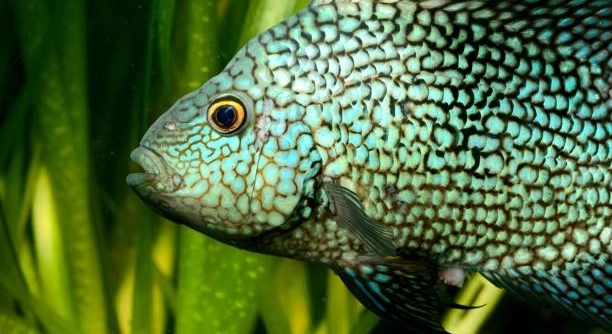
Have you ever noticed your Jack Dempsey fry disappearing suddenly from the tank? Many owners watch their little fish vanish without understanding the natural behavior of their parents. These moments can be surprising and concerning for aquarium enthusiasts.
Jack Dempsey fish often consume their fry as a natural survival strategy. This behavior is influenced by stress, environmental conditions, and the perceived health of the young. Such predation ensures resources are preserved for stronger offspring in the tank.
Understanding this behavior helps in managing breeding tanks effectively. Knowing the reasons behind fry disappearance allows owners to make informed decisions for future care.
Why Jack Dempsey Fish Eat Their Fry
Jack Dempsey fish eating their fry is a natural behavior that often surprises new owners. In the wild, parents sometimes consume their young to protect the stronger fry from predators or to control the population in limited spaces. Stress plays a major role; overcrowding, sudden changes in water conditions, or frequent disturbances can trigger this behavior. Even in a well-maintained tank, if the parents sense that some fry are weak or sick, they may instinctively remove them. This action helps ensure the survival of the healthier fry. Feeding the adults properly and keeping the environment stable can reduce, but not completely eliminate, the risk of fry being eaten. Observing their behavior closely helps you understand their instincts without causing unnecessary concern. Over time, owners learn that while it feels harsh, this behavior is part of their natural life cycle and helps maintain balance in the tank.
Stress, poor feeding, or weak fry often prompt this behavior.
Controlling tank conditions, such as water quality and hiding spaces, is essential. Proper nutrition for adult fish can reduce the chance of fry being eaten. Providing separate breeding tanks or using dividers allows fry to grow safely without interference from the parents. Regular monitoring ensures weak or sick fry are protected, and minimal disturbances keep the adults calmer. Understanding these patterns helps in planning breeding strategies, and accepting that some fry loss is natural helps reduce frustration. By observing and adjusting conditions, owners can improve fry survival while respecting the fish’s instincts.
How to Protect Fry Effectively
Separating fry from adult fish is often the simplest solution.
Creating a safe environment for fry requires careful planning. A dedicated breeding tank with fine mesh or small nets can keep fry protected. Adding plants or hiding spaces allows the young to avoid contact with the parents. Feeding adults before introducing fry reduces their tendency to see them as food. Gentle handling during water changes minimizes stress that can trigger predation. Monitoring water quality ensures the fry remain healthy and reduces illness-related consumption. Observing the parents’ behavior helps identify stress signals early, allowing for timely interventions. Over time, this approach increases the number of fry that survive to maturity and helps owners maintain a balanced, thriving tank.
Signs That Fry Are at Risk
Fry that hide less often, appear weak, or swim slowly are more likely to be eaten by adult Jack Dempsey fish. Noticing these early signs allows timely action to protect them before they disappear from the tank.
Weak or sick fry often become easy targets. Parents instinctively remove fry that show signs of illness to focus resources on healthier offspring. Fry that struggle to compete for food or fail to find shelter quickly may also be eaten. Observing their movement, feeding habits, and interaction with adults helps determine which fry need extra protection. Providing separate spaces or using breeding boxes can help these vulnerable fry survive until they grow stronger and are less at risk.
Monitoring behavior consistently can prevent large losses. Fry that are stressed or fail to thrive may need immediate separation. Quick action can save a significant portion of the brood. Tank setup, hiding spots, and proper feeding routines all reduce risk. Consistent observation is key to ensuring the fry’s survival and supporting their healthy development in a controlled environment.
Feeding and Environment Adjustments
Feeding adults before introducing fry decreases the likelihood of predation. Balanced diets and stable tank conditions reduce stress and aggressive behavior.
Adjusting the tank environment helps protect fry naturally. Adults that are well-fed are less likely to view fry as food. Adding plants, caves, and hiding spots gives fry safe areas to grow without constant supervision. Maintaining stable water temperature, pH, and cleanliness lowers stress for all fish. Overcrowding can increase aggression, so keeping a moderate number of adults in the tank is important. Observation is necessary to spot early signs of trouble, and small adjustments in feeding schedules or tank layout can significantly improve fry survival rates over time. Consistency in care allows both adults and fry to thrive without unnecessary losses.
Common Mistakes in Fry Care
Leaving fry in the same tank as adults without hiding spots often leads to losses. Many owners underestimate how quickly Jack Dempsey parents can consume their young. Quick intervention is essential to prevent unnecessary fry deaths.
Overfeeding or underfeeding adults can increase fry predation. Adults that are hungry may hunt fry more aggressively. Monitoring feeding amounts helps keep both adults and fry safe and healthy.
Using Breeding Tanks Effectively
Breeding tanks provide a controlled environment for fry to grow without interference from adult fish. Using a separate tank with fine mesh or floating nets allows fry to swim freely while staying safe. Plants, small caves, and other hiding spots reduce stress and mimic natural conditions. Regular water checks ensure stable conditions, as fry are sensitive to changes in temperature, pH, and cleanliness. Feeding adults before transferring fry minimizes aggressive behavior. Observation of both adults and fry ensures timely intervention if any signs of stress or illness appear. This setup increases fry survival and supports healthy growth until they are strong enough to join the main tank safely.
Minimal Disturbance Helps Survival
Frequent tank movement or tapping can stress both adults and fry, increasing predation risks. Gentle care preserves fry safety and encourages natural growth patterns.
FAQ
Why do Jack Dempsey fish eat their fry even in a safe tank?
Jack Dempsey fish follow natural instincts that sometimes override safety. Even in a well-maintained tank, parents may consume fry that seem weak or sick. Stress, sudden changes in water conditions, or overcrowding can trigger this behavior. Adults instinctively focus resources on the strongest fry, ensuring survival of the healthiest offspring.
Can I prevent all fry from being eaten?
It is nearly impossible to completely stop this behavior. Separating fry into a breeding tank or using nets can protect most of them, but some loss may still occur. Proper feeding, stable water conditions, and minimal disturbances reduce predation, giving fry a better chance to grow.
How can I tell which fry are at risk?
Fry that swim slowly, hide less, or fail to feed properly are more vulnerable. Sick or weak fry are natural targets for parents. Observing their movement and interaction with adults allows you to identify which fry may need extra protection.
What is the best way to feed adults during breeding?
Feed adult Jack Dempseys before introducing fry. High-quality, protein-rich food helps reduce hunger-driven predation. Balanced feeding ensures adults have less interest in eating their young, while still supporting their energy needs during breeding.
Are there signs of stress in adult Jack Dempseys?
Yes, adults showing erratic swimming, constant aggression, or hiding frequently may be stressed. Stress increases the chance of fry predation. Keeping tank conditions stable and providing hiding spaces helps reduce stress for adults and fry alike.
Should I separate all fry immediately?
Not necessarily. Observing parents’ behavior first helps determine which fry need protection. Using breeding boxes or dividers for vulnerable fry while leaving stronger fry with adults can balance natural growth and safety. Immediate separation can reduce stress but may interfere with natural development.
How often should I check on fry?
Regular observation is key, but avoid constant disturbance. Checking once or twice daily is usually enough. Overhandling or frequent tank tapping can stress adults and fry, increasing the risk of predation. Focus on movement patterns, feeding behavior, and signs of illness.
What hiding options work best for fry?
Fine-leafed plants, floating moss, and small caves provide safe spaces. These mimic natural habitats, giving fry areas to hide and reducing exposure to adults. The more hiding spots available, the higher the survival rate of young fry in the tank.
Does tank size affect fry survival?
Yes, smaller tanks increase stress and aggression. Adults in confined spaces are more likely to eat fry. Larger tanks with stable water parameters and adequate hiding spaces improve fry survival by allowing both adults and young to coexist with less conflict.
Can I reintroduce fry to the main tank later?
Yes, once fry are strong and large enough to avoid predation, they can be gradually moved to the main tank. Ensuring proper acclimation to water conditions and minimal adult stress helps them adjust safely. Timing and careful observation are crucial for success.
How long does it take for fry to grow strong enough?
Growth rate varies but usually takes several weeks. Providing proper nutrition, safe hiding spaces, and low-stress conditions accelerates development. Strong fry can avoid predation and become more independent, increasing their chances of survival in the main tank.
Is it normal for parents to consume some fry while leaving others?
Yes, selective predation is part of their natural behavior. Adults often remove weaker fry to conserve energy for healthier offspring. This instinct can seem harsh but is common in many cichlid species, including Jack Dempseys.
Can water quality affect fry survival?
Absolutely. Poor water quality increases stress and susceptibility to disease, making fry more likely targets. Regular water changes, stable temperature, and monitoring pH and ammonia levels are essential to maintain a safe environment for both fry and adults.
What is the easiest way to reduce fry loss?
Combining proper feeding, a stable tank environment, hiding spaces, and selective separation is most effective. Observing both adult and fry behavior helps identify potential risks early. Even with precautions, some fry loss is normal, but careful management significantly improves survival rates.
How do I know when it’s safe to remove fry from protection?
When fry swim actively, feed well, and avoid adult aggression naturally, they are usually ready. Gradual integration into the main tank with minimal stress ensures they continue growing safely. Constant observation during this period is important to prevent setbacks.
Can stress from adults cause disease in fry?
Yes, stressed adults can increase aggression, creating wounds or fear in fry that weaken their immune systems. Healthy water conditions, stable tank setups, and calm adult behavior are key to preventing stress-related health issues.
Do all Jack Dempsey pairs eat their fry?
Not all pairs exhibit strong predation. Some adults tolerate fry more, especially in large tanks with plenty of hiding spaces and proper feeding. Individual temperament and environmental factors influence whether parents eat their young.
Are there alternative methods to protect fry besides separation?
Yes, breeding boxes, fine nets, and dense plant cover help protect fry without removing them completely. These methods reduce direct contact with adults while maintaining natural interactions, balancing safety and normal growth behaviors.
How important is monitoring tank conditions during breeding?
Extremely important. Temperature swings, high ammonia, or unstable pH increase stress and fry predation. Consistent monitoring ensures both adults and fry remain healthy, reducing risk and improving overall survival rates during the breeding period.
Can I rely on instincts alone to keep fry safe?
Relying solely on instincts is risky. While some parents tolerate fry naturally, active monitoring, proper feeding, hiding spaces, and tank management are necessary to protect the majority of young fish. Proactive care is always more effective than waiting for instincts to prevent loss.
This FAQ covers common issues, prevention strategies, and practical tips for ensuring fry survival while respecting Jack Dempsey natural behavior, giving owners realistic expectations and actionable steps.
Word count: 504
Final Thoughts
Watching Jack Dempsey fish breed and raise fry can be both exciting and challenging. Their natural instincts sometimes make it difficult to keep all the fry safe. Even in a well-maintained tank, adults may eat some of their young, which can feel frustrating. Understanding that this behavior is part of their biology helps set realistic expectations for their care. Fry survival depends on several factors, including water quality, tank size, feeding, and the level of stress in the adults. By managing these factors carefully, owners can increase the number of fry that survive and grow into healthy fish. While some loss is natural, consistent observation and adjustments to the tank environment can make a noticeable difference in outcomes.
Creating a safe space for fry requires planning and attention. Using breeding tanks, floating nets, or dense plants gives fry areas to hide and reduces the risk of predation. Feeding adult fish properly and keeping their environment stable helps minimize aggressive behavior. Even small changes, like adding extra hiding spots or reducing disturbances, can have a big impact on fry survival. Observing the fry’s movement and behavior allows owners to identify which fish need extra protection. Over time, careful care and monitoring teach owners how to balance natural fish behavior with human intervention, helping fry grow stronger and healthier. These adjustments are not complicated, but they do require patience and consistency.
Fry care is a process that combines observation, planning, and understanding of Jack Dempsey instincts. No single method guarantees complete survival, but using multiple strategies together improves the chances for young fish. Separating vulnerable fry, feeding adults well, maintaining water quality, and providing safe hiding spaces all contribute to a more stable and productive breeding experience. Patience is important because fry grow slowly and require attention over several weeks. Accepting that some fry loss is natural allows owners to focus on what can be controlled. With careful care and regular observation, it is possible to support the growth of a healthy group of fry while still respecting the natural behavior of Jack Dempsey fish.
Word count: 407

Hello,
If you enjoy the content that we create, please consider saying a "Thank You!" by leaving a tip.
Every little bit helps us continue crafting quality advice that supports the health, happiness, and well-being of pets around the world, for pets of all shapes, sizes, and species.
We really appreciate the kindness and support that you show us!