
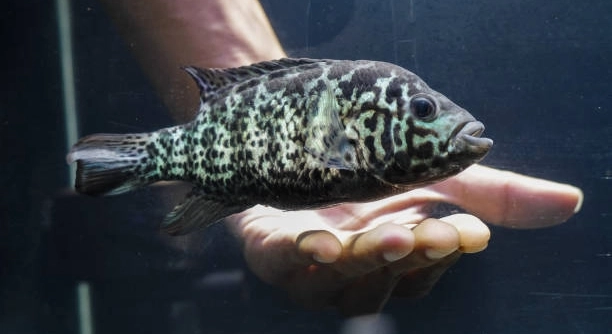
Breeding Dempseys can feel exciting but also challenging, especially for new fish keepers. Watching their colors and behavior is rewarding, yet achieving consistent results requires focus, patience, and attention to both diet and tank environment.
Improving breeding success in Dempseys depends on maintaining stable water parameters, providing a nutritious diet, ensuring proper tank setup, and selecting compatible pairs. Regular monitoring and careful management of these factors promote healthy fry and higher reproduction rates.
These steps offer practical guidance for creating a stable and supportive environment for Dempseys, helping breeders increase their chances of successful reproduction.
Preparing the Tank for Breeding
Setting up the tank properly is the first step in increasing breeding success with Dempseys. A clean, well-maintained environment helps reduce stress and encourages natural behavior. The tank should be at least 55 gallons for a pair, with smooth substrate and hiding spots made from rocks or PVC pipes. Stable water conditions are essential, with a temperature between 78–82°F and a pH around 6.5–7.0. Regular water changes of 20–25% per week keep ammonia and nitrate levels low. Adding soft lighting and gentle filtration mimics natural habitats, creating a comfortable space for the fish to display breeding behaviors. Plants can be included but ensure they do not overcrowd the tank. A peaceful environment without aggressive tank mates allows the pair to focus on courtship and egg-laying without unnecessary stress. Observing the fish closely helps identify readiness to breed and prevent early conflicts.
Proper tank preparation is key for Dempseys to feel safe and display natural breeding behavior.
Maintaining a calm and stable environment sets the foundation for successful breeding. Choosing the right tank size, providing hiding spots, and ensuring water parameters are within ideal ranges encourages Dempseys to engage in courtship and spawning. Cleanliness and consistent maintenance are just as important as tank design.
Selecting Compatible Pairs
Compatibility is essential to prevent aggression and ensure successful mating.
Selecting a compatible male and female involves observing behavior, size, and temperament. Both should be healthy and free from visible signs of disease. Ideally, males are slightly larger with brighter colors, while females are rounder, especially when carrying eggs. Introduce pairs gradually and monitor interactions closely. Aggressive behavior can result in stress or injury, so separate fish if conflicts escalate. Allowing them to become comfortable with each other in a neutral space before the breeding tank can reduce tension. Feeding a varied diet before pairing strengthens their health and readiness to breed. Patience is important, as forcing incompatible fish together often leads to failure.
Once compatible pairs are established, maintaining a calm environment becomes the next priority. Observing their interactions helps you identify readiness for spawning, and providing enough space and hiding spots prevents aggression. Feeding high-quality foods rich in protein supports reproductive health. The combination of proper pair selection, gentle introduction, and ongoing care significantly improves the chances of healthy eggs and fry. Attention to these details ensures that both male and female are comfortable, reducing stress-related behaviors that can interfere with breeding. Regular monitoring allows for timely intervention if any issues arise. By focusing on compatibility and careful observation, breeders can create conditions that naturally encourage mating while minimizing risks to the fish.
Feeding for Breeding Success
Providing a nutritious diet is essential for Dempseys to develop healthy eggs and sperm. High-protein foods like live or frozen brine shrimp, bloodworms, and quality pellets improve fertility and overall vitality, supporting successful reproduction in the breeding tank.
A varied diet strengthens both male and female Dempseys. Protein-rich foods encourage growth and enhance coloration, which is important for mating displays. Feeding small amounts multiple times a day ensures steady nutrition without polluting the water. Fresh, high-quality live or frozen foods stimulate natural hunting behavior, which can trigger readiness to spawn. Avoid overfeeding, as excess food can cause water quality issues and stress the fish. Supplements such as vitamins or enriched pellets help maintain optimal health. Healthy fish are more likely to engage in courtship and produce viable eggs, reducing the chances of reproductive failure. Observing feeding behavior also helps detect any early signs of illness or stress.
Consistency in diet plays a major role in preparing Dempseys for breeding. Rotating foods, providing live options, and maintaining proper portions ensure the fish remain active, healthy, and ready for reproduction. Strong, well-fed fish are more likely to pair successfully, complete courtship rituals, and lay eggs with higher survival rates. Maintaining water quality alongside proper feeding enhances overall tank conditions, creating an environment that supports both breeding and fry development.
Maintaining Water Quality
Stable water conditions are critical for breeding Dempseys, as fluctuations can stress the fish and reduce spawning success.
Regular water testing ensures that temperature, pH, ammonia, nitrite, and nitrate levels remain within ideal ranges. Using a reliable filtration system and performing weekly water changes helps maintain cleanliness. Sudden changes in water chemistry can disrupt spawning behavior, so all adjustments should be gradual. Removing uneaten food and debris prevents toxic buildup that could harm adults or fry. Soft, slightly acidic water is preferred, and a heater helps maintain consistent temperatures. Observing fish behavior can indicate if water conditions need attention, as lethargy or aggression often signals stress.
Maintaining excellent water quality requires diligence and routine. Regular testing, careful adjustments, and consistent cleaning prevent harmful fluctuations. This also supports fry survival by reducing exposure to toxins. Good filtration, combined with partial water changes, helps keep the tank environment balanced. Stability in water parameters encourages Dempseys to focus on breeding rather than coping with stress. Using gentle aeration ensures oxygen levels remain sufficient, supporting both adult fish and eggs. By prioritizing water quality, breeders increase the chances of producing healthy fry while minimizing risks associated with poor conditions.
Creating Hiding Spots
Hiding spots are important to reduce stress and prevent aggression during breeding. Rocks, PVC pipes, or sturdy decorations give Dempseys safe areas to retreat and establish territory, encouraging natural courtship and egg-laying behavior.
Providing multiple hiding places helps both male and female feel secure. Safe retreats reduce conflicts and support healthier interactions during breeding, allowing them to focus on spawning rather than fighting.
Monitoring Behavior
Watching Dempseys closely allows early detection of breeding readiness. Signs include pairing, cleaning surfaces, and gentle chasing. Recognizing these behaviors helps ensure timely care and optimal conditions.
Separating Aggressive Fish
Aggressive behavior can damage both adults and eggs. Removing overly aggressive fish quickly prevents injury and increases the chance of successful spawning.
FAQ
How often should I feed Dempseys during breeding?
Feeding should be consistent but not excessive. Offer small portions two to three times a day, including high-protein foods like live or frozen brine shrimp, bloodworms, and quality pellets. This helps maintain energy, enhances coloration, and supports healthy egg and sperm development. Overfeeding can pollute the tank and stress the fish, so remove uneaten food promptly.
What water parameters are best for breeding Dempseys?
Stable water is crucial. Keep the temperature between 78–82°F, pH around 6.5–7.0, and ammonia and nitrite at zero. Nitrate should be kept below 20 ppm. Regular testing and gradual adjustments prevent stress. Soft, slightly acidic water is preferred. A reliable filter and routine water changes maintain cleanliness and stability, which directly influence spawning success.
Do Dempseys need a separate breeding tank?
Yes, a separate tank is highly recommended. This reduces aggression from other fish, prevents eggs or fry from being eaten, and allows you to control water conditions precisely. The breeding tank should have smooth substrate, hiding spots, and gentle filtration. Observing behavior in this environment helps identify courtship and readiness to spawn.
How can I tell if my Dempseys are ready to breed?
Signs include pairing, the male cleaning surfaces, gentle chasing, and showing brighter colors. The female may appear rounder when carrying eggs. Observing these behaviors helps you know when to provide optimal conditions and ensure the pair is compatible. Patience is key, as forcing breeding too early can lead to aggression or stress.
What should I do if eggs are being eaten?
Egg-eating is common with Dempseys. Removing eggs to a separate rearing tank or using a breeding mop can protect them. Another approach is closely monitoring the parents and providing multiple hiding spots for eggs. Consistent feeding helps reduce this behavior, as well-fed fish are less likely to consume eggs.
How long does it take for Dempsey eggs to hatch?
Eggs usually hatch within three to five days, depending on temperature and water quality. Keep the water clean and stable during this period. Once hatched, the fry are very small and require careful feeding with infusoria or specially prepared fry food before progressing to larger foods.
Can I breed Dempseys with aggressive pairs?
Aggressive pairs can be risky. Some aggression is natural, but if fighting becomes severe, separate the fish to prevent injuries. Providing multiple hiding spots and maintaining a spacious tank reduces conflicts. Only pair fish that show compatible behavior, and monitor them closely during the early stages of breeding.
How often should I change water in a breeding tank?
Partial water changes of 20–25% per week are sufficient, but remove uneaten food daily. Consistent maintenance prevents toxin buildup and supports fry survival. Avoid sudden large changes in water parameters, as these can stress the fish and disrupt spawning or fry development.
What is the best diet for fry?
Start with infusoria or liquid fry food for the first few days. Gradually introduce baby brine shrimp and finely crushed pellets as they grow. Proper nutrition is crucial for survival, growth, and color development. Feed small amounts multiple times a day to prevent overfeeding and maintain water quality.
Can I breed Dempseys in a community tank?
Community tanks are not ideal for breeding. Other fish may stress the pair or eat eggs and fry. Using a dedicated breeding tank ensures better control over water conditions, reduces aggression, and increases the survival rate of offspring. Observing the pair closely is much easier in a separate tank.
How do I prevent fungus on Dempsey eggs?
Maintain excellent water quality and remove dead or unfertilized eggs immediately. Some breeders use mild antifungal treatments like methylene blue, but this should be done carefully. Clean, stable conditions and proper aeration are the most effective ways to prevent fungal growth naturally.
How long until fry start eating regular food?
Fry begin to take baby brine shrimp or finely crushed pellets after five to seven days, depending on growth. Gradually transition to larger foods as they develop. Monitoring their feeding ensures proper growth and reduces the risk of malnutrition or stunted development.
What should I do if a pair fails to breed?
Assess water quality, diet, and compatibility. Sometimes pairs need time to adjust to each other or the tank. If aggression persists, try selecting another compatible pair. Adjusting feeding routines, improving tank conditions, and ensuring minimal stress often lead to successful breeding in the next attempt.
How many eggs can Dempseys lay at once?
Females can lay anywhere from 300 to 800 eggs depending on size, age, and health. Providing a secure and clean environment ensures maximum survival. Monitoring egg condition and removing infertile eggs improves overall hatching rates and reduces fungus risk.
Are Dempseys difficult to breed compared to other cichlids?
They are moderately challenging. Dempseys require stable water conditions, proper diet, and compatible pairs. Aggression and stress can hinder breeding. With careful preparation, monitoring, and patience, breeding success rates improve significantly. Consistency and attention to detail are more important than complex techniques.
How often can Dempseys breed?
Pairs may breed every few months if conditions are optimal. After spawning, allow time for recovery and rest. Overbreeding can weaken the fish and reduce egg quality, so maintaining a healthy routine is essential for repeated success.
Is it necessary to separate fry from parents?
Yes, separating fry increases survival rates. Adults may eat eggs or fry if left together. Using a rearing tank or protective breeding mops ensures fry can grow safely until large enough to join the main tank. Proper care during this stage is crucial for healthy development.
Can water hardness affect breeding?
Yes, softer, slightly acidic water is preferred. Hard water may stress the fish and reduce egg viability. Regular testing and adjustments help maintain ideal conditions. Water parameters directly influence courtship behavior, egg development, and fry survival.
How do I reduce stress during breeding?
Maintain stable water parameters, provide hiding spots, avoid overhandling, and feed consistently. Stress reduces mating behavior, fertility, and survival of eggs and fry. Observing fish without disturbing them allows natural behavior to take place while minimizing risk.
What is the ideal tank size for breeding pairs?
A minimum of 55 gallons is recommended for one pair. Larger tanks reduce aggression, provide space for territory, and offer more hiding spots. Proper tank size supports natural behavior and increases the likelihood of successful spawning.
How can I tell if eggs are fertilized?
Fertilized eggs are clear and slightly opaque, while unfertilized ones turn white and may develop fungus. Removing infertile eggs promptly prevents fungal growth and protects healthy eggs, improving the overall hatching rate.
How long should fry stay in the breeding tank?
Fry should remain in the breeding or rearing tank until they are large enough to eat prepared foods and strong enough to avoid predation. This is usually several weeks, depending on growth rate and tank conditions.
Can temperature fluctuations harm breeding?
Yes, sudden changes can stress fish, disrupt spawning, and reduce fry survival. Maintain a stable temperature with a heater if needed. Gradual adjustments, if necessary, prevent shock and support normal reproductive behavior.
Is it necessary to clean the breeding tank during spawning?
Remove uneaten food and dead eggs, but avoid large water changes during active spawning. Keeping the tank clean without disturbing eggs maintains water quality and reduces stress, supporting healthy development.
How do I improve coloration for breeding displays?
A high-protein diet, clean water, and proper lighting enhance colors. Vibrant males attract females, which can increase spawning success. Stress reduction and overall health are equally important for natural courtship displays.
What is the best way to introduce a pair?
Use a neutral tank or divider at first. Allow fish to see and sense each other without direct contact. Gradually remove the divider once compatibility is confirmed. This reduces aggression and increases the chance of successful pairing.
Can Dempseys breed multiple times in a year?
Yes, if conditions are optimal and fish remain healthy. Allow recovery time between spawnings to maintain egg quality and avoid stress. Overbreeding can weaken adults and reduce long-term reproductive success.
How do I care for fry after hatching?
Feed infusoria or liquid fry food initially, then transition to baby brine shrimp and finely crushed pellets. Keep water clean, provide gentle aeration, and monitor growth. Gradual transitions and consistent feeding help fry develop strong immune systems and vibrant coloration.
Are there signs of stress that prevent breeding?
Yes, aggression, lethargy, loss of appetite, and hiding excessively indicate stress. Adjust water parameters, reduce handling, and ensure hiding spots to restore comfort. Stress directly affects reproductive behavior and egg viability, so early intervention is essential.
What role does tank layout play in breeding?
Providing open areas for courtship, hiding spots for security, and smooth surfaces for egg-laying encourages natural behaviors. A well-planned layout reduces aggression and allows pairs to focus on breeding rather than territorial disputes.
Can I use plants in a breeding tank?
Yes, but keep them sparse to avoid overcrowding. Plants provide security for shy fish but should not interfere with courtship or egg-laying. Use hardy species that tolerate water changes and do not shed debris, which can affect water quality.
How long does it take for fry to grow to juvenile size?
Fry grow quickly under optimal conditions, reaching juvenile size in six to eight weeks. Proper feeding, clean water, and low stress are key to healthy growth. Monitoring progress ensures timely adjustments in diet and tank maintenance.
Is special lighting needed for breeding?
Normal aquarium lighting is sufficient. Gentle, consistent light helps establish a natural day-night cycle, which encourages regular behavior. Avoid sudden changes or overly bright lights that could stress the fish.
Do Dempseys need partners of the same size?
A slightly larger male is ideal, while the female should appear healthy and round when carrying eggs. Extreme size differences may increase aggression or reduce spawning success. Observing behavior is more important than exact measurements.
Can I breed Dempseys in cold climates?
Yes, with a heater to maintain stable temperatures. Sudden drops can stress fish, so insulated tanks or controlled indoor conditions are necessary. Stable warmth supports courtship, egg development, and fry survival.
How often should I observe the breeding pair?
Daily observation is sufficient. Watch for courtship behaviors, aggression, and feeding patterns. Avoid excessive interference, which can stress the fish. Monitoring helps detect issues early and supports successful reproduction.
Are Dempseys compatible with other cichlids during breeding?
No, other cichlids may stress the pair or consume eggs. Use a dedicated breeding tank to ensure compatibility, reduce aggression, and protect offspring. Compatibility is a key factor in successful reproduction.
Can I induce breeding artificially?
Raising temperature gradually, improving diet, and stabilizing water parameters can trigger spawning. No chemicals or forced methods are necessary. Patience and proper environmental cues usually result in natural breeding behavior.
How do I handle a sick breeding fish?
Isolate the fish in a hospital tank, treat appropriately, and ensure the main breeding pair is not stressed. Illness reduces fertility and may introduce pathogens to eggs or fry. Early detection is critical for successful breeding outcomes.
What is the average lifespan of Dempseys?
They can live 10–15 years in proper care. Long-lived, healthy adults have multiple breeding cycles if conditions are maintained, making consistency in diet, tank care, and water quality essential for ongoing reproduction.
Can overfeeding affect breeding?
Yes, it causes poor water quality and stress, reducing spawning success. Feed appropriate portions, remove uneaten food, and maintain a balanced diet to encourage healthy courtship and egg-laying.
How do I know if fry are healthy?
Active swimming, steady growth, and bright coloration indicate healthy fry. Weak, lethargic, or stunted fry may reflect poor water quality, inadequate nutrition, or disease. Consistent care and monitoring ensure proper development.
Can Dempseys breed without hiding spots?
They may attempt, but success is lower. Hiding spots reduce stress, minimize aggression, and provide security for both adults and eggs. Adequate cover is essential for optimal breeding outcomes.
Is it possible to overbreed Dempseys?
Yes, repeated spawning without recovery weakens adults, reduces egg quality, and increases stress. Allow rest periods and maintain optimal conditions to preserve health and reproductive success over time.
How long should I wait between breeding attempts?
Allow at least several weeks for recovery. Overbreeding reduces egg viability and can harm adult health. Monitoring diet, water quality, and stress levels helps determine when the pair is ready again.
What are common mistakes in Dempsey breeding?
Poor water quality, incompatible pairs, overfeeding, insufficient hiding spots, and rushing the process are frequent errors. Addressing these factors improves success rates and reduces stress on both adults and fry.
Can stress prevent fry from hatching?
Yes, high stress in adults can lead to unfertilized eggs, egg abandonment, or poor parental care. Maintaining calm, stable conditions and providing security supports successful hatching and fry development.
Do temperature and pH need to match natural habitats?
Yes, mimicking natural conditions encourages courtship and spawning. Stable, slightly acidic water with moderate warmth supports healthy eggs and fry survival, ensuring the breeding process proceeds naturally.
How important is observation during the first week of fry life?
Crucial. Fry are delicate and require clean water, appropriate food, and gentle aeration. Monitoring daily allows timely intervention for growth issues, water quality, or mortality, ensuring the highest survival rate.
Can Dempseys breed successfully indoors?
Yes, indoor tanks with controlled temperature, lighting, and water parameters support breeding. Consistency in care reduces stress, encourages courtship, and improves egg and fry survival rates.
What is the best way to clean a breeding tank without disturbing eggs?
Remove debris and uneaten food carefully. Partial water changes help maintain water quality without stressing the fish or eggs. Avoid aggressive scrubbing near eggs to prevent damage.
How long does the breeding process usually take?
From courtship to egg-laying, it may take several days. Fry hatch within three to five days. Proper preparation and consistent observation ensure smooth progression through each stage.
Can Dempseys lay eggs without mating?
Yes, females may lay unfertilized eggs. These should be removed to prevent fungus growth. Fertilized eggs require a compatible male and proper environmental conditions.
What are the early signs of fry development?
Fry start as tiny, translucent larvae. Movement, yolk sac absorption, and gradual growth indicate normal development. Feeding should begin once yolk sacs are depleted, and water quality must be closely monitored.
How can I improve survival rates of fry?
Provide stable water, proper nutrition, gentle aeration, and avoid overcrowding. Regular observation, removal of dead eggs, and minimizing stress from parents or tank mates ensure healthier fry growth and higher survival chances.
Are there seasonal factors affecting breeding?
Slight changes in light cycles and temperature can mimic natural seasonal cues, encouraging spawning. Consistency in care remains more important than strict seasonality indoors.
Can Dempseys rebreed quickly after losing eggs?
Yes, if stress is minimized and conditions are optimal. However, allow time for recovery to ensure health and better success in the next spawning attempt.
What signs indicate fry are ready for larger food?
Active swimming, visible growth, and stronger mouths suggest readiness. Transition gradually from infusoria to baby brine shrimp and finely crushed pellets to support continued development.
How can I prevent disease during breeding?
Maintain clean water, avoid overfeeding, quarantine new fish, and monitor for signs of illness. Healthy adults produce stronger eggs, and fry have higher survival rates when disease is minimized.
Are Dempseys mouthbrooders or egg layers?
Dempseys are substrate spawners, not mouthbrooders. Eggs are laid on smooth surfaces, and parents guard and fan them to ensure proper oxygenation until hatching.
Is it necessary to separate fry by size?
Yes, if multiple batches coexist. Larger fry can outcompete smaller ones for food. Separation ensures uniform growth and reduces mortality caused by competition.
Can breeding stress cause color changes?
Yes, stressed Dempseys may lose brightness. Maintaining calm, clean conditions and proper diet restores coloration and encourages natural courtship behavior.
How important is tank location for breeding?
Quiet, stable areas reduce stress. Avoid frequent disturbances, loud noises, or vibrations, as these can interfere with courtship, egg-laying, and fry survival.
What is the best way to acclimate fry to the main tank?
Introduce fry gradually once they are strong and large enough to avoid predation. Slowly adjust water parameters to match the main tank and monitor for stress or illness.
Do Dempseys require a specific substrate for spawning?
Smooth, flat surfaces are ideal. Rocks, tiles, or PVC pipes allow eggs to adhere and are easy to clean. Avoid rough substrates that can damage eggs or fry.
Can breeding Dempseys in a small tank succeed?
Limited space increases aggression and stress, lowering success. Minimum 55 gallons is recommended to allow territory establishment, hiding spots, and proper courtship behaviors.
How long should parents guard eggs?
Typically, parents guard eggs until they hatch, usually three to five days. Some may continue protecting fry for several days afterward. Observation ensures eggs are safe and interventions are timely.
Are there signs of infertile eggs?
Infertile eggs turn white, may develop fungus, and fail to hatch. Removing them quickly prevents contamination of healthy eggs and supports higher hatching rates.
What equipment is essential for breeding?
A heater, reliable filter, water testing kits, thermometer, gentle aeration, and proper tank decor are essential. These tools maintain stable, clean conditions and support successful spawning.
Can I use chemical enhancers for breeding?
No, natural methods such as proper diet, temperature, and stable water are sufficient. Chemical enhancers are unnecessary and may harm fish or fry.
How do I know when fry are independent?
Fry swim actively, feed confidently, and no longer rely on parents. At this stage, they can be gradually moved to a larger or main tank without risk.
Is frequent handling of fish recommended?
No, handling increases stress, reduces spawning chances, and can harm eggs or fry. Observation should be done visually without disturbing the tank.
Can Dempseys breed with siblings?
It is not recommended due to inbreeding risks, which can reduce fry health and coloration over generations. Use unrelated, healthy pairs for best results.
**
Final Thoughts
Breeding Dempseys can be a rewarding experience, but it requires attention, patience, and careful preparation. These fish are naturally territorial and sometimes aggressive, so understanding their behavior is key to creating a successful breeding environment. Providing a clean, stable tank with proper hiding spots and smooth surfaces for egg-laying helps reduce stress and encourages natural behaviors. Observing the pair closely allows you to detect readiness for spawning, monitor courtship behaviors, and respond quickly if aggression or issues arise. Small details, like consistent water changes and maintaining stable temperature and pH, have a significant impact on the overall success of breeding and the survival of eggs and fry.
Nutrition is another important factor in breeding success. Feeding a balanced, high-protein diet to both male and female Dempseys improves overall health, enhances coloration, and increases fertility. Including a mix of live or frozen foods such as brine shrimp and bloodworms alongside high-quality pellets ensures that the fish receive essential nutrients. Overfeeding should be avoided, as leftover food can quickly pollute the tank and create stress. Fry require special attention with appropriately sized food to support their early growth and development. Feeding in small, consistent amounts and gradually increasing food size as fry grow helps them thrive while keeping water quality stable. Healthy, well-fed adults are more likely to engage in proper courtship and successfully produce viable eggs.
Patience and observation are essential throughout the breeding process. Not every attempt will result in successful spawning, and some pairs may need time to become compatible. Monitoring water quality, providing suitable tank layouts, and reducing stress through proper care increases the likelihood of success. Removing infertile eggs, separating aggressive individuals, and protecting fry are all part of ensuring that the offspring survive and grow strong. Breeding Dempseys is a process that rewards careful attention to detail and consistency in care. Following these steps helps create a safer, healthier environment for both the adult fish and their young, supporting long-term reproductive success and maintaining the overall health of your fish population.

Hello,
If you enjoy the content that we create, please consider saying a "Thank You!" by leaving a tip.
Every little bit helps us continue crafting quality advice that supports the health, happiness, and well-being of pets around the world, for pets of all shapes, sizes, and species.
We really appreciate the kindness and support that you show us!