
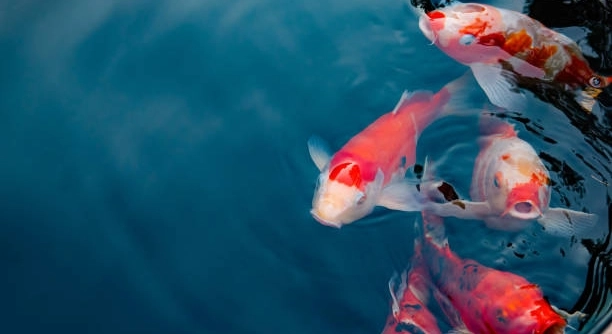
Koi fish are known for their graceful movements and calm presence in ponds. They often swim quietly, creating a peaceful atmosphere around them. Observing their silent swimming can bring a sense of calm and curiosity to many people.
When koi swim in silence, it typically indicates a state of comfort and calmness within their environment. This quiet behavior reflects their natural, stress-free condition, where they feel safe, healthy, and undisturbed by external factors.
Learning more about this silent swimming can help you better understand koi behavior and create a more harmonious environment for them in your pond.
Understanding Why Koi Swim Quietly
Koi swimming quietly often means they feel safe and comfortable. These fish are sensitive to their surroundings and can show stress by erratic or fast swimming. When koi move calmly and silently, it usually means water conditions are right—clean, well-oxygenated, and at a good temperature. It also suggests that koi are not threatened by predators or disturbances. Their slow, gentle swimming helps them conserve energy, which is important for their health. Koi are social creatures, so quiet swimming can also indicate peaceful interaction within their group. When they feel content, koi will explore the pond calmly and display their beautiful colors more vividly. Keeping a stable environment helps maintain this peaceful behavior. Watching koi glide quietly can be a relaxing experience, reflecting harmony between the fish and their habitat.
Silent swimming is often a sign of koi’s good health and balanced environment.
Observing these calm movements can help pond owners detect early signs of stress or illness. When koi suddenly start swimming fast or jumping, it may indicate problems such as poor water quality or disease. Maintaining proper filtration and regular water checks supports their quiet and peaceful nature. Feeding koi on a consistent schedule and avoiding overcrowding also promotes calm behavior. It’s important to remember that koi, like any living creatures, respond quickly to changes around them. A quiet koi pond is usually a well-maintained pond where fish thrive and feel secure.
How Environment Affects Koi Behavior
Koi behavior changes based on their surroundings and water quality.
Water temperature, pH levels, and cleanliness directly impact how koi swim and act. Koi prefer temperatures between 65 and 75 degrees Fahrenheit and a neutral pH around 7. If the water is too cold, koi become sluggish; if too warm, they become restless and may swim faster. Poor water quality with high ammonia or nitrates stresses koi, causing erratic swimming or hiding. Proper filtration and aeration ensure oxygen levels stay high, helping koi stay calm and swim smoothly. Light levels also affect koi; they are more active in daylight and tend to swim quietly during dawn or dusk. A stable, clean, and well-oxygenated environment supports healthy koi behavior, encouraging peaceful swimming and overall well-being. Monitoring and adjusting the pond conditions regularly helps koi maintain their quiet and graceful presence.
Recognizing Signs of Stress in Koi
Koi that are stressed often show signs like rapid swimming, hiding, or refusing food. These behaviors contrast sharply with their usual calm and silent swimming.
Stress in koi can come from many sources, including poor water quality, sudden temperature changes, or overcrowding. When stressed, koi may become less colorful or develop spots and sores. They might also gasp at the surface if oxygen levels are low. It’s important to watch for these changes early to prevent illness. Stress weakens their immune system, making them more vulnerable to infections and parasites. Proper pond maintenance and a stable environment help reduce stress and keep koi healthy.
Ignoring stress signs can lead to serious health problems. Taking quick action by testing water quality, adjusting temperature, and providing hiding spots supports koi recovery. Feeding them high-quality food in small amounts reduces strain on their digestion. Koi need a calm environment to thrive, and recognizing stress early is key to their well-being.
The Role of Pond Maintenance
Regular pond maintenance is essential for koi health and calm behavior.
Cleaning filters, removing debris, and testing water quality help keep the pond balanced. Dirty water causes stress and illness in koi, leading to noisy and erratic swimming. Replacing some water weekly helps maintain good conditions. Proper aeration increases oxygen levels, supporting quiet and smooth movement. Avoid overfeeding to prevent water pollution and excess waste. Keeping plants around the pond also benefits koi by providing shade and shelter. A well-maintained pond creates a peaceful space where koi can swim silently and enjoy their environment.
How Koi Communicate Without Sound
Koi use body language to communicate instead of making noise. Their movements, fin positions, and colors all send signals to other koi.
Silent swimming often means koi are relaxed and not feeling threatened. Quick or erratic swimming can show stress or excitement.
Feeding Habits and Their Impact on Swimming
Feeding koi properly encourages calm swimming. Overfeeding can lead to poor water quality, which stresses the fish and makes them swim frantically. Feeding small amounts several times a day helps maintain clean water and peaceful behavior. High-quality food supports their health, making silent swimming more common.
Seasonal Changes and Koi Behavior
Koi behavior shifts with the seasons. Cooler temperatures slow their metabolism, causing quieter, slower swimming. Warmer months bring more activity, but koi still swim quietly when comfortable.
Creating a Peaceful Pond Environment
Adding plants and hiding spots helps koi feel secure. A peaceful environment encourages calm, silent swimming.
FAQ
Why do koi swim silently instead of making noise?
Koi are fish that do not produce sounds to communicate. Instead, they use body language, such as fin movement, posture, and swimming patterns, to show how they feel. Silent swimming usually means they feel calm and safe in their environment. Loud or fast swimming often signals stress or disturbance.
Can koi make any noise at all?
Koi generally do not make noises that humans can hear. They may sometimes produce small bubbles or splash water while feeding or jumping, but these are not intentional sounds for communication. Their main way to interact is through visual cues and movements.
What does it mean if my koi suddenly start swimming fast or erratically?
Sudden fast or erratic swimming usually means koi are stressed or scared. This can happen if water quality is poor, if there is a sudden change in temperature, or if predators are nearby. It can also indicate illness or parasites. Checking the pond conditions and koi health is important when you see this behavior.
How often should I feed my koi to keep them calm?
Feeding koi small amounts two to three times a day is best. Overfeeding causes uneaten food to pollute the water, which stresses the fish. Feeding less but more often helps koi digest food better and keeps the pond cleaner, encouraging peaceful swimming.
What are the best water conditions for koi to swim quietly?
Koi prefer clean, well-oxygenated water with a temperature between 65 and 75 degrees Fahrenheit. The pH should be neutral or slightly alkaline, around 7 to 8. Keeping ammonia and nitrate levels low is important. Stable, balanced water encourages calm, silent swimming.
How does pond size affect koi behavior?
A larger pond gives koi more space to swim freely and feel secure, which helps them stay calm and swim quietly. Small, crowded ponds can stress koi, leading to erratic swimming. Providing at least 1,000 gallons for a few koi is a good start for a peaceful environment.
Do koi swim silently when they are healthy?
Yes, koi that swim quietly and smoothly are usually healthy and comfortable. Sudden changes in swimming patterns can indicate illness or stress. Regular observation helps catch problems early and keep koi healthy.
Can koi swimming quietly mean they are bored or inactive?
Silent swimming doesn’t mean boredom; it shows koi are relaxed. Koi are naturally calm creatures. They may slow down during cooler weather or rest quietly in shaded areas, which is normal behavior.
Is it normal for koi to hide and swim silently?
Yes, koi often hide among plants or decorations when they feel the need for security. Quiet swimming near hiding spots is a sign of comfort, not fear. Providing places to hide improves their well-being.
How do seasonal changes affect koi swimming behavior?
Koi metabolism slows down in cooler months, so they swim slower and more quietly. In warmer weather, they are more active but will still swim calmly if the environment is stable. Seasonal changes naturally influence their activity levels.
What should I do if my koi are not swimming silently?
First, test water quality for ammonia, nitrites, nitrates, pH, and temperature. Make sure filtration and aeration systems are working well. Observe if koi show signs of illness or injury. Adjust feeding if overfeeding is a problem. Creating a quiet, stable environment will help koi return to calm swimming.
Can loud noises near the pond affect koi behavior?
Yes, loud noises or vibrations can stress koi, causing them to swim quickly or hide. Keeping the pond area calm and peaceful helps koi stay relaxed and swim silently.
How important is lighting for koi swimming behavior?
Koi respond to natural light cycles. Bright light encourages activity, while low light times like early morning or evening bring calmer swimming. Avoid harsh artificial lighting to keep koi comfortable.
Does the presence of other fish affect koi swimming?
Koi are social fish and usually swim peacefully with other koi or compatible pond fish. Aggressive or fast-moving fish can stress koi and disrupt their quiet swimming. Choosing the right pond mates supports calm behavior.
Can I train koi to swim calmly?
While koi are not trainable like pets, consistent care, a stable environment, and gentle feeding routines encourage calm behavior. Over time, koi learn to associate feeding times and safe surroundings with peace, leading to quieter swimming.
Koi swimming silently in a pond is often a good sign. It usually means the fish feel safe, comfortable, and healthy. When koi swim calmly without rushing or splashing, it reflects a balanced and stable environment. This peaceful behavior shows that the water quality is good, the temperature is right, and the fish are not stressed by anything around them. It is important to maintain these conditions to keep koi swimming quietly and happily. Watching koi glide smoothly through the water can be a relaxing experience that connects you with nature and helps create a calm space.
Maintaining a clean and well-managed pond is key to encouraging quiet swimming in koi. Regular water testing, proper filtration, and careful feeding habits all play important roles. Overfeeding can lead to poor water quality, which makes koi stressed and restless. Keeping the pond oxygen-rich and free from harmful chemicals helps koi feel safe and relaxed. Providing plants and hiding spots also gives koi places to rest and escape when they feel threatened. These simple steps support healthy behavior and ensure koi can enjoy their environment without worry.
It’s also helpful to observe koi behavior closely. Changes in swimming patterns or activity levels may indicate problems with water quality or fish health. Quiet swimming is often a sign that koi are thriving, while sudden fast or erratic movements can signal stress or illness. Seasonal changes affect how koi swim too, with slower movements in cooler months being normal. By paying attention and maintaining a stable, peaceful environment, you can enjoy watching your koi swim silently and gracefully for many years. This quiet presence is a wonderful sign of a healthy, happy pond.

Hello,
If you enjoy the content that we create, please consider saying a "Thank You!" by leaving a tip.
Every little bit helps us continue crafting quality advice that supports the health, happiness, and well-being of pets around the world, for pets of all shapes, sizes, and species.
We really appreciate the kindness and support that you show us!