
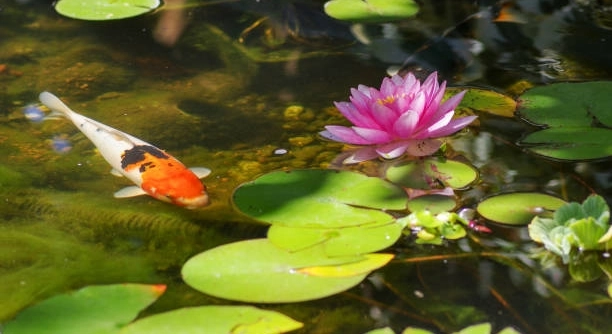
Koi fish bring calm beauty to many ponds and gardens. They can live a long time if cared for properly. However, some common mistakes can make their lifespan shorter than expected.
Several key errors, such as poor water quality, improper feeding, overcrowding, lack of regular health checks, and unsuitable pond conditions, significantly reduce koi fish lifespan. Addressing these issues is essential for maintaining healthy and thriving koi populations.
Knowing what to avoid will help you keep your koi healthy and happy for years. These tips can make a big difference in their care and longevity.
Poor Water Quality
Water quality is one of the most important factors for koi health. If the water has high levels of ammonia, nitrites, or nitrates, it can harm the fish. Dirty water can cause stress and illness, making koi more likely to get infections. Regular water testing is needed to keep levels safe. It’s also important to change the water partially every week to keep it fresh. Filtration systems help remove waste and keep the water clear, but they need maintenance to work well. Without clean water, koi will struggle to survive and won’t live as long.
Keeping water clean means testing it often and doing regular water changes. This keeps toxins low and fish healthier.
Maintaining water quality is about balance. Too many fish in a small pond can quickly pollute the water. Overfeeding also adds extra waste that breaks down and raises harmful chemicals. Plants and aeration can improve water conditions by adding oxygen and helping with waste breakdown. Monitoring temperature is crucial because koi prefer stable, moderate temperatures. Sudden changes weaken their immune systems. Consistent care and attention to these details help create an environment where koi can thrive without constant health problems. This effort pays off with stronger, longer-living fish.
Overfeeding
Overfeeding koi is a common mistake that shortens their lifespan. When fish get too much food, it can pollute the water. Leftover food decomposes and raises harmful substances. Overfeeding also causes koi to become overweight, which affects their health and swimming ability. Feeding them small portions and only as much as they can eat in a few minutes prevents waste and keeps them fit.
Proper feeding means giving the right amount of food and not too often.
It’s best to feed koi 1-2 times a day, adjusting for water temperature. In colder months, they eat less, so reduce feeding to avoid leftover food. High-quality koi food supports good health and growth, while cheap or unsuitable food can cause problems. Observing koi during feeding helps you see if they finish the food quickly or if you should reduce the amount. Healthy feeding habits lead to better water quality and stronger koi.
Overcrowding
Too many koi in one pond causes stress and poor water quality. Overcrowding reduces oxygen levels and increases waste, making fish sick.
When koi have little space, they compete for food and hide from each other. This causes constant stress, weakening their immune systems. Crowded conditions make it easier for diseases to spread quickly among fish. Each koi needs enough room to swim freely and grow properly. A good rule is to allow at least 250 gallons of water per adult koi. This space helps maintain cleaner water and healthier fish. Overcrowding often leads to smaller, less vibrant koi with shorter lifespans.
Pond size and fish population must be balanced. Regularly check how many koi are living in your pond and consider moving extras if needed. Proper space keeps koi calm, healthy, and long-lasting.
Lack of Regular Health Checks
Ignoring koi health problems until they become severe reduces their chance of recovery. Routine checks catch issues early.
Regularly inspecting koi for signs of illness or injury can prevent serious problems. Look for changes in behavior, appetite, or appearance such as sores, discoloration, or unusual swimming patterns. Early detection means treatment can start before disease spreads or worsens. Quarantining new fish helps avoid introducing infections to the pond. A healthy pond environment combined with occasional health checks supports stronger koi and longer lifespans. Don’t wait for obvious symptoms; prevention is the best care. This simple habit saves a lot of stress and expense in the long run.
Poor Pond Maintenance
Neglecting pond cleaning causes buildup of debris and harmful bacteria. This damages water quality and stresses koi.
Regular removal of leaves, sludge, and dead plants helps keep the pond healthy. A clean pond prevents diseases and supports strong fish.
Inadequate Shelter and Protection
Koi need places to hide from predators and harsh weather. Without shelter, they become stressed and vulnerable.
Providing plants, rocks, or artificial shelters gives koi a safe retreat. This reduces stress and improves their chances of survival.
Ignoring Temperature Control
Koi are sensitive to sudden temperature changes. Rapid shifts can weaken their immune systems and cause illness.
Maintaining a stable temperature helps koi stay healthy. Use shade, aeration, or heaters to manage pond conditions through the seasons.
Using Low-Quality Food
Feeding poor-quality food leads to nutritional deficiencies and weak koi. Healthy koi need balanced, high-quality diets to thrive.
What causes poor water quality in koi ponds?
Poor water quality is mainly caused by excess fish waste, uneaten food, and decaying plant matter. When these build up, they increase harmful chemicals like ammonia, nitrites, and nitrates. Overcrowding and insufficient filtration worsen the problem. Without regular water changes and cleaning, water conditions quickly deteriorate and stress koi, making them prone to illness.
How often should I test my pond water?
Testing pond water at least once a week is ideal, especially during warm months when koi are most active. Checking ammonia, nitrite, nitrate, pH, and oxygen levels helps you catch problems early. Regular testing guides your water changes and filtration needs, keeping the environment safe for your fish.
Can I overfeed my koi?
Yes, overfeeding is a common mistake. Feeding too much leads to leftover food sinking to the bottom and decaying. This pollutes the water and harms your koi’s health. Feed small amounts that koi can finish in a few minutes, usually once or twice a day.
What is the right amount to feed koi?
Feed koi about 2-3% of their body weight daily, split into two meals. During colder months, reduce feeding since koi’s metabolism slows down. Pay attention to how much they eat and adjust to avoid leftover food.
How many koi should I keep in my pond?
A good rule is one koi per 250 gallons of water. This space helps maintain clean water and reduces stress. Overcrowding leads to poor water quality, more disease, and less swimming room.
Why is overcrowding bad for koi?
Overcrowding causes competition for food, stress, and lower oxygen levels. It also increases waste, which pollutes the water faster. Crowded koi are more vulnerable to infections and injuries, shortening their lifespan.
How can I prevent diseases in koi?
Prevent diseases by keeping water clean, feeding quality food, and avoiding overcrowding. Quarantine new fish before adding them to your pond. Regularly check your koi for signs of illness like spots, sores, or unusual behavior. Early treatment is key to stopping disease spread.
What signs show my koi is sick?
Look for lethargy, loss of appetite, clamped fins, spots, ulcers, or erratic swimming. Changes in color or breathing rate also signal health problems. Catching these signs early lets you act quickly and protect your fish.
Do koi need shelter?
Yes, koi need places to hide from predators and to escape harsh sunlight or cold winds. Plants, rocks, or artificial shelters provide safety and reduce stress, improving their health and lifespan.
How important is temperature control for koi?
Koi are sensitive to sudden temperature changes. Rapid drops or rises can weaken their immune system and cause shock. Maintaining stable temperatures with shade, aeration, or heaters keeps koi comfortable and healthy throughout the year.
What kind of food is best for koi?
High-quality, balanced koi pellets with proper protein, fat, and vitamins support growth and immunity. Avoid cheap or generic fish food that lacks nutrients. Some koi also enjoy treats like vegetables or live foods, but pellets should be the main diet.
How often should I clean my pond?
Partial water changes of 10-20% weekly help keep water fresh. Remove debris like fallen leaves and sludge monthly. Proper maintenance prevents harmful buildup and creates a healthy environment for koi.
Can I use chemicals to treat my pond?
Some treatments help control parasites or algae, but always use pond-safe products and follow instructions carefully. Overusing chemicals can harm beneficial bacteria and fish. Natural methods like proper filtration and plants are better first steps.
Is it necessary to quarantine new koi?
Quarantining new fish for 2-4 weeks prevents introducing diseases to your pond. Keep new koi in a separate tank and monitor their health before mixing them with existing fish. This simple step protects your entire pond.
What happens if I ignore health checks?
Ignoring health signs means diseases can spread unchecked, leading to severe outbreaks and fish death. Regular checks help spot problems early, making treatment easier and more effective. Prevention saves time, money, and heartbreak.
Caring for koi fish takes some effort, but it is very rewarding. These beautiful fish need clean water, enough space, and proper food to live long and healthy lives. Many common mistakes, such as poor water quality, overfeeding, or overcrowding, can shorten their lifespan. Knowing what to avoid helps you create the best environment for your koi. When you keep their pond clean, provide good nutrition, and watch their health closely, you give them a better chance to thrive.
It is important to check on your koi regularly. Watch how they behave, look for any signs of illness, and keep an eye on the pond conditions. Small problems can quickly turn into big ones if left unnoticed. Doing regular water tests and maintaining the pond system is also essential. This means cleaning filters, removing debris, and changing the water often. These actions may seem simple, but they make a big difference in keeping your koi healthy. Good care means less stress for the fish and fewer health problems over time.
Taking care of koi is about balance and attention to detail. Avoid overcrowding the pond and feed the fish the right amount of good-quality food. Provide places where they can hide from predators or harsh weather. Also, be mindful of temperature changes, as koi do best in stable conditions. Each step adds to the overall health of the pond and the happiness of your fish. When you follow these guidelines, your koi can live longer and bring beauty and calm to your outdoor space for many years.

Hello,
If you enjoy the content that we create, please consider saying a "Thank You!" by leaving a tip.
Every little bit helps us continue crafting quality advice that supports the health, happiness, and well-being of pets around the world, for pets of all shapes, sizes, and species.
We really appreciate the kindness and support that you show us!