
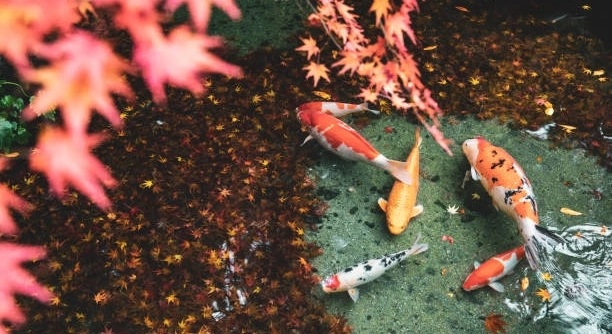
Koi fish are known for their graceful movements and vibrant colors in ponds and water gardens. Observing their behavior can reveal a lot about their health and environment. Sometimes, koi swim in unusual ways that catch attention.
When koi fish swim sideways, it often indicates a balance or swim bladder issue. This condition affects their buoyancy, causing them to tilt or swim at odd angles. It can result from infections, water quality problems, or physical injury requiring prompt care.
Understanding these signs can help maintain your koi’s health and prevent further complications. Recognizing abnormal swimming patterns is essential for timely intervention and care.
Causes of Sideways Swimming in Koi Fish
Koi fish swimming sideways usually point to issues with their swim bladder, the organ responsible for maintaining balance and buoyancy. When the swim bladder is not functioning properly, koi can struggle to stay upright or swim normally. Causes include bacterial or parasitic infections that inflame or damage the bladder, leading to impaired function. Poor water quality, with elevated toxins or imbalanced pH levels, can also stress koi and trigger swim bladder problems. Physical injury from rough handling, sharp pond decorations, or aggressive tank mates might damage internal organs, including the swim bladder. Overfeeding or feeding inappropriate food can cause digestive issues that affect buoyancy, leading to abnormal swimming. Regularly checking water parameters and observing koi behavior helps identify early signs of distress. Immediate action can prevent worsening symptoms and improve koi’s comfort in their habitat.
Proper water maintenance and cautious feeding habits greatly reduce swim bladder-related problems.
Treating the underlying cause depends on the diagnosis and may involve medication, water adjustments, or dietary changes to restore normal swimming behavior.
How to Respond When Koi Swim Sideways
If you notice koi swimming sideways, it is important to act quickly. First, test water quality for ammonia, nitrites, nitrates, and pH. Poor water conditions require immediate correction to reduce stress and toxin buildup. Isolate affected fish in a separate tank if possible, to monitor their condition closely. Observe for other symptoms like bloating, lethargy, or unusual spots. Avoid overfeeding and switch to a high-quality, easily digestible diet to ease digestion. In cases of suspected infection, appropriate antibiotics or antiparasitic treatments may be necessary, following veterinary advice. Ensure the quarantine area is clean and well-oxygenated to support healing. Regular observation is key to tracking improvement or decline. Taking these steps helps prevent permanent damage and promotes recovery. Prevention through proper pond management remains the best strategy to avoid swim bladder issues altogether.
Preventing Sideways Swimming in Koi
Maintaining good water quality is essential to prevent koi from swimming sideways. Regularly testing and balancing water parameters helps keep the environment stable. Avoid overfeeding to reduce digestive issues that can affect swim bladder function.
Consistent pond cleaning removes harmful toxins that stress fish and may lead to health problems. A balanced diet with proper nutrition supports digestive health, reducing the risk of swim bladder disorders. Introducing plants or aerators can improve oxygen levels, which benefits overall fish vitality. Observing koi behavior daily allows for early detection of problems, making prevention easier.
Limiting sudden changes in water temperature or chemistry also protects koi from stress. Providing adequate space prevents injuries caused by overcrowding or aggressive tank mates. Regular monitoring and care are effective steps toward keeping koi swimming normally and maintaining their well-being.
When to Seek Professional Help
If sideways swimming persists or worsens despite corrective efforts, consulting a veterinarian or aquatic specialist is important. Persistent symptoms often indicate underlying health issues requiring targeted treatment. Professional diagnosis can identify infections, organ damage, or other causes that are not easily visible.
Veterinarians can recommend appropriate medications, dietary adjustments, or supportive therapies to restore koi health. They may perform tests to check for parasites or bacterial infections affecting the swim bladder or other organs. Timely intervention minimizes suffering and increases the chances of full recovery. Relying on expert advice ensures your koi receive proper care and prevents complications that could threaten their survival.
Common Swim Bladder Treatments
Treatment often starts with improving water quality and adjusting diet. Fasting the koi for a few days helps clear digestive issues that may affect buoyancy.
Medications like antibiotics or antiparasitic drugs are used when infections are diagnosed. Proper treatment depends on the underlying cause.
Monitoring Your Koi During Recovery
Keep a close eye on swimming behavior and appetite. Note any changes or signs of improvement. Maintaining stable water conditions supports healing.
Effects of Sideways Swimming on Koi Health
Swimming sideways can stress koi and make them vulnerable to predators or injuries. It also reduces their ability to feed properly, affecting overall health and growth.
Importance of Early Intervention
Acting quickly when abnormal swimming appears improves chances for recovery. Early care limits complications and protects your koi’s well-being.
FAQ
Why do koi fish swim sideways?
Koi swim sideways mainly because of problems with their swim bladder, which controls balance and buoyancy. Issues like infections, poor water quality, injuries, or digestive troubles can cause the swim bladder to malfunction. This makes it difficult for koi to stay upright, resulting in sideways swimming.
Can koi recover from swim bladder issues?
Yes, koi can recover if the underlying cause is treated early. Improving water conditions, adjusting their diet, and using medication for infections help restore normal swimming. Recovery depends on how quickly problems are noticed and addressed.
Is poor water quality the main reason for koi swimming sideways?
Poor water quality is a frequent cause because toxins and imbalanced pH can stress koi and damage internal organs. Regular testing and maintenance are vital to prevent swim bladder problems and keep koi healthy.
How can I improve water quality for my koi?
Regularly test ammonia, nitrite, nitrate, and pH levels. Perform partial water changes to reduce toxins and maintain stable conditions. Use filters and aerators to improve oxygen levels and clean the pond environment.
Should I isolate a koi that swims sideways?
Isolating the affected koi in a quarantine tank can help monitor its condition and reduce stress. It also prevents spreading infections if the cause is parasitic or bacterial. Make sure the quarantine tank has good water quality and oxygen.
What diet changes help with swim bladder issues?
Switch to easily digestible foods like peas or specially formulated koi pellets. Avoid overfeeding to prevent constipation or digestive blockages that can affect buoyancy. Fasting the koi for a short period can also help clear the digestive system.
Can injuries cause sideways swimming?
Yes, physical injuries from sharp objects, rough handling, or aggressive fish can damage the swim bladder or other organs. Prevent injuries by providing a safe environment and avoiding overcrowding.
Are medications always necessary?
Not always. If the issue is mild and related to diet or water quality, improving those may be enough. However, bacterial or parasitic infections require specific treatments prescribed by a vet or aquatic specialist.
How long does it take for koi to recover?
Recovery time varies depending on the cause and severity. Mild cases may improve within days after correcting water and diet, while infections might take weeks with proper treatment.
Can sideways swimming lead to death?
If untreated, swim bladder problems can cause severe stress, inability to eat, and vulnerability to predators or injuries, which may lead to death. Early care is crucial to avoid fatal outcomes.
Is swim bladder disease contagious?
The condition itself is not contagious, but infections causing it, like bacterial or parasitic infections, can spread among fish. Quarantine and proper treatment help control outbreaks.
How often should I check my koi’s behavior?
Daily observation is ideal. Early detection of unusual swimming or other symptoms allows quick action to prevent serious problems.
Can temperature changes affect swim bladder function?
Sudden temperature shifts can stress koi, weakening their immune system and increasing the risk of swim bladder issues. Maintain stable temperatures to reduce stress.
What role does oxygen play in preventing swim bladder issues?
Adequate oxygen supports overall fish health and metabolism, which helps maintain swim bladder function. Aerators or plants increase oxygen levels in the pond.
Are there natural remedies for swim bladder problems?
Some pond owners use natural treatments like salt baths to reduce stress and fight parasites. While helpful, these should not replace veterinary care for infections.
Can older koi develop swim bladder problems more often?
Yes, older koi can be more prone due to weakened immune systems or accumulated damage over time. Extra care with diet and water quality is important for aging fish.
Is overfeeding a common cause?
Overfeeding is a frequent cause because excess food can cause digestive blockages, leading to swim bladder pressure. Feeding small portions and removing uneaten food helps prevent issues.
Can swim bladder issues reoccur after treatment?
They can, especially if the pond environment or feeding habits do not improve. Maintaining consistent care reduces the risk of recurrence.
What signs accompany sideways swimming?
Look for bloating, lethargy, loss of appetite, or visible spots and lesions. These signs may indicate infections or other health problems needing attention.
When should I call a veterinarian?
If sideways swimming continues after water and diet improvements, or if symptoms worsen, professional help is necessary. A vet can provide accurate diagnosis and treatment plans.
Final Thoughts
Sideways swimming in koi fish often signals an issue with their swim bladder or overall health. It is not a normal behavior and should never be ignored. Many factors can cause this condition, including poor water quality, digestive problems, infections, or injuries. Understanding these causes helps in taking the right steps to support your koi’s well-being. Regular pond maintenance, such as water testing and cleaning, is essential to provide a stable environment where koi can thrive. Along with water care, feeding practices play a crucial role in preventing swim bladder problems. Offering a balanced diet in proper amounts can reduce digestive stress that often leads to buoyancy issues.
Addressing sideways swimming early increases the chances of successful recovery. Monitoring your koi daily allows you to catch changes in behavior quickly. If you notice persistent abnormal swimming, taking action without delay is important. Adjust water conditions, change feeding routines, and isolate affected fish if needed to minimize stress and the spread of disease. Some cases require medication, especially when infections or parasites are involved. Consulting a veterinarian or aquatic specialist ensures the koi receives appropriate treatment. They can diagnose the exact cause and recommend solutions tailored to your pond’s situation.
Caring for koi demands patience and attention to detail. Sideways swimming can be a warning sign of underlying problems that affect the fish’s quality of life. By maintaining good water quality, proper nutrition, and regular observation, you support your koi’s health and longevity. Early intervention helps prevent complications and gives your koi the best chance to return to normal swimming. Taking these steps creates a safer and healthier pond environment, contributing to the enjoyment of keeping koi as part of your aquatic setup.

Hello,
If you enjoy the content that we create, please consider saying a "Thank You!" by leaving a tip.
Every little bit helps us continue crafting quality advice that supports the health, happiness, and well-being of pets around the world, for pets of all shapes, sizes, and species.
We really appreciate the kindness and support that you show us!