
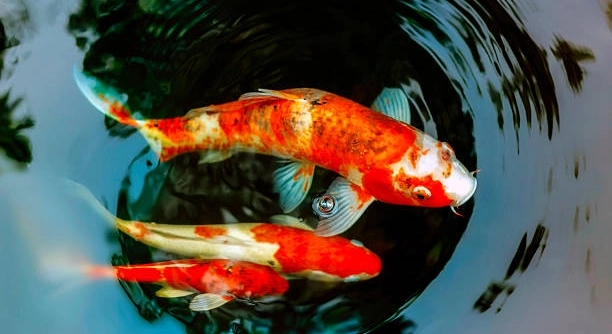
Koi fish are popular pond pets known for their vibrant colors and graceful movements. Their behavior changes depending on the environment, especially in low light conditions. Understanding these changes can help maintain a healthy habitat for them.
In low light conditions, koi fish tend to reduce activity and conserve energy by slowing their swimming and spending more time near the bottom or in sheltered areas. They rely less on visual cues and more on other senses to navigate and find food.
Recognizing how koi respond to low light helps improve their care and ensures their wellbeing throughout different lighting situations.
Koi Fish Behavior in Low Light
Koi fish react differently when the light dims. They become less active and often stay closer to the pond floor or shaded areas. This behavior helps them conserve energy. Reduced light affects their vision, so they rely more on their sense of smell and lateral line system to detect movement and food. You may notice koi swimming slower or grouping together more during these times. Their feeding habits also change; they tend to eat less since their ability to see food is limited. Low light can come from natural conditions like cloudy days, dusk, or artificial pond covers. Keeping the pond environment stable and free from sudden light changes helps koi stay calm and healthy. Observing their behavior under different lighting conditions offers insight into their well-being and helps adjust care routines accordingly.
Koi use other senses beyond sight to adapt to low light, which keeps them safe and functional.
Recognizing these behavioral shifts helps pond owners provide suitable conditions. Adjusting feeding schedules and maintaining water quality during low light periods supports koi health. Watching how koi group or reduce movement informs about their comfort and stress levels. Proper lighting balance in the pond environment improves their overall vitality and longevity. It is important to avoid sudden or extreme lighting changes that might startle koi or disrupt their natural rhythms. These adjustments ensure koi remain active and healthy even when the light is low.
Feeding Koi in Low Light Conditions
Koi tend to eat less when light is dim. Feeding during these times should be adjusted to avoid overfeeding.
Overfeeding koi in low light conditions can lead to water quality problems and health issues. Since koi rely on vision to find food, their reduced ability to see means they may not consume all the food given. Leftover food decomposes, increasing ammonia and affecting pond balance. To prevent this, feed smaller amounts during dawn, dusk, or cloudy days. Observing koi behavior will help determine if they are eating enough or too much. Feeding less frequently but in controlled portions is better during low light. If koi show little interest, it is better to wait until lighting improves before feeding heavily. Maintaining clean water and avoiding excess food supports koi immune systems and reduces disease risk. A balanced feeding strategy that matches lighting conditions promotes koi health and pond cleanliness.
Low Light and Koi Social Behavior
Koi often group together more tightly in low light. This behavior provides a sense of security and reduces stress.
Grouping closely helps koi maintain body warmth and stay alert to potential threats. In dim environments, their vision is limited, so sticking together improves their chances of detecting movement through vibrations. This social behavior also lowers the chance of being isolated and vulnerable to predators. Koi are naturally social fish, and low light conditions tend to reinforce this trait. Watching how tightly koi cluster can indicate their comfort level and how well the environment suits their needs.
The tendency to stay in groups can reduce koi aggression. Less light means calmer interactions and fewer territorial disputes, promoting pond harmony.
Environmental Impact of Low Light on Koi
Low light affects the pond ecosystem, influencing koi behavior and health. Reduced light slows algae growth, impacting oxygen levels in the water.
Less light decreases photosynthesis, which lowers oxygen production in the pond. This can make the water less oxygen-rich, affecting koi metabolism and activity. Cooler temperatures often accompany low light, further slowing koi movement. Pond owners should monitor oxygen levels closely during extended low light periods to avoid stress. Adding aeration or water circulation helps maintain oxygen balance. The combination of lower activity and oxygen can cause koi to rest more, conserving energy until conditions improve.
Changes in light also affect plants and microorganisms that support the pond’s health. Ensuring a balanced ecosystem prevents issues caused by prolonged darkness. Monitoring water quality and fish behavior regularly is important for koi wellbeing.
Koi Resting Patterns in Low Light
Koi rest more during low light periods. Their activity slows as they conserve energy.
Resting helps koi maintain health when feeding and swimming decrease. They find quiet spots near the bottom or under plants to stay safe while resting.
Sensory Adaptations to Low Light
Koi rely on their lateral line system and sense of smell when visibility decreases. These adaptations help them detect food and avoid obstacles without relying on sight.
The lateral line senses vibrations in the water, allowing koi to navigate and respond to movement nearby. Their sense of smell guides them toward food sources even in darkness. These sensory abilities compensate for poor vision and keep koi active in dim environments.
Adjusting Pond Lighting
Providing gradual changes in pond lighting supports koi well-being. Sudden shifts can cause stress.
Balanced lighting mimics natural conditions and encourages normal behavior.
FAQ
How do koi fish behave in low light conditions?
Koi fish tend to slow down and reduce their activity in low light. They swim less and often stay near the bottom or under cover. This helps them conserve energy. Their vision is limited, so they rely more on their other senses to move around and find food.
Do koi eat less when there is less light?
Yes, koi usually eat less in low light. Their reduced vision makes it harder to find food, so they often lose interest in eating. It is important to adjust feeding amounts to avoid leftover food that can pollute the pond.
Can low light harm koi fish?
Low light itself is not harmful if the pond conditions are stable. However, if low light causes water quality to drop or oxygen levels to fall, koi can become stressed or ill. Proper aeration and clean water help prevent these problems.
Why do koi group together more when the light is low?
Koi group together in low light for safety and warmth. Being close helps them detect vibrations and potential threats. It also reduces stress and aggression among the fish.
How does low light affect pond plants and algae?
Low light slows down algae and plant growth because photosynthesis decreases. This can reduce oxygen production in the pond. Less oxygen may cause koi to become less active. Maintaining good water circulation helps balance oxygen levels.
What sensory abilities do koi use when vision is limited?
Koi use their lateral line system to sense vibrations and movement in the water. They also rely on their sense of smell to find food. These adaptations allow them to navigate and survive even in dark conditions.
Should I change feeding schedules during cloudy or dusk hours?
Yes, feeding smaller amounts or fewer times during low light periods is recommended. Koi will eat less and digest food more slowly when activity is reduced. Overfeeding can cause leftover food to decay and harm water quality.
Is sudden light change stressful for koi?
Sudden changes in lighting can startle koi and increase stress. Gradual shifts in light levels help koi adjust without disrupting their behavior or health. Using natural or filtered light is best.
How can I improve oxygen levels in the pond during low light periods?
Adding aeration, such as air pumps or fountains, helps increase oxygen in the water. Keeping the pond clean and free of excess debris also improves oxygen exchange. Monitoring oxygen levels is important, especially in winter or on cloudy days.
What signs indicate koi stress related to lighting?
Signs include lethargy, loss of appetite, unusual swimming patterns, and increased hiding. If koi appear restless or isolate themselves, lighting or water quality may need adjustment.
Do koi need special care during extended low light seasons?
During long periods of low light, like winter, koi slow their metabolism and enter a semi-dormant state. Feeding should be reduced or paused to avoid digestive problems. Maintaining clean, oxygen-rich water remains critical for their health.
Can artificial lighting benefit koi in low light?
Artificial lighting can support koi activity and plant growth but should be used carefully. It should mimic natural light cycles and not be too bright or constant. Proper timing helps maintain koi’s natural rhythms.
How important is pond depth for koi in low light?
Deeper ponds provide stable temperatures and safer resting spots during low light. Koi often move to deeper, warmer areas when light decreases. This helps them conserve energy and avoid predators.
What role does temperature play along with light?
Lower light usually means lower temperatures, which slow koi metabolism and activity. Koi eat less and rest more as their energy needs decrease. Temperature and light together affect their overall behavior.
Are there specific koi breeds that handle low light better?
Most koi adapt well to changing light, but some varieties with brighter colors may be more sensitive to low light. Their coloration can appear duller when light is low. Proper care helps all breeds manage these changes.
Final Thoughts
Koi fish have natural ways of adapting to low light conditions. Their behavior changes to help them conserve energy and stay safe. They tend to slow down, swim less, and gather in groups. This grouping helps reduce stress and provides warmth. Koi also rely on senses other than sight, such as their ability to detect vibrations and smell, to navigate and find food. These adaptations allow them to maintain their health even when visibility is poor.
The environment in which koi live plays a significant role in how they handle low light. When light levels drop, the pond ecosystem changes as well. Reduced light slows plant growth and lowers oxygen production, which can affect koi activity and health. Keeping the pond well-aerated and clean is essential during these times. Monitoring water quality regularly ensures koi remain comfortable and avoid stress caused by poor conditions. Adjusting feeding amounts and schedules helps prevent leftover food from harming water quality.
Caring for koi during low light periods requires attention to both their behavior and their environment. Gradual changes in lighting are less stressful than sudden shifts. Koi may rest more and eat less, so owners should adjust their care accordingly. Providing deeper areas in the pond offers koi safe places to rest and maintain stable temperatures. Artificial lighting can be used carefully to support koi and plants but should mimic natural light cycles. Understanding these factors helps maintain a healthy and balanced pond where koi can thrive year-round.

Hello,
If you enjoy the content that we create, please consider saying a "Thank You!" by leaving a tip.
Every little bit helps us continue crafting quality advice that supports the health, happiness, and well-being of pets around the world, for pets of all shapes, sizes, and species.
We really appreciate the kindness and support that you show us!