
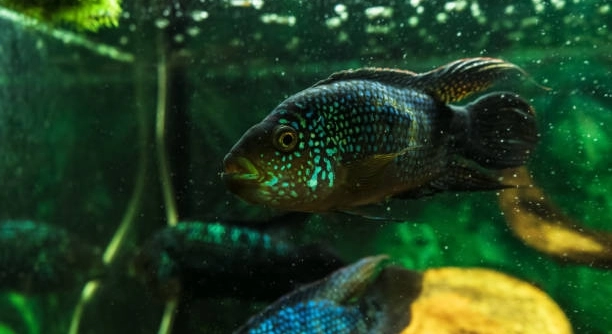
Have you ever noticed your Jack Dempsey fish shivering in the tank and wondered what it means? Observing their movements can be puzzling, especially when these vibrant fish seem healthy but behave unusually.
When Jack Dempsey fish shiver, it is typically a response to changes in water temperature, stress, or minor irritation from parasites or water quality issues. Shivering can indicate discomfort but is not always a sign of severe illness.
Understanding why your fish shivers can help maintain a healthier environment. Adjusting tank conditions and monitoring their behavior ensures your fish remain active and stress-free.
Common Causes of Shivering in Jack Dempsey Fish
Jack Dempsey fish may shiver due to several environmental and health-related factors. Temperature fluctuations are a frequent cause, as these fish prefer stable, warm water. Sudden drops or rises can trigger shivering. Poor water quality also contributes, especially when ammonia or nitrite levels are elevated. Stress from overcrowding, aggressive tank mates, or frequent handling can make fish more prone to shivering. Additionally, minor infections or external parasites may cause the fish to tremble slightly, even if other symptoms are not visible. Observing tank conditions carefully and noting any changes in behavior can help identify the source of shivering early. Adjusting water temperature, improving filtration, and ensuring proper tank size often reduce these symptoms. Regular monitoring of water parameters, combined with consistent feeding and a stress-free environment, supports overall fish health. Shivering can be temporary, but persistent trembling should be addressed to prevent complications.
Shivering is usually linked to stress, temperature, or minor irritations in Jack Dempsey fish. Early attention helps prevent serious problems.
Keeping your tank stable and maintaining water quality are essential steps. Small adjustments like proper heating and avoiding overcrowding can significantly reduce shivering. Observing their behavior daily allows you to notice subtle changes.
How to Address Shivering in Jack Dempsey Fish
Correcting the tank environment is the first step. Ensure water temperature is steady between 75–82°F, and check ammonia, nitrite, and nitrate levels regularly. Overcrowding should be avoided, and aggressive fish should be separated. Provide hiding spots and plants to reduce stress. Feeding a balanced diet strengthens their immunity. If shivering persists, consider consulting a vet to rule out parasites or infections.
Addressing water conditions and tank setup can improve fish comfort and reduce shivering. Maintaining consistency is crucial for long-term health.
Persistent shivering may indicate ongoing stress or an underlying health problem. Parasites, fungal infections, or bacterial issues could be present even without other visible symptoms. Quarantining affected fish, performing partial water changes, and using treatments recommended for Jack Dempsey fish can help. Maintaining consistent temperature, clean water, and proper nutrition will prevent future episodes. Monitoring behavior over time allows you to detect issues early. By taking these steps, you ensure that your fish remains healthy, active, and less prone to shivering. A calm, stable tank environment contributes to longer lifespan and improved overall well-being for your Jack Dempsey fish.
Adjusting Water Temperature
Maintaining a stable water temperature is essential. Jack Dempsey fish are sensitive to sudden changes, which can cause shivering. Using a reliable heater and thermometer helps keep the tank within the ideal range. Gradual adjustments prevent stress and discomfort.
Rapid fluctuations in temperature can lead to trembling or erratic swimming. Jack Dempsey fish thrive in temperatures between 75–82°F, and even small drops can trigger shivering. A consistent environment supports their metabolism, immune system, and overall behavior. Avoid placing the tank near windows, vents, or areas with drafts. Using a heater with an adjustable thermostat allows fine control, reducing the risk of sudden changes. Regularly monitoring the water ensures the tank remains stable and prevents temperature-related stress, which is often the primary reason for shivering in these fish.
Slow, gradual adjustments are better than sudden changes. Heating the water in small increments allows fish to acclimate without shock. A stable environment reduces stress, promotes activity, and minimizes shivering. Consistent monitoring ensures long-term health and comfort for Jack Dempsey fish.
Monitoring Water Quality
Regular testing of ammonia, nitrite, and nitrate levels is necessary. Poor water quality often causes stress and shivering. Partial water changes help maintain a clean environment. Filtration should be checked to ensure proper function.
High levels of toxins in the water can affect Jack Dempsey fish immediately. Ammonia and nitrite are particularly harmful, leading to trembling, lethargy, and reduced appetite. Nitrate should be kept low through regular partial water changes. Filtration systems must be cleaned and maintained to remove debris effectively. Keeping the tank free of excess waste and uneaten food reduces stress. Monitoring water parameters with test kits ensures that the environment remains safe. Sudden spikes in chemicals can trigger shivering, so consistent checks are important. Maintaining stable pH levels also supports overall health and reduces the likelihood of behavioral issues in the fish.
Reducing Stress in the Tank
Providing hiding spots like plants or decorations helps Jack Dempsey fish feel secure. Avoid sudden movements around the tank, and keep aggressive fish separated to minimize stress and shivering.
Consistent feeding schedules and a calm environment also reduce tension. Overcrowding increases stress, so ensure enough space for each fish.
Checking for Parasites and Infections
External parasites or minor infections can cause shivering in Jack Dempsey fish. Look for small spots, clamped fins, or unusual swimming patterns. Quarantining affected fish and using recommended treatments can help resolve the issue. Early detection is key to preventing more serious health problems and ensuring the tank remains safe for all inhabitants.
Feeding and Nutrition
A balanced diet strengthens immunity and reduces shivering. Include high-quality pellets, occasional frozen or live food, and avoid overfeeding.
FAQ
Why is my Jack Dempsey fish shivering only at night?
Shivering at night is often linked to temperature drops. Water can cool slightly during the evening, causing the fish to tremble. Using a reliable heater and checking the tank’s temperature before nightfall helps prevent sudden drops. Ensuring the tank is away from drafts or cold windows also keeps conditions stable.
Can overfeeding cause shivering?
Yes, overfeeding can lead to poor water quality, which stresses Jack Dempsey fish. Excess food decomposes, increasing ammonia and nitrite levels. Maintaining a controlled feeding schedule with measured portions reduces waste and helps the fish remain healthy and calm.
Is shivering a sign of disease?
Shivering is not always disease-related, but it can indicate infections or parasites. Look for additional signs like clamped fins, spots, or unusual swimming. Early treatment with appropriate medication or quarantining affected fish is important to prevent further issues.
How long does it take for shivering to stop after improving tank conditions?
If shivering is caused by temperature or stress, improvement can be seen within a few hours to a couple of days. Persistent shivering may require further investigation for parasites, infections, or ongoing water issues. Consistent monitoring is necessary.
Are certain tank mates more likely to cause shivering?
Aggressive or overly active fish can stress Jack Dempsey fish, causing shivering. Avoid keeping them with highly territorial species or overcrowding the tank. Providing hiding spaces reduces tension and allows fish to feel secure.
Does water hardness affect shivering?
Yes, improper water hardness can stress fish. Jack Dempsey fish prefer moderately hard water with a pH between 6.5 and 7.5. Testing water and making gradual adjustments ensures they remain comfortable and less likely to shiver.
Can shivering indicate oxygen problems?
Low oxygen levels sometimes cause trembling or rapid gill movement. Proper aeration, live plants, and a clean filter help maintain oxygen levels and reduce shivering. Monitoring fish behavior during feeding or rest periods can highlight oxygen deficiencies.
Should I separate a shivering fish from others?
Separation is useful if shivering is linked to illness or aggressive tank mates. Quarantining affected fish prevents the spread of disease and reduces stress. A clean, stable tank environment speeds recovery and prevents repeated episodes.
Can seasonal changes affect shivering?
Yes, seasonal changes may slightly affect water temperature or room conditions. Jack Dempsey fish are sensitive to even minor fluctuations. Using a heater and keeping the tank away from windows or vents helps maintain stable conditions year-round.
Is shivering normal during acclimation?
Young or newly introduced fish may shiver while adjusting to a new tank. Gradual acclimation to water parameters, temperature, and lighting reduces stress and helps them settle without trembling.
What diet helps prevent shivering?
A balanced diet with high-quality pellets, occasional frozen or live foods, and minimal fillers strengthens immunity. Overfeeding or low-quality food can cause digestive stress, indirectly leading to shivering. Consistent feeding routines support both health and comfort.
How often should I test the water to prevent shivering?
Testing ammonia, nitrite, nitrate, and pH at least once a week is recommended. Frequent checks help catch issues before they stress the fish. Adjustments to filtration, partial water changes, or chemical balances prevent shivering caused by poor water quality.
Can shivering be permanent?
Shivering is rarely permanent. With stable water, proper diet, and a low-stress environment, most Jack Dempsey fish recover completely. Persistent trembling usually indicates ongoing environmental stress or untreated illness, which should be addressed promptly.
Does tank size affect shivering?
Small or overcrowded tanks increase stress, often causing trembling. Jack Dempsey fish need space to swim freely. Providing adequate tank size, hiding spots, and territorial boundaries reduces stress and minimizes shivering.
What immediate steps should I take if my fish starts shivering suddenly?
Check water temperature and quality first. Look for signs of stress or aggression from other fish. If necessary, isolate the fish and perform a partial water change. Observing for additional symptoms helps determine if medical treatment is required.
Can water flow influence shivering?
Strong currents may stress Jack Dempsey fish, causing trembling. Adjusting filter flow or creating calm areas with decorations or plants allows them to swim comfortably without constant resistance.
Does lighting affect shivering?
Sudden changes in lighting can startle fish. Using consistent light cycles with gradual transitions reduces stress. Avoid placing the tank in direct sunlight or near frequently flickering lights.
How do I know if shivering is caused by stress or disease?
Stress-induced shivering usually occurs after environmental changes and improves with stability. Disease-related shivering comes with other symptoms like lethargy, discoloration, or clamped fins. Careful observation helps identify the cause and determine the proper response.
Is medication always needed for shivering?
Medication is only necessary if parasites, bacteria, or fungal infections are present. Most shivering is caused by temperature, water quality, or stress and resolves once these issues are corrected. Overmedicating can harm healthy fish.
How can I prevent shivering in new Jack Dempsey fish?
Acclimate them slowly to water conditions, maintain stable temperature, provide hiding spots, and avoid aggressive tank mates. Consistent feeding and clean water help them settle without stress-induced trembling.
Final Thoughts
Jack Dempsey fish are vibrant and active, but their shivering behavior can be worrying for anyone who cares about their tank. Shivering is usually a signal that something in their environment needs attention. It does not always mean a serious illness, but it should not be ignored. Many cases are linked to water temperature, quality, stress, or minor irritations. By paying close attention to these factors, you can create a more comfortable and stable environment for your fish. This helps prevent frequent trembling and supports their overall health. Observing your fish daily allows you to notice subtle changes early, which is crucial in addressing potential problems before they become serious.
Maintaining stable water conditions is one of the most important steps in reducing shivering. Jack Dempsey fish thrive in temperatures between 75–82°F, and sudden fluctuations can cause immediate stress. A reliable heater and thermometer are essential tools to monitor their tank. Water quality is equally important, as high levels of ammonia, nitrite, or nitrate can cause discomfort and shivering. Regular partial water changes and proper filtration help maintain a safe environment. Keeping the tank free from overcrowding and aggressive fish also reduces stress. Small adjustments, like adding hiding spots with plants or decorations, can provide security and minimize anxiety, helping your fish remain calm and active.
Nutrition, monitoring for parasites, and careful observation all play a role in long-term health. Feeding high-quality pellets and occasional frozen or live food supports immunity and reduces the risk of digestive stress that can indirectly cause shivering. If parasites or infections are suspected, quarantining affected fish and using proper treatments can resolve issues quickly. Understanding your fish’s behavior and providing a stable, calm environment ensures they thrive. With consistent care, attention to water parameters, and a low-stress tank setup, Jack Dempsey fish can live a healthy, active life with minimal shivering. Regular observation and small preventive measures are key to keeping your fish comfortable and reducing worry about unusual behavior.

Hello,
If you enjoy the content that we create, please consider saying a "Thank You!" by leaving a tip.
Every little bit helps us continue crafting quality advice that supports the health, happiness, and well-being of pets around the world, for pets of all shapes, sizes, and species.
We really appreciate the kindness and support that you show us!