
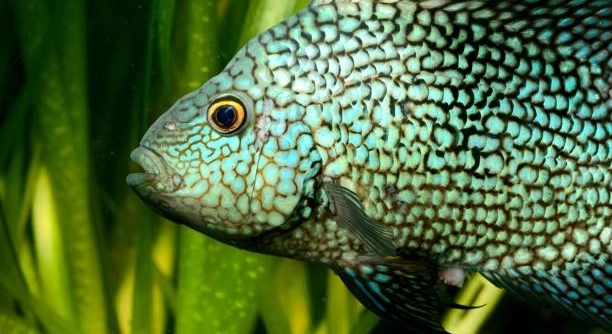
Have you ever noticed your Jack Dempsey fish acting restless or hiding more than usual? These colorful freshwater fish can be sensitive to their environment, and small changes in care can greatly affect their calmness and overall health.
Maintaining a calm environment for Jack Dempsey fish requires consistent water quality, proper tank size, and minimal sudden disturbances. Stable conditions, regular feeding schedules, and thoughtful tank decoration help reduce stress and support natural behaviors effectively.
Understanding these basic principles will make caring for your fish easier and more enjoyable. Proper attention to their needs ensures a peaceful, healthy habitat for your aquatic pets.
Creating a Stable Tank Environment
Jack Dempsey fish respond strongly to changes in their tank. Keeping the water clean and at a stable temperature is essential for their calmness. A tank of at least 55 gallons is ideal for adult fish, giving them enough space to swim freely. Regular water tests help maintain proper pH, ammonia, and nitrate levels. Adding hiding spots with rocks, plants, or driftwood can reduce stress by providing a sense of security. Avoid overcrowding, as it can lead to aggression and anxiety. Lighting should mimic natural day and night cycles, and sudden loud noises or vibrations near the tank should be minimized. Feeding a balanced diet at consistent times also contributes to stability, ensuring the fish feel secure and comfortable in their environment. Overall, the key is consistency in every aspect of tank care to promote a calm, healthy fish.
Stable tank conditions are essential for reducing stress and encouraging natural behavior in Jack Dempsey fish.
Maintaining a stable environment involves more than clean water. It’s about creating predictable routines. Feeding at the same times each day, keeping lighting consistent, and avoiding sudden tank changes all help the fish feel safe. Rocks and plants provide hiding spots, while open swimming areas allow natural exploration. Temperature fluctuations or aggressive tank mates can make them nervous. Small details, like gentle water flow and minimal tapping on the glass, contribute to overall calmness. When these factors are balanced, Jack Dempsey fish display calmer behavior, interact more naturally, and stay healthier over time. Observing their patterns helps adjust care to keep them relaxed.
Proper Diet and Feeding Habits
A well-balanced diet is crucial for Jack Dempsey fish to remain calm and healthy. Feeding them high-quality pellets, occasional live or frozen food, and vegetables ensures they get essential nutrients. Overfeeding should be avoided, as it can lead to poor water quality and stress. Feeding the same times daily creates a routine, making the fish more comfortable and predictable. Watching their eating habits helps detect health issues early.
Jack Dempsey fish benefit from a varied diet that matches their natural feeding behavior. Live foods like brine shrimp or bloodworms stimulate their hunting instincts, while pellets provide steady nutrition. Feeding small amounts multiple times a day can prevent aggression and reduce food-related stress. Avoid sudden changes in diet to prevent digestive issues and maintain calm behavior. Monitoring how much they eat also helps prevent leftover food from polluting the tank. A consistent, thoughtful feeding approach keeps the fish active, healthy, and relaxed.
A proper diet goes beyond nutrition; it shapes their daily routine. When meals are predictable, Jack Dempsey fish feel secure and less anxious. Providing hiding spaces near feeding areas reduces competition and stress. Supplementing with occasional treats can enrich their environment, encouraging natural behaviors without causing imbalance. Overfeeding or introducing unfamiliar foods too quickly can upset their digestive system, creating stress and affecting mood. By observing their responses to different foods and feeding schedules, you can refine their care to suit their individual needs. The result is calmer fish that thrive in their tank and display natural behaviors consistently.
Minimizing Aggression Among Tank Mates
Jack Dempsey fish can be territorial, especially in smaller tanks. Choosing compatible tank mates and avoiding overcrowding helps reduce fights. Fish with similar size and temperament work best, while fast or aggressive species may provoke stress.
Introducing new fish slowly gives Jack Dempsey time to adjust. Quarantining newcomers helps prevent disease and reduces surprise interactions. Observing behavior closely during the first few weeks ensures any conflicts are addressed early. Using visual barriers like plants or rocks can break line-of-sight, lowering territorial disputes. Proper feeding routines and hiding spots also minimize competition, making the tank a calmer environment.
Placement of decorations and territories is essential. Creating separate zones allows each fish to claim a personal space without confrontation. Avoiding overly aggressive individuals prevents stress and injuries. When tank mates are well chosen, Jack Dempsey fish display more relaxed, natural behavior, swimming confidently and interacting without fear. A thoughtful setup can transform a tense aquarium into a peaceful space for all inhabitants.
Maintaining Proper Water Conditions
Regular water changes are essential for keeping Jack Dempsey fish calm and healthy. Removing debris, maintaining pH, and checking ammonia and nitrate levels prevent stress and disease.
Temperature stability is critical. Jack Dempsey fish thrive in warm water around 78–82°F. Sudden shifts in temperature or poor filtration can create anxiety and aggression. Using a reliable heater and filter ensures consistent conditions. Testing water weekly and adjusting as needed helps maintain an optimal environment. Soft lighting and gentle water flow reduce shock from sudden changes. Maintaining water clarity and oxygenation supports healthy respiration, behavior, and feeding patterns.
Keeping water conditions steady also means observing the tank daily. Any signs of cloudiness, foul odor, or unusual fish behavior indicate a need for immediate action. Using natural decorations like rocks and plants helps buffer minor changes, while routine partial water changes maintain chemical balance. Proper maintenance prevents long-term stress and promotes a stable, calm environment where Jack Dempsey fish can thrive. Consistency in every aspect of water care directly influences their mood and health.
Reducing Stress Through Hiding Spots
Jack Dempsey fish feel safer when they have hiding spots. Rocks, caves, and dense plants give them areas to retreat when feeling threatened or anxious.
Hiding spaces also help reduce aggression between tank mates. Personal territories prevent constant chasing and allow each fish to rest.
Consistent Lighting Schedule
Maintaining a regular day-night cycle helps Jack Dempsey fish stay calm. About 10–12 hours of light per day, followed by darkness, mimics their natural environment. Sudden changes in lighting can startle them, so keeping a consistent schedule promotes stability and reduces stress over time.
Avoiding Sudden Movements
Quick movements near the tank can scare Jack Dempsey fish. Approach slowly when feeding or cleaning to prevent startling them.
FAQ
How often should I feed my Jack Dempsey fish?
Feeding twice a day with small amounts is ideal. Overfeeding can pollute the tank and cause stress, while underfeeding may affect growth and mood. A mix of high-quality pellets, occasional live or frozen foods, and vegetables keeps them healthy. Observing how quickly they eat helps adjust portions.
What is the best tank size for one Jack Dempsey fish?
A minimum of 55 gallons is recommended for a single adult Jack Dempsey. Larger tanks reduce territorial behavior, allow swimming space, and make water conditions more stable. Providing plenty of hiding spots and open swimming areas helps maintain a calm environment.
Can Jack Dempsey fish live with other species?
Yes, if tank mates are chosen carefully. Fish of similar size and temperament work best. Avoid fast, aggressive, or overly timid species, as they can cause stress or be attacked. Introducing new fish slowly and providing visual barriers can reduce conflicts.
How do I maintain water quality for Jack Dempsey fish?
Regular water changes, proper filtration, and testing pH, ammonia, nitrite, and nitrate levels are key. Partial water changes of 20–30% weekly keep the tank stable. Temperature should stay around 78–82°F. Clean decorations and avoid overfeeding to prevent buildup of harmful substances.
Why does my Jack Dempsey fish act aggressive sometimes?
Aggression usually occurs due to territorial behavior, overcrowding, or incompatible tank mates. Providing hiding spots, maintaining a larger tank, and careful selection of companions reduces fights. Stable feeding schedules and proper water conditions also help lower aggression.
How can I reduce stress in my Jack Dempsey fish?
Stress can be reduced with consistent water conditions, proper tank size, hiding places, and a regular lighting schedule. Avoid sudden movements or tapping on the glass. Maintaining a predictable routine in feeding and tank maintenance keeps fish calmer.
What should I do if my fish hides constantly?
Hiding is natural but excessive hiding may indicate stress. Check water quality, temperature, and tank mates. Ensure sufficient hiding spots and open swimming areas. Reducing disturbances and maintaining a stable routine encourages your fish to explore the tank more confidently.
Is it necessary to quarantine new fish?
Yes, quarantining new fish prevents disease spread and reduces stress. A 2–4 week quarantine allows observation of health issues before introducing them to the main tank. It also gives existing fish time to adjust to changes gradually.
How can I tell if my Jack Dempsey is healthy?
Healthy Jack Dempsey fish are active, have vibrant colors, and eat regularly. Clear eyes, smooth scales, and normal swimming patterns indicate good health. Lethargy, rapid breathing, or unusual spots may suggest illness and require prompt attention.
Can lighting affect the behavior of Jack Dempsey fish?
Yes, consistent lighting helps maintain calm behavior. About 10–12 hours of light per day with darkness at night mimics natural conditions. Sudden or harsh light changes can startle them, causing stress and unusual activity patterns.
How do I handle tank cleaning without stressing my fish?
Approach slowly and avoid sudden movements. Remove small portions of water at a time, clean decorations gently, and keep filtration running during maintenance. Consistency in timing and technique helps fish remain calm during cleaning sessions.
Are live plants beneficial for Jack Dempsey fish?
Live plants offer hiding spaces, help maintain water quality, and provide a more natural environment. They reduce stress by giving personal territories and breaking line-of-sight between fish. Choose hardy plants that can withstand the fish’s digging behavior.
What are the signs of water-related stress?
Signs include rapid gill movement, hiding, reduced appetite, and erratic swimming. Cloudy water, sudden pH changes, or high ammonia levels can trigger these behaviors. Regular testing, filtration, and partial water changes prevent stress before it escalates.
How long do Jack Dempsey fish typically live?
With proper care, they can live 8–10 years or longer. Stable water conditions, a balanced diet, and a stress-free environment contribute to their lifespan. Monitoring health regularly and addressing problems quickly ensures they live longer, calmer lives.
Can I decorate the tank freely?
Decorations should provide hiding spots and open swimming areas. Avoid overcrowding the tank, as it can increase territorial disputes. Rocks, caves, and plants should be arranged thoughtfully to create zones that allow each fish to feel secure.
Is temperature fluctuation harmful?
Yes, sudden changes in temperature can stress Jack Dempsey fish. Maintaining a consistent 78–82°F with a reliable heater is essential. Temperature swings may weaken immunity, increase aggression, and affect feeding patterns. Monitoring daily ensures a stable environment.
How do I reduce aggression during feeding?
Feed small amounts evenly distributed throughout the tank. Providing multiple feeding spots and hiding areas reduces competition. Avoid overfeeding in one area, as it can cause fights. Observing their interactions helps adjust feeding methods to maintain a calm atmosphere.
Can I keep multiple Jack Dempsey fish together?
Yes, but a large tank with multiple hiding spots is necessary. Introduce them slowly and observe behavior carefully. Overcrowding or insufficient territories increases aggression. Proper planning and monitoring keep multiple fish coexisting more peacefully.
What is the best way to introduce new tank mates?
Introduce them gradually and in a separate section if possible. Visual contact first helps reduce surprise attacks. Monitor interactions closely, and provide hiding spots to minimize stress and allow each fish to establish territory safely.
How do I prevent boredom in Jack Dempsey fish?
Provide variety in tank layout, live plants, and occasional food enrichment like live or frozen treats. Rotating decorations or adding temporary obstacles encourages natural exploration and reduces stress, keeping the fish active and mentally stimulated.
Can poor water clarity affect behavior?
Yes, cloudy or dirty water can stress fish, causing hiding, aggression, or lethargy. Regular maintenance, filtration, and partial water changes prevent buildup of waste and keep the tank environment calm and healthy.
How important is tank location?
Tank placement affects stress levels. Avoid high-traffic areas, loud noises, and direct sunlight. A quiet, stable location reduces startle responses and supports consistent behavior, keeping Jack Dempsey fish calmer.
What should I do if my fish shows sudden color changes?
Fading or darkening can indicate stress, illness, or poor water conditions. Test water parameters, check for aggressive tank mates, and monitor diet. Addressing issues promptly helps restore their natural coloration and calm demeanor.
How do I keep Jack Dempsey fish from digging too much?
Provide sufficient substrate and hideaways to satisfy natural digging instincts. Avoid fragile plants and decorations in digging areas. Strategically placing rocks and caves gives them outlets for natural behavior without causing damage.
Can stress shorten their lifespan?
Yes, chronic stress from poor water quality, aggression, or sudden changes can reduce immunity and lifespan. Consistency in care, environment, and diet ensures healthier, longer-living fish.
How often should I test the water?
Weekly testing of pH, ammonia, nitrite, and nitrate levels is recommended. Frequent checks allow early detection of issues, preventing stress and health problems. Keeping a log helps track trends and maintain stability.
Do Jack Dempsey fish need a specific pH level?
Yes, they thrive in slightly acidic to neutral water, around 6.5–7.5 pH. Maintaining this range reduces stress, encourages feeding, and promotes overall well-being. Sudden pH shifts can cause hiding or aggression.
What signs indicate aggression toward new tank mates?
Chasing, nipping fins, or cornering new fish indicates territorial aggression. Providing hiding spots, sufficient space, and gradual introductions can prevent injury and reduce stress for all fish in the tank.
How can I encourage natural behavior?
Offering varied foods, open swimming space, hiding spots, and a consistent routine encourages hunting, exploring, and resting naturally. Observing their patterns helps adjust care to support calm and healthy behavior in the tank.
Is filter maintenance important?
Yes, a clean and functioning filter maintains water clarity and oxygen levels. Neglecting it can increase toxins, stress fish, and cause erratic behavior. Regular inspection and cleaning keep the tank environment stable.
Can Jack Dempsey fish coexist with smaller fish?
Generally, no. Smaller fish may be seen as prey, causing stress or predation. Choosing similar-sized, calm species ensures safer cohabitation and reduces aggression. Proper tank setup with hiding zones further minimizes conflicts.
How do I know if my fish is stressed from tank mates?
Signs include hiding, loss of appetite, aggressive chasing, and color changes. Observe interactions and adjust tank population, layout, or feeding routines to reduce tension and promote calm behavior.
Are ornaments necessary for Jack Dempsey fish?
While not strictly necessary, ornaments provide hiding spots, break line-of-sight, and enrich the environment. Rocks, caves, and sturdy decorations support natural behaviors, reduce stress, and create territories for calmer interactions.
How do I safely remove sick fish?
Use a separate quarantine tank to isolate sick fish. Clean hands, nets, and equipment between tanks to prevent contamination. Treat illness promptly while maintaining the main tank’s stable conditions to protect healthy fish.
What is the ideal water hardness?
Moderate hardness around 8–12 dGH suits Jack Dempsey fish. Extreme soft or hard water can cause stress, affect digestion, and lead to behavioral changes. Testing and adjusting hardness ensures a comfortable environment.
How long should I observe new fish after introduction?
Monitor for at least two weeks. Watch for aggression, hiding, or unusual behavior. Ensure proper feeding, territory setup, and water stability during this period to reduce stress and help the fish settle comfortably.
What common mistakes increase stress in Jack Dempsey fish?
Overcrowding, poor water quality, sudden changes, incompatible tank mates, and irregular feeding routines are common stressors. Addressing these issues promptly creates a calmer, healthier environment for your fish to thrive.
How do I prevent fin damage during aggression?
Provide ample space, hiding spots, and compatible tank mates. Avoid overstocking and ensure decorations create natural boundaries. Monitoring interactions and separating aggressive individuals if needed prevents injuries and stress.
Can Jack Dempsey fish live alone?
Yes, they can thrive alone if the tank is large enough and enriched with hiding spots. A single fish avoids territorial conflicts but still requires proper care, diet, and stimulation to stay healthy and calm.
What is the effect of loud noises on Jack Dempsey fish?
Loud sounds can startle or stress them, causing hiding, erratic swimming, or aggression. Placing the tank in a quiet area reduces disturbances and promotes calmer, more natural behavior.
How do I adjust feeding for multiple Jack Dempsey fish?
Feed small amounts spread across the tank to prevent competition. Observe eating behavior, ensuring each fish gets enough nutrition. Consistent routines and hiding spots help reduce stress during feeding time.
Is it necessary to have a heater in the tank?
Yes, a heater keeps water temperature stable. Sudden drops can stress the fish, reduce immunity, and trigger aggression. A reliable heater ensures optimal conditions and calm behavior.
How can I tell if my tank is too small?
Signs include constant chasing, aggressive displays, and limited swimming space. Larger tanks reduce territorial disputes and provide sufficient territory and hiding spots for calmer fish behavior.
What role does substrate play in reducing stress?
A soft substrate allows natural digging and reduces injury risk. Avoid sharp gravel or cluttered layouts that limit movement. Proper substrate contributes to a stable, enriching environment for calmer fish.
Can adding plants calm Jack Dempsey fish?
Yes, plants create hiding spaces, visual barriers, and enrichment. They help reduce territorial disputes, provide security, and allow natural exploration, all contributing to less stressed, calmer fish behavior.
Are frequent tank changes necessary?
Partial water changes of 20–30% weekly are sufficient. Frequent large changes can shock fish, while too few may cause poor water quality. Consistency maintains calm and healthy fish.
How do I handle aggressive behavior toward humans?
Jack Dempsey fish rarely attack humans but may react to sudden movements. Approach slowly, avoid tapping glass, and maintain consistent feeding to reduce fear-based aggression.
What equipment is essential for keeping them calm?
A reliable heater, filter, water test kits, and sufficient decorations are key. Consistent maintenance of these tools ensures stable conditions and reduces stress in Jack Dempsey fish.
Do they need water conditioners?
Yes, conditioners remove chlorine, chloramine, and heavy metals, making tap water safe. Properly conditioned water prevents stress, supports immunity, and maintains healthy behavior.
Can Jack Dempsey fish adapt to new environments quickly?
They may take several days to weeks to settle. Gradual introduction, stable water conditions, hiding spots, and minimal disturbances help them adjust calmly and display natural behavior sooner.
Is monitoring behavior daily necessary?
Yes, daily observation allows early detection of stress, illness, or aggression. Prompt adjustments in feeding, water quality, or tank layout maintain calm and healthy fish over time.
How do I encourage social behavior without causing stress?
Provide enough space, hiding spots, and compatible companions. Gradual introductions and observing interactions helps Jack Dempsey fish socialize safely while maintaining calm and minimizing conflict.
What should I do if water tests are off?
Correct imbalances gradually to avoid shocking the fish. Partial water changes, adjusting pH or hardness, and monitoring closely ensures water quality returns to safe levels, keeping fish calm.
How do I know if they are bored?
Signs include lethargy, repetitive swimming, or digging without purpose. Introducing plants, decorations, or occasional live food stimulates natural behavior and reduces stress, keeping them active and healthy.
Are there seasonal care changes needed?
Mostly, maintain stable temperature and lighting year-round. Seasonal adjustments to feeding or light cycles may be minor but consistency is key to avoid stress and maintain calm behavior.
Can Jack Dempsey fish live with bottom-dwelling species?
Yes, if space is sufficient. Ensure the bottom area has enough hiding spots for both species. Avoid overly aggressive or territorial bottom dwellers to reduce conflict and stress.
How important is aeration in the tank?
Adequate oxygen levels are necessary for calm, healthy fish. Gentle aeration prevents stagnant areas, supports respiration, and reduces stress without causing strong currents that may upset Jack Dempsey fish.
What is the ideal tank shape?
Long tanks with more horizontal swimming space reduce aggression and territorial disputes. Height is less important than providing enough room to swim, explore, and establish personal zones comfortably.
How do I prevent algae buildup?
Regular water changes, proper lighting, and cleaning decorations prevent algae. Excess algae can reduce oxygen and make fish stressed. Balance feeding and nutrients to minimize overgrowth.
Should I remove uneaten food immediately?
Yes, leftover food decomposes quickly, affecting water quality and increasing stress. Scooping uneaten food shortly after feeding maintains clarity and chemical balance in the tank.
Do Jack Dempsey fish need tankmates at all?
They can live alone comfortably. Tankmates are optional if the tank is large and enriched. Compatibility, space, and hiding spots are critical when adding other fish to avoid stress and aggression.
Can stress cause disease?
Yes, chronic stress weakens immunity, making fish more susceptible to infections. Maintaining stable conditions, proper diet, and calm environments reduces illness risk and promotes longevity.
How can I tell if they are happy?
Active swimming, bright colors, regular feeding, and exploring hiding spots indicate content, calm Jack Dempsey fish. Observing these patterns ensures they are healthy and stress-free.
What is the role of water flow in tank behavior?
Gentle water flow is preferred. Strong currents can stress Jack Dempsey fish, while stagnant water reduces oxygen. A balanced flow maintains calm, healthy behavior without disrupting swimming patterns.
Can sudden tank rearrangements stress them?
Yes, moving decorations or plants abruptly can confuse and stress the fish. Gradual changes and maintaining familiar hiding spots help them adjust without panic or aggression.
Is a quarantine tank necessary for all new fish?
Ideally, yes. It allows observation for disease and reduces stress on the main tank. Gradual introduction after quarantine ensures smoother integration and calmer interactions.
How do I prevent overfeeding during multiple fish care?
Measure portions carefully and feed small amounts in multiple locations. Observing which fish eat first prevents competition, reduces stress, and keeps water quality stable for calmer behavior.
What is the effect of overcrowding?
Overcrowding increases territorial disputes, aggression, and stress. Providing adequate space, hiding spots, and compatible fish numbers maintains a calm tank and healthier fish.
Can Jack Dempsey fish tolerate tap water without treatment?
No, tap water contains chlorine and heavy metals. Using water conditioners makes it safe and reduces stress, supporting healthy behavior and overall wellbeing.
Do they need a varied diet?
Yes, a mix of pellets, live or frozen food, and occasional vegetables supports health. Variety prevents boredom, encourages natural behavior, and keeps them calm and active.
How often should decorations be cleaned?
Clean decorations during regular water changes to remove debris and algae. Avoid harsh scrubbing that may damage surfaces. Clean ornaments maintain water quality and reduce stress.
Can Jack Dempsey fish recognize their owner?
They respond to feeding routines and familiar movement near the tank. Recognition is subtle but consistent behavior and predictable care help build calm interactions and reduce anxiety.
Are soft or hard substrates better?
Soft substrates reduce injury risk while digging. Hard or sharp substrates may stress fish or cause fin damage. A balanced, smooth substrate supports natural behavior and calmness.
How do I maintain consistent pH?
Use buffered water, monitor weekly, and avoid sudden changes. Stable pH reduces stress, supports feeding, and keeps Jack Dempsey fish healthy over the long term.
Can stress affect coloration?
Yes, stressed fish may darken, fade, or develop dull patches. Addressing water quality, aggression, or diet helps restore vibrant colors and promotes calm behavior.
What is the recommended tank filtration type?
A reliable filter providing mechanical, chemical, and biological filtration ensures water clarity, removes toxins, and maintains oxygen levels. Proper filtration reduces stress and keeps Jack Dempsey fish calm.
Is water circulation important for calm behavior?
Yes, gentle flow prevents stagnant zones, supports oxygenation, and keeps the fish comfortable. Too strong a current can create stress, so balance is key.
How do I prevent fin nipping?
Ensure tank size is sufficient, provide hiding spots, and choose compatible tank mates. Observing fish interactions helps prevent aggression and stress-related injuries.
Can Jack Dempsey fish become aggressive during breeding?
Yes, they become more territorial. Providing separate breeding tanks
Caring for Jack Dempsey fish requires attention to their environment, diet, and behavior. These fish are naturally territorial and sensitive, so creating a stable and predictable habitat is essential. Providing a tank of adequate size with clean water, consistent temperature, and gentle filtration allows them to feel secure. Hiding spots such as rocks, caves, and plants help them establish territories and reduce stress. Even small changes, like sudden lighting shifts or loud noises near the tank, can startle them and cause agitation. By keeping conditions consistent, you encourage natural behavior and promote calmer, healthier fish. Observing their habits regularly allows you to notice signs of stress or illness early, so adjustments can be made before issues escalate. Over time, a well-maintained tank helps your Jack Dempsey fish display confidence, swim freely, and interact appropriately with tank mates.
Diet and feeding routines also play a critical role in maintaining calm behavior. Feeding small, balanced portions twice a day is ideal. High-quality pellets supplemented with live or frozen food provide the nutrition they need. Avoid overfeeding, as leftover food can decay and harm water quality, increasing stress. Consistent feeding times create a sense of routine, which Jack Dempsey fish respond to positively. Providing multiple feeding spots in the tank reduces competition and prevents aggression. Observing how they eat helps ensure each fish receives proper nutrition and allows you to adjust portions as needed. A varied and consistent diet not only supports physical health but also helps maintain their mood and energy levels. Stress from irregular feeding or poor diet can manifest in hiding, aggression, or dull coloration, so careful attention to feeding is essential for both their health and calm behavior.
Maintaining calm Jack Dempsey fish is a combination of proper tank setup, water maintenance, diet, and observation. Consistency in care creates a predictable environment that minimizes stress and promotes well-being. Choosing compatible tank mates, monitoring water quality, and providing hiding spots all contribute to a peaceful atmosphere. Even small adjustments, such as gradually introducing new fish or rearranging decorations slowly, can prevent unnecessary tension. Regular maintenance, including partial water changes and filtration checks, ensures the environment remains stable. By paying attention to these details, Jack Dempsey fish are more likely to exhibit natural behaviors, interact calmly with companions, and enjoy a healthy, active life. Ultimately, patience, observation, and consistency are the keys to creating a tank where your fish can thrive without unnecessary stress or aggression.

Hello,
If you enjoy the content that we create, please consider saying a "Thank You!" by leaving a tip.
Every little bit helps us continue crafting quality advice that supports the health, happiness, and well-being of pets around the world, for pets of all shapes, sizes, and species.
We really appreciate the kindness and support that you show us!