
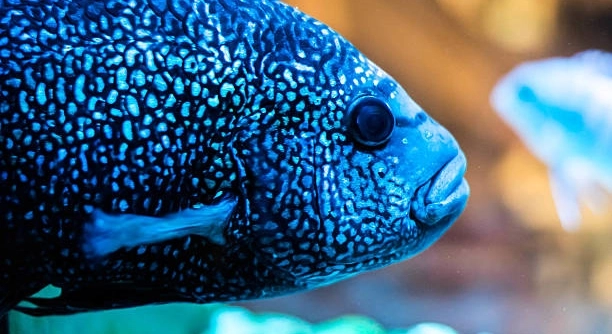
Have you ever noticed your Jack Dempsey fish refusing the live food you usually feed it? Watching them ignore their meals can be frustrating, especially when you want to ensure they remain healthy and active in your aquarium.
When a Jack Dempsey stops eating live food, it can indicate stress, illness, or a change in environmental conditions. Adjusting water quality, diet variety, and observing behavioral cues are critical to maintaining the fish’s overall health and well-being.
Understanding why this change happens will help you support your fish’s diet and prevent long-term health problems. Proper care can make a noticeable difference in their appetite and behavior.
Common Reasons Jack Dempsey Fish Stop Eating Live Food
Jack Dempsey fish may refuse live food for several reasons, often related to their environment or health. Stress is a frequent cause, which can come from sudden changes in water temperature, pH, or tank setup. Illness also affects appetite, including infections or parasites that make feeding uncomfortable or painful. Sometimes, the fish simply grow bored of the same type of live food, needing a varied diet to stay interested. Overcrowding in the tank can create tension, leading to reduced feeding behavior. Even subtle changes, like new decorations or tankmates, may trigger temporary refusal of food. Observing your fish closely for unusual swimming patterns, color changes, or hiding behaviors can help identify the problem. Maintaining stable conditions and monitoring their response to new food types is key to restoring normal eating habits. Patience and consistent care often resolve feeding issues over time.
Monitoring water quality and diet adjustments are crucial for encouraging a Jack Dempsey to resume eating live food.
Providing variety in diet, including high-quality pellets, frozen foods, or occasional treats, can reignite their interest in feeding. Sometimes the fish need gentle encouragement, like offering food in small portions at different times, to stimulate appetite. Environmental enrichment, such as hiding spots and sufficient space, also reduces stress that may prevent feeding. Observing responses to changes allows you to fine-tune care.
How to Encourage Healthy Feeding Habits
Changing feeding methods can help Jack Dempsey fish regain interest in live food. Introducing new textures or smaller portions encourages natural hunting instincts while preventing overfeeding. Feeding in areas where they feel safe also reduces stress and improves appetite.
To support a healthy diet, start by rotating different types of food. Frozen or prepared foods can provide essential nutrients missing from live options. Gradually mix live food with these alternatives to help the fish adjust without shock. Keep water parameters stable, avoiding sudden changes in temperature or filtration, as these can directly impact appetite. Providing adequate hiding spaces and maintaining a calm environment reduces stress, allowing the fish to focus on feeding. Regular observation ensures that any signs of illness or distress are addressed promptly. Over time, these consistent efforts restore normal feeding behavior, ensuring the Jack Dempsey remains healthy and active. Attention to both diet and environment is key for long-term feeding success, creating conditions where the fish feel secure and motivated to eat.
Adjusting Tank Conditions
Stable tank conditions are essential for Jack Dempsey fish to eat consistently. Temperature, pH, and water hardness should remain within their ideal range. Sudden changes can stress the fish and suppress appetite, making them refuse live food.
Maintaining a consistent environment helps the fish feel secure and encourages natural feeding behavior. Use a reliable heater to keep water temperature steady and a quality test kit to monitor pH and hardness. Avoid overcrowding, as too many tankmates can cause tension and reduce feeding. Regular water changes remove waste and prevent toxin buildup, which directly affects appetite. Subtle changes like new decorations or lighting can also impact their comfort. Observing the fish daily allows you to catch stress signs early and make adjustments before feeding habits are affected.
Even small improvements in water quality and tank setup can have a big impact on appetite. Providing hiding spots and keeping the environment calm encourages natural feeding instincts. When conditions are ideal, Jack Dempsey fish are more likely to accept live food again, supporting growth, health, and activity. Consistency in care is the most effective way to restore normal feeding habits over time.
Introducing New Food Gradually
Sudden changes in diet can cause Jack Dempsey fish to reject new food. Introducing alternatives slowly helps them adapt without stress or confusion.
Start by mixing small amounts of frozen or prepared food with live options. Gradually increase the new food portion while reducing live food over several days. This method allows the fish to recognize the new diet as safe and familiar. Observe how they respond to textures and flavors, adjusting types as needed. Avoid offering too many different foods at once, as this may overwhelm them. A gradual approach also helps ensure nutritional balance while preventing digestive issues. Keeping feeding times consistent further encourages acceptance of new foods. Tracking appetite and behavior during this transition is important to identify any signs of illness or stress. With patience, most Jack Dempsey fish will adapt and resume regular feeding patterns, maintaining their health and vitality.
Watching for Illness
Illness can make Jack Dempsey fish lose interest in live food. Lethargy, faded colors, or unusual swimming patterns often indicate a health problem.
Prompt attention to symptoms is important. Quarantining sick fish and consulting treatment guides can prevent the spread of disease and help restore appetite.
Maintaining Clean Water
Clean water is essential for appetite and overall health. Uneaten food and waste can quickly degrade water quality, stressing the fish. Regular water changes and proper filtration keep the environment safe and comfortable, supporting consistent feeding behavior.
Offering Variety
Introducing a mix of live, frozen, and prepared foods keeps Jack Dempsey fish interested in eating. Variety helps provide balanced nutrition and prevents boredom, improving overall appetite and health.
Reducing Stress
Stress from tankmates, noise, or sudden changes can suppress feeding. Keeping a calm environment with enough space and hiding spots encourages natural behavior and better eating habits.
FAQ
Why has my Jack Dempsey stopped eating live food?
Loss of appetite in Jack Dempsey fish is usually caused by stress, illness, or environmental changes. Water temperature, pH shifts, overcrowding, or recent tank modifications can all affect feeding behavior. Nutritional boredom from offering the same live food repeatedly may also lead to refusal.
How can I tell if my fish is sick?
Signs of illness include lethargy, faded colors, clamped fins, abnormal swimming patterns, or hiding more than usual. Physical symptoms like white spots, bloating, or sores indicate potential disease. Early detection allows prompt treatment and prevents further appetite loss.
Can changing the type of live food help?
Yes. Jack Dempsey fish may refuse a specific type of live food but accept alternatives. Rotating between worms, shrimp, and small insects can stimulate feeding instincts. Gradually introducing new foods helps avoid stress and digestive issues.
Is water quality really that important?
Absolutely. Poor water quality directly impacts appetite and overall health. Ammonia, nitrite, or nitrate buildup can stress fish and cause them to stop eating. Regular water changes, proper filtration, and testing parameters maintain a safe environment.
Should I quarantine my fish if it refuses food?
Quarantine is recommended if illness is suspected. Isolating the fish prevents disease from spreading and allows closer monitoring of appetite and behavior. Ensure the quarantine tank replicates ideal conditions to reduce stress and encourage feeding.
How long will it take for my fish to start eating again?
Recovery time depends on the cause. Stress-related refusals may resolve within a few days once conditions stabilize. Illness or severe nutritional changes can take weeks of careful feeding and treatment. Patience and consistent care are essential.
Can overfeeding cause my fish to refuse live food?
Yes. Overfeeding can lead to a full stomach and disinterest in live food. Reduce portion sizes and remove uneaten food to prevent waste buildup, which also supports water quality. Feeding smaller amounts multiple times a day encourages regular appetite.
Are tankmates affecting my fish’s appetite?
Aggressive or territorial tankmates can intimidate Jack Dempsey fish, making them hide or refuse food. Providing sufficient space, hiding spots, and compatible companions reduces stress and helps restore normal feeding patterns.
Will adding supplements help?
Vitamin or mineral supplements can boost nutrition and improve appetite if the fish is lacking essential nutrients. Offer supplements carefully, following recommended dosages, and combine with a varied diet to support health.
Is it normal for Jack Dempsey fish to skip meals sometimes?
Occasional skipping is normal, especially after environmental changes or minor stress. Frequent or prolonged refusal indicates a problem that needs attention. Observing behavior and adjusting diet or conditions can prevent long-term issues.
Can I train my fish to eat new food?
Yes. Slowly introducing new foods alongside familiar options encourages acceptance. Offering small amounts at consistent times and reducing stress in the tank helps Jack Dempsey fish adjust to different textures and flavors.
Does lighting affect feeding behavior?
Lighting changes can influence appetite. Too bright or too dim lighting may stress the fish. Maintaining a natural day-night cycle supports normal feeding behavior and overall well-being.
How do I know if my efforts are working?
Signs of improvement include active swimming, bright colors, and interest in food. Gradual increases in eating and normal behavior indicate that dietary or environmental adjustments are effective. Regular monitoring ensures long-term success.
Are frozen or prepared foods a good replacement for live food?
Frozen and prepared foods can provide balanced nutrition and variety, especially if the fish refuses live food. Combining these with occasional live food maintains feeding instincts while ensuring dietary completeness.
Can stress from transport affect appetite?
Yes. Moving fish to a new tank or home can temporarily reduce appetite. Allow a calm, stable environment, avoid sudden changes, and feed small amounts gradually to help recovery.
How often should I offer live food?
Live food should be offered a few times a week as part of a balanced diet. Over-reliance on live food can lead to nutritional gaps, while variety keeps the fish engaged and healthy.
What is the best way to introduce live food to picky eaters?
Start with small portions and observe behavior. Offering live food near hiding spots or gently releasing it in their swimming area can stimulate natural hunting instincts and encourage feeding.
Can seasonal changes affect feeding?
Yes. Temperature and light variations can influence metabolism and appetite. Adjust tank conditions gradually to maintain stability and ensure Jack Dempsey fish continue eating regularly.
When should I consult a professional?
If appetite loss persists for more than a week, or if physical symptoms appear, consulting a veterinarian or aquatic specialist is recommended. Prompt intervention prevents serious health issues and supports recovery.
Is it normal for older fish to eat less live food?
Older Jack Dempsey fish may slow down or lose interest in live food due to reduced activity or changing nutritional needs. Adjusting diet with softer or alternative foods helps maintain their health.
Can I mix live and frozen food during feeding?
Yes. Mixing food types provides variety and ensures essential nutrients. Gradually replacing live food with frozen options can help picky fish adapt while maintaining appetite and overall health.
Does tank size affect feeding?
Smaller tanks can cause stress and territorial behavior, reducing appetite. Providing sufficient space allows natural hunting and social behaviors, encouraging regular feeding patterns.
How do I handle fish that completely refuse live food?
Start with gradual diet changes, offer small portions of alternative foods, and maintain stable tank conditions. Monitor for illness and reduce stressors to encourage eating over time.
Is it safe to skip feeding for a few days?
Occasional short fasting is usually safe for healthy fish. However, prolonged refusal may indicate a problem. Monitor behavior closely and adjust conditions to encourage a return to normal feeding.
Can changes in water flow affect feeding?
Yes. Strong currents or low circulation can stress fish and make them reluctant to chase live food. Adjusting flow to a comfortable level improves feeding behavior.
Will adding plants or decorations help?
Providing hiding spots and natural elements can reduce stress and encourage feeding. Fish feel secure and are more likely to display normal hunting behavior when they have sheltered areas.
Can diet variety prevent feeding issues?
Yes. Rotating live, frozen, and prepared foods ensures nutritional balance and keeps Jack Dempsey fish interested. Variety stimulates appetite and reduces the risk of boredom-related refusal.
How can I tell if my feeding schedule is effective?
A consistent appetite, active behavior, and minimal leftover food indicate a successful schedule. Adjust timing and portion sizes as needed to maintain interest and health.
Are there specific foods that stimulate appetite?
High-protein foods, such as worms, shrimp, or specially formulated pellets, can encourage feeding. Offering small, frequent portions at appropriate temperatures maximizes interest and nutrient intake.
What should I avoid when trying to restore feeding?
Avoid sudden water changes, overfeeding, or introducing too many new foods at once. These actions can increase stress and worsen refusal, delaying recovery. Gradual, consistent care is most effective.
Is it normal for fish to eat less in a community tank?
Yes. Competition or intimidation from tankmates can reduce appetite. Ensuring enough space and monitoring interactions helps all fish maintain regular feeding.
Can temperature swings cause appetite loss?
Yes. Jack Dempsey fish prefer stable, warm water. Sudden drops or rises in temperature can stress them and reduce interest in live food. Maintaining consistency is crucial.
How do I prevent future feeding issues?
Provide a stable, clean tank, offer varied diets, maintain proper water parameters, and reduce stressors. Regular observation and gradual changes keep Jack Dempsey fish healthy and motivated to eat.
Will changing feeding times help?
Sometimes adjusting feeding times to match natural activity patterns improves appetite. Observing when the fish are most active can guide effective meal timing.
How can I tell if live food is fresh enough?
Fresh live food is active and responsive. Stale or weak food may be ignored and can cause digestive issues. Proper storage and handling ensure quality and safety for the fish.
Is it safe to mix different live foods together?
Yes, but avoid overcrowding in one feeding session. Offer manageable amounts to prevent waste and ensure all fish can feed without stress.
Can stress from lighting or noise affect appetite?
Yes. Sudden changes in light or loud disturbances can make Jack Dempsey fish anxious, reducing interest in food. Keeping a calm, consistent environment supports normal feeding behavior.
How important is observation in managing feeding issues?
Daily observation is critical. It allows detection of subtle changes in behavior, health, and appetite, enabling timely intervention and preventing long-term problems.
Can Jack Dempsey fish learn to eat new food on their own?
With consistent exposure and minimal stress, they often adapt to new foods over time. Patience and gradual introduction are key to success.
What are the signs that my feeding efforts are working?
Increased activity, bright coloration, regular feeding response, and minimal leftover food indicate that changes in diet and environment are effective and that the fish’s appetite is returning to normal.
How can I encourage shy fish to eat?
Feed in quieter areas of the tank, provide hiding spots nearby, and offer small, manageable portions. Reducing stress and allowing safe space encourages natural feeding instincts.
Are there long-term effects of refusing live food?
Prolonged refusal can lead to malnutrition, weakened immune systems, and slower growth. Addressing the issue promptly with dietary adjustments and stable tank conditions prevents serious health consequences.
Can age or size affect appetite?
Yes. Younger fish often have higher energy needs and may feed more aggressively, while older or larger fish may slow down and require softer or alternative foods to maintain health.
Is it normal for fish to nibble instead of eat fully?
Occasional nibbling is normal and may indicate minor stress or slow adaptation to new food. Persistent refusal or avoidance signals a deeper issue requiring attention.
Can seasonal changes affect feeding patterns?
Yes. Variations in temperature, light, and metabolism can alter appetite. Maintaining stable tank conditions helps mitigate seasonal effects on feeding behavior.
How do I handle picky eaters long-term?
Provide a consistent routine, introduce variety gradually, and maintain stable conditions. Observing behavior and adjusting as needed ensures nutritional needs are met and appetite remains strong.
Can feeding smaller, frequent meals improve appetite?
Yes. Offering small portions multiple times a day stimulates natural hunting instincts and encourages consistent eating without overloading the digestive system.
What should I do if my fish completely refuses all food?
Check water quality, reduce stress, and monitor for illness. Gradually introduce alternative foods and consult a professional if refusal persists to prevent malnutrition.
Are certain tank decorations better for feeding behavior?
Natural decorations and hiding spots reduce stress and allow safe foraging areas. Avoid overcrowding the tank with items that block swimming space or create tension.
Does social hierarchy affect feeding?
Yes. Dominant tankmates may intimidate others, causing them to hide or eat less. Ensuring space and balanced groupings helps all fish maintain regular feeding patterns.
How can I encourage natural hunting behavior?
Offering live food in small, active portions stimulates hunting instincts. Providing space and minimal disturbance encourages exploration and engagement with the food, supporting appetite.
Can repeated failed feeding attempts increase stress?
Yes. Continuous rejection of food can lead to anxiety, reducing appetite further. Gradual changes and a calm environment help restore confidence and normal feeding behavior.
Is it important to record feeding habits?
Tracking feeding patterns, portion sizes, and appetite changes helps identify problems early. It also allows adjustments to diet and environment for long-term health.
Can tank temperature swings from heaters cause appetite issues?
Yes. Inconsistent heating can stress Jack Dempsey fish and reduce interest in food. Maintaining a steady, appropriate temperature is essential for consistent feeding.
How do I safely transition fish to new food types?
Mix small amounts of new food with familiar options. Gradually increase the new food portion while monitoring health, appetite, and behavior to ensure adaptation without stress.
Will Jack Dempsey fish eventually eat after refusing live food?
Most fish will resume eating if environmental, dietary, and health factors are addressed. Patience, consistency, and careful observation are key to restoring normal feeding habits.
How can I tell if live food is causing refusal?
If fish ignore a particular type but eat alternatives, the live food may be stale, unsuitable, or unappealing. Rotating food types helps maintain interest and nutrition.
Are there risks to feeding only live food?
Yes. Live food alone may lack essential nutrients. Combining with frozen or prepared options ensures balanced nutrition, reduces disease risk, and maintains appetite.
What is the safest way to introduce live food to new fish?
Start with small portions, monitor behavior closely, and ensure the fish are comfortable in their environment. Gradual introduction reduces stress and encourages natural feeding instincts.
Can overhandling live food stress the fish?
Yes. Roughly handling or overcrowding live food may reduce activity and appeal, making fish less likely to eat. Gentle presentation maintains feeding interest.
Does tank cleanliness directly affect appetite?
Yes. Waste buildup, leftover food, and poor filtration create stress and discourage feeding. Regular cleaning and water changes support consistent eating habits.
How can I make feeding time more successful?
Offer small, manageable portions, maintain stable conditions, reduce stressors, and provide hiding spaces. Gradual changes and patience encourage regular, healthy feeding behavior.
Is it normal for appetite to fluctuate occasionally?
Yes. Minor fluctuations happen due to environmental changes, stress, or activity levels. Persistent or extreme refusal, however, indicates a problem requiring attention.
Can overuse of supplements affect appetite?
Yes. Excess vitamins or minerals can cause digestive discomfort or stress, reducing interest in food. Follow recommended dosages and combine with varied diets for safety and effectiveness.
Does the presence of other fish during feeding matter?
Yes. Aggressive or dominant fish can intimidate others, reducing their willingness to eat. Providing adequate space and observing interactions helps maintain normal feeding.
How do I know when to switch feeding strategies?
If appetite remains low after several days of gradual adjustments, or if health signs worsen, altering diet, portions, or environment may be necessary. Monitor response closely.
Can lighting intensity affect live food acceptance?
Yes. Too bright or uneven lighting can stress fish, making them hesitant to hunt. Maintaining moderate, consistent lighting supports natural feeding instincts.
Are there signs that feeding issues are resolved?
Active swimming, bright colors, consistent appetite, and minimal leftover food indicate that dietary and environmental adjustments are working and the fish is returning to normal feeding behavior.
How important is routine in feeding Jack Dempsey fish?
A consistent routine helps establish appetite patterns, reduces stress, and encourages natural feeding behavior. Regular timing and portion sizes create stability and improve long-term health.
Can small tank changes affect feeding?
Yes. Even minor changes in décor, lighting, or water flow can stress fish and reduce interest in live food. Gradual adjustments minimize disruption and support normal feeding.
Is it normal for fish to be picky with live food?
Yes. Individual preferences, boredom, or minor stress can make Jack Dempsey fish selective. Offering variety and monitoring behavior encourages consistent eating habits.
Does tank temperature stability influence digestion and appetite?
Yes. Stable, appropriate temperatures support metabolism and digestion, promoting interest in food. Fluctuations can reduce appetite and cause feeding issues over time.
Can I use feeding time to monitor health?
Yes. Appetite, behavior, and interest in food are strong indicators of overall health. Observing feeding closely helps detect problems early and guide care adjustments.
How long can a healthy Jack Dempsey survive without live food?
Healthy fish can manage a few days without live food if alternative options are provided. Prolonged refusal requires intervention to prevent malnutrition and maintain health.
Are there specific times of day when appetite is higher?
Jack Dempsey fish often feed more actively during morning or evening hours. Observing natural activity patterns can help optimize feeding schedules and encourage better intake.
Can overexposure to one type of food cause refusal?
Yes. Repeatedly offering the same live food may lead to boredom or reduced interest. Rotating food types stimulates appetite and ensures balanced nutrition.
How do I balance live and prepared foods?
Provide a mix of live, frozen, and prepared foods, adjusting portions gradually. This ensures nutrition, maintains interest, and prevents digestive or feeding issues while supporting overall health.
Can water flow from filters impact feeding?
Strong currents may stress fish or push food away, reducing appetite. Adjusting flow to a moderate, comfortable level encourages natural feeding behavior.
Are hiding spots necessary during feeding?
Yes. Safe areas reduce stress, allowing Jack Dempsey fish to hunt and feed without fear of aggression or disturbance from tankmates.
Can feeding too late in the day affect appetite?
Yes. Feeding close to lights-off may reduce interest as fish prepare to rest. Offering meals during active periods supports natural feeding rhythms.
Does tank size directly influence feeding success?
Yes. Adequate space reduces stress and competition, allowing fish to eat naturally. Crowded tanks often lead to intimidation and skipped meals.
How do I know if my fish prefers live or alternative food?
Observe reactions to different food types. Consistent interest in one option and avoidance of another indicates preference, which can guide diet planning.
Are there risks to switching foods too quickly?
Yes. Sudden changes can cause stress or digestive issues. Gradual introduction helps fish adapt while maintaining appetite and overall health.
Can tank temperature drops reduce appetite?
Yes. Cooler water slows metabolism, making Jack Dempsey fish less eager to eat. Keeping temperature stable is essential for consistent feeding.
Is overhandling fish during feeding stressful?
Yes. Excessive disturbance during feeding can frighten fish and suppress appetite. Minimal interference encourages natural hunting and consumption of food.
Can seasonal light changes affect appetite?
Yes. Variations in day length can influence metabolism and feeding behavior. Consistent lighting supports normal appetite throughout the year.
How can I encourage fish to eat after refusing food?
Gradually introduce variety, maintain stable water conditions, reduce stress, and monitor health. Small portions and patience help restore normal feeding behavior.
Is appetite loss always a sign of illness?
Not always. Stress, environmental changes, or boredom can reduce appetite. Persistent or severe refusal, combined with other symptoms, usually indicates health concerns.
Can I give live food at night?
Yes, if the fish are active. Offering food during natural activity periods improves acceptance and encourages normal feeding behavior.
How do I prevent feeding issues in the future?
Maintain stable tank conditions, offer varied diets, reduce stressors, and monitor behavior. Consistency,
Final Thoughts
Watching a Jack Dempsey fish refuse live food can be worrying, but it is often a sign that something in its environment or routine needs attention. These fish are sensitive to changes in water temperature, pH, and tank setup, so even small adjustments can affect their appetite. Maintaining stable water conditions is key to keeping them comfortable and encouraging consistent feeding behavior. Regular monitoring of water parameters, along with timely water changes and proper filtration, can make a noticeable difference in their overall health. Overcrowding or aggressive tankmates can also create stress, leading to refusal of food. Providing enough space, hiding spots, and a calm environment helps the fish feel secure, allowing them to focus on feeding. Even minor changes in lighting or decorations may temporarily affect appetite, so introducing any new elements gradually is important. Paying attention to these details can prevent longer-term feeding issues and support the fish’s well-being.
Diet also plays a major role in keeping a Jack Dempsey healthy and willing to eat. These fish can become bored with the same type of live food, so offering a variety is essential. Rotating live foods, like worms, shrimp, or small insects, along with frozen or prepared alternatives, ensures they receive balanced nutrition. Gradual introduction of new foods is the safest approach, as sudden changes can cause stress or digestive problems. Small, frequent feedings may be more effective than one large meal, as they mimic natural hunting patterns and encourage consistent appetite. Supplements can help fill nutritional gaps, but they should be used carefully and combined with a varied diet. Observing how the fish responds to changes in food and portion size provides valuable insight into its preferences and overall health. Attention to feeding habits, combined with proper care and diet variety, often resolves temporary refusals and keeps the fish active and thriving over time.
Finally, it is important to recognize that occasional changes in appetite can be normal, but persistent refusal of food requires careful attention. Monitoring for signs of illness, such as lethargy, faded coloration, or abnormal swimming, helps catch problems early. Quarantining sick fish or consulting an aquatic specialist can prevent disease spread and support recovery. Patience is essential, as some fish may take several days or weeks to resume normal feeding patterns, especially after stress or dietary adjustments. Creating a consistent routine, providing a safe and clean environment, and offering varied, high-quality foods all contribute to long-term health and well-being. By focusing on stability, nutrition, and careful observation, Jack Dempsey fish are more likely to eat regularly, maintain energy, and remain vibrant members of the aquarium. Consistent care and attention ensure that feeding challenges are addressed effectively, giving these fish the best chance to thrive.

Hello,
If you enjoy the content that we create, please consider saying a "Thank You!" by leaving a tip.
Every little bit helps us continue crafting quality advice that supports the health, happiness, and well-being of pets around the world, for pets of all shapes, sizes, and species.
We really appreciate the kindness and support that you show us!