
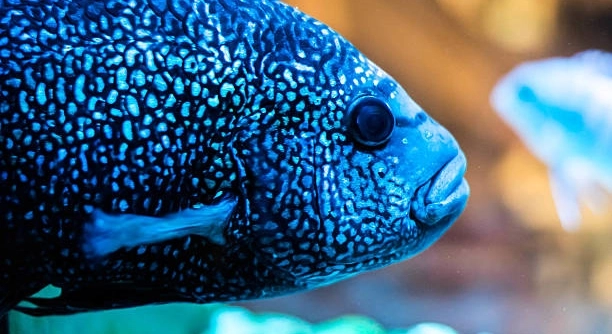
Do you ever notice your Jack Dempsey fish repeatedly rubbing against the glass, seemingly without reason? This behavior can be worrying for any fish keeper, as it may indicate stress or underlying health issues affecting the fish’s well-being.
Glass surfing in Jack Dempsey fish is primarily caused by environmental stressors, water quality issues, parasite infestations, improper diet, lack of stimulation, territorial disputes, or sudden changes in habitat. Addressing these factors is crucial for maintaining their health.
Understanding the root causes of this behavior can help you take timely action and create a safer, more comfortable environment for your fish to thrive.
Poor Water Quality
Maintaining clean water is essential for Jack Dempsey fish. High levels of ammonia, nitrites, or nitrates can irritate their skin and gills, causing them to rub against the glass. I’ve noticed even small changes in water parameters can trigger this behavior. Regular water testing and partial water changes can make a noticeable difference. Temperature fluctuations and low oxygen levels also stress the fish, leading to constant glass surfing. Proper filtration and consistent maintenance help reduce stress, allowing your fish to remain calm and healthy. Overfeeding can worsen water quality quickly, so controlling portion sizes is equally important. Observing your fish daily can reveal early signs of irritation, giving you a chance to adjust conditions before serious health issues develop.
Regular water monitoring is the most effective way to prevent stress-related behaviors in Jack Dempsey fish.
Keeping water clean ensures your fish stays healthy and reduces behaviors linked to discomfort or environmental stress. Consistent care protects their long-term well-being.
Parasites and Skin Irritations
Parasites or external infections can cause Jack Dempsey fish to scrape against surfaces.
Parasitic infestations, such as ich or flukes, often lead to itching and discomfort. The fish will rub on glass or decorations to relieve irritation. Early detection is vital because untreated parasites can spread quickly and weaken the fish. I’ve observed cases where only minor scratching escalated to severe infections when left unchecked. Quarantining new fish before introducing them into the main tank helps prevent outbreaks. Using parasite treatments and maintaining clean, stable water conditions supports recovery. Even small abrasions can allow bacteria to infect the skin, making the fish more vulnerable. Monitoring behavior changes and acting quickly ensures your fish does not suffer prolonged discomfort or illness. Preventing parasites from establishing in the tank requires consistent hygiene, careful feeding, and observation of both new and existing fish. Taking these steps keeps the fish comfortable and the tank environment safe.
Improper Diet
A poor diet can make Jack Dempsey fish restless and prone to glass surfing. Nutritional deficiencies weaken their immune system, leaving them more sensitive to stress and irritation. Feeding a balanced diet is key to keeping their behavior normal.
Feeding your Jack Dempsey only flakes or pellets may not provide all the nutrients they need. Including live or frozen foods, such as brine shrimp, bloodworms, and small insects, supports their natural growth and overall health. I’ve seen fish stop excessive glass rubbing once their diet was improved. Overfeeding can also be harmful, leading to digestive issues and poor water quality. Proper portion control combined with variety ensures the fish remains strong and less prone to stress-related behaviors. A well-fed fish is calmer, healthier, and less likely to display constant scraping or rubbing behaviors.
Diet affects more than growth; it impacts energy levels and immune response. Fish deprived of key vitamins or proteins often show repetitive behaviors, including glass surfing, as a sign of discomfort. Adjusting feeding schedules and diversifying food sources helps stabilize both physical health and behavioral patterns. By observing how your fish responds to dietary changes, you can prevent nutrient-related stress while promoting vitality. Consistency in feeding and monitoring their reaction is essential to address this common cause effectively.
Territorial Stress
Jack Dempsey fish are highly territorial, and conflicts with other tank mates can trigger glass surfing.
Territorial disputes occur when fish feel their space is invaded or when they are competing for resources. I’ve noticed aggressive interactions often coincide with increased rubbing on tank surfaces. Providing enough space and hiding spots helps reduce stress.
Tank layout plays a major role in managing territorial stress. Large tanks with plenty of rocks, plants, and decorations allow fish to claim their own areas. Avoid overcrowding, as this increases aggression and forces constant competition for dominance. Even minor changes in tank population can trigger anxiety, causing glass surfing as a coping mechanism. Observing your fish and separating aggressive individuals can restore calm. Creating distinct zones and maintaining consistent feeding schedules also reduces tension. Territorial stress is common but manageable with proper tank design and monitoring, ensuring fish can coexist peacefully while minimizing stress-induced behaviors.
Sudden Changes in Environment
Jack Dempsey fish are sensitive to sudden changes in their tank. Moving decorations, changing water parameters, or introducing new fish can trigger stress, leading to glass surfing. Consistency in their environment helps them feel secure and reduces repetitive behaviors.
Even small disturbances, like rearranging plants or changing lighting, can cause anxiety. I’ve noticed my fish become restless after minor adjustments. Gradual changes and maintaining familiar surroundings are essential to prevent stress-related rubbing on the glass.
Lack of Stimulation
A tank without enough mental and physical stimulation can make Jack Dempsey fish bored and restless. They need areas to explore and objects to interact with regularly.
Providing enrichment, such as rocks, caves, or floating decorations, encourages natural behavior. I’ve seen fish calm down and stop glass surfing once their environment became more engaging.
Water Temperature Fluctuations
Jack Dempsey fish require stable water temperatures to stay healthy. Sudden changes can cause discomfort, leading them to scrape against the glass as a stress response. Maintaining a consistent temperature helps prevent this behavior.
FAQ
Why is my Jack Dempsey constantly surfing the glass?
Glass surfing is usually a sign of stress, irritation, or discomfort. Common causes include poor water quality, parasites, lack of stimulation, territorial disputes, dietary issues, and sudden environmental changes. Observing your fish’s behavior alongside water parameters often helps pinpoint the reason.
Can poor water conditions really cause glass surfing?
Yes, water quality is one of the main triggers. High ammonia, nitrite, or nitrate levels irritate the fish’s skin and gills. I’ve noticed even slight deviations from ideal conditions can make my fish restless. Consistent testing and regular water changes usually calm them.
How do parasites make my fish surf the glass?
External parasites, like ich or flukes, cause itching and discomfort. Fish will rub against surfaces to relieve irritation. Early detection is critical, as untreated parasites spread quickly and weaken the fish. Quarantining new fish and treating infestations helps prevent this.
Does diet affect glass surfing?
Absolutely. Nutritional deficiencies can make Jack Dempsey fish more sensitive to stress. Feeding a mix of flakes, pellets, and live or frozen foods supports their health. Overfeeding or underfeeding can also worsen behavior by affecting digestion and energy levels.
Can territorial stress cause this behavior?
Yes, Jack Dempsey fish are naturally territorial. Conflicts with tank mates or overcrowding can trigger glass surfing. Providing hiding spots, spacious tanks, and monitoring interactions helps reduce stress. I’ve seen fish settle down when their environment allowed them personal space.
Do environmental changes trigger glass surfing?
Sudden changes, like moving decorations, altering lighting, or introducing new fish, can stress them. Gradual adjustments are essential to prevent anxiety. I always try to keep the tank environment consistent, and my fish respond much better when changes are slow.
How does lack of stimulation contribute to this behavior?
Bored fish often surf the glass out of restlessness. Adding rocks, plants, caves, and other enrichment gives them things to explore. I noticed that once my tank became more engaging, the glass surfing significantly decreased.
Can water temperature fluctuations cause this behavior?
Yes, Jack Dempsey fish prefer stable temperatures. Sudden drops or spikes can make them uncomfortable and lead to scraping behavior. Using a reliable heater and monitoring temperature daily keeps them calm and reduces stress-related actions.
Is glass surfing harmful to my fish?
While occasional scraping may not cause immediate harm, prolonged behavior can lead to skin damage, fin wear, or secondary infections. Addressing the root cause promptly ensures the fish remains healthy and avoids long-term complications.
How can I prevent glass surfing in my tank?
Maintaining clean water, stable temperatures, a balanced diet, enriched environments, and careful tank management reduces stress. Observing behavior daily allows early intervention. Over time, these practices minimize glass surfing and support overall health and well-being of Jack Dempsey fish.
Are there signs that glass surfing indicates a serious problem?
Yes, if the behavior is persistent, accompanied by lethargy, loss of appetite, or visible sores, it may indicate illness. I always monitor my fish closely, and if symptoms persist, I take action with water changes, dietary adjustments, or veterinary guidance.
How long does it take for glass surfing to stop after correcting the issue?
It varies depending on the cause. For water quality or environmental changes, behavior often improves within days. Parasite treatment or dietary adjustments may take a week or more. Patience and consistent care are essential to ensure lasting results.
Final Thoughts
Glass surfing in Jack Dempsey fish is a behavior that can signal several underlying issues, ranging from environmental stress to health concerns. While it may seem harmless at first, repeated rubbing against the glass often points to discomfort, irritation, or boredom. Understanding the potential causes is essential for any fish keeper who wants to maintain a healthy and calm tank environment. Water quality, including proper filtration and regular testing, plays a major role in preventing this behavior. Even small fluctuations in pH, ammonia, nitrite, or nitrate levels can make fish restless. Temperature stability is equally important, as sudden changes can stress the fish and trigger scraping. Observing your tank’s conditions and maintaining consistency provides a safer and more comfortable space for your Jack Dempsey fish, reducing the likelihood of repetitive behaviors.
Diet and enrichment are also key factors in preventing glass surfing. Jack Dempsey fish require a varied diet that includes both prepared foods and live or frozen options, such as brine shrimp, bloodworms, and small insects. Nutritional deficiencies weaken the immune system, making fish more sensitive to stress and prone to irritation. Overfeeding, underfeeding, or offering a monotonous diet can contribute to restlessness and repeated rubbing on surfaces. Alongside diet, the tank environment should provide stimulation and space. Jack Dempsey fish are territorial by nature, so overcrowding or lack of hiding spots can increase stress and aggression. Including rocks, caves, plants, and other objects encourages natural behaviors like exploring, hiding, and defending a territory. These simple adjustments can make a noticeable difference in behavior, creating a calmer and healthier fish.
Monitoring behavior closely is crucial for early intervention. Parasites and infections, such as ich or flukes, are common sources of irritation that lead to glass surfing. Early detection allows for prompt treatment, preventing the condition from worsening and spreading to other fish. Quarantining new additions, maintaining clean water, and observing changes in behavior all contribute to a safer tank environment. Consistency in care, whether through stable water conditions, balanced nutrition, or environmental enrichment, reduces stress and supports overall health. While glass surfing may be alarming, it can often be managed effectively through observation, routine maintenance, and simple adjustments to diet and habitat. By taking these steps, your Jack Dempsey fish can remain healthy, active, and less prone to repetitive or harmful behaviors.

Hello,
If you enjoy the content that we create, please consider saying a "Thank You!" by leaving a tip.
Every little bit helps us continue crafting quality advice that supports the health, happiness, and well-being of pets around the world, for pets of all shapes, sizes, and species.
We really appreciate the kindness and support that you show us!