
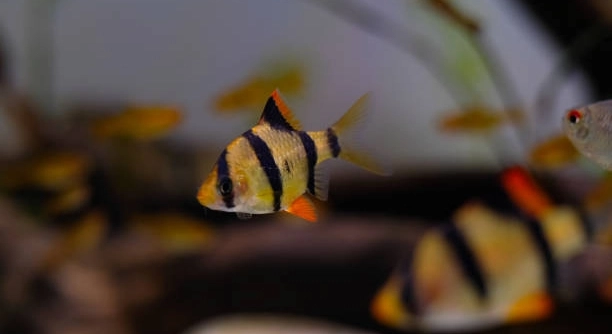
Have you ever found yourself adjusting your tank settings, unsure if the temperature is just right for your tiger barbs? Making sure they live in the proper environment can have a big impact on their health and activity.
The ideal temperature for tiger barbs ranges between 74°F and 79°F. Keeping the water within this range helps support their immune system, encourages proper growth, and maintains their natural behavior in a home aquarium.
Creating the right setup goes beyond just temperature—other water conditions and tank elements play a role in their well-being too.
Why Temperature Matters for Tiger Barbs
Tiger barbs are tropical freshwater fish that depend on stable water temperatures to stay healthy. When the water is too cold, their metabolism slows down, which can lead to poor digestion and less activity. Warmer water, on the other hand, can increase stress and reduce oxygen levels. That’s why keeping the temperature in the right range—between 74°F and 79°F—is key. In this range, tiger barbs remain active, eat well, and display brighter colors. Sudden changes in temperature can lead to illness or even death, especially if it happens often. Even a few degrees off can have a negative effect. Using a reliable aquarium heater and a thermometer can help maintain consistent conditions. Tiger barbs are sensitive to change, and keeping them comfortable starts with the water. Always monitor the tank to avoid any surprise fluctuations that could stress them or harm their immune system. Consistency is the goal.
Temperature affects how tiger barbs swim, eat, and respond to their surroundings. Keeping it steady helps avoid stress and sickness.
Even if you already have a heater, checking its accuracy with a separate thermometer is helpful. Over time, some heaters may stop working properly, which can cause small shifts in temperature. Catching issues early can prevent problems.
Best Practices for Maintaining Temperature
The right tools make a big difference when it comes to managing water temperature. A good-quality heater with an adjustable setting lets you keep things steady throughout the year. Choose a heater based on your tank’s size, and place it near a filter for even heat distribution. A digital thermometer placed on the outside of the tank gives you an easy way to check the temperature at a glance. If your home is prone to drafts or temperature swings, consider placing the aquarium away from windows or heating vents. Regularly clean your equipment and inspect for wear or build-up that could interfere with performance. If the tank light produces extra heat, monitor its impact during longer lighting periods. For tropical fish like tiger barbs, a well-controlled environment is just as important as food or tank mates. Without proper heat, even a clean tank can cause stress and health issues. Keep it simple and consistent.
Signs the Temperature Is Off
When the water temperature is too low or too high, tiger barbs show changes in behavior. They may swim less, hide more often, or stop eating. You might also notice faded colors or signs of stress like rapid gill movement.
If the temperature drops below 74°F, tiger barbs can become sluggish and lose interest in food. Cold water affects their digestion and weakens their immune system, making them more likely to get sick. On the other hand, if the water rises above 79°F, they may swim erratically, breathe faster, or stay near the surface where oxygen levels are slightly higher. High temperatures can also increase aggression, especially in a tank with several barbs. These fish are active by nature, so noticeable changes in energy or social behavior are often signs something is wrong. Regularly checking water temperature helps catch these issues early and keeps the tank stable and safe.
Keep an eye on how long your fish spend in certain parts of the tank. Tiger barbs that hang near the heater or constantly swim at the top could be reacting to temperature stress. Extreme temperatures may also lead to fin clamping or pale coloring. Acting quickly when you see these signs can prevent long-term issues. Use a dependable thermometer, and test different spots in the tank if you suspect uneven heating. Some filters and decor can block heat flow, which causes hot or cold zones. If that’s the case, adjusting the heater’s placement or adding a second one may help. Fish health often depends on details like this.
Seasonal Changes and Tank Temperature
Seasonal temperature shifts can affect your tank, especially in rooms without steady climate control. During winter, the room may get colder overnight, dropping the tank’s temperature. In the summer, heat can build up and raise water temperatures above the ideal range for tiger barbs.
To handle these changes, use equipment that adapts to your surroundings. An adjustable heater is useful for colder months, especially if your home experiences frequent drops in temperature. Set it slightly higher during winter evenings when the room is cooler. In summer, rising room temperatures can increase the water temperature past 80°F. If this happens, use a fan or open the tank lid for ventilation. Keep lights off longer to avoid added warmth. Air conditioning or placing the tank in a cooler part of the house can help too. Don’t use ice or cold water suddenly—it may shock the fish. Instead, aim for gradual adjustments.
Tools That Help Regulate Temperature
A submersible aquarium heater is the most reliable way to keep water warm and steady. Choose one that fits your tank’s size and has a clear temperature control dial. Some also include automatic shut-off features for safety.
A digital thermometer helps track changes quickly. It gives you a more accurate reading than stick-on types. Having one makes daily checks simple.
How Tank Placement Affects Temperature
Where you place your tank can influence temperature more than you might think. Tanks near windows, vents, or doors are exposed to drafts and direct sunlight. These outside factors can cause the water temperature to rise or fall throughout the day. Even nearby electronics or lamps can raise heat slightly over time. Keep your tank in a spot with stable room temperature, away from constant air movement or light shifts. This helps the heater maintain a steady setting without overworking. When setting up, use a thermometer to test the spot first. Knowing how the area behaves before placing your tank can save you trouble later.
Tips for Emergency Temperature Swings
If your heater fails suddenly, wrap the tank with towels to slow heat loss. Avoid large water changes and keep the lid closed.
FAQ
Can tiger barbs survive outside the ideal temperature range?
Tiger barbs can survive short periods outside their preferred range, but it often leads to stress. Water that’s too cold slows their metabolism, which can make them weak and inactive. Warmer water may cause faster breathing and increase aggression. While they may not die immediately, long exposure to the wrong temperature makes them more likely to get sick or show unusual behavior. It also shortens their lifespan over time. Staying within 74°F to 79°F helps them stay healthy, active, and colorful. Small daily changes are okay, but big temperature swings should always be avoided.
Do tiger barbs need a heater all year round?
In most indoor setups, yes. A heater helps keep the temperature stable, especially if the room gets cold at night or during winter. Even if your home stays warm, sudden weather changes can still affect the tank. Heaters also reduce temperature shifts caused by open windows or fans. During warmer months, some people turn off the heater, but it’s important to monitor the water daily. If the temperature stays within the ideal range without help, that’s fine. Still, it’s safer to leave the heater on and let its thermostat control when it turns off and on automatically.
What happens if the temperature rises too high?
When the water gets too hot, tiger barbs may breathe faster, swim near the surface, or act restless. High temperatures reduce oxygen in the water, which makes it harder for them to breathe. If it goes on too long, it can lead to fatigue or even death. This is common during summer if the tank gets direct sunlight or sits near warm appliances. To help, turn off the lights, increase surface movement with an air stone or bubbler, and remove the tank lid briefly. Keep room temperatures steady and avoid placing the tank near windows or heaters.
How can I safely lower the tank temperature?
If your tank is too warm, start by turning off the lights and opening the lid for better airflow. Use a small fan to blow across the surface of the water—it helps reduce heat gradually. You can also float a sealed bag of ice in the tank, but never pour cold water directly in. Sudden temperature drops can shock the fish. Try to lower the temperature slowly, no more than 1–2°F per hour. If heat is a regular issue, think about moving the tank or adding a cooling fan system. Always keep a thermometer visible so you can act fast if needed.
Should I adjust temperature during breeding?
Yes, if you’re trying to breed tiger barbs, slight changes in temperature can help trigger spawning. Raising the water temperature to around 78°F–80°F may encourage mating behavior. This should only be done when the fish are healthy and the rest of the tank conditions are stable. Once eggs are laid, return the water to their usual range. Consistency is still important after spawning, especially for the health of the fry. Avoid sudden temperature changes during this time, and make sure the heater stays reliable. Monitoring temperature closely will support both the adult fish and the new fry.
How often should I check the tank temperature?
It’s best to check at least once a day, especially in the morning or evening when room temperature may shift. A quick glance at a digital thermometer can tell you if things are stable. If you’ve had issues before or live in an area with frequent climate changes, checking twice daily is even better. Heaters can wear out over time, so don’t assume everything is fine just because the heater is on. Regular monitoring is a simple habit that helps prevent stress or illness in your tiger barbs. It only takes a moment and can save you trouble later.
Final Thoughts
Keeping tiger barbs healthy starts with stable water temperature. These fish are active, colorful, and social when the conditions are right. The ideal range of 74°F to 79°F supports their natural behavior, helps their immune system, and keeps them comfortable. Even small changes in temperature can affect how they swim, eat, and interact with each other. A consistent tank environment gives them the best chance to thrive. While they may survive outside of the ideal range for a short time, it often leads to stress, which can open the door to illness or other problems. A good heater and a reliable thermometer are simple tools that make a big difference.
Temperature control isn’t just about the heater—it’s also about the tank’s location and how it reacts to changes in the room. Placing the aquarium away from windows, vents, and heaters helps reduce sudden changes. Seasonal shifts can also have an effect. In winter, the water can get colder at night. In summer, the heat may push the temperature too high. Keeping an eye on these patterns helps you respond early. Small steps like covering the tank with a towel during cold nights or using a fan during a hot day can help prevent larger problems later. These habits can protect your fish without needing big changes to your setup.
Taking the time to understand what your tiger barbs need shows in how they behave. Healthy fish will swim in groups, eat regularly, and display bright colors. If you notice something off, checking the water temperature is a good first step. It’s easy to assume the heater is always working, but equipment can wear out over time. Making a habit of checking the temperature daily—just like you would feed them—is simple and helpful. Caring for tiger barbs doesn’t need to be complicated, but it does require attention to details like this. With the right setup and a little routine maintenance, your tiger barbs can stay active and healthy for years to come.

Hello,
If you enjoy the content that we create, please consider saying a "Thank You!" by leaving a tip.
Every little bit helps us continue crafting quality advice that supports the health, happiness, and well-being of pets around the world, for pets of all shapes, sizes, and species.
We really appreciate the kindness and support that you show us!