
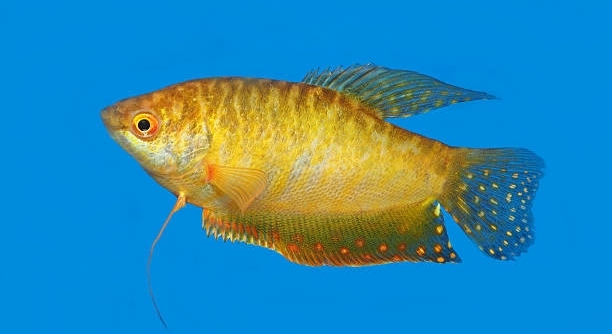
Many gouramis enjoy exploring every corner of their tank, yet some often linger near the back wall, seeming hesitant to swim freely. Observing this behavior can be both puzzling and a little concerning for aquarium owners.
Gouramis that prefer the back wall are usually responding to stress, territorial instincts, or environmental factors. Tank size, water quality, hiding spots, and tankmates can influence their choice, as well as their natural preference for shelter and reduced exposure to activity.
Recognizing the reasons behind this habit can help you create a more comfortable and balanced environment for your fish to thrive.
Understanding Gourami Behavior
Gouramis are naturally cautious fish that rely on their instincts to feel secure. Staying near the back wall often gives them a sense of safety, as it limits exposure to open spaces. Factors such as sudden changes in light, loud noises, or the presence of more aggressive tankmates can make them retreat. Additionally, water conditions play a significant role. Poor water quality, temperature fluctuations, or incorrect pH levels can increase stress, prompting the fish to hide. Tank layout also influences behavior. Gouramis appreciate places to explore but need areas that offer cover. Plants, rocks, and decorations along the back wall can make them feel sheltered. Over time, consistent observation allows you to notice patterns, such as certain times of day or after feeding when the fish prefers the back. Providing a stable, predictable environment encourages them to gradually explore more of the tank, building confidence without forcing interaction.
Hiding at the back wall is usually a sign of caution rather than illness.
Creating a calm environment involves ensuring stable water parameters, gentle lighting, and minimal disturbances. Arranging plants and decorations along the back wall can encourage exploration while still giving your gourami a secure place to rest. Regular feeding at consistent times reduces stress and creates a predictable routine. Observing interactions with other fish helps identify whether territorial disputes are causing the behavior. If aggression occurs, consider separating more dominant fish. Tank size also matters; overcrowded tanks increase stress levels. By combining proper water care, thoughtful tank design, and attention to social dynamics, your gourami can gradually feel more comfortable swimming beyond the back wall, fostering healthier activity patterns and reducing prolonged hiding tendencies.
Environmental Adjustments
Small changes in the tank can encourage your gourami to explore more actively.
Adjusting the layout, adding hiding spots in different areas, and ensuring gentle water flow can help. Providing areas with both cover and open space allows them to balance safety and activity. Maintaining consistent water temperature and quality reduces stress and promotes natural behavior. Observing how your gourami interacts with these changes over time can help refine the tank environment further. Creating a calm, predictable setting is essential for encouraging confidence and reducing constant hiding. These adjustments take time but can result in a more balanced and engaging environment for your fish.
Water quality is fundamental for your gourami’s comfort. Regular water changes, careful monitoring of ammonia, nitrate, and nitrite levels, and maintaining stable temperature and pH are crucial. Introduce plants and décor gradually, ensuring the fish has choices for both open swimming and sheltered areas. Avoid overcrowding, as extra fish can increase stress and territorial behavior. Gentle filtration and reduced strong currents prevent fatigue and allow natural swimming patterns. Observation is key; notice when your fish prefers hiding versus exploring. Adjust lighting gradually to mimic natural day-night cycles and provide resting periods. Over time, consistent care, thoughtful tank design, and stable environmental conditions encourage your gourami to use more of the tank confidently. This approach balances their need for security with opportunities to explore and display natural behaviors.
Common Stress Factors
Stress often drives a gourami to stay near the back wall. Sudden noises, aggressive tankmates, or rapid changes in water conditions can all trigger this cautious behavior. Stress reduces their activity and can affect appetite and overall health, making it essential to monitor their environment carefully.
Overcrowding in the tank is a frequent cause of stress. When multiple fish compete for space or hiding spots, gouramis may feel threatened and retreat to the back wall for safety. Inconsistent feeding schedules or sudden temperature changes can amplify their anxiety. Even minor disturbances, like tapping on the glass or frequent rearrangement of decorations, can make them hesitant to explore. Creating a stable, predictable environment helps reduce stress, allowing gouramis to gradually feel comfortable swimming throughout the tank.
Aggressive interactions with other fish also contribute to hiding behavior. Gouramis may avoid more dominant tankmates by staying near the back wall. Providing visual barriers, separate hiding spots, and observing social dynamics reduces conflicts. Establishing territory boundaries with plants or décor encourages peaceful coexistence. Reducing stress through careful tank management improves activity levels, appetite, and overall well-being. By monitoring interactions and minimizing disruptions, your gourami can gradually explore more of the tank safely and confidently.
Improving Tank Comfort
Providing adequate hiding spots helps gouramis feel secure and reduces stress-related hiding.
Plants, caves, and decorations along the back wall give them places to rest without feeling exposed. Balancing these sheltered areas with open swimming space encourages exploration while respecting their cautious nature. Proper lighting, gentle filtration, and stable water parameters contribute to comfort and reduce unnecessary stress.
Introducing gradual environmental changes can improve confidence. Rearranging decorations slowly, adding plants in new locations, and adjusting lighting in small increments allows gouramis to adapt without fear. Ensuring water quality, temperature, and pH remain stable provides a consistent foundation for well-being. Combining thoughtful tank design with careful observation promotes natural behaviors and reduces excessive hiding. Over time, your gourami learns to balance safety with exploration, becoming more active and responsive to its surroundings.
Feeding Habits and Hiding
Gouramis often hide near the back wall during feeding if they feel insecure or pressured by other fish. Providing food in multiple spots reduces competition and encourages them to come out without stress. Observing their eating patterns helps identify comfort levels.
Smaller, frequent feedings can make your gourami more confident. Overfeeding in one area may cause dominant fish to chase them away. Splitting meals across the tank ensures everyone gets access, allowing your gourami to gradually venture out and engage more actively with their environment.
Social Interactions
Tankmates greatly influence gourami behavior. Aggressive or overly active fish can intimidate them, encouraging hiding. Creating defined spaces and monitoring interactions helps maintain balance. Choosing peaceful companions and spacing out hiding areas gives your gourami room to feel secure, reducing prolonged retreats to the back wall.
Lighting and Visibility
Bright or fluctuating light can make gouramis uneasy. Using gentle, consistent lighting reduces stress and encourages natural swimming habits.
FAQ
Why does my gourami always stay at the back wall?
Gouramis often stay near the back wall because it feels safer. Stress from aggressive tankmates, sudden movements, or changes in water conditions can make them retreat. Providing hiding spots, stable water parameters, and gentle tankmates can help them gradually feel more confident exploring other areas.
Is my gourami sick if it hides all the time?
Not necessarily. Hiding is a natural behavior for many gouramis, especially when stressed or shy. However, prolonged hiding combined with loss of appetite, unusual swimming, or faded colors may indicate illness. Monitoring behavior and maintaining good water quality is key to distinguishing stress from health issues.
Can tank size affect hiding behavior?
Yes, small or overcrowded tanks increase stress. Limited space and competition for hiding spots can force gouramis to remain at the back wall. Providing enough room, hiding areas, and a peaceful environment encourages more active swimming and reduces constant hiding.
Will changing the tank layout help?
Gradual changes can be beneficial. Rearranging plants or decorations slowly, adding new hiding spots, and creating open swimming areas helps gouramis adjust without fear. Sudden changes may increase stress, so make modifications incrementally to support their comfort and confidence.
Do lighting conditions matter for gouramis?
Bright or inconsistent lighting can make gouramis feel exposed and increase hiding behavior. Using gentle, stable lighting with shaded areas helps them feel secure. Dim or indirect light encourages natural activity while providing safe spots near the back wall.
How do I reduce stress from tankmates?
Observe interactions closely. Aggressive or dominant fish can intimidate gouramis. Adding visual barriers, arranging decorations to create private zones, and selecting peaceful tankmates minimizes stress. Giving each fish its own territory allows gouramis to explore safely without feeling constantly threatened.
Does feeding method influence hiding?
Yes, feeding in one area may make your gourami reluctant to come out. Splitting food into multiple spots reduces competition and encourages them to swim more confidently. Smaller, frequent meals often increase participation and gradually build trust with their environment.
Can water quality cause back-wall behavior?
Poor water quality, incorrect temperature, or unstable pH can stress gouramis and make them retreat. Regular water changes, monitoring levels of ammonia, nitrate, and nitrite, and maintaining a stable environment are essential for comfort and encouraging natural swimming habits.
How long will it take for a gourami to explore more?
The timeline varies. Some gouramis adjust within days, while others may take weeks. Consistent care, stable water, gentle lighting, and a secure environment encourage gradual exploration. Patience is key, as forcing activity can increase stress rather than reduce it.
Can decorations alone make a difference?
Decorations play a significant role. Plants, caves, and visual barriers along the back wall provide security and reduce stress. Arranging them thoughtfully allows your gourami to move between hiding spots and open areas safely, promoting natural behavior while respecting their cautious nature.
What signs indicate my gourami is becoming more comfortable?
Increased swimming in open areas, regular feeding, and less time at the back wall are positive signs. Gradual exploration, interaction with tankmates without stress, and normal coloration all indicate that your gourami is adjusting well to its environment.
Is it normal for gouramis to prefer corners or edges?
Yes, many gouramis naturally prefer edges or corners because it reduces exposure. Providing both open swimming areas and sheltered corners balances their need for safety with opportunities for activity. Over time, they may venture further as confidence grows.
Can I encourage my gourami to come forward with treats?
Yes, offering food near mid-tank or open areas can encourage movement. Use slow, predictable feeding routines and ensure other fish do not dominate the food. Patience is necessary, as the gourami will approach at its own pace when feeling safe.
Do seasonal changes affect hiding behavior?
Temperature shifts, daylight changes, and variations in feeding routines can influence behavior. Maintaining consistent conditions and avoiding abrupt changes helps minimize stress and keeps your gourami confident in swimming throughout the tank.
Are there behavioral differences between gourami species?
Different species may have varying levels of shyness or territorial behavior. Some naturally prefer back areas, while others explore more actively. Knowing your species’ tendencies helps anticipate and manage hiding behavior effectively.
How can I tell if hiding is due to stress or natural preference?
Monitor patterns. If your gourami hides occasionally but swims actively, eats well, and interacts with tankmates, it’s likely natural behavior. Prolonged hiding with physical or behavioral changes often points to stress, illness, or environmental issues that need attention.
Does water flow affect back-wall preference?
Strong currents can make gouramis uncomfortable. Gentle, stable flow encourages swimming without fatigue. Positioning decorations or plants to reduce direct currents near hiding spots allows the fish to balance safety with exploration.
What’s the best way to introduce a new gourami?
Introduce slowly using a quarantine period or a separate tank. Gradual acclimation and careful observation reduce stress. Providing hiding spots and ensuring calm tankmates helps the new fish feel secure and prevents prolonged hiding.
Can stress from humans affect gouramis?
Yes, frequent tapping on glass, sudden movements, or loud noises can cause them to retreat. Minimizing disturbances and allowing consistent routines helps gouramis feel safe and encourages natural swimming behaviors over time.
Are there signs that hiding is permanent?
Permanent hiding is rare if conditions are appropriate. Persistent back-wall behavior despite good water quality, peaceful tankmates, and adequate hiding spots may indicate extreme shyness or species-specific tendencies. Observing long-term patterns helps determine if behavior is a personality trait rather than a problem.
How can I track improvements in behavior?
Keep a log of swimming patterns, feeding habits, and interactions with tankmates. Note environmental changes and responses. Gradual increases in exploration and reduced hiding over time show improvement and help refine tank management strategies for optimal comfort and activity.
Final Thoughts
Gouramis are naturally cautious fish that often prefer the back wall of the tank because it provides a sense of safety and security. This behavior is usually normal and not a cause for concern. Many factors influence why a gourami might spend more time in the back, including tank size, water quality, tankmates, and available hiding spots. Observing your fish carefully allows you to understand its habits and respond appropriately. Each gourami has its own personality, and some are simply more shy or reserved than others. Recognizing this helps prevent unnecessary worry and ensures that your fish receives the proper care without being stressed or forced into behavior it is not comfortable with.
Maintaining a stable and comfortable environment is essential for encouraging a gourami to explore beyond the back wall. Consistent water parameters, including temperature, pH, and cleanliness, play a significant role in reducing stress. Adequate hiding spots, such as plants, rocks, or decorations, allow your fish to feel safe while gradually becoming more active. Observing feeding patterns can also provide clues about comfort levels, as shy gouramis may eat less or only in secluded areas. Choosing peaceful tankmates and minimizing sudden disturbances further helps in creating a calm setting. Over time, small adjustments in the tank can build confidence, leading to more frequent exploration and healthier swimming habits.
Patience and careful observation are key when supporting a gourami that prefers the back wall. It is important to avoid making rapid changes or introducing factors that could increase stress, such as overcrowding or overly bright lighting. Gradual modifications in tank layout, feeding routines, and water flow allow the fish to adapt at its own pace. Positive signs include increased activity, willingness to explore open areas, and consistent feeding behavior. By paying attention to these signals and maintaining a stable, comfortable environment, you can support your gourami’s natural behavior while encouraging more balanced activity throughout the tank. Over time, understanding and accommodating its needs will result in a healthier, more confident fish that enjoys both safety and freedom to swim.

Hello,
If you enjoy the content that we create, please consider saying a "Thank You!" by leaving a tip.
Every little bit helps us continue crafting quality advice that supports the health, happiness, and well-being of pets around the world, for pets of all shapes, sizes, and species.
We really appreciate the kindness and support that you show us!