
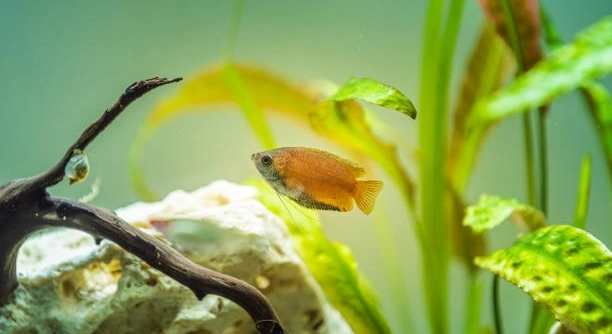
Changing water for your gourami can feel tricky at first. Many new fish owners worry about stressing their fish or harming the tank environment when replacing water regularly. Understanding the basics can make the process easier and safer.
Proper water changes for gouramis involve consistent partial replacements, monitoring water parameters, and avoiding sudden temperature shifts. Maintaining clean water reduces toxins, supports fish health, and prevents diseases, ensuring a stable environment for the gourami’s growth and well-being.
Following these steps can make a noticeable difference in your gourami’s daily behavior and overall tank condition. Small adjustments in routine care will have long-term positive effects.
Preparing the Tank for a Water Change
Before changing your gourami’s water, it’s important to prepare the tank properly. Start by checking the current water parameters, such as pH, ammonia, nitrite, and nitrate levels. These readings help you understand the condition of the water and whether your gourami might be stressed. Gather all necessary supplies, including a siphon, a clean bucket, and fresh water that has been treated to remove chlorine and other chemicals. Turn off any equipment that might interfere with the process, like filters or heaters, to avoid accidents. Slowly remove a portion of the tank water, about 20-30 percent for a standard weekly change. Be careful not to disturb the substrate too much, as this can release harmful substances back into the water. Keep an eye on your gourami during the process to ensure it remains calm and safe throughout.
Proper preparation helps prevent stress and ensures the water change is effective for your gourami.
Consistency in preparation keeps the tank stable and supports long-term fish health.
Matching Water Conditions
It’s essential that the new water matches the tank’s temperature and pH as closely as possible. Sudden differences can shock your gourami and affect its health.
Slowly adding the new water in small amounts prevents rapid changes. Take time to adjust the temperature of the replacement water so it aligns with the tank. Measure pH and hardness levels to ensure they are similar, as even minor differences can stress your gourami over time. Pour the water gently along the tank sides to avoid disturbing the substrate and decorations. Using a siphon or a small cup can make this process smoother. After the water change, monitor the fish closely for signs of stress, like rapid gill movement or hiding. Consistently matching water conditions reduces stress, prevents sudden illness, and keeps your gourami comfortable. Over time, this practice strengthens your ability to maintain a balanced tank and promotes healthier, more active fish.
Using a Siphon for Water Removal
A siphon makes water changes easier and cleaner. It helps remove debris from the substrate while taking out old water without stressing the gourami.
Start the siphon slowly to avoid disturbing the fish. Move it gently over the substrate, collecting uneaten food, waste, and sediment. Remove only 20-30 percent of the water to maintain stability in the tank. Avoid taking out too much at once, as sudden volume loss can stress the gourami. Focus on corners and areas where debris collects, but keep the process calm and slow. After removing the water, clean the siphon and bucket thoroughly to prevent bacteria buildup.
Using a siphon regularly improves water quality and reduces the risk of harmful substances accumulating in the tank. This practice keeps your gourami more active and healthy, reducing the likelihood of illness and creating a cleaner environment for long-term care.
Adding New Water Slowly
Pouring new water too quickly can shock the fish. Add it gradually along the tank edges or use a cup to prevent sudden changes.
Check the temperature and pH before adding the water. Slowly introduce the treated water to prevent stress. Pour small amounts over 10-15 minutes until the desired level is reached. Avoid stirring up the substrate or decorations, as this can release debris and stress the gourami. Keep an eye on the fish to ensure it stays calm. Matching conditions reduces the risk of disease and supports the fish’s overall well-being, allowing the tank to remain balanced after each water change.
Gradual water addition allows the tank to adjust without sudden shifts in chemistry. This method minimizes stress and creates a more stable environment for your gourami, improving its activity, feeding behavior, and general health over time. Regular slow water changes also make future maintenance easier and more predictable.
Checking Water Parameters
Test water regularly to keep your gourami healthy. Monitoring pH, ammonia, nitrite, and nitrate ensures the environment stays safe.
Keep a log of readings to notice trends. Sudden changes can indicate problems, allowing early action before stress or illness affects your fish.
Cleaning Decorations and Substrate
Remove algae and debris from decorations during water changes. This prevents buildup that can harm water quality.
Gently scrub ornaments and rinse gravel without using soap. Over time, this keeps the tank clean, reduces bacteria, and provides a healthier environment for your gourami.
Maintaining a Consistent Schedule
Changing water at the same time each week helps gouramis adjust. Consistency reduces stress and keeps the tank balanced.
Regular water replacement prevents toxin accumulation, keeps nitrate levels low, and supports overall fish health. A predictable routine helps maintain stable water conditions and makes tank care easier to manage.
Observing Your Gourami
Watch your gourami’s behavior after water changes. Changes in activity or appetite can indicate stress or water issues.
FAQ
How often should I change water for my gourami?
Water changes should be done weekly, removing about 20-30 percent of the tank water each time. This keeps toxins like ammonia and nitrates at safe levels, supporting your gourami’s health. More frequent changes may be needed for smaller or heavily stocked tanks.
Can I change all the water at once?
Completely replacing water is not recommended. Sudden shifts in temperature, pH, and other water parameters can stress or even harm your gourami. Partial changes maintain stability while still removing waste and pollutants effectively.
Do I need to treat tap water before adding it?
Yes, always use a water conditioner to remove chlorine, chloramine, and heavy metals. Untreated water can irritate gills, damage fins, or affect the overall health of your gourami. Letting the water sit to reach room temperature is also important.
What temperature should the new water be?
Match the new water’s temperature closely to the tank, usually around 75-82°F (24-28°C). Sudden temperature differences can shock your gourami and weaken its immune system. A thermometer helps ensure accuracy and consistency.
How do I handle cloudy water after a change?
Cloudiness is often caused by disturbed substrate or bacterial blooms. Allow the tank to settle for a few hours. Ensure filtration is working properly and avoid overfeeding, which contributes to debris buildup and water cloudiness.
Can I change water if my gourami is sick?
Yes, but do it carefully. Maintain partial water changes and ensure new water matches the tank’s temperature and chemistry. Sudden changes can worsen stress, so proceed slowly and monitor the fish closely for signs of improvement or decline.
Should I clean the filter during a water change?
Rinse filter media in removed tank water rather than tap water. Cleaning too aggressively can destroy beneficial bacteria that help maintain water quality. Filters should be maintained regularly but never completely sterilized during routine water changes.
How do I prevent water parameters from fluctuating?
Consistent partial water changes, careful monitoring of temperature and pH, and avoiding overfeeding help maintain stable conditions. Keeping a log of readings can reveal trends and allow adjustments before they affect your gourami’s health.
Can I use a siphon for small tanks?
Yes, a siphon is helpful even in smaller tanks. It removes debris from the substrate without disturbing the fish too much. For very small tanks, gentle suction or a small cup can work, but always proceed slowly to avoid stress.
Is it normal for my gourami to hide after a water change?
Yes, some gouramis may hide briefly as they adjust to the new water. This is normal if water conditions are matched correctly. Keep observing behavior and feeding; prolonged hiding may indicate stress or water parameter issues.
Can I add decorations or plants during a water change?
Yes, but make sure any new items are cleaned and safe for aquarium use. Introducing items gradually prevents sudden changes in water chemistry and helps your gourami adjust without stress.
How do I know if the water change worked?
Test ammonia, nitrite, nitrate, and pH after the change. Clear water, stable readings, and normal fish behavior indicate a successful water change. Regular monitoring ensures continued water quality and supports long-term health.
Can water changes help prevent diseases?
Regular partial changes reduce toxins and prevent algae buildup, both of which can stress your gourami. Healthy, stable water conditions strengthen the immune system and lower the risk of common illnesses like fin rot or ich.
What should I avoid during water changes?
Avoid sudden large water changes, untreated water, aggressive substrate cleaning, and rapid temperature shifts. These can stress your gourami or destabilize the tank environment, potentially causing health issues or behavioral problems.
Are weekly water changes enough for all gourami species?
Generally, yes. However, highly active species or heavily stocked tanks may require slightly more frequent changes. Monitor water parameters and your gourami’s health to adjust the schedule as needed.
How long should I wait after adding new water before feeding?
Wait at least 30 minutes after a water change to allow the tank to stabilize. This ensures your gourami’s digestion and reduces stress while maintaining water quality.
Is tap water always safe after conditioning?
Most tap water is safe once treated, but it’s important to check for heavy metals or local contaminants. Using a reliable water conditioner ensures harmful chemicals are neutralized, keeping your gourami healthy.
Can I combine water changes with tank cleaning?
Yes, but focus on gentle cleaning. Remove algae and debris without disturbing beneficial bacteria or stressing the fish. Partial water changes and careful cleaning together maintain a balanced environment efficiently.
How do I make water changes easier for myself?
Prepare supplies ahead of time, treat water in advance, and follow a consistent routine. Using a siphon, bucket, and thermometer simplifies the process while keeping your gourami safe and stress-free.
Is it necessary to monitor water after each change?
Yes, testing parameters after a change helps catch any fluctuations early. Observing your gourami for stress or unusual behavior ensures the water change was effective and safe. Consistency and monitoring are key to long-term health.
Changing water for your gourami may seem like a small task, but it has a big impact on your fish’s health. Regular water changes remove toxins and debris that can accumulate in the tank. Over time, waste from uneaten food, fish excrement, and decaying plants can make the water unsafe if it is not replaced. By keeping the water clean, you create a stable environment where your gourami can thrive. This also prevents common problems such as cloudy water, unusual smells, or algae buildup. Consistency is key, and setting a schedule for weekly or bi-weekly water changes helps maintain a balanced tank. Even partial changes, like removing 20-30 percent of the water, make a noticeable difference in water quality and fish behavior.
It is equally important to match the new water’s temperature and chemical parameters to the existing tank water. Sudden differences in temperature, pH, or hardness can stress your gourami and potentially cause illness. Taking the time to treat tap water and adjust its temperature before adding it to the tank makes the process safer and more effective. Using tools like a siphon helps remove debris without disturbing the fish, and cleaning decorations gently ensures that the tank remains visually appealing and healthy. Monitoring water parameters regularly provides insight into the tank’s overall condition and alerts you to any issues before they become serious. Even small actions, like observing your gourami’s behavior after a change, can indicate if the water change was successful and if adjustments are needed.
Maintaining a regular water change routine is one of the most effective ways to support your gourami’s well-being. Over time, this simple habit promotes stronger immune systems, reduces the risk of diseases, and keeps your fish active and vibrant. Clean water also enhances the appearance of your tank, making it more enjoyable to watch your gourami swim and interact. By investing a little time and care in each water change, you provide a long-term benefit that improves both the fish’s health and your experience as a tank owner. Following these best practices consistently allows for a calm, balanced aquarium environment where your gourami can live comfortably and happily for many years.

Hello,
If you enjoy the content that we create, please consider saying a "Thank You!" by leaving a tip.
Every little bit helps us continue crafting quality advice that supports the health, happiness, and well-being of pets around the world, for pets of all shapes, sizes, and species.
We really appreciate the kindness and support that you show us!