
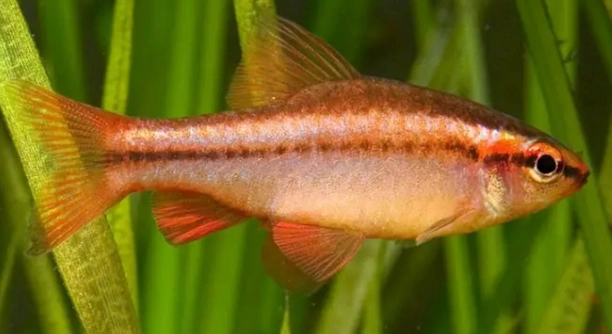
Cherry barbs are popular fish in aquariums, admired for their vibrant colors and peaceful nature. However, if they refuse to interact with other fish or their environment, it can be puzzling. This behavior is worth exploring.
Cherry barbs may refuse to interact due to stress, poor water quality, or unsuitable tank mates. It is essential to address environmental factors and ensure proper care to encourage their natural behavior and social interaction.
Understanding the reasons behind your cherry barbs’ reluctance to engage can help you create a more comfortable environment for them, ensuring their well-being and happiness.
Common Causes for Cherry Barb Discomfort
Cherry barbs are sensitive fish, and their reluctance to interact can often be traced to environmental stressors. Poor water quality is one of the main reasons they become withdrawn. If the water parameters, like pH or ammonia levels, are not balanced, it can stress them out. Cherry barbs prefer clean, well-maintained water with stable conditions. High levels of toxins or sudden changes in temperature can also lead to inactivity.
Another factor affecting their behavior is the presence of aggressive tank mates. Cherry barbs are peaceful creatures and will avoid interaction if housed with more territorial fish. It’s important to ensure that their companions are not overly dominant or aggressive. A peaceful tank will encourage better interactions and improve their overall health.
Feeding habits may also influence their behavior. If they’re not receiving the right nutrients or are fed too infrequently, they might retreat. Proper diet and regular feeding are crucial to their well-being.
Tank Setup and Space
Overcrowded tanks or inadequate space can lead to stress for cherry barbs. They need room to swim and explore. Too many fish in a small tank can cause competition and discomfort.
In an overcrowded tank, cherry barbs are less likely to interact with each other or their environment. Ensuring proper space allows them to feel safe and secure, which will help them feel more comfortable and active. It’s essential to provide them with adequate swimming space to avoid stress-related behavior.
Water Quality Matters
Water quality is vital for cherry barbs. They need clean water with stable parameters. If ammonia or nitrite levels are too high, or the temperature fluctuates too much, they will become stressed and less social. Regular water changes are key to keeping them healthy and active. Testing the water regularly helps ensure it stays within the recommended range for cherry barbs.
Maintaining stable water conditions is not just important for keeping cherry barbs active, but also for their long-term health. Poor water quality can lead to illness, which makes them even less likely to interact with other fish. A well-maintained tank with filtered water allows them to thrive.
In addition, adding live plants or hiding spots can help reduce stress. These elements can make the tank feel more natural and provide spots for the fish to relax, encouraging them to be more social with their tank mates.
Stress from Tank Mates
Cherry barbs can become withdrawn when paired with more aggressive or dominant fish. They prefer peaceful companions that don’t compete for space or food. If you notice your cherry barbs avoiding certain areas of the tank, it might be due to territorial behavior from their tank mates.
Choosing the right tank mates is important for their well-being. Cherry barbs thrive alongside other calm fish like tetras or rasboras. Aggressive species, such as cichlids or larger fish, can make them feel threatened, leading to isolation. If this is the case, rearranging the tank layout or even relocating some fish may help.
Peaceful tank mates encourage cherry barbs to be active and social. Without the fear of being chased or outcompeted, they will feel more comfortable exploring the tank and interacting with others. Having a peaceful community tank can make a significant difference in their behavior.
Water Temperature and Lighting
Inconsistent water temperature can cause cherry barbs to hide or become inactive. They are tropical fish and prefer stable temperatures between 74-80°F (23-27°C). Sudden drops or increases in temperature can lead to stress and a lack of activity.
To maintain a healthy environment for cherry barbs, invest in a reliable aquarium heater. Consistent water temperature is key to keeping them comfortable. Avoid placing the tank in drafty areas or near direct sunlight, as this can cause temperature fluctuations. It’s also important to monitor the temperature regularly using a thermometer to avoid any surprises.
Lighting also plays a role in their comfort. Bright or harsh lighting may make cherry barbs feel exposed. Providing dim lighting or hiding spots can make them feel more secure, encouraging social behavior. A calm environment with moderate lighting can help cherry barbs thrive.
Overcrowding and Space Issues
Overcrowding can make cherry barbs feel stressed and less social. When a tank is too crowded, fish have limited space to move freely, which can lead to anxiety. A more spacious tank will encourage them to interact and explore more comfortably.
Cherry barbs need plenty of swimming space. A tank that is too small can make them feel trapped, leading to a decrease in activity and social behavior. Ensure your tank is properly sized for the number of fish you have. A tank with a larger volume will support their natural movements and behavior.
Feeding Routine
Inconsistent feeding times or inadequate diet can also contribute to their withdrawn behavior. Cherry barbs thrive when they are fed regularly with a balanced diet. They need a variety of foods to stay healthy and active. A poor diet can result in lethargy.
Feeding your cherry barbs small portions several times a day can also help encourage interaction. They will be more likely to stay active when they know food is regularly available. Avoid overfeeding, as this can cause water quality issues, making them even more reluctant to interact.
FAQ
Why are my cherry barbs hiding all the time?
Cherry barbs may hide due to stress or discomfort in their environment. Factors such as poor water quality, unsuitable tank mates, or inadequate space can make them feel insecure. Check the water parameters, make sure the tank is not overcrowded, and ensure they are housed with peaceful companions. If they feel threatened or overcrowded, hiding becomes their way of coping.
Can cherry barbs live with other fish?
Yes, cherry barbs are peaceful fish and can live with other non-aggressive species. They are social and often thrive in community tanks with other calm fish like tetras, rasboras, and corydoras. Avoid housing them with territorial or aggressive fish like larger cichlids or bettas, as they can cause stress.
What is the ideal tank size for cherry barbs?
A minimum of a 20-gallon tank is recommended for a small group of cherry barbs. They are active swimmers and need space to roam. Larger tanks allow for more comfortable living conditions, which can help reduce stress. Make sure there are plenty of hiding spots, plants, and room for swimming.
How often should I feed my cherry barbs?
Cherry barbs should be fed small amounts once or twice a day. Overfeeding can lead to poor water quality, which could stress the fish and cause inactivity. Feed them a balanced diet that includes flakes, pellets, and occasional live or frozen food like brine shrimp or bloodworms.
What water temperature do cherry barbs prefer?
Cherry barbs thrive in water temperatures between 74°F and 80°F (23°C to 27°C). Sudden changes in temperature can stress them out, so it’s important to maintain a stable environment. Investing in an aquarium heater is a good way to ensure the temperature stays consistent.
How do I know if my cherry barbs are stressed?
Stressed cherry barbs may exhibit behaviors such as hiding more often, becoming inactive, or losing their vibrant colors. They may also swim erratically or display signs of illness like clamped fins or abnormal breathing. Check water parameters, tank mates, and tank conditions to identify potential stress factors.
Do cherry barbs need a lot of light?
Cherry barbs don’t require intense lighting. Bright or harsh lights can cause them stress, leading to hiding or less interaction. It’s best to provide gentle, natural light or low to moderate aquarium lighting. If you notice your cherry barbs hiding when the light is too bright, consider dimming it.
Can I keep male and female cherry barbs together?
Yes, male and female cherry barbs can live together in a tank. In fact, having a mix of genders encourages natural behavior, such as the males displaying their bright colors to attract females. However, avoid having too many males, as they may become competitive and aggressive toward each other.
What can I do if my cherry barbs are not schooling?
If your cherry barbs are not schooling, it could be due to stress or a lack of tank mates. Cherry barbs are social fish and prefer to be in groups. Ensure that the water quality is optimal and that they are not housed with aggressive fish. Adding more cherry barbs or other peaceful species might encourage them to school.
How long do cherry barbs live?
Cherry barbs typically live for around 3 to 5 years when provided with the proper care. Factors such as water quality, diet, and overall tank environment play a large role in their lifespan. Maintaining a stable and healthy aquarium will help ensure they live to their full potential.
What should I do if my cherry barbs are not eating?
If your cherry barbs are not eating, it could indicate stress, poor water quality, or illness. Check the water parameters and make sure the food is appropriate. You might need to adjust their diet, offering different types of food such as frozen or live options. If the issue persists, consider a water change or consulting an aquarium expert.
Are cherry barbs easy to care for?
Cherry barbs are relatively easy to care for, as long as you maintain stable water conditions and provide a peaceful environment. They don’t require special care, but ensuring a clean tank, proper diet, and compatible tank mates will help them thrive. Regular maintenance like water changes and monitoring water quality is key.
Can cherry barbs breed in a home aquarium?
Yes, cherry barbs can breed in a home aquarium. Males often display bright colors to attract females. Once the female is ready to lay eggs, she will do so on plants or surfaces in the tank. After breeding, it’s a good idea to remove the parents to prevent them from eating the eggs.
How can I help my cherry barbs feel more comfortable?
To help your cherry barbs feel more comfortable, make sure their tank has plenty of hiding spots, plants, and gentle water flow. Keep the water clean and maintain a stable temperature. If possible, provide a school of cherry barbs, as they feel safer in groups. A calm, peaceful environment will encourage them to interact more.
Why are my cherry barbs swimming near the surface?
Cherry barbs swimming near the surface could be a sign of low oxygen levels in the water or a result of high water temperatures. Make sure the water is well-aerated and that the temperature is within the recommended range. If this behavior continues, check the water parameters and adjust if needed.
Final Thoughts
Cherry barbs are relatively low-maintenance fish that make a great addition to many aquariums. They are peaceful, colorful, and generally easy to care for, but their behavior can sometimes be puzzling, especially if they refuse to interact with other fish or show signs of stress. It’s important to consider the environment in which they are kept. Ensuring good water quality, a suitable tank size, and compatible tank mates can help address many of the issues that lead to withdrawal or inactivity. These factors play a significant role in keeping your cherry barbs healthy, happy, and active.
When cherry barbs refuse to interact, it usually points to a problem with their surroundings. Stress is a common cause of this behavior, which can be triggered by poor water conditions, overcrowding, or aggressive tank mates. Addressing these issues is crucial. Regular water changes, monitoring tank temperature, and avoiding overcrowding are basic steps that can make a noticeable difference. Additionally, providing hiding spots and plants in the tank can help your cherry barbs feel secure. The more comfortable they feel, the more likely they are to exhibit their natural behavior, which includes interacting with their environment and tank mates.
In the end, taking care of cherry barbs requires a bit of attention to detail. By providing them with a stable and peaceful environment, they will likely begin to show their vibrant colors and active personalities. It’s important to maintain patience and give them time to adjust, especially if there are changes to the tank setup or water conditions. With proper care, cherry barbs can thrive, and their natural behavior will return. Ensuring their well-being will not only improve their social interactions but also contribute to a healthier aquarium overall.

Hello,
If you enjoy the content that we create, please consider saying a "Thank You!" by leaving a tip.
Every little bit helps us continue crafting quality advice that supports the health, happiness, and well-being of pets around the world, for pets of all shapes, sizes, and species.
We really appreciate the kindness and support that you show us!