
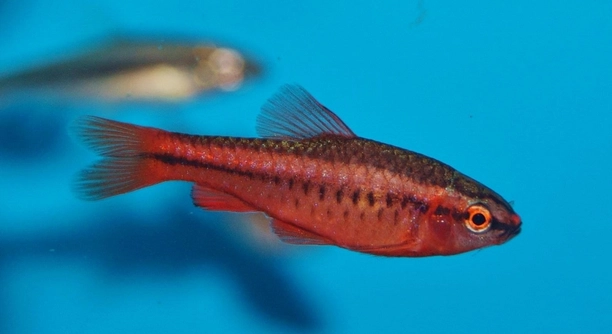
Cherry Barbs are small, vibrant fish that can be a delightful addition to your aquarium. As they grow older, you may notice certain behaviors that signal they are ready to spawn. Understanding these signs can help you create the best environment for their breeding.
The most common signs that your Cherry Barb is in the mood to spawn include increased activity, color intensification, and changes in their swimming patterns. Males often become more territorial, while females may appear fuller and rounder as they prepare for egg-laying.
Learning to recognize these behaviors can ensure you’re ready for when the time comes. It’s important to provide the right water conditions and environment to encourage successful spawning.
1. Increased Activity and Playful Behavior
When Cherry Barbs are ready to spawn, you’ll notice an increase in their activity levels. Males often become more energetic, swimming around the tank with a lot of movement. This is their way of courting the females. They will chase them, often in a playful and fast-paced manner. Females, on the other hand, may appear more relaxed but still actively swim through the tank. This sudden burst of energy is a clear indicator that they’re getting ready to breed. It’s important to ensure they have enough space to move freely, as cramped conditions can lead to stress.
The increased swimming often involves short bursts of rapid movement and circling. If you observe this, it’s a good sign that the fish are preparing for spawning.
It’s essential to have plenty of plants or hiding spots for the female Cherry Barbs. These areas allow the females to feel safe and comfortable while being courted by the males. Creating a stress-free environment will help increase the likelihood of successful spawning.
2. Color Change and Brightness
Male Cherry Barbs display a significant color change when they’re in breeding condition. Their colors become much more vibrant, often turning a deeper red or orange. This bright color is a signal to females that they are healthy and ready to mate. It also helps males stand out as they compete for the attention of a female. Females, while not as colorful as males, may appear fuller with a slightly rounder belly when they are ready to lay eggs.
As the breeding season approaches, the male’s colors will intensify. This is a natural response to increased hormonal activity, aimed at attracting potential mates. The more vibrant the color, the higher the chance the males have at winning over a female.
The male’s bright coloring is also a sign of his physical fitness, which makes him more attractive to females. A healthy male with intense coloration is more likely to successfully pass on his genes. Therefore, these color changes aren’t just aesthetic; they play an important role in the mating process.
3. Increased Aggression Among Males
When Cherry Barbs are preparing to spawn, males can become more territorial. They may display aggression towards each other as they compete for the attention of females. This can include chasing or nipping at one another. You might observe males engaging in brief but intense battles. These displays help establish dominance, with the strongest male typically winning the right to court the female.
This increase in aggression is normal and part of the breeding process. The males are fighting for the opportunity to pass on their genes, making it a natural part of their behavior during spawning. The competition between them ensures only the most fit male gets to mate.
It’s important to keep an eye on this aggression. While some chasing and nipping is normal, it shouldn’t escalate into serious injury. If you notice any signs of excessive aggression, such as torn fins or constant chasing, consider adding more hiding spots or increasing tank size to reduce stress.
4. Rounder Females
When female Cherry Barbs are preparing to spawn, their bodies often become noticeably rounder. This is due to the development of eggs inside their bodies. The fuller appearance is a clear sign that a female is in prime condition for breeding. You can expect to see this physical change as spawning time nears.
The roundness of the female is one of the most obvious signs of readiness to spawn. Her body shape will shift, and she’ll appear more plump, especially around the belly. This change is usually gradual but becomes very noticeable when she is almost ready to release her eggs.
It’s important to ensure the female feels comfortable during this time. Providing plants or hiding spots where she can retreat from the male’s advances will help her feel secure. A well-maintained tank with clean water is crucial to keep the female healthy and comfortable as she gets closer to laying eggs.
5. Male Displaying “Flashing” Behavior
Male Cherry Barbs sometimes display a behavior known as “flashing.” This occurs when they rapidly swim back and forth in front of females, trying to catch their attention. Flashing is part of their courtship routine and can be an indicator that they are ready to mate.
The males use this flashing motion to show off their vibrant colors. This act is meant to attract the female and display their physical fitness. The more intense and frequent the flashing, the more eager the male is to breed. It’s an effective way for him to signal his readiness.
If you observe this behavior in your tank, it’s a sign that spawning is imminent. The flashing is usually accompanied by a lot of chasing and quick movements. As long as the fish aren’t harming each other, this is a normal part of their mating process.
6. Changes in Swimming Patterns
As Cherry Barbs near spawning time, their swimming patterns will change. They become less random and more purposeful. You may notice that they swim together in small groups or pairs. This is a sign that the fish are preparing for a more structured, mating-focused routine.
The males might become more active, swimming near females and showing off their colors, while the females often remain closer to plants and hiding spots. These behaviors help set the stage for the actual spawning process. In some cases, the females will retreat to quieter areas if the males are too persistent.
Ensure the tank has enough space for all the fish to move around freely. Avoid overcrowding, as this can lead to stress and hinder the spawning process. Providing a calm environment with hiding spots can help make the process smoother.
7. Increased Interest in Plants
During spawning, both male and female Cherry Barbs show more interest in plants. The males will swim near plants or rocks, where they hope to catch the attention of the females. These plants provide a safe area where the females can lay their eggs.
The females may swim through the plants, nudging them with their bodies as they search for a suitable location to deposit their eggs. This behavior is often paired with the flashing or chasing of the male. The presence of plants encourages a natural spawning environment for your Cherry Barbs.
Having a well-planted tank will make your fish feel more at home and encourage spawning. They will need plants that offer shelter for the eggs after they are laid. Make sure the plants are soft enough for the eggs to stick but not too dense that the male can’t access the female.
FAQ
What is the best water temperature for Cherry Barbs to spawn?
Cherry Barbs typically spawn in water temperatures ranging from 76°F to 80°F (24°C to 27°C). This temperature range mimics their natural habitat, encouraging them to breed. Keeping the water at a stable temperature helps to avoid stress and promotes healthy spawning behavior. If the temperature drops or fluctuates too much, it can disrupt the breeding cycle. Be sure to monitor the water with a reliable thermometer, as sudden changes can cause problems with their health and behavior.
How can I tell if my Cherry Barbs are ready to spawn?
You’ll notice a few key signs when your Cherry Barbs are ready to spawn. Males become more active and display brighter colors, while females often appear rounder due to developing eggs. You may also observe increased aggression from the males, as they compete for the female’s attention. Flashing and rapid swimming behavior are common among males as they attempt to attract females. If you see these behaviors, it’s a good sign that spawning is near.
Should I separate male and female Cherry Barbs before spawning?
It’s not necessary to separate the males and females before spawning, but providing enough space for them to interact freely is important. If the tank is too small, the males may become overly aggressive, causing stress. Consider setting up a breeding tank with a few plants or decorations to give the females some space to retreat if needed. In a larger tank with plenty of hiding spots, the fish can naturally interact without overwhelming one another.
Do Cherry Barbs require special food to breed?
Cherry Barbs do not require special food to breed, but feeding them a high-quality diet will help prepare them for spawning. Offering a variety of foods, such as live or frozen foods like brine shrimp, will encourage breeding activity. This will help ensure they are healthy and ready to produce eggs. Avoid overfeeding, as this can lead to water quality issues, which could negatively affect the spawning process.
How long does it take for Cherry Barbs to spawn?
The spawning process typically takes place over several days, with the female releasing eggs in stages. The male will fertilize the eggs as they are released. After spawning, the female will hide in the plants or decorations to rest. Once the eggs are laid, they will hatch in about 24 to 48 hours, depending on the water temperature and conditions. It’s important to remove any adult fish from the tank once spawning is complete, as they may eat the eggs or fry.
How can I care for the eggs and fry after spawning?
Once the eggs are laid, the best thing you can do is leave them undisturbed. Ensure the tank is free from disturbances, and maintain optimal water conditions to encourage the eggs to hatch. You may want to remove the adult fish to prevent them from eating the eggs. The eggs will hatch into fry within 24-48 hours. After hatching, the fry will feed on their yolk sacs for the first few days. Once they are free-swimming, you can begin feeding them small, live foods like infusoria or liquid fry food.
Do Cherry Barbs eat their eggs?
Yes, it’s common for Cherry Barbs to eat their eggs if given the chance. This is why many aquarium keepers choose to remove the adult fish from the tank once spawning is complete. In a well-planted tank, some eggs may survive and hatch on their own, but removing the adults increases the chances of the fry surviving. If you don’t want to set up a separate breeding tank, you can also use a breeding box to separate the eggs from the adult fish while still keeping them in the same tank.
Can I breed Cherry Barbs in a community tank?
Breeding Cherry Barbs in a community tank is possible, but it’s more challenging. In a community tank, other fish might disturb the breeding process or eat the eggs and fry. To successfully breed Cherry Barbs in a community tank, you need to make sure there are plenty of hiding spots, such as plants and decorations, for the female to feel safe. You also may want to separate the fish during the spawning period to protect the eggs and fry from being eaten.
What should I do if my Cherry Barbs are not spawning?
If your Cherry Barbs are not spawning, consider checking the water temperature, pH, and overall tank conditions. A stable, warm environment is crucial for breeding. Ensure that the fish are healthy, well-fed, and not stressed. Providing them with plenty of plants and hiding spots will also help. If necessary, try adjusting the light cycle by reducing the amount of light they receive each day to mimic the natural seasonal changes that trigger spawning.
Are there any diseases to watch out for during spawning?
During spawning, Cherry Barbs are more susceptible to stress, which can lead to various health issues. Watch for signs of fin rot, fungal infections, or other common fish diseases, particularly if the water quality is poor. Make sure to perform regular water changes and maintain a clean environment to reduce the risk of disease. If you notice any abnormalities, such as white spots or unusual behavior, take action quickly to prevent the spread of illness.
Final Thoughts
Breeding Cherry Barbs can be an exciting and rewarding experience for aquarium enthusiasts. Watching them go through their spawning process is fascinating, as their natural behaviors become more visible. By understanding the signs that indicate your Cherry Barbs are ready to spawn, you can create the best environment for them to breed successfully. Ensuring your tank has stable water conditions, enough hiding spots, and the right temperature is key to encouraging healthy spawning.
Although breeding Cherry Barbs isn’t overly complicated, it does require attention to detail. It’s important to keep an eye on the behavior of your fish, especially the males, who tend to display more aggression during mating. By observing these changes, you can anticipate when they are ready to spawn and ensure that both the males and females are in good health. Maintaining water quality is equally important, as poor conditions can lead to stress or illness, which could negatively affect the spawning process.
Overall, while breeding Cherry Barbs takes patience and care, it can be very fulfilling. With the right conditions, your Cherry Barbs can thrive, reproduce, and contribute to a healthy, thriving tank. Keep monitoring their behavior and make sure they have the space and environment they need. By doing so, you can enjoy the entire process of watching these beautiful fish reproduce and grow in your aquarium.

Hello,
If you enjoy the content that we create, please consider saying a "Thank You!" by leaving a tip.
Every little bit helps us continue crafting quality advice that supports the health, happiness, and well-being of pets around the world, for pets of all shapes, sizes, and species.
We really appreciate the kindness and support that you show us!