
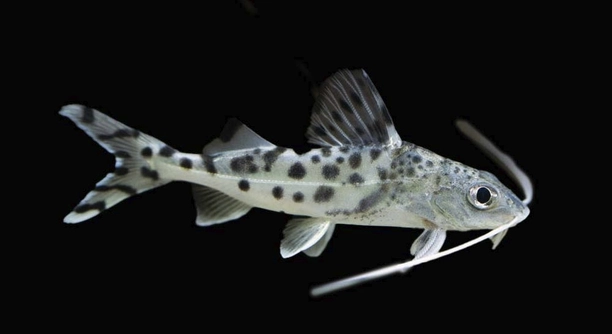
Do you have a Pictus Catfish at home and wonder how it interacts with its environment? These small, active fish are popular in freshwater tanks because of their lively behavior and unique appearance. Understanding their responses can improve your care routine.
Pictus Catfish do react to sounds, including human voices, by showing changes in movement and alertness. They rely on their lateral line system to detect vibrations, which helps them respond to environmental cues and recognize familiar voices or noises over time.
Learning about their response to voices can enhance your connection with your fish. This insight can also help you create a more engaging and comfortable habitat for your aquatic pets.
How Pictus Catfish Detect Sound
Pictus Catfish use their lateral line system to sense vibrations and movements in the water. This sensory organ runs along their sides and allows them to detect changes in their surroundings. While they don’t have ears like mammals, they can pick up on low-frequency sounds and vibrations, including voices spoken near the tank. This sensitivity helps them respond quickly to potential threats or food. Over time, they may even recognize familiar voices, associating them with feeding or interaction. However, their reaction is not based on understanding words but on the vibrations those sounds create. The tank environment, water quality, and noise level all influence how well they detect these sounds. In quieter settings, Pictus Catfish are more likely to respond noticeably to your voice or other noises nearby.
Pictus Catfish do not have perfect hearing but are quite sensitive to water vibrations caused by sound.
Their unique way of sensing vibrations helps them stay alert and aware of their environment, making them interesting pets to observe.
Encouraging Interaction with Your Pictus Catfish
Talking softly near the tank or tapping gently on the glass can help your Pictus Catfish become more comfortable around you. Consistent gentle sounds may encourage them to respond with movement or activity. It’s important to keep sudden loud noises to a minimum, as this can startle or stress the fish. Over time, they may come closer when they hear familiar sounds, linking those noises to feeding or positive experiences. Creating a calm environment with stable water conditions also supports their natural behaviors. If you spend time near the tank speaking quietly or moving slowly, your Pictus Catfish can develop a pattern of recognizing your presence without fear. Observing their reactions allows you to adjust your approach and create a more engaging space for your aquatic companion. Interaction based on sound can enhance your connection with your fish and provide mental stimulation for them.
Sounds That Attract or Alarm Pictus Catfish
Pictus Catfish respond differently depending on the type of sound. Soft, repetitive noises often attract their attention, while sudden loud sounds can cause stress or make them hide. Understanding these reactions helps in managing their environment better.
Gentle sounds, like quiet talking or soft tapping near the tank, tend to intrigue Pictus Catfish. These noises create subtle vibrations that catch their lateral line’s attention without startling them. Over time, they may come closer to investigate or become more active when familiar sounds occur. This behavior shows their ability to associate certain sounds with safety or feeding time. In contrast, sharp or loud noises can trigger a flight response, causing them to swim away or hide in decorations. Maintaining a calm sound environment promotes better well-being for these sensitive fish.
It is helpful to observe how your Pictus Catfish reacts to various sounds. Avoiding loud noises ensures they remain relaxed and comfortable in their habitat. Using soft, consistent sounds encourages positive interaction and keeps stress levels low.
The Role of Tank Environment in Sound Sensitivity
The setup and size of the tank influence how well Pictus Catfish perceive sounds. Larger tanks may disperse vibrations more, making sounds less distinct, while smaller tanks transmit sound more directly. Decorations and water quality also play roles in sound travel and fish comfort.
Tanks with many plants or ornaments can absorb some vibrations, reducing the intensity of sounds the fish detect. Clear, clean water helps sound travel evenly, while dirty or murky water can interfere with vibration transmission. Temperature and water movement also affect how sounds travel. A stable environment with low water turbulence allows Pictus Catfish to better pick up on subtle noises. Keeping these factors in mind can help you optimize their habitat for sound awareness and reduce stress. Adjusting the environment to support their natural sensory abilities enhances your ability to notice their responses and strengthens your connection with them.
Training Your Pictus Catfish to Recognize Your Voice
Consistent, gentle talking near the tank can help your Pictus Catfish become familiar with your voice. Repeating this regularly encourages recognition and reduces their stress when you approach.
Patience is key. Over time, your fish may respond by swimming closer or showing increased activity when they hear you speak. This creates a simple form of interaction.
Avoiding Stressful Sounds
Sudden loud noises, banging, or tapping harshly on the tank cause stress for Pictus Catfish. These fish prefer calm, quiet surroundings to feel safe and comfortable.
Using Sound to Enrich Their Environment
Incorporating soft sounds or gentle music can stimulate your Pictus Catfish. This sensory enrichment helps keep them mentally engaged and reduces boredom in the tank.
Observing Behavior Changes
Watching for changes in movement or hiding patterns can indicate how your fish respond to sounds. This helps adjust the environment for their well-being.
FAQ
Do Pictus Catfish really respond to human voices?
Yes, Pictus Catfish can respond to human voices, but not in the way mammals do. They sense vibrations created by sound waves in the water. When you speak near the tank, these vibrations travel through the water and stimulate their lateral line system. This causes changes in their behavior, such as increased activity or curiosity. However, they do not understand words or tone. Their response is more about the physical impact of the sound than its meaning. Over time, they may associate certain sounds with feeding or interaction, showing recognition through movement.
How can I tell if my Pictus Catfish is stressed by noise?
Stress signs in Pictus Catfish include hiding more than usual, erratic swimming, or staying very still at the tank’s bottom. Loud or sudden noises can cause these behaviors. If your fish jump or dart around when there is a noise, it usually means they are startled. Prolonged exposure to stressful sounds can affect their health and appetite. It’s best to create a quiet environment with minimal sudden disruptions to keep your catfish calm and comfortable.
Can I train my Pictus Catfish to come when I talk?
While Pictus Catfish cannot be trained like dogs or cats, they can learn to associate your voice with feeding or positive experiences. By speaking softly and regularly near the tank at feeding times, your fish may begin to swim closer when they hear your voice. This is a simple form of conditioning based on repetition. Patience and consistency are important since it takes time for them to make these associations.
What types of sounds should I avoid around the tank?
Avoid loud noises such as banging on the glass, shouting, or dropping objects near the tank. High-pitched or sudden sounds can startle Pictus Catfish and cause stress. Also, continuous loud music or household noises may overwhelm their sensitive lateral line system. A peaceful, stable environment is best for their well-being.
Does tank size affect how well my catfish hears me?
Yes, tank size and shape influence how sound travels through the water. Smaller tanks transmit vibrations more directly, so your voice or noises may be easier for the fish to detect. Larger tanks can disperse sound, making it less distinct. Decorations and water movement also impact sound travel. Keeping the tank environment calm and stable helps your Pictus Catfish pick up on sounds better.
Will playing music help my Pictus Catfish?
Soft, gentle music or ambient sounds may provide mild sensory stimulation for your catfish. However, avoid loud or fast-paced music that can cause stress. Music should be played at low volume and for short periods. Observing your fish’s behavior during this time is important to ensure they are not disturbed.
Why does my Pictus Catfish sometimes hide when I talk?
Hiding is a natural response to perceived threats. If your voice is loud or sudden, it may startle your fish and cause them to seek shelter. Additionally, if the tank environment feels unsafe or if the fish is stressed for other reasons, they may hide more frequently. Speaking softly and approaching the tank calmly can reduce this behavior.
How long does it take for Pictus Catfish to recognize voices?
Recognition depends on consistent exposure and positive associations, usually over several weeks. Regular, gentle talking at feeding times helps build this connection. Each fish is different, so some may respond faster than others. Patience and gentle interaction are key to encouraging recognition.
Can other pets affect my Pictus Catfish’s reaction to sounds?
Yes, noises from other pets like dogs or cats can affect your catfish. Sudden barking or movement near the tank may startle them. It’s best to keep the fish tank in a quieter area away from active pets to reduce stress caused by unexpected sounds.
Is it safe to tap on the tank to get their attention?
Gentle tapping can attract your catfish’s attention, but hard or frequent tapping can stress or harm them. Use light taps sparingly and observe their response. If they show signs of stress or swim away quickly, stop tapping to protect their comfort.
Pictus Catfish are sensitive creatures that respond to their environment in subtle ways. Their ability to detect vibrations and sounds through their lateral line system means they can react to voices and noises around their tank. This response is not based on understanding language but on sensing changes in water movement caused by sound waves. Recognizing this can help you create a better habitat for your fish. By speaking gently and maintaining a calm environment, you encourage positive interactions and reduce stress for your catfish. This makes caring for them more rewarding and enjoyable.
Understanding how your Pictus Catfish reacts to sounds also allows you to be more mindful of what goes on near their tank. Sudden or loud noises can cause stress, which may affect their health and behavior. Keeping noise levels low and consistent helps the fish feel safe and comfortable. Additionally, a well-maintained tank with stable water conditions enhances their ability to sense vibrations and respond naturally. Small adjustments in how you interact with your fish can make a significant difference in their overall well-being. Watching their reactions over time can give you clues about what they find comforting or unsettling.
Finally, forming a connection with your Pictus Catfish through sound is possible but requires patience and consistency. They may learn to associate your voice with feeding or other positive experiences, which can make them more active and responsive when you are near. This simple form of interaction adds depth to the fishkeeping experience. It also reminds us that even small, quiet creatures respond to their environment and can become familiar with those who care for them. Paying attention to these details improves not only their quality of life but also your enjoyment as an aquarium owner.

Hello,
If you enjoy the content that we create, please consider saying a "Thank You!" by leaving a tip.
Every little bit helps us continue crafting quality advice that supports the health, happiness, and well-being of pets around the world, for pets of all shapes, sizes, and species.
We really appreciate the kindness and support that you show us!