
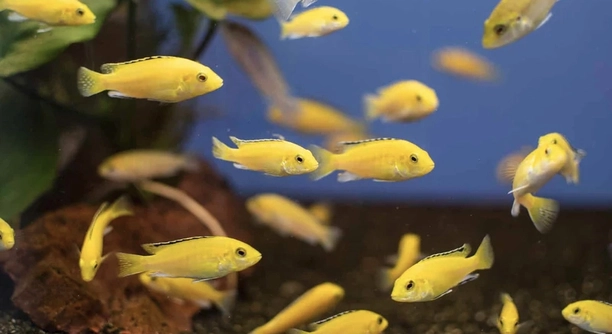
Mixing cichlids from different lakes can be an interesting way to explore fish behavior. Each lake species has its own colors, shapes, and personalities that can make an aquarium lively and unique.
Combining cichlids from different lakes often leads to increased aggression, territorial disputes, and breeding challenges. Species from separate habitats have evolved distinct behaviors and environmental preferences, making coexistence difficult without careful planning and observation.
Learning how these fish interact helps maintain a balanced tank and protects their health while showcasing their natural beauty and fascinating behaviors.
Differences in Temperament
Cichlids from different lakes often have very different temperaments. Some species are highly aggressive, while others are more peaceful. When you put them together, conflicts can arise over territory, hiding spots, and food. Aggressive fish may constantly chase or nip at more timid species, causing stress or injury. Even when fish appear compatible at first, subtle differences in behavior can escalate over time. Stress can weaken their immune systems, making them more susceptible to disease. Observing their interactions daily helps you notice early warning signs, like changes in appetite or hiding behavior. Tank layout and decorations play a role too; providing plenty of hiding spots and separate zones can reduce tension. Lighting, water flow, and feeding routines also impact how well mixed species interact. Even minor differences in diet preferences can lead to disputes at feeding times, creating competition and aggression.
Balancing temperament requires careful observation and adjustments to tank setup, diet, and social groups.
Understanding these behavior patterns allows you to anticipate conflicts and maintain a healthier environment for all the fish in your care.
Environmental Needs
Different lake cichlids thrive under specific water conditions, such as pH, hardness, and temperature.
Water parameters are critical because species from different lakes evolved under unique conditions. For example, African Rift Lake cichlids prefer harder, more alkaline water, while South American cichlids favor softer, slightly acidic water. Mixing them without adjusting the tank can lead to stress or illness. Filtration and regular water changes are essential to maintain stability, but it’s important to ensure that parameters suit all species present. Temperature differences can affect metabolism, behavior, and even breeding success. Substrate choice also matters; some cichlids like rocky environments, while others prefer sandy bottoms. Even slight deviations in water chemistry may disrupt their normal activities or weaken their immune systems. By understanding each species’ requirements, you can make informed decisions about which fish can coexist safely, how to set up the tank, and how to monitor water conditions consistently. Maintaining an environment that meets multiple species’ needs is challenging but achievable with careful planning and observation.
Feeding Conflicts
Different cichlids often have varied diets, which can cause competition during feeding. Some are herbivores, others carnivores, and a few are omnivores. Without careful management, aggressive species may dominate, leaving others underfed and stressed.
Providing separate feeding zones or feeding at different times can reduce tension. High-quality food suited to each species ensures nutritional needs are met. Watching who eats first and who struggles helps identify problem areas. Overfeeding some fish while others are left hungry can lead to health problems and aggression. Adjusting feeding strategies, such as using sinking pellets or target feeding, allows all fish to thrive without constant competition or injury.
Ignoring dietary differences can worsen stress and aggression over time. Thoughtful feeding routines maintain health and prevent conflicts, especially in a mixed-lake tank. Regular monitoring ensures each species receives the proper diet, reducing long-term risks and supporting balanced growth.
Breeding Challenges
Breeding behaviors vary greatly among cichlids. Some species are territorial spawners, others are mouthbrooders, and mixing them can disrupt natural reproduction patterns. Aggressive breeding attempts can stress or injure other tank mates.
Mating pairs may require isolated areas to prevent interference. Different species may display incompatible courtship behaviors, leading to failed breeding attempts. Observing specific pairings and separating them when necessary supports successful reproduction. Water conditions and tank layout affect spawning success. Providing caves, rocks, or flat surfaces can encourage natural behaviors, but overcrowding or mixing incompatible species can prevent eggs from being laid or fry from surviving.
Monitoring breeding carefully helps maintain population balance and reduces stress in the tank. Adjusting tank conditions and separating aggressive breeders ensures healthy fry and protects other fish from harm. Consistent care and observation make breeding in a mixed-lake tank possible but challenging.
Tank Size and Layout
A larger tank with plenty of hiding spots helps reduce aggression when mixing cichlids. Rocks, plants, and caves create territories and safe spaces for timid species to avoid conflict.
Open swimming areas should be balanced with shelters. This setup allows dominant fish to patrol while others retreat, minimizing stress and injury.
Monitoring Health
Mixed-lake cichlids are prone to stress-related illnesses. Watch for changes in color, appetite, or behavior. Early detection prevents outbreaks and ensures timely treatment.
Regular water testing and observation are crucial. Disease can spread quickly in a stressed, overcrowded environment, so maintaining hygiene and quarantine practices is essential.
Compatibility Guidelines
Not all cichlids can live together safely. Species from the same lake often share temperaments and environmental needs, making coexistence easier.
Stress Management
Stress impacts growth, immunity, and overall behavior. Providing stable water conditions, adequate space, and consistent routines helps fish feel secure and reduces aggression.
FAQ
Can cichlids from different lakes live together peacefully?
It depends on the species and tank setup. Cichlids from the same lake often share similar behaviors, water preferences, and temperaments, making coexistence easier. Mixing species from different lakes can work, but aggression, territorial disputes, and stress are common challenges. Tank size, hiding spots, and careful observation play a key role in preventing serious conflicts.
What tank size is best for mixed-lake cichlids?
Larger tanks are better because they provide enough space for territories. A 75-gallon or bigger tank allows dominant fish to patrol while others find refuge. Multiple hiding spots, rocks, caves, and plants help distribute aggression and reduce stress, giving timid fish safe areas to retreat.
How do I manage aggression in a mixed-lake tank?
Aggression can be minimized by creating visual barriers, adding hiding spaces, and ensuring proper feeding routines. Observing interactions helps identify overly aggressive individuals. Sometimes separating aggressive fish temporarily or permanently is necessary to protect weaker species and maintain harmony.
Should I feed all species the same food?
No. Different cichlids have specific diets. Herbivores need plant-based food, carnivores require protein, and omnivores benefit from a mix. Feeding zones or target feeding can ensure all fish get enough nutrition without conflict. Overfeeding some fish while others miss out increases stress and illness risk.
Can mixed-lake cichlids breed successfully?
Breeding is complicated. Territorial and mouthbrooding species have different behaviors, which may interfere with other fish. Successful breeding often requires isolating pairs in separate tanks. Providing proper water conditions, substrate, and hiding spots improves the chances of eggs and fry surviving.
How do I maintain water conditions for multiple species?
Test water frequently for pH, hardness, and temperature. African cichlids prefer harder, more alkaline water, while South American species need softer, slightly acidic water. Finding a middle ground may help, but stress and illness can occur if conditions are unsuitable for any species. Consistent water changes and quality filtration are essential.
What signs show my fish are stressed?
Stress can appear as loss of appetite, hiding excessively, faded colors, or erratic swimming. Prolonged stress weakens the immune system, making fish vulnerable to disease. Adjusting tank layout, monitoring aggression, and providing proper feeding can reduce stress levels.
Is it necessary to quarantine new fish?
Yes. Quarantining new fish prevents the spread of disease to established tank inhabitants. A separate tank for at least two weeks helps identify illness, parasites, or stress before introducing fish to a mixed-lake setup. Quarantine also allows adjustment to new water conditions.
How do I know which species are compatible?
Research each species’ temperament, size, and environmental needs. Species from the same lake are generally more compatible. Avoid mixing highly aggressive species with timid ones, and consider their diet and breeding behaviors to reduce conflict and improve the chance of coexistence.
What equipment helps maintain harmony in a mixed-lake tank?
High-quality filtration, stable heaters, and plenty of decorations are essential. Rocks, caves, and plants create territories, while proper lighting and flow help mimic natural habitats. Regular maintenance and monitoring equipment ensure water remains stable, reducing stress and aggression.
Can mixed-lake tanks work for beginners?
They are challenging for beginners. Understanding species behavior, dietary needs, and environmental requirements is crucial. Beginners should start with fish from the same lake before attempting mixed-lake setups to gain experience managing aggression, water chemistry, and breeding challenges.
How often should I monitor water and fish behavior?
Daily observation of fish behavior and weekly water testing is recommended. Early signs of aggression, illness, or stress allow for quick intervention. Keeping records of water parameters and behavior patterns helps maintain a stable and healthy tank over time.
What is the best way to introduce new cichlids?
Introduce new fish gradually. Float the bag in the tank to acclimate temperature, then slowly mix small amounts of tank water into the bag. Place the new fish in a separate section if possible, allowing them to adjust without immediate confrontation from established fish.
How do I handle fights in the tank?
Minor chasing is normal, but serious fights require intervention. Separate injured or highly aggressive fish, provide additional hiding spots, and rearrange decorations to disrupt established territories. Continuous monitoring helps prevent recurring conflicts and ensures the safety of all species.
Are there long-term risks to mixing cichlids from different lakes?
Yes. Chronic stress, aggression, and incompatible water preferences can reduce lifespan and breeding success. Disease outbreaks are more likely if conditions are not carefully maintained. Regular observation, proper tank setup, and careful species selection minimize risks and support a healthier community.
Can tank decorations really influence behavior?
Absolutely. Rocks, caves, and plants provide shelter and visual barriers, breaking up territories. Rearranging decorations occasionally can reduce aggression by disrupting established dominance hierarchies. The right layout balances open swimming areas with enough hiding spots for timid species.
Is it necessary to separate fry in mixed-lake tanks?
Yes. Fry are often vulnerable to predation from adults, even their own parents. Providing a separate breeding tank or protective areas ensures survival. Careful monitoring of growth and behavior prevents accidental harm to the young and reduces stress for adult fish.
Do water temperature fluctuations affect mixed-lake cichlids?
Yes. Different species have different temperature preferences, and fluctuations can cause stress, reduce immunity, and affect appetite. Maintaining a stable, suitable temperature for all species is critical for health, behavior, and long-term coexistence.
How important is consistency in tank routines?
Very important. Feeding schedules, lighting, and water maintenance should be consistent. Predictable routines reduce stress, support normal behavior, and help establish territories without constant disputes. Inconsistent care can trigger aggression and illness.
What are the signs of successful coexistence?
Peaceful swimming, normal feeding, healthy colors, and balanced growth indicate a well-managed tank. Fish establish territories without excessive fighting, stress levels are low, and all species show regular, natural behaviors. Continuous observation ensures these conditions are maintained over time.
Mixing cichlids from different lakes can be an interesting but challenging experience. Each species comes from its own environment, with unique water preferences, temperaments, and behaviors. When placed together, conflicts can arise, and some fish may become stressed or aggressive. Managing a mixed-lake tank requires careful planning and attention to detail. Tank size, hiding spaces, and water quality all play important roles in reducing stress and promoting harmony among the fish. Understanding each species’ needs is essential to ensure their well-being. While it may take extra effort, the variety of colors, shapes, and behaviors in a mixed-lake tank can make it visually rewarding and personally satisfying.
Observation is key to maintaining a healthy mixed-lake environment. Daily monitoring of fish behavior helps identify early signs of stress, aggression, or illness. Changes in swimming patterns, appetite, or color can indicate problems before they become serious. Adjusting tank layout, providing extra hiding spots, or temporarily separating aggressive fish can help reduce tension. Feeding routines are another important factor, as different species have different diets and feeding behaviors. Providing appropriate food for each species and monitoring feeding interactions can prevent competition and ensure all fish get the nutrition they need. Consistency in water maintenance, lighting, and temperature also supports a stable environment, helping fish adapt to mixed-lake conditions over time.
Although mixed-lake setups are more demanding than single-lake tanks, they can be managed successfully with patience and careful planning. Selecting compatible species, maintaining proper water conditions, and observing fish behavior regularly can reduce conflicts and improve the overall health of the tank. Breeding may require additional consideration, such as isolated areas or separate tanks for fry. By providing a structured environment that meets each species’ needs, stress and aggression can be minimized. Mixed-lake tanks can become vibrant, dynamic ecosystems that offer both visual interest and a deeper understanding of cichlid behavior. With careful management, it is possible to maintain a balanced and thriving community where different species coexist safely.

Hello,
If you enjoy the content that we create, please consider saying a "Thank You!" by leaving a tip.
Every little bit helps us continue crafting quality advice that supports the health, happiness, and well-being of pets around the world, for pets of all shapes, sizes, and species.
We really appreciate the kindness and support that you show us!