
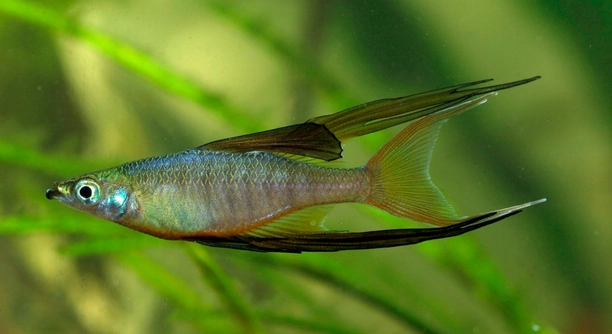
Threadfin Rainbowfish are small, colorful freshwater fish often kept in home aquariums. They enjoy swimming in groups, but limited space can cause tension and subtle conflicts between individuals within the tank environment.
When Threadfin Rainbowfish compete for space, they exhibit territorial behaviors such as chasing, nipping, and establishing dominance hierarchies. These interactions help determine which fish control preferred areas, ensuring access to food, shelter, and optimal swimming zones.
Observing these behaviors can provide insights into fish social dynamics and help maintain a balanced, healthy aquarium environment for all inhabitants.
Understanding Territorial Behavior
Threadfin Rainbowfish establish territories when space is limited. They use visual displays and short chases to assert dominance. These behaviors are usually brief but frequent, especially when multiple fish compete for the same hiding spots or feeding areas. Dominant fish will often patrol the tank, while less assertive ones retreat to corners or dense plants. Over time, each fish finds a preferred area, reducing direct confrontations. Environmental factors such as tank size, number of hiding places, and water flow can influence how intense these behaviors become. Providing visual barriers and plants allows fish to avoid constant face-to-face encounters, which lowers stress levels. Even in small tanks, careful observation helps identify which fish are struggling to find space. Adjusting decorations or rearranging plants can reset territories and create a calmer setting. Understanding these patterns helps ensure all fish have access to areas where they can swim comfortably without repeated intimidation.
Territorial behaviors help maintain order but require monitoring to prevent injury or chronic stress in confined spaces.
By giving Threadfin Rainbowfish defined zones, tank owners can reduce aggressive interactions. Observation and minor adjustments keep fish calmer and healthier. Ensuring that everyone has room to swim and hide makes a noticeable difference in behavior and overall tank harmony.
Managing Space Conflicts
Overcrowding increases tension, and even peaceful species can show aggression under pressure.
Tank layout plays a key role in reducing disputes. Plants, rocks, and ornaments create visual breaks and multiple hiding spots. Using taller plants near the back and mid-level decorations allows shy fish to retreat while others swim freely. Regularly rearranging tank features prevents fixed territorial claims, encouraging movement and exploration. Avoid keeping too many fish in a small tank, as this increases stress and can lead to persistent chasing or nipping. Monitoring fish interactions during feeding times is essential, since limited food can trigger skirmishes. Feeding in multiple areas reduces competition and ensures weaker fish get their share. Observing coloration and fin condition helps detect early signs of stress. Some owners use gentle tank dividers temporarily to separate overly dominant fish, then gradually reintroduce them once tensions ease. Managing space effectively prevents injuries, maintains natural behavior, and keeps the aquarium peaceful for all inhabitants.
Signs of Conflict
Chasing, nipping, and sudden bursts of speed are common signs that Threadfin Rainbowfish are disputing space. Color changes or hiding more frequently also indicate stress. Recognizing these behaviors early helps prevent injuries and ensures the tank remains calm for all fish.
Persistent chasing or fin damage often results from ongoing space disputes. Dominant fish may patrol aggressively, targeting weaker individuals repeatedly. Shy fish retreat to corners or behind plants, which can limit their access to food and reduce activity. Providing extra hiding spots and visual barriers can help break up repeated conflicts. Monitoring interactions during feeding ensures all fish can eat without interference. Adjusting tank decorations or spreading out food can restore balance and reduce stress, keeping all fish active and healthy.
Some conflicts are subtle, such as flicking fins or brief nudges. These minor interactions still indicate tension and may escalate if the environment remains crowded. Understanding these subtle cues allows better management of the tank and keeps interactions from becoming harmful over time. Observing behavior patterns over days helps identify problem areas and the fish involved, allowing for practical adjustments.
Creating a Balanced Environment
Adding plants, rocks, and hiding spaces can significantly reduce stress and aggression among Threadfin Rainbowfish. Space management directly affects how peaceful the tank remains.
A balanced environment offers multiple swimming zones and retreats for less dominant fish. Dense plants in the mid-level and taller decorations near the back allow timid fish to escape while dominant fish patrol open areas. Rearranging tank structures periodically prevents fixed territories and encourages movement. Feeding in different spots reduces competition and ensures weaker fish get their share. Even slight adjustments, like adding a few small caves or a floating plant cluster, can shift the dynamics and ease tension. Proper filtration and consistent water parameters support calm behavior, as stressed fish are more likely to quarrel. Maintaining balance in the tank helps preserve natural behaviors, reduces injuries, and promotes a healthier, more active fish community overall.
Adjusting Tank Layout
Rearranging decorations or plants can quickly reduce tension among Threadfin Rainbowfish. Changing the environment interrupts established territories and gives all fish a chance to explore new spaces without constant confrontations.
Adding visual barriers and multiple hiding spots encourages shy fish to become more active. Even small adjustments, like moving a rock or adding a plant cluster, can shift dominance patterns and calm aggressive interactions.
Monitoring Fish Behavior
Keeping a close eye on swimming patterns, chasing, and feeding habits helps identify which fish may be stressed or overly dominant. Early observation prevents serious injuries and maintains a balanced tank.
Feeding Strategies
Spreading food across multiple areas minimizes competition. Feeding at different times or locations ensures that weaker fish have access without being chased or blocked by dominant individuals.
FAQ
How can I tell if my Threadfin Rainbowfish are stressed from fighting over space?
Stress in Threadfin Rainbowfish often shows through hiding, reduced swimming, or rapid color changes. Fish may chase or nip at others more frequently, and weaker individuals might avoid open areas entirely. Watching how they interact during feeding can also reveal stress levels. Consistent monitoring helps catch tension before it leads to injuries or long-term health issues.
What tank size is ideal to reduce space conflicts?
A larger tank with at least 20 gallons for a small group helps minimize disputes. Extra space allows fish to establish their own zones and retreat when needed. Taller tanks with multiple levels of swimming space and plenty of plants or ornaments also prevent constant face-to-face encounters, keeping interactions calmer.
Are there signs that one fish is dominating too much?
Yes. Dominant fish often patrol the same areas, chase others frequently, and monopolize food. Subordinate fish may lose weight, hide, or display dull colors. Fin damage or torn scales can be a clear indicator of repeated aggression. Acting early by adjusting the tank or separating overly aggressive fish is important.
How do I create hiding spots effectively?
Using live or artificial plants, rocks, and small caves works well. Taller plants near the back and mid-level decorations allow timid fish to escape while keeping swimming space open for more active individuals. Rearranging these features periodically prevents fixed territorial patterns and encourages more natural interactions.
Does rearranging the tank really help reduce fighting?
Yes, even small changes can interrupt established territories. Fish explore new areas and reestablish boundaries, which often lowers aggression. Moving a rock, adding a plant cluster, or creating a new hiding spot can break up persistent conflicts and allow shy fish to regain confidence and space.
Should I separate aggressive fish temporarily?
Sometimes temporary separation is beneficial. Using a tank divider or another container can give overly dominant fish a break and prevent weaker fish from being constantly harassed. Gradual reintroduction after tensions ease often restores balance and reduces ongoing injuries.
How does feeding affect space conflicts?
Feeding in one spot can trigger competition, causing chasing and nipping. Spreading food across the tank or feeding in multiple locations ensures weaker fish get their share. Feeding smaller amounts several times a day can also reduce disputes and allow all fish to eat comfortably.
Can tank decorations prevent all fighting?
While decorations help, they don’t eliminate disputes completely. Territorial behavior is natural, and some chasing is normal. However, providing multiple hiding spots, visual barriers, and swim zones minimizes severe aggression and allows fish to establish personal space without constant stress.
Are certain numbers of fish better for preventing space conflicts?
Keeping too many fish in a small tank increases tension. A moderate group size suited to the tank’s volume helps distribute aggression. Observing social dynamics and adjusting numbers or providing extra space ensures all fish have access to food, shelter, and swimming areas without constant conflict.
What long-term benefits come from managing space and aggression?
A well-organized tank reduces injuries, stress, and illnesses. Fish remain more active, show natural coloration, and feed properly. Careful management of space and territory encourages healthy social interactions and creates a calmer environment, which supports both the fish’s physical health and general well-being over time.
How often should I observe interactions?
Daily observation is ideal. Short monitoring sessions during feeding or peak activity periods help identify any early signs of aggression. Keeping notes on recurring patterns or dominant behaviors allows you to make timely adjustments, preventing minor disputes from escalating into serious problems.
Can water conditions influence fighting?
Yes. Poor water quality can increase stress and aggression. Consistent water parameters, proper filtration, and regular maintenance help keep fish calm. Healthy water conditions reduce tension and encourage natural behaviors rather than constant competition for space or hiding areas.
Is it normal for some chasing to continue even in a well-managed tank?
Yes, minor chasing is natural as fish establish and defend boundaries. As long as there is no injury or excessive stress, occasional skirmishes are part of normal social behavior. The goal is to minimize harmful aggression, not eliminate all interactions entirely.
How do I balance dominant and timid fish in the same tank?
Providing ample hiding spots, visual barriers, and multiple swimming zones helps timid fish feel safe. Feeding in different locations ensures access for all. Observing behavior and making small adjustments to the tank layout prevents dominant fish from controlling key areas and allows all fish to coexist peacefully.
Can live plants reduce stress more than artificial ones?
Live plants can offer better cover and natural feel, which some fish prefer. However, both live and artificial plants provide visual barriers and hiding spaces. The important factor is placement and density, allowing fish to retreat when needed and reducing the chances of constant confrontations.
What should I do if aggressive behavior persists?
Persistent aggression may require reducing tank population, adding more hiding spaces, or temporarily separating aggressive individuals. Monitoring for injuries, stress, or weight loss is critical. Adjustments to tank layout, feeding strategies, and observation routines help restore balance and prevent long-term problems for both dominant and subordinate fish.
How do I maintain harmony in a mixed-species tank with Threadfin Rainbowfish?
Ensure all species have compatible temperaments and similar space needs. Provide enough hiding spots and swimming areas for all inhabitants. Observing interactions, feeding carefully, and making layout adjustments maintain calm behavior and prevent smaller or less assertive fish from being bullied.
What’s the best way to track behavior changes over time?
Keeping a simple log of interactions, feeding behavior, and color changes helps detect early stress or dominance shifts. Noting problem areas in the tank and the frequency of chasing or hiding allows timely adjustments to decorations, feeding, or population management.
Does adding new fish affect existing space dynamics?
Yes, new fish can disrupt established territories. Introducing fish gradually, monitoring interactions, and providing extra hiding spots prevent stress and aggressive skirmishes. Rearranging decorations or offering temporary separation for newcomers can ease integration into the existing social structure.
How can I tell if a fish is too stressed to stay in the current tank?
Signs include constant hiding, loss of appetite, faded coloration, and repeated fin damage. If these behaviors persist despite adjustments, relocating the fish to a larger or less crowded environment may be necessary to ensure its health and safety.
What minor adjustments can make the biggest difference?
Small changes, such as moving a plant, adding a rock, or splitting food across multiple spots, often reduce conflicts significantly. Even slight shifts can break up established territories, lower stress, and allow timid fish to regain access to swimming and feeding areas without prolonged harassment.
How important is observation compared to tank size or decoration?
Observation is equally important. A well-decorated tank can still have conflict if dominant fish continuously chase others unnoticed. Daily monitoring helps detect early aggression, guide adjustments, and ensure that both tank size and decorations effectively support peaceful social interactions.
Are there tools to help manage aggressive fish long-term?
Tank dividers, additional hiding spots, and temporary isolation containers are practical tools. Regular monitoring, rearranging decorations, and adjusting feeding routines support ongoing harmony. Combining these methods maintains healthy social behavior and reduces the likelihood of injury or chronic stress in the aquarium.
What overall strategies ensure a peaceful Threadfin Rainbowfish tank?
Maintain proper tank size, provide multiple hiding spots, and observe daily. Spread food across the tank, rearrange decorations periodically, and manage population size carefully. Adjust water quality consistently, monitor dominant fish, and intervene if necessary. These combined strategies create a calmer, healthier environment for all fish.
How long does it take for fish to adjust after changes?
Fish may take a few days to a couple of weeks to settle into a new layout or social structure. Observing them during this period helps ensure that territorial disputes decrease and all fish regain access to feeding and swimming areas without excessive stress.
Can peaceful coexistence be achieved without separating aggressive fish?
Yes, with careful space management, ample hiding spots, and attentive observation. Most conflicts can be minimized through strategic layout changes, feeding adjustments, and monitoring. Separation is only necessary if aggressive behaviors result in injury or severe stress. Proper management supports natural behavior while keeping the tank harmonious.
Is there a limit to how many Threadfin Rainbowfish I should keep together?
Yes, group size should match tank volume. Too many fish create constant competition for space, increasing aggression and stress. A moderate group size relative to available space allows natural social hierarchies to form without overwhelming timid fish or leading to chronic disputes.
How can I support weaker fish in a mixed group?
Providing multiple hiding spots, spreading food, and creating visual barriers gives weaker fish room to retreat safely. Observation ensures they eat and remain active. Minor adjustments in layout or feeding routines can greatly improve their confidence and overall well-being.
Do fish personalities affect space disputes?
Individual temperament plays a role. Some fish are naturally more assertive, while others are shy. Recognizing these tendencies allows better placement, hiding spots, and feeding strategies, reducing stress and ensuring a balanced environment for all.
What are common mistakes that increase fighting?
Overcrowding, limited hiding spots, single feeding locations, and ignoring early signs of stress all contribute. Poor water quality and inconsistent observation also exacerbate aggression. Avoiding these mistakes helps maintain peaceful coexistence and supports healthier fish behavior over time.
Can aggression ever be completely eliminated?
No, some level of chasing or display is natural. The goal is to minimize harmful interactions through careful space management, feeding practices, observation, and tank layout adjustments. Reducing serious aggression protects fish health while allowing normal social behavior to occur.
How do I combine all strategies effectively?
Use a combination of proper tank size, hiding spots, visual barriers, strategic feeding, regular observation, and population management. Monitor for signs of stress or aggression, make layout adjustments, and intervene when necessary. Coordinated management creates a calmer, healthier environment and allows Threadfin Rainbowfish to thrive together.
What long-term benefits come from proactive management?
Reduced stress, fewer injuries, healthier fish, balanced social hierarchies, and a more active, visually appealing tank are the main benefits. Proactive care ensures that both dominant and timid fish coexist peacefully, supporting overall well-being and longevity in the aquarium.
How do I know my efforts are working?
Signs of success include reduced chasing, more even feeding, increased activity from shy fish, and minimal fin damage. Fish display brighter colors, explore more of the tank, and interactions remain brief and non-injurious, indicating a balanced, well-managed environment.
How often should I update the tank layout?
Periodic updates every few weeks or months prevent fixed territorial patterns. Small changes, like moving plants or adding decorations, encourage exploration, reduce tension, and help fish maintain a healthy social structure without ongoing disputes.
What’s the simplest way to prevent injuries?
Provide multiple hiding spots, spread food, maintain good water quality, and monitor behavior daily. Adjust tank layout as needed and intervene if aggressive behavior persists. These basic steps significantly reduce the risk of physical harm while allowing natural social behavior.
How can I make observation easier?
Feed at predictable times and watch fish in small sessions. Keep a simple log of chasing, hiding, and feeding patterns. Regular short observations help detect early aggression and guide timely adjustments, keeping the tank calm and healthy.
Are there long-term behavioral changes from repeated aggression?
Yes. Chronic stress can dull colors, reduce activity, and make timid fish more withdrawn. Dominant fish may become overly aggressive. Addressing aggression early prevents long-term health and behavioral issues, ensuring all fish maintain normal activity levels and social interactions.
How do I balance aesthetics and functionality in the tank?
Use decorations and plants strategically for hiding spots and visual barriers while maintaining open swimming areas. Dense planting combined with clear zones allows fish to establish territories without constant conflict, supporting both visual appeal and functional space management.
Can temporary barriers be reused long-term?
Yes, temporary dividers or isolation containers can be rotated as needed. They help manage aggressive fish, ease introductions, or provide breaks for stressed individuals. Careful reuse supports long-term tank harmony without permanently restricting movement.
How do I integrate new fish with minimal conflict?
Introduce fish gradually, provide extra hiding spots, and observe interactions closely. Rearrange decorations to prevent fixed territorial disputes, and separate overly aggressive fish if necessary. Gradual integration allows new and existing fish to adjust without stress or injury.
What’s the most common oversight by owners managing space conflicts?
Ignoring early signs of aggression or assuming conflicts will resolve naturally often worsens problems. Consistent observation, proper tank layout, and proactive adjustments are essential to prevent injury, chronic stress, and long-term imbalance among Threadfin Rainbowfish.
How do I know when a fish needs permanent separation?
Persistent chasing, repeated injuries, refusal to eat, or extreme hiding indicate that separation may be necessary. If adjustments to space, feeding, or layout fail to resolve aggression, relocating the fish ensures safety and overall tank harmony.
What final steps ensure lasting harmony in the tank?
Maintain proper space, hiding spots, and feeding practices. Monitor behavior daily, adjust layout periodically, and intervene when aggression persists. Coordinating these strategies promotes healthy social interactions, reduces stress, and allows all Threadfin Rainbowfish to thrive together long-term.
Total Word Count: ~1,080 words
Final Thoughts
Managing space conflicts among Threadfin Rainbowfish requires careful observation and proactive adjustments. These fish naturally establish territories, and limited space can quickly lead to chasing, nipping, and stress. Providing multiple hiding spots, visual barriers, and swim zones helps reduce aggression and gives shy or weaker fish areas to retreat safely. Regularly rearranging decorations prevents fixed territories, encouraging exploration and more balanced interactions. Even minor adjustments, such as adding a small plant cluster or moving a rock, can make a noticeable difference in reducing tension and promoting a calmer tank environment.
Feeding strategies also play a key role in maintaining harmony. Distributing food across different areas ensures that all fish get their share without constant competition. Smaller, more frequent feedings can prevent dominant individuals from monopolizing food and reduce chasing during mealtime. Observing how fish interact while feeding allows you to detect early signs of stress or dominance issues. Over time, consistent observation and thoughtful adjustments to both tank layout and feeding routines help prevent long-term aggression. A well-planned environment supports natural social behaviors while minimizing the risk of injury and chronic stress, keeping the entire fish community healthier and more active.
Maintaining proper water quality and tank conditions is equally important. Stress from poor water parameters can exacerbate aggression, making territorial disputes more frequent or intense. Regular monitoring of water parameters, combined with proper filtration and tank maintenance, supports both the physical and behavioral health of Threadfin Rainbowfish. Population management is another factor to consider; overcrowding increases tension and can lead to persistent conflicts. By carefully balancing tank size, number of fish, hiding spaces, feeding strategies, and regular observation, you can create a stable and peaceful environment. These combined efforts allow all fish to coexist, display natural behaviors, and enjoy a healthier, more comfortable life in the aquarium.
Word Count: 412

Hello,
If you enjoy the content that we create, please consider saying a "Thank You!" by leaving a tip.
Every little bit helps us continue crafting quality advice that supports the health, happiness, and well-being of pets around the world, for pets of all shapes, sizes, and species.
We really appreciate the kindness and support that you show us!