
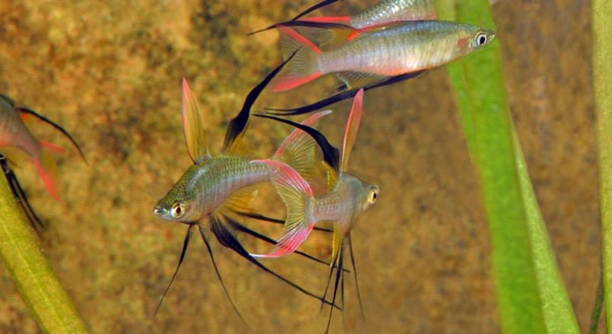
Keeping a threadfin tank healthy requires more than just clean water and proper feeding. Many aquarists overlook the impact of nearby objects that can disturb water quality or stress the fish. Proper placement matters.
Certain items, such as sharp decorations, electronics, strong-smelling substances, unstable furniture, chemical containers, high-traffic objects, and direct sunlight sources, should not be placed near a threadfin tank, as they can compromise water conditions, stress the fish, and interfere with their natural behaviors.
Being mindful of the tank’s surroundings can make a significant difference in your fish’s overall well-being and ensure a stable, safe aquatic environment.
Sharp Decorations
Sharp decorations may look interesting in a threadfin tank, but they pose a real risk to the fish. Threadfins are delicate, with soft fins that can easily tear if they brush against jagged edges. Even small cracks or points can lead to injuries, infections, or long-term fin damage. Decorations made of rough stone, broken shells, or sharp artificial pieces can also scratch the tank glass during cleaning, causing additional hazards. It’s better to choose smooth rocks, polished wood, or soft resin ornaments designed specifically for aquariums. These alternatives maintain aesthetic appeal without putting your fish at risk. Ensuring the tank has open swimming areas is important, as it reduces the chance of accidental contact with sharp objects. Regularly checking decorations for chips or wear is a simple but effective precaution. Keeping the environment safe helps threadfins feel secure, reducing stress and promoting healthy behavior.
Avoid placing jagged or rough ornaments in your tank to protect delicate threadfin fins and prevent injuries.
Selecting smooth, fish-safe decorations not only protects the fish but also keeps the tank visually appealing. Over time, even small scratches on fins can become infected. A safe environment encourages normal swimming patterns and reduces aggressive or stressed behavior. Choosing the right materials supports long-term tank health while maintaining beauty.
Electronics and Heat Sources
Electronics near the tank can be risky for threadfins. Water and electrical devices should always remain separate.
Placing devices like heaters, lamps, or speakers close to the tank can create temperature fluctuations, electrical hazards, or vibrations. Threadfins are sensitive to sudden heat changes, which can impact feeding habits and immunity. Even minor fluctuations can stress the fish over time, making them more susceptible to disease. Electrical appliances may also release small amounts of fumes or heat, subtly altering the water chemistry. Keeping a safe distance ensures the tank environment remains stable and fish remain calm. Monitoring the tank temperature regularly with a reliable thermometer is essential, especially in rooms with variable heat. Secure cords and devices to avoid accidental spills, which could harm both the fish and your equipment. Opting for aquarium-specific heaters or lighting systems with built-in safety features provides consistency and peace of mind. Maintaining a stable, predictable environment encourages natural behaviors, healthy growth, and overall wellbeing for your threadfins. Proper placement of electronics reduces stress, prevents accidents, and preserves water quality.
Strong-Smelling Substances
Strong odors from cleaners, perfumes, or cooking fumes can stress threadfins. Their sensitive gills pick up chemicals in the air, which can enter the water and affect health.
Even small amounts of chemicals can alter water quality, irritate gills, or change behavior. Substances like bleach, air fresheners, or scented candles nearby can slowly seep into the tank through evaporation. Threadfins exposed to these odors may become less active, eat less, or show signs of stress. Ventilation helps, but keeping strong-smelling items away entirely is the safest approach. Consistently maintaining a clean, odor-free environment supports their immune system and promotes normal swimming and feeding behavior.
In addition, perfumes, sprays, or aerosol products applied near the tank can leave residue on surfaces, eventually reaching the water. Cooking oils or cleaning agents can release fumes that dissolve slightly in water, affecting pH and oxygen levels. Even if effects seem minor, prolonged exposure can weaken immunity, making fish more vulnerable to disease. Avoid placing any household chemicals close to the tank and monitor air quality. Using separate spaces for cleaning or cooking prevents accidental contamination. A consistent, neutral environment ensures threadfins stay healthy, calm, and active over time.
Unstable Furniture
Furniture that wobbles or is uneven under a tank creates risks. Threadfins are sensitive to vibrations and sudden movements.
Placing a tank on unstable furniture increases the likelihood of accidents or tipping. Threadfins may become stressed by minor shifts in water, which can affect feeding, swimming, and social behavior. Even a small tremor from a table or shelf can create ripples, startling the fish repeatedly. Solid, level surfaces reduce stress and provide safety. Using a stand designed for aquariums is ideal. Furniture that supports the tank evenly prevents cracks, leaks, and potential disasters. Ensuring stability also makes maintenance easier, avoiding accidental spills.
Unstable setups can lead to structural damage over time. Threadfins rely on calm, predictable water movement, so vibrations from uneven furniture disturb their natural patterns. Regularly check furniture legs, balance weight distribution, and avoid placing tanks near doors or high-traffic areas. Using anti-slip mats or custom aquarium stands increases safety. Proper placement protects both the fish and your investment, providing a stable, secure environment. Reducing external stress allows threadfins to swim naturally, feed consistently, and develop healthy routines. Stability is key to long-term tank success and fish welfare.
Chemical Containers
Storing cleaning supplies or chemicals near a threadfin tank is risky. Fumes or accidental spills can enter the water, altering pH and harming fish.
Even sealed containers may leak small amounts of harmful substances. Keep all chemicals in a separate area to ensure the tank remains safe and stable.
High-Traffic Objects
Frequent movement near the tank can disturb threadfins. Sudden bumps or vibrations stress the fish and may affect feeding patterns. Threadfins thrive in calm surroundings where they can swim without interruption. Limiting traffic around the tank ensures a more stable and secure environment.
Direct Sunlight
Exposing a threadfin tank to direct sunlight can cause temperature swings and algae growth. Consistent lighting and shading help maintain a balanced aquatic environment.
FAQ
What is the main reason to avoid placing sharp decorations in a threadfin tank?
Sharp decorations can injure threadfins because their fins and bodies are delicate. Even minor scratches can lead to infections or fin rot. Smooth, fish-safe ornaments reduce this risk while allowing the tank to remain visually appealing. Regularly checking decorations for wear is also important.
Can electronics near the tank affect threadfin behavior?
Yes, electronics like heaters, lamps, or speakers can create temperature fluctuations or vibrations. Threadfins are sensitive to these changes, which may reduce feeding, disrupt swimming, and increase stress. Using aquarium-specific devices placed at a safe distance ensures consistent conditions and protects both the fish and equipment.
How do strong-smelling substances impact a threadfin tank?
Strong odors from cleaners, perfumes, or cooking fumes can seep into the water, irritating gills and stressing fish. Threadfins exposed to these chemicals may become less active or eat less. Keeping the area around the tank odor-free helps maintain stable water conditions and promotes healthy behavior.
Why is unstable furniture a problem for threadfins?
Unstable or uneven furniture can shift under the tank, causing vibrations or minor accidents. Threadfins are easily stressed by these movements, which may disrupt feeding and natural swimming patterns. Solid, level surfaces or aquarium-specific stands provide stability and reduce the risk of spills or cracks.
Are chemical containers dangerous near a tank?
Yes, storing cleaning products, fertilizers, or other chemicals nearby can be hazardous. Fumes or accidental spills may enter the tank, affecting pH, oxygen levels, and overall water quality. Keeping chemicals in a separate area protects the fish and maintains a stable, healthy environment.
How does high traffic around the tank affect threadfins?
Frequent movement or vibrations near the tank can startle fish and increase stress. This may result in irregular feeding, erratic swimming, or aggression. Limiting activity around the tank and providing calm surroundings encourages normal behavior and reduces long-term stress.
Why should a threadfin tank avoid direct sunlight?
Direct sunlight can cause water temperature fluctuations and promote algae growth. Both conditions can stress threadfins and make tank maintenance more difficult. Consistent, controlled lighting helps maintain stable water parameters, keeping the fish healthy and reducing potential problems with water quality or unwanted plant growth.
What are some simple steps to keep the tank environment safe?
Ensure decorations are smooth and safe, electronics are properly placed, and chemicals are stored separately. Limit traffic near the tank and avoid exposing it to direct sunlight. Monitoring temperature and water quality consistently ensures a secure, stress-free environment for threadfins.
How can I tell if my threadfins are stressed by nearby items?
Signs of stress include hiding, reduced activity, erratic swimming, or decreased appetite. Changes in fin condition or color can also indicate problems. Identifying and removing sources of stress, like sharp objects, chemicals, or vibrations, helps restore a calm environment and supports long-term health.
Is it necessary to adjust lighting or room setup for threadfin tanks?
Yes, maintaining consistent lighting and avoiding direct sunlight is essential. Room setup should minimize sudden movements, vibrations, and strong odors. Thoughtful placement of furniture, electronics, and everyday objects contributes to a stable environment, helping threadfins thrive naturally.
Can small changes in the surroundings really make a difference?
Absolutely. Even minor stressors like small vibrations, chemical fumes, or nearby strong odors can impact threadfin behavior and health. Keeping the area controlled, calm, and free of hazards ensures better growth, reduces disease risk, and promotes natural swimming and feeding routines.
What is the best approach to long-term tank safety?
A combination of stable furniture, safe decorations, minimal exposure to chemicals, and controlled lighting creates an ideal environment. Regular observation of fish behavior and water quality, along with preventive care, maintains both safety and overall health for threadfins over time.
This FAQ covers common concerns and practical steps to protect threadfins. Each precaution contributes to a stable, calm environment that supports their natural behavior, feeding, and growth. Consistency and careful placement of objects around the tank are key to long-term fish health.
Final Thoughts
Maintaining a healthy threadfin tank requires careful attention to the surrounding environment. Every object placed near the tank can have an effect on water quality, temperature stability, and fish behavior. Even seemingly harmless items, like a small lamp or a piece of furniture, can create stress if they alter the tank’s conditions. Stress in threadfins often shows through changes in swimming patterns, reduced appetite, or weakened immunity. Over time, consistent stress can make them more vulnerable to disease and impact their overall lifespan. By being mindful of the tank’s surroundings, you can create a calm and stable environment where threadfins feel safe and are able to thrive. A small adjustment, like moving electronics away or replacing sharp decorations with smooth ones, can make a significant difference in their well-being.
Threadfins are sensitive fish that require consistent care and stable water conditions. Direct sunlight, strong odors, and high-traffic areas may seem minor, but each of these factors can subtly alter their environment. Temperature fluctuations caused by sunlight or nearby heat sources can affect metabolism and feeding behavior, while chemical fumes or cleaning products nearby may enter the water and irritate gills. Even vibrations from unstable furniture can disturb their swimming patterns. Taking steps to minimize these stressors is not complicated but requires attention. Using smooth, fish-safe decorations, keeping chemicals stored elsewhere, placing the tank on a stable surface, and monitoring temperature consistently are all practical measures. These actions not only protect the fish physically but also contribute to their mental comfort, allowing them to swim naturally and maintain normal feeding behavior without unnecessary anxiety.
Overall, the goal is to provide a stable, predictable environment that prioritizes the health of the threadfins. This includes observing the fish regularly, adjusting the placement of surrounding items, and maintaining water quality at all times. Every precaution, from avoiding direct sunlight to keeping strong-smelling substances away, adds up to a safer, calmer tank. Over time, a well-managed environment encourages threadfins to grow strong, behave naturally, and live longer. Focusing on both the physical and environmental aspects of care ensures that the tank remains a space where threadfins can thrive without unnecessary stress. Paying attention to these details may seem small, but they have a lasting impact on the overall health, activity levels, and quality of life of the fish. Consistency, awareness, and simple adjustments create the best conditions for keeping threadfins happy and healthy.

Hello,
If you enjoy the content that we create, please consider saying a "Thank You!" by leaving a tip.
Every little bit helps us continue crafting quality advice that supports the health, happiness, and well-being of pets around the world, for pets of all shapes, sizes, and species.
We really appreciate the kindness and support that you show us!