
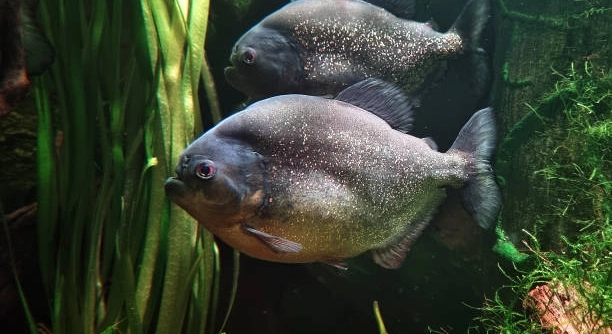
Have you ever looked into your aquarium and noticed your piranhas behaving aggressively toward one another, even drawing blood?
Piranhas fight due to territorial disputes, stress, overcrowding, or lack of food. These aggressive encounters can lead to injuries or death if not addressed. Preventing fights involves proper tank setup, space, diet, and monitoring social dynamics.
Learning what causes these conflicts and how to manage their environment can help reduce injuries and promote a more peaceful tank.
Why Piranhas Fight
Piranhas often become aggressive due to overcrowding, stress, limited hiding spaces, or competition for food. These fish are naturally territorial and can feel threatened when forced into close contact with others. Fighting can also occur when the tank lacks proper decor, leaving them exposed and defensive. A group that is too small may trigger anxiety and increase aggressive behaviors. During feeding, competition can cause biting and chasing, especially if food is scarce or dropped unevenly. Environmental issues such as poor water quality or sudden changes in temperature may also cause stress and heighten aggressive responses. Recognizing these triggers is important.
When fights occur, piranhas can bite fins, damage scales, or even kill tank mates. Injuries often go unnoticed until signs of infection appear.
Observing your piranhas closely helps you notice early signs of tension. Fin nipping, chasing, or sudden hiding may mean conflict is brewing. Taking quick action can prevent serious injuries.
How to Prevent Piranha Fights
Give each piranha enough space by choosing a large tank with plenty of hiding spots. This helps reduce stress and territorial behavior.
To prevent fights, begin by providing at least 20 gallons of water per adult piranha, with more space always being better. Use driftwood, plants, or rocks to create safe zones where fish can retreat. Keep the group size between 4 to 6 piranhas to help distribute aggression. Feed them high-protein food regularly and in adequate amounts to reduce competition. Maintain clean water by using a good filter and performing weekly water changes. Test for ammonia, nitrites, and pH regularly to keep the tank stable. Avoid sudden changes in lighting or temperature. If you notice a fish being targeted, use a divider or temporary isolation. Introducing new piranhas carefully, using a separate acclimation container, can reduce disruption. Always monitor their behavior, especially after feeding or tank changes. A stable, enriched environment leads to fewer conflicts.
Signs Your Piranhas Are About to Fight
Early signs of aggression include chasing, sudden darting, fin nipping, and refusing to share hiding spots. Piranhas may also show signs of stress like rapid gill movement, faded color, or staying still in one spot for long periods.
When piranhas begin showing territorial behavior, they often circle each other or swim rapidly in bursts. One may become dominant, constantly following and intimidating others. You might see bites on fins or missing scales. Food aggression is another early signal—biting during feeding, snatching from others, or acting restless after meals. These signs suggest that something in the tank setup may not be right. Watch how often these behaviors occur, especially after environmental changes. When aggression becomes frequent, it’s time to evaluate your tank’s space, decor, or feeding schedule.
If aggressive behaviors are ignored, physical injuries become common. Fins may look torn, and wounds can appear near the mouth or gills. Damaged areas often get infected, especially in poor water conditions. Some piranhas may become withdrawn, stop eating, or hide for long periods. These changes usually mean that the fighting has escalated, and immediate action is needed. Moving the injured fish, adjusting the environment, and improving water quality can help recovery and reduce further aggression in the group.
What to Do if a Fight Happens
If a fight breaks out, separate the injured fish using a tank divider or temporary hospital tank. This prevents further injury and allows healing. Watch the group closely to identify if one fish is starting most of the aggression.
Cleaning the tank right after a fight helps reduce the chance of infection. Use a sponge or siphon to remove uneaten food and debris. Test water parameters and do a partial water change if needed. Make sure filtration is strong enough to support a stable environment. Treat any visible wounds with aquarium-safe antibacterial products. Observe the remaining fish for stress or aggression. Adjust the tank layout if needed by adding more hiding spots. Reevaluate feeding habits to reduce competition. If one fish continues to attack others, it may need permanent isolation. Preventing future fights starts with keeping a clean, stable tank and addressing stress right away.
Common Mistakes That Lead to Fighting
Overcrowding is one of the biggest mistakes. Keeping too many piranhas in a small tank creates stress and forces them into constant contact, leading to aggression. A lack of hiding spots also increases anxiety and territorial behavior.
Feeding issues also cause tension. Inconsistent feeding or offering too little food encourages competition. Unevenly distributing food can lead to dominant fish hoarding resources, leaving others frustrated and more likely to fight.
Best Tank Setup to Prevent Aggression
A good tank setup starts with enough space—at least 20 gallons per adult piranha. Use soft lighting and include driftwood, large rocks, and tall plants to break up sightlines and create secure hiding spots. Keep the water temperature stable between 75–80°F, and use a powerful filter to maintain water quality. Avoid sharp decorations that could cause injury. Place the tank in a quiet area, away from loud noises or heavy traffic. Arrange objects to divide the space into separate zones. This setup helps reduce stress, gives each fish space, and encourages calm behavior. Consistency in care is also important.
When to Ask for Help
If the fighting doesn’t stop after environmental changes or one fish keeps injuring others, it’s time to consult an aquatic vet or expert.
FAQ
Why do piranhas fight each other even when they’re well-fed?
Fighting isn’t always about food. Even well-fed piranhas can become territorial, especially in small or crowded tanks. If there aren’t enough hiding spots or visual barriers, they feel exposed and may lash out. Stress caused by bright lights, sudden changes in water temperature, or poor water quality also contributes to aggression. A dominant fish may try to control space, even if there’s no clear reason.
Can piranhas live alone to avoid fighting?
Yes, piranhas can live alone, especially older or more aggressive individuals. While some species prefer groups, solitary setups can prevent injuries if a fish has shown repeated aggression. A single piranha still needs space and proper care—large tank, stable water conditions, and hiding places. It’s important to watch their behavior and adjust the environment as needed.
How many piranhas should I keep together to prevent aggression?
Keeping a small group of 4 to 6 piranhas in a large tank is often safer than only 2 or 3. A group setting helps spread aggression evenly, reducing the chances of one fish being bullied. Make sure the tank is at least 100 gallons and filled with hiding areas. Even in groups, some aggression can happen, so observation is key.
Do piranhas become more aggressive as they get older?
In some cases, yes. Older piranhas may grow more territorial, especially if they’ve outgrown the tank or experienced stress over time. Hormonal changes and dominance behavior can develop as they mature. If you notice a peaceful fish becoming aggressive with age, consider making changes to the tank layout or reducing stress factors.
What signs show a piranha has been injured in a fight?
Look for torn fins, missing scales, or blood near the gills and mouth. Injured piranhas may hide more often, stop eating, or breathe rapidly. Their color may fade, and they might stay near the bottom of the tank. These signs suggest the fish is hurt or stressed and needs isolation and treatment.
Is it okay to use medication after a fight?
Yes, but choose medications made for aquarium use. Use antibacterial treatments for open wounds and monitor water quality closely. Avoid strong chemicals that might harm healthy fish. If you’re unsure, isolate the injured piranha in a hospital tank and use mild treatments. Watch for signs of infection like swelling, white patches, or redness.
Can I reintroduce an aggressive piranha to the group later?
Sometimes, but it depends on the fish’s behavior. If the aggressive fish caused serious harm, it may not be safe to put it back. Try rearranging the tank layout before reintroducing to reset territories. Observe closely for the first few hours. If aggression resumes, permanent separation may be necessary.
Should I feed piranhas separately to reduce aggression?
Feeding in different spots helps. Spread food across the tank to prevent competition in one area. Feeding at the same time each day also creates routine and lowers tension. Avoid hand-feeding or letting them go too long without food, which can trigger aggressive responses during feeding time.
What tank size helps prevent most fights?
A 100-gallon tank or larger is best for groups. Each adult piranha should have at least 20 gallons of space. The more room they have, the easier it is for them to avoid each other and stay calm. Cramped conditions lead to stress and frequent fighting.
Can lighting affect their aggression levels?
Yes. Bright lights can make piranhas feel exposed, causing stress. Use low lighting or floating plants to diffuse brightness. A dim, steady light helps them feel more secure and reduces the chance of sudden aggressive outbursts. Keeping the tank calm and stable makes a big difference.
Final Thoughts
Keeping piranhas can be rewarding, but it takes attention and effort. These fish are often misunderstood and labeled as overly aggressive, yet much of their behavior is based on their environment and how they are cared for. Fights between piranhas do happen, but with the right setup, many of these issues can be avoided. A large tank, proper water conditions, hiding places, and balanced feeding play a major role in keeping them calm. When stress is low and their needs are met, piranhas are less likely to harm each other. Taking the time to understand their natural behavior makes managing aggression easier.
It’s important to stay observant and respond quickly if something seems off. Injuries from fighting can become serious if left untreated. Watching for torn fins, odd behavior, or hiding more than usual can help you act before things get worse. Separating an injured or aggressive piranha, changing the tank layout, or adjusting light levels are small steps that often make a big difference. Piranhas each have their own personality. Some may always be more dominant, while others prefer to avoid conflict. Being flexible and willing to adjust your tank setup is part of keeping them healthy.
Preventing fights is not about controlling the fish completely. It’s about creating a calm, balanced space where they can live safely. Group dynamics can shift, especially as they grow older or their environment changes. Keep their tank clean, avoid overcrowding, and make sure their diet is consistent. Spread food during feeding to reduce stress. Most of all, pay attention. Regular checks on water quality, behavior, and signs of stress will help you catch problems early. Piranhas aren’t just aggressive fish—they’re complex, and with the right care, they can live together without constant fighting.

Hello,
If you enjoy the content that we create, please consider saying a "Thank You!" by leaving a tip.
Every little bit helps us continue crafting quality advice that supports the health, happiness, and well-being of pets around the world, for pets of all shapes, sizes, and species.
We really appreciate the kindness and support that you show us!