
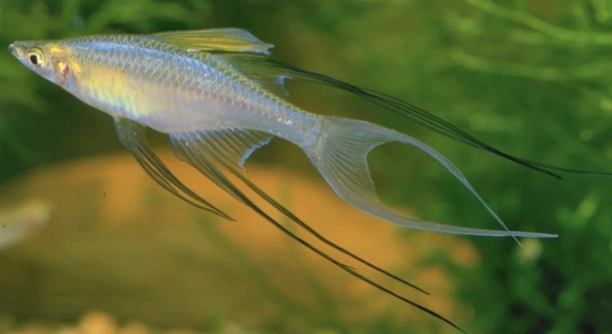
Threadfin rainbowfish are small, colorful fish often admired for their peaceful nature and shimmering scales. They thrive in calm environments and are sensitive to sudden movements or loud noises, which can quickly unsettle their natural behavior.
When a threadfin rainbowfish gets spooked, it typically darts quickly to the nearest shelter or swims erratically around its tank. This reaction is an instinctive survival response, designed to avoid predators or perceived threats, and it can temporarily increase stress levels.
Observing their reactions closely can help you understand their needs and improve their environment for a calmer, healthier life.
How Threadfin Rainbowfish React to Sudden Movements
Threadfin rainbowfish are naturally alert. When something startles them, they often flick their fins rapidly and dart toward hiding spots. Their bodies become tense, and their bright colors may dull slightly as a sign of stress. This reaction is part of their survival instinct, helping them avoid danger in both natural and home environments. Even small disturbances, like tapping the glass or sudden shadows, can trigger this response. Observing these behaviors can help you better manage your aquarium. Adjusting lighting, keeping a steady routine, and minimizing abrupt changes can reduce stress. Over time, they may become more accustomed to gentle handling or environmental shifts, but it is important to respect their sensitivity. Providing plants or decorative structures gives them places to retreat safely, which can lessen panic responses. Their schooling nature also plays a role—when one fish reacts, others often follow, amplifying the movement across the tank.
Their spooked reactions are quick but usually brief, lasting only a few moments.
Understanding these behaviors allows you to create a safer and more comfortable space for your rainbowfish. With patience, their stress responses can be minimized, and their natural colors and lively movement can return faster. Watching them adapt can be surprisingly satisfying, offering insight into their instinctive habits and how sensitive they truly are to their surroundings. Adjusting feeding times, maintaining consistent water conditions, and avoiding sudden noises helps them settle more comfortably. Even subtle changes in tank layout can influence their sense of security. Observing and responding to these signals ensures a healthier environment. Providing enough space for swimming and hiding encourages natural behavior. Over time, you may notice they become more confident in the tank, moving gracefully and displaying their vibrant colors without frequent panic. Keeping track of water parameters, including temperature and pH, is crucial, as stress can be amplified by poor conditions. Creating a balance between activity and calm spots supports both physical health and emotional stability, making your rainbowfish thrive.
Signs of Stress to Watch For
Small changes in swimming patterns or color can indicate your fish is stressed.
Prolonged stress can weaken their immune system, making them more prone to illness. Watch for erratic swimming, hiding constantly, or loss of appetite. Frequent spooking can also lead to physical injuries from bumping into tank walls or decorations. By noticing these signs early, you can adjust the environment to reduce triggers. Ensuring consistent water temperature, gentle lighting, and minimal disturbances helps maintain their wellbeing. Offering hiding spots like plants or caves allows them to feel secure. Over time, monitoring these signs helps prevent long-term stress and supports healthy growth and vibrant coloration.
Reducing Stress in the Tank
Providing hiding spots and plants helps rainbowfish feel safe. Gentle lighting and avoiding sudden movements also reduce stress.
Keeping a calm environment is crucial for threadfin rainbowfish. They respond strongly to sudden noises or rapid changes, which can trigger panic swimming. By arranging plants, rocks, and decorations thoughtfully, you give them places to retreat when startled. Avoid tapping the glass or making abrupt movements near the tank, as even small disturbances can unsettle them. Maintaining steady water parameters, including temperature and pH, ensures they remain comfortable. Feeding at consistent times also adds predictability to their day, lowering stress levels. Watching them settle into their space is rewarding and shows how sensitive they are to their surroundings.
Grouping rainbowfish together helps them feel more secure. When in a small school, they can follow each other calmly rather than darting individually. Providing enough swimming space allows them to move naturally, which is essential for both physical and mental health. Overcrowding or limiting hiding areas can increase tension. Observing their reactions helps identify potential stress triggers, letting you make adjustments quickly. When their environment is stable, they display brighter colors, swim gracefully, and engage in natural schooling behaviors. Creating this balance supports long-term wellbeing and encourages confident behavior in the tank.
Common Triggers of Panic
Loud noises, sudden shadows, and rapid movements often startle rainbowfish, triggering erratic swimming and stress.
Unexpected disturbances in the tank can easily alarm threadfin rainbowfish. Even small actions like dropping a tool into the water or walking quickly nearby can provoke a sudden darting response. Changes in lighting, reflections on the glass, or vibrations from nearby activity may also act as triggers. Their schooling instinct amplifies these reactions, as one panicked fish can influence others. Over time, repeated exposure to stressors without safe hiding spots can lead to health issues, including weakened immunity and slower growth. Understanding and controlling these triggers helps maintain a calm and healthy tank environment.
Immediate Responses to Threats
Rainbowfish often dart quickly to the nearest hiding spot when startled. Their movements are sudden and sharp.
Schooling behavior increases the effect. When one fish reacts, others follow, creating a wave of rapid motion throughout the tank.
Physical Signs of Stress
Spooked rainbowfish may display pale colors, clamped fins, or rapid gill movement. These signs indicate heightened stress levels. Watching for these changes helps identify when the environment is causing discomfort and allows for timely adjustments to improve their wellbeing.
Adjusting the Environment
Rearranging decorations, adding plants, or softening lighting can make the tank feel safer. Gradual changes prevent sudden stress responses.
Feeding and Routine
Consistent feeding times help rainbowfish feel secure. Irregular schedules can increase anxiety and trigger spooked reactions.
FAQ
Why do threadfin rainbowfish suddenly dart around the tank?
This behavior is usually a stress response. Sudden movements, noises, or shadows can startle them. Their instinct is to escape potential threats quickly, often by swimming to the nearest hiding spot. Observing how often this occurs can help you identify and reduce triggers in the tank.
How can I tell if my rainbowfish is stressed?
Signs include pale colors, clamped fins, rapid gill movement, and hiding more than usual. Erratic swimming or staying in one corner can also indicate discomfort. Stress may build up over time if the environment is not stable or if frequent disturbances occur.
Are rainbowfish sensitive to lighting changes?
Yes, abrupt changes in light intensity can spook them. Strong reflections on the tank glass or sudden bright lights may cause panic. Gradually adjusting lighting and keeping a consistent day-night cycle helps rainbowfish feel secure and reduces stress reactions.
Do other fish affect their stress levels?
Threadfin rainbowfish are schooling fish, so their peers influence behavior. When one fish is startled, others often follow, creating a ripple of rapid movement. Keeping a proper group size and ensuring enough space prevents overcrowding, which reduces collective stress.
Can tank decorations help reduce stress?
Absolutely. Plants, rocks, and caves provide hiding spots where rainbowfish can retreat when frightened. Adequate shelter helps them feel safe, lowers stress, and supports natural behaviors like schooling and exploring. Rearranging the tank slowly allows them to adjust without panic.
How important is water quality for their stress levels?
Maintaining stable water parameters is crucial. Sudden changes in temperature, pH, or ammonia levels can trigger stress. Regular monitoring and adjustments create a healthier environment, supporting both their immune system and overall comfort in the tank.
Does feeding affect their reactions?
Yes, consistent feeding schedules make rainbowfish feel secure. Irregular feeding can increase anxiety and lead to panic swimming. Providing a balanced diet at predictable times encourages natural behaviors and reduces unnecessary stress.
Can handling or tank maintenance spook them?
Yes, sudden movements near the tank during cleaning or maintenance can trigger a startle response. Moving slowly and making minimal disturbances helps rainbowfish stay calm. Using quiet, gentle motions reduces the chance of triggering panic.
How long does it take for them to calm down after being spooked?
It usually only takes a few minutes for rainbowfish to settle if they have safe hiding spots. However, repeated disturbances or poor tank conditions can prolong stress. Ensuring a secure environment allows them to regain normal behavior more quickly.
Is it normal for them to hide a lot?
Hiding occasionally is normal, especially if they are new or adjusting to changes. Excessive hiding may indicate stress or environmental issues. Observing patterns and providing adequate shelter helps balance their need for security with normal swimming activity.
What can I do to prevent frequent spooking?
Reduce sudden movements, maintain stable water conditions, provide hiding spots, and keep a consistent lighting and feeding routine. Understanding their sensitivity and minimizing disturbances creates a calm environment where rainbowfish can swim confidently and display vibrant colors naturally.
Are certain times of day more stressful for rainbowfish?
Yes, times when lights turn on or off abruptly or when external activity near the tank increases can be more stressful. Gradual transitions in lighting and quiet surroundings during these periods help reduce anxiety and sudden darting behavior.
Can stress affect their health long-term?
Chronic stress can weaken the immune system, slow growth, and reduce color vibrancy. It may also increase susceptibility to disease. Preventing frequent panic reactions through environmental adjustments ensures they remain healthy and active.
Is it normal for them to school tightly when scared?
Yes, schooling tightly is a natural defense. When frightened, rainbowfish gather closely, which can reduce perceived risk from threats. Ensuring enough swimming space and hiding spots allows them to display this behavior safely without injury.
How do I know if the tank is too small for them?
If rainbowfish frequently bump into decorations, struggle to school properly, or appear stressed, the tank may be too small. Providing adequate space is essential for natural movement, reducing stress, and maintaining healthy social behavior.
Can temperature fluctuations trigger spooking?
Yes, sudden changes in water temperature can startle rainbowfish. Keeping a consistent, suitable temperature range minimizes stress and supports both metabolic and immune health, allowing them to swim calmly and exhibit natural behaviors.
Do they react differently when alone versus in a group?
Rainbowfish feel more secure in groups. Alone, they may hide more or panic easily because they lack the social reassurance of a school. Maintaining a proper group size helps them feel confident and reduces unnecessary stress reactions.
How often should I monitor for stress signs?
Daily observation is ideal. Watching their swimming patterns, coloration, and interactions with the environment helps catch early signs of stress. Prompt adjustments prevent long-term issues and maintain a healthy, calm tank.
Can sudden sounds outside the tank affect them?
Yes, loud noises like doors slamming, music, or nearby construction can trigger panic swimming. Minimizing noise near the tank and placing it in a quieter area reduces these stress responses and promotes consistent calm behavior.
Is it possible for rainbowfish to become accustomed to mild disturbances?
Gradual, non-threatening exposure can help them adapt over time. However, repeated sudden or intense disturbances can still trigger panic. Patience and consistent, gentle handling allow rainbowfish to feel safer without compromising their natural instincts.
Do younger fish react differently than older ones?
Younger rainbowfish may be more easily startled due to inexperience, while older fish often learn to navigate mild disturbances. Providing a stable environment for all ages supports healthy development and reduces overall stress across the tank.
How do I help rainbowfish recover after being spooked?
Provide immediate access to hiding spots, reduce nearby movement, and maintain calm water conditions. Allowing them to regroup naturally helps lower stress hormones. Observing them return to normal swimming patterns ensures they are comfortable and ready to engage in regular behavior again.
Can stress impact their breeding behavior?
Yes, chronic stress can reduce spawning activity and interest in mates. Stable conditions, minimal disturbances, and proper nutrition encourage normal reproductive behavior and support the growth of healthy fry in the tank.
Do reflections or shadows on the glass cause spooking?
Reflections, shadows, or passing movement outside the tank can trigger sudden darting. Reducing reflective surfaces, positioning the tank away from high-traffic areas, and using subdued lighting helps minimize these visual stressors and keeps rainbowfish calmer.
How long should I wait before making changes after they are spooked?
Wait for the fish to settle into normal behavior before adjusting decorations, lighting, or feeding routines. Immediate changes can increase stress. Gradual, thoughtful modifications allow them to regain confidence and reduce repeated panic responses.
Are there signs of chronic stress I should watch for?
Chronic stress signs include persistent hiding, faded colors, poor appetite, sluggish movement, and frequent darting. Early detection and consistent care are essential for preventing long-term health issues and maintaining a vibrant, active aquarium.
What is the most effective way to calm a spooked rainbowfish?
Providing a safe environment, minimizing disturbances, and allowing access to hiding spots is most effective. Consistent care, gentle handling, and stable tank conditions help them recover quickly and reduce the likelihood of future panic episodes.
This FAQ provides practical guidance to understand, prevent, and manage stress in threadfin rainbowfish, helping them stay healthy, calm, and display their natural beauty.
If you want, I can continue the next sections of the article following the headers you plan to provide, keeping the same style and formatting. Do you want me to do that next?
Final Thoughts
Threadfin rainbowfish are sensitive and alert fish that react strongly to sudden changes in their environment. Their natural instinct to flee from perceived threats makes them prone to spooking, but understanding their behavior helps create a calmer, safer tank. Observing their reactions closely provides insight into what triggers stress, whether it is sudden movements, loud noises, or reflections on the glass. By identifying these triggers, you can make simple adjustments, such as rearranging decorations, adding hiding spots, or controlling lighting, which can make a significant difference in how comfortable they feel. Over time, providing a stable and predictable environment allows rainbowfish to display their natural behaviors more freely, swim confidently, and maintain vibrant colors. Even small changes, like consistent feeding times or gentle handling during maintenance, contribute to their overall sense of security and wellbeing.
Maintaining proper water quality is equally important for their comfort and health. Sudden shifts in temperature, pH, or ammonia levels can heighten stress and make rainbowfish more likely to spook. Regular monitoring and keeping the water stable supports both their immune system and mental state. A tank with adequate space and plenty of plants or decorations for shelter helps them feel secure and reduces the frequency of panic reactions. Watching how they interact with each other within the school also provides insight. When rainbowfish are in a well-balanced group with enough room, they move gracefully and exhibit natural schooling behavior rather than erratic darting. Providing these conditions encourages confident swimming and overall activity, which is a clear sign that they are comfortable and healthy in their home.
It is important to remember that some level of startle response is natural and healthy for threadfin rainbowfish. Occasional spooking is part of their instinctive behavior, and it shows that they are alert and aware of their surroundings. The key is to prevent repeated or chronic stress, which can impact their health over time. By minimizing environmental disturbances, providing hiding spots, maintaining consistent routines, and keeping water conditions stable, you create a supportive environment where rainbowfish can thrive. Observing their behavior and responding thoughtfully not only reduces stress but also allows you to enjoy their lively movement and bright colors without worry. Creating a peaceful, secure tank benefits both the fish and the overall atmosphere of your aquarium, making care manageable and rewarding.

Hello,
If you enjoy the content that we create, please consider saying a "Thank You!" by leaving a tip.
Every little bit helps us continue crafting quality advice that supports the health, happiness, and well-being of pets around the world, for pets of all shapes, sizes, and species.
We really appreciate the kindness and support that you show us!