
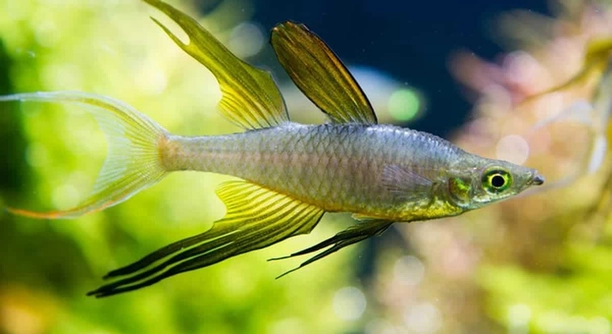
Do your Threadfin Rainbowfish seem lively in your aquarium, yet you wonder how well they interact with others? These vibrant fish display fascinating social behaviors that can change subtly as they grow and adapt to their environment.
Threadfin Rainbowfish have the ability to recognize familiar tankmates over time. Repeated interactions lead to established social hierarchies, reduced aggression, and more cohesive group behaviors, indicating memory and recognition play a significant role in their social dynamics.
Observing these patterns can help improve your aquarium’s harmony and ensure your fish thrive in a well-balanced community setting.
Social Behavior of Threadfin Rainbowfish
Threadfin Rainbowfish are naturally social and thrive when kept in groups. In a tank, they establish a hierarchy that reduces conflicts and helps maintain peace among the fish. Observing them, you may notice some fish taking the lead while others follow, indicating recognition and memory. Over time, familiar tankmates swim closer, coordinate movements, and even share resting areas. Their interactions are not random; repeated exposure allows them to remember each other, which minimizes stress and fosters smoother coexistence. Environmental factors, like tank size and hiding spaces, also impact how quickly they form these bonds. A well-planned tank encourages positive interactions and keeps all fish healthy and active. Watching them adapt and settle into their social structure can be rewarding, as their lively colors and coordinated movements become more pronounced. Understanding these behaviors helps you manage aggression, feeding patterns, and general tank harmony.
Recognition among tankmates is crucial for maintaining calm and order in group settings.
Keeping your Threadfin Rainbowfish in groups of six or more enhances social learning. Introducing new fish gradually allows the established members to acclimate and reduces sudden stress. Observing how fish respond to each other over weeks can reveal which individuals prefer certain companions and which may show temporary aggression. Providing plants, decorations, and open swimming areas supports natural behaviors while giving shy fish safe spaces. Feeding routines also play a role; fish that eat together regularly may develop bonds faster. Social recognition affects reproduction, movement patterns, and overall health, making it an important factor to consider for any tank setup. By monitoring interactions and adjusting the environment thoughtfully, you can foster a harmonious community where Threadfin Rainbowfish can display their vibrant colors and active behaviors without constant stress or conflict.
Signs of Tankmate Recognition
Threadfin Rainbowfish show clear behaviors that indicate recognition.
Recognized tankmates often swim in closer groups, engage in synchronized movements, and display reduced aggression compared to unfamiliar fish. They may also compete less for territory and share preferred resting spots more willingly. These behaviors are subtle but consistent over time. By noting patterns, you can see which fish feel comfortable together and which need more space. Adjusting tank layout or grouping can reinforce positive social dynamics and create a stable, stress-free environment for all fish. Consistent observation helps maintain a peaceful tank.
Memory and Recognition
Threadfin Rainbowfish remember their tankmates through repeated interactions. They react differently to familiar fish compared to newcomers, showing calmer behavior and smoother social interactions. Recognition helps reduce stress and promotes group cohesion, which is important for maintaining a balanced aquarium environment.
Memory in these fish is tied to daily routines and social patterns. When a new fish is introduced, the established group initially shows caution or mild aggression. Over time, as interactions continue, the new fish becomes part of the group hierarchy. Recognized fish swim together, share territory, and even coordinate feeding behaviors. Their memory allows them to identify individuals and adjust actions accordingly, fostering stability within the tank. This recognition is subtle but observable, influencing social dynamics and overall well-being.
Social memory also impacts reproductive behaviors. Familiar tankmates often exhibit less competition during breeding periods, and males may display less aggressive chasing. Fish that remember each other are more likely to engage in synchronized movements, swimming in groups and resting in shared areas. Such behaviors indicate comfort and security. In contrast, unfamiliar fish may cause brief spikes in stress or territorial displays. Recognizing tankmates ensures smoother interactions, a calmer environment, and encourages active, healthy fish. Memory plays a critical role in shaping daily life within the aquarium.
Impact on Tank Harmony
Recognition directly contributes to a peaceful aquarium. Fish that remember each other show fewer conflicts and maintain steady group interactions.
A tank with well-recognized members has less aggression, smoother feeding times, and more stable movement patterns. Recognized fish establish predictable hierarchies, reducing stress for all members. Shy fish feel safer when surrounded by familiar companions, allowing them to explore and feed without constant fear. Conversely, introducing unfamiliar fish abruptly can disrupt harmony, triggering temporary stress or chasing behaviors. Maintaining stable groups and observing interactions over time helps ensure a calm, balanced environment. Consistency in feeding, tank layout, and group composition strengthens recognition and enhances overall well-being.
Establishing Familiarity
Threadfin Rainbowfish gradually become familiar with tankmates through consistent daily interactions. They begin to recognize individual fish by swimming patterns, behavior, and appearance, which helps reduce stress and promote smoother social dynamics in the aquarium.
Familiarity also influences feeding. Recognized tankmates eat more calmly and coordinate movements, avoiding unnecessary competition.
Observing Behavior Changes
Over time, recognized fish display reduced chasing and aggression. Their swimming becomes synchronized, and resting areas are shared more willingly. These subtle behavioral changes signal that memory and recognition are taking effect. Observing these patterns allows you to understand group dynamics and ensure a balanced, peaceful tank environment.
Tips for Encouraging Recognition
Consistent routines, proper tank space, and gradual introductions support recognition among Threadfin Rainbowfish. Stable conditions foster calmer interactions and stronger social bonds.
FAQ
How do Threadfin Rainbowfish recognize their tankmates?
Threadfin Rainbowfish use repeated interactions to remember individual fish. They identify tankmates through swimming patterns, behavior, and appearance. Over time, familiar fish are treated with less aggression and more coordinated movements, showing that recognition is based on memory rather than just proximity.
How long does it take for them to recognize new fish?
Recognition usually develops over several days to a few weeks, depending on the number of fish, tank size, and the personalities of individual fish. Gradual introductions help reduce stress, allowing the group to establish hierarchy and social comfort more efficiently.
Do all fish in the tank recognize each other equally?
Not always. Dominant or more active fish often establish recognition faster, while shy or slower-moving fish may take longer. Some individuals prefer certain companions, forming smaller subgroups within the larger tank, which is normal and does not disrupt overall harmony.
Can recognition reduce aggression?
Yes. Once fish remember their tankmates, chasing and nipping behaviors decrease. Familiar fish swim closer together and share resting spots more willingly. Reduced aggression improves overall health and allows shy fish to feed and explore without fear, supporting a calm and balanced tank environment.
Does tank layout affect recognition?
Absolutely. Open spaces and hiding spots influence how fish interact. Plants, decorations, and swim-through areas help fish move freely while providing safe zones for shy individuals. Proper layout encourages observation and repeated interactions, which strengthens memory and recognition over time.
Do they remember fish after being separated?
Threadfin Rainbowfish can retain recognition for a certain period after separation, but memory fades if the absence is prolonged. Reintroduction may require a short adjustment phase, during which minor aggression or hesitation is normal as they reestablish familiarity.
How does recognition impact feeding behavior?
Recognized tankmates feed more calmly and may coordinate their movements, reducing competition. Fish that remember each other avoid unnecessary chasing during feeding and are more likely to share space peacefully, ensuring all members get sufficient nutrition.
Does recognition influence reproduction?
Yes. Familiar fish display less aggressive chasing during mating periods and establish predictable territories. Recognition reduces stress, which is important for breeding, and allows males and females to interact more naturally, improving the chances of successful spawning.
What are signs my fish have recognized each other?
Look for synchronized swimming, shared resting areas, and reduced chasing or nipping. Fish may swim together during feeding or explore new spaces in groups. These behaviors indicate comfort and memory-based recognition among tankmates.
Can recognition help manage new introductions?
Introducing new fish gradually allows established members to adapt, minimizing stress and aggression. Observing behavior during the first few weeks helps identify compatibility and ensures a smoother integration into the social structure of the tank.
Are some fish slower to recognize others?
Yes. Shy or more reserved fish often take longer to establish recognition. They may initially hide or avoid interaction but gradually become part of the group as repeated exposure and calm environments encourage memory formation.
How important is routine for recognition?
Consistent feeding times, tank maintenance, and stable environmental conditions support recognition. Predictable routines allow fish to anticipate interactions, reinforcing memory and reducing stress, which is essential for maintaining peaceful social dynamics in the aquarium.
Do visual cues matter for recognition?
Visual recognition is significant. Threadfin Rainbowfish can distinguish individuals based on size, coloration, and swimming style. Subtle differences help them identify familiar tankmates, which guides behavior, reduces aggression, and maintains social cohesion.
Can recognition fade over time?
Yes. If tankmates are separated or if the social environment changes drastically, recognition may fade. Reintroductions often require observation and patience as fish reestablish familiarity and re-adapt to the hierarchy within the tank.
How does group size affect recognition?
Larger groups may require more time for complete recognition among all members, while smaller groups tend to form bonds faster. Adequate space and environmental enrichment are key to ensuring that all fish can interact without excessive competition or stress.
What practical steps help strengthen recognition?
Maintain consistent feeding and cleaning routines, provide ample space, and gradually introduce new fish. Observing behaviors, managing aggression, and arranging hiding spots encourage repeated interactions, allowing Threadfin Rainbowfish to remember tankmates and create a calm, balanced aquarium environment.
Can recognition prevent long-term stress?
Yes. Familiar tankmates reduce anxiety, promote stable hierarchies, and encourage normal behaviors such as swimming, feeding, and resting. Stress reduction improves overall health, coloration, and activity levels, making recognition an important factor in long-term tank management.
Do environmental changes affect recognition?
Significant changes, like moving decorations, altering lighting, or introducing new fish, can temporarily disrupt recognition. Fish may show mild aggression or hesitation, but familiar members usually readjust quickly if the environment remains generally stable.
Is recognition unique to Threadfin Rainbowfish?
While other fish also display recognition, Threadfin Rainbowfish show consistent social memory that influences hierarchy, feeding, and reproduction. Their behaviors are particularly observable due to their active swimming patterns and group-oriented nature, making recognition a clear factor in their daily interactions.
Can observation improve tank management?
Yes. Watching how fish interact over time helps identify stress, compatibility, and social dynamics. Observation allows you to adjust feeding, tank layout, and group composition, ensuring that recognized tankmates maintain a peaceful and healthy environment.
How does age affect recognition?
Juvenile fish may take longer to recognize others as they are still learning social behaviors. Adults establish bonds faster and demonstrate clearer social hierarchies, leading to reduced conflict and improved group cohesion in a well-managed aquarium.
Threadfin Rainbowfish are fascinating in how they interact with their tankmates. Their ability to recognize familiar fish is a subtle but important part of their social behavior. Over time, repeated interactions allow them to identify individual members of their group, leading to calmer and more organized swimming patterns. Fish that remember each other tend to reduce unnecessary chasing and aggression, which benefits the entire community. This recognition is tied to memory, environmental stability, and consistent routines within the tank. Observing these behaviors provides insight into their natural social dynamics and helps in creating a balanced aquarium where all fish feel comfortable.
Maintaining a stable environment is key to supporting recognition among Threadfin Rainbowfish. Factors like tank size, hiding spaces, plants, and decorations influence how fish interact and remember each other. Proper layout allows shy fish to feel safe while encouraging regular contact between individuals, strengthening social bonds. Consistent feeding times and care routines also reinforce familiarity, helping fish recognize and respond to each other appropriately. Gradual introductions of new fish ensure that the established group can adjust without excessive stress. The overall goal is a calm, predictable setting where all fish have space to swim, explore, and interact safely. Recognized tankmates display more coordinated movements, share resting areas, and feed with less competition, which supports their overall well-being.
Recognition among Threadfin Rainbowfish also affects long-term health and behavior. Fish that feel secure with their companions experience lower stress, which can improve color, activity levels, and even reproductive success. Conversely, sudden changes or the introduction of unfamiliar fish can temporarily disrupt social harmony, showing how important memory and familiarity are. By observing interactions, adjusting the tank environment, and maintaining consistency, you can encourage positive relationships and minimize conflict. Understanding how these fish recognize their tankmates allows for more effective care, creating a peaceful, active, and healthy community. This knowledge helps in fostering a stable environment that benefits both the fish and the aquarium as a whole.

Hello,
If you enjoy the content that we create, please consider saying a "Thank You!" by leaving a tip.
Every little bit helps us continue crafting quality advice that supports the health, happiness, and well-being of pets around the world, for pets of all shapes, sizes, and species.
We really appreciate the kindness and support that you show us!