
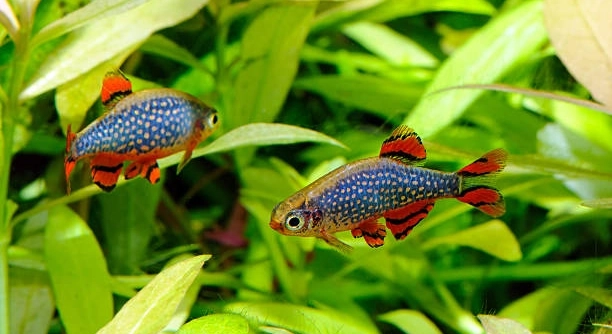
Danios are small, lively fish that brighten up any home aquarium. They thrive in well-regulated environments with consistent light and dark periods, which help maintain their natural rhythms and overall health.
Without at least seven hours of darkness, danios experience stress, disrupted sleep cycles, and irregular feeding behaviors. Prolonged light exposure can weaken their immune system, reduce growth rates, and lead to long-term health complications that affect survival.
Maintaining proper light and dark periods is essential for healthy, active fish. This guide will help you understand the impact of insufficient darkness on danios.
How Light Affects Danios’ Behavior
Danios are very sensitive to light. When their tank is lit for too long, their normal patterns get disrupted. They may swim erratically or hide more often. Overexposure can make them restless during nighttime hours, even when the room is dark. Feeding routines can also change. Danios might eat less or more than usual, which affects their health. Stress from constant light can lead to color fading and weaker immunity. They rely on darkness to rest properly, which is essential for growth and overall vitality. Even minor changes in lighting schedules can affect their behavior over time. Observing your danios during both light and dark periods helps understand how they react. Adjusting the lighting gradually rather than suddenly reduces stress. A stable environment supports natural activity patterns. Providing at least seven hours of uninterrupted darkness allows them to recover and maintain normal behavior, promoting longer life and stronger health.
Proper dark periods help danios regulate sleep and feeding, keeping them active and healthy. Light management is crucial for their well-being.
Managing lighting is more than turning off a tank light. It includes placement, brightness, and consistency. Bright lights too close to the tank can overstimulate danios, even if the room darkens later. Timers can be helpful, ensuring lights turn off and on at the same time daily. Gradual dimming mimics natural sunset and sunrise, reducing stress. Observing your fish helps determine the right duration for your tank’s setup. Environmental factors like room light, nearby windows, and reflections can also affect their perception of day and night. Proper darkness promotes natural feeding patterns and reduces aggressive or nervous behavior. Maintaining a predictable schedule helps danios develop better immunity and recover from minor stress. Consistent rest allows their colors to stay vibrant and their activity levels balanced. Regular monitoring and adjustments are necessary, especially as seasons change and room lighting shifts. Ensuring at least seven hours of darkness supports their overall health, making them more active and lively when the lights return.
Signs Your Danios Are Affected
Changes in behavior are often the first sign of too much light. They may appear less energetic or hide more than usual.
Danios affected by insufficient darkness can develop long-term health problems. Their immune system weakens, making them more prone to infections and disease. Stress may cause irregular swimming patterns, loss of appetite, and faded coloration. In some cases, constant light exposure leads to abnormal growth or reduced reproductive health. Over time, this can shorten their lifespan. Monitoring your danios for subtle behavioral changes is important. Observing feeding, swimming, and interaction with other tank mates can indicate whether the lighting is sufficient. Gradual changes in behavior are easier to correct than sudden health declines. Implementing a consistent dark period helps restore normal rhythms and prevent further issues. Adjusting tank lighting, using timers, and ensuring there is no light leakage during the dark period are effective measures. By paying attention to these signs early, you can prevent serious health consequences and maintain a vibrant, active aquarium. Proper darkness allows danios to regain strength, display natural colors, and remain lively for longer periods.
Adjusting Light for Healthy Danios
Too much light can be stressful for danios. Ensuring at least seven hours of darkness helps regulate their sleep, feeding, and overall behavior. Simple changes to lighting schedules can make a noticeable difference.
Gradually adjusting the lighting period is effective. Start by reducing artificial light by 30 to 60 minutes each day until you reach seven hours of darkness. Using a timer ensures consistency and reduces the chance of forgetting. Position lights so they do not shine directly on the tank at night. Covering windows or using blinds can help control natural light. Observing danios during the adjustment period shows how they respond, allowing fine-tuning of timing. This method minimizes stress and supports their natural rhythms. Over time, danios become more active during daylight hours, feed more consistently, and display brighter coloration.
Consistent light and dark periods also improve immunity and reduce behavioral issues. When danios rest properly at night, they recover from stress and are less prone to illness. Adequate darkness allows hormonal balance, supporting growth and reproduction. Without this recovery, even small environmental stressors can become serious health problems. Watching their activity patterns helps track improvements. Small changes in lighting make a big difference in tank harmony. Gradual implementation ensures they adapt without sudden disruption, promoting long-term health and vitality in your aquarium.
Tools to Maintain Proper Darkness
Timers, dimmers, and covers make controlling light easier. These tools help ensure danios receive consistent dark periods.
Using a timer is the most reliable method. Set it so lights turn off at the same time every evening and turn on in the morning. This creates a predictable schedule that danios can rely on, reducing stress. Dimmer switches allow gradual transitions, mimicking natural sunrise and sunset. Covering tanks or using blackout curtains blocks unwanted light from windows or nearby lamps. Combining these tools ensures the tank environment stays stable and healthy.
Maintaining proper darkness requires observation and adjustments. Watch your danios’ activity patterns and coloration to confirm they are resting well. If they appear restless at night, check for external light sources that may interfere. Adjust timers gradually rather than abruptly to prevent stress. Regular monitoring ensures that the lighting schedule continues to support feeding, growth, and immune function. Tools like dimmers and timers simplify this process, providing consistency without constant attention. Over time, the fish adapt, showing more natural behavior, better coloration, and improved overall health. A controlled environment reduces stress-related behaviors and promotes vitality throughout the tank.
Common Mistakes in Lighting
Leaving lights on for too long is a frequent mistake. Many people underestimate how important proper dark periods are for danios’ health.
Overly bright tanks or inconsistent schedules can also stress danios. Sudden changes in lighting confuse their natural rhythms, leading to erratic behavior and weakened immunity.
Monitoring Your Danios’ Response
Observe swimming patterns, feeding, and color changes. Restless or lethargic behavior indicates a need for adjustments. Regular monitoring helps maintain their health and balance in the tank environment.
Gradual Changes Work Best
Reducing light abruptly can stress danios. Slowly adjusting the schedule allows them to adapt comfortably. This method supports natural rhythms and improves overall behavior.
Long-Term Benefits
Consistent darkness supports stronger immunity, proper growth, and better feeding habits. Over time, danios display brighter colors, more energy, and healthier interactions with tank mates, showing the value of maintaining a stable light schedule.
How many hours of darkness do danios need?
Danios need at least seven hours of uninterrupted darkness each day. This rest period allows their bodies to regulate sleep, digestion, and hormonal balance. Without enough darkness, they become stressed, restless, and may lose appetite. Keeping a predictable schedule ensures their natural rhythms remain stable and healthy.
Can too much light affect their color?
Yes, constant or overly bright lighting can cause colors to fade. Stress from disrupted sleep cycles affects pigmentation and overall health. Danios show their brightest colors when they are well-rested and comfortable. Proper dark periods allow recovery, keeping them vibrant and lively.
What happens if I suddenly change the lighting schedule?
Sudden changes can stress danios. They may hide more, swim erratically, or stop eating temporarily. Gradual adjustments are recommended to allow adaptation. Using timers or dimmers to slowly shift light periods helps prevent shock and maintains consistent behavior.
Is it harmful to leave lights on overnight occasionally?
Occasional extended lighting is not ideal but generally won’t cause long-term harm if it doesn’t happen frequently. Repeated overexposure leads to stress, reduced immunity, and potential long-term health issues. Aim for consistency to avoid behavioral or physical problems.
How can I tell if my danios are stressed from light?
Signs include hiding, erratic swimming, faded colors, or changes in appetite. Restless behavior at night or unusual aggression toward tank mates is also a warning. Observing these patterns can guide adjustments in lighting and tank setup.
Do tank decorations or placement affect light exposure?
Yes. Tall decorations, plants, or tank placement near windows can create uneven light or shade. This can confuse danios and disrupt their natural patterns. Adjusting decor or using blinds helps create a more controlled environment.
Are timers really necessary for maintaining darkness?
Timers are highly recommended. They provide a consistent schedule without manual effort. Consistent lighting supports feeding, growth, immune function, and overall behavior. A timer helps maintain at least seven hours of darkness reliably, even if daily routines change.
Can too little darkness affect growth or reproduction?
Insufficient darkness can slow growth and reduce reproductive success. Hormonal cycles are tied to light and dark periods. Danios that do not rest adequately may experience stunted growth, weaker immune systems, and reduced fertility over time.
Is it better to mimic natural light changes?
Yes. Gradual dimming in the morning and evening mimics sunrise and sunset. This approach reduces stress and supports natural activity patterns. Dimmer switches or partial light covers can help achieve a smoother transition for danios.
What is the long-term benefit of consistent darkness?
Consistent darkness supports better sleep, stronger immunity, and normal behavior. Danios display brighter colors, maintain proper appetite, and remain active during the day. Predictable lighting helps them thrive in captivity, making tank management simpler and healthier for the fish.
Can natural room light replace tank light?
Natural room light alone is not enough. It varies in intensity and duration throughout the day. Controlled artificial lighting ensures predictable schedules and consistent dark periods. Combining natural and artificial light requires careful management to avoid overstimulation.
How often should I monitor my danios?
Daily observation is ideal. Watching swimming patterns, feeding behavior, and color changes helps detect stress early. Small adjustments to light, tank setup, or feeding schedules can prevent long-term problems. Consistent monitoring ensures optimal health and activity levels.
What are the risks of ignoring proper light schedules?
Ignoring light schedules leads to stress, irregular feeding, faded colors, weakened immunity, and even shorter lifespans. Behavioral issues like aggression or lethargy are common. Maintaining proper darkness is essential to prevent these problems and ensure danios thrive.
Can other fish in a mixed tank affect danios’ lighting needs?
Yes, tank mates can influence light exposure. Some species require different light conditions, creating conflict in scheduling. Observing interactions and adjusting lighting for all species helps maintain harmony and prevents stress for danios.
Is there a simple way to test if the lighting is adequate?
Yes. Observe danios for normal activity, vibrant color, and regular feeding. Consistent sleeping and resting patterns indicate proper lighting. Adjust gradually if you notice stress behaviors. Timers and dimmers can help fine-tune the schedule.
How long does it take for danios to adjust to a new light schedule?
Adjustment can take several days to a week. Gradual changes prevent stress and allow the fish to adapt naturally. Monitoring their behavior ensures they recover quickly and maintain normal feeding and activity patterns.
Can light stress lead to disease?
Yes. Chronic light stress weakens immunity, making danios more susceptible to infections and parasites. Proper darkness supports recovery, reduces stress, and strengthens overall health, helping prevent disease outbreaks in the tank.
What are the signs of improved health after correcting light exposure?
Brighter colors, active swimming, regular feeding, and peaceful interactions are all signs. Danios that rest well show normal sleep patterns and better growth. Consistent lighting leads to stronger, healthier fish over time.
Are there any special considerations for breeding danios?
Yes. Proper dark periods are essential for reproductive cycles. Stress from insufficient darkness can reduce egg production and lower fertility. Stable lighting schedules encourage natural breeding behavior and healthier offspring.
Can I overcompensate with darkness?
Excessive darkness can also cause stress, reduce feeding, and affect activity. Maintaining balance—at least seven hours but not excessively long—is key. Observing behavior ensures the schedule supports healthy, natural rhythms.
How do I balance natural light with artificial light?
Limit direct sunlight and use blinds or curtains to control natural light. Artificial lighting should maintain predictable cycles. Combining both sources requires monitoring to ensure danios get consistent periods of light and darkness for optimal health.
Will adjusting light affect tank algae?
Yes. Algae growth increases with extended light exposure. Properly timed dark periods help control algae while supporting danios’ health. Maintaining balance reduces maintenance needs and keeps the tank environment stable.
How important is consistency compared to duration of darkness?
Consistency is just as important as duration. Even seven hours of darkness is ineffective if schedules fluctuate daily. Predictable light cycles reduce stress, support immune function, and maintain natural feeding and activity patterns.
What if my tank is near a window with sunlight?
Sunlight can disrupt the dark period. Covering the tank, moving it, or using blackout curtains ensures the fish get uninterrupted darkness. Even partial light during the night can cause stress and behavioral changes.
Can I use night lights for viewing?
Low-intensity red or blue night lights are generally safe. They allow observation without significantly disturbing sleep patterns. Avoid bright or white lights during the dark period, as they can stress danios and affect natural rhythms.
Does temperature interact with light needs?
Yes. High temperatures combined with extended light can increase stress. Darkness helps regulate behavior and allows rest. Maintaining both proper temperature and light cycles ensures optimal health and activity levels.
Are younger danios more sensitive to light changes?
Yes. Juvenile danios are more sensitive to stress and irregular schedules. Ensuring consistent dark periods supports proper growth, immune development, and feeding patterns, reducing vulnerability to illness.
Can proper darkness improve social behavior?
Yes. Well-rested danios interact more naturally with tank mates, reduce aggression, and establish normal schooling patterns. Consistent darkness supports calm, active, and healthy social behavior.
How do I start if my fish have been on irregular light schedules?
Gradually adjust lighting to reach at least seven hours of darkness. Monitor behavior closely, and make small changes over days rather than suddenly. Timers and dimmers help establish consistent, stress-free schedules for recovery.
What are the key takeaways for managing light effectively?
Consistency, gradual adjustments, and observation are essential. Ensure at least seven hours of darkness, use timers and dimmers if possible, and monitor behavior to support health, color, feeding, and social interactions. Proper lighting promotes long-term well-being.
This FAQ covers common concerns and practical steps to maintain healthy danios by managing their light and dark cycles carefully. Consistency and observation are the best tools to ensure thriving fish.
Proper lighting is one of the simplest yet most important aspects of caring for danios. These small, active fish rely on predictable light and dark periods to regulate their natural behaviors. Without at least seven hours of darkness each day, danios can experience stress, irregular feeding habits, and weakened immune systems. Consistent darkness allows them to rest properly, recover from daily activity, and maintain healthy growth. Many tank owners overlook the impact of light on their fish, focusing only on feeding or water quality. While these are important, light management plays a critical role in their overall well-being. By paying attention to both the duration and consistency of darkness, you provide a stable environment that supports their natural rhythms. Observing your fish during light and dark periods helps identify issues early, whether it’s restless behavior, hiding, or color fading. Making small adjustments in lighting can have a noticeable impact on their energy levels and overall health. Over time, consistent dark periods improve not only their physical condition but also their daily activity patterns.
Using tools like timers, dimmers, and tank covers makes managing light easier and more reliable. Timers ensure the lights turn off and on at the same time each day, creating a predictable routine. Gradual dimming mimics natural sunrise and sunset, reducing stress and supporting natural behavior. Tank covers or blackout curtains block unwanted light from nearby windows or lamps, preventing interruptions in the dark period. Proper placement of the tank and its decorations also affects light exposure. Even small reflections or bright spots can confuse danios and disrupt their daily cycles. Maintaining consistent darkness is a long-term commitment, but the benefits are clear. Fish that receive adequate rest display brighter colors, healthier feeding patterns, and more balanced behavior. In contrast, tanks with inconsistent or prolonged lighting often have stressed, less vibrant fish with weaker immunity. Taking these steps ensures that your danios thrive, maintaining energy and health throughout their lives.
Long-term benefits of proper darkness extend beyond immediate behavior and appearance. Adequate rest supports growth, immune function, and reproductive health. Danios that receive proper dark periods recover from daily activity, build strength, and show fewer stress-related behaviors. Over time, they become more active during the day, feed consistently, and interact normally with tank mates. Adjusting lighting gradually rather than abruptly prevents shock and supports natural adaptation. Monitoring your fish closely allows you to notice small changes in behavior and make timely adjustments. Maintaining a stable light schedule is one of the most effective ways to promote longevity and vitality. While it may seem like a small detail, proper darkness is essential for creating a healthy, balanced aquarium environment. Ensuring that your danios receive both consistent light and sufficient darkness is a key step in providing a thriving, supportive habitat. Over the long term, these efforts result in stronger, happier fish that are easier to care for and more enjoyable to watch.

Hello,
If you enjoy the content that we create, please consider saying a "Thank You!" by leaving a tip.
Every little bit helps us continue crafting quality advice that supports the health, happiness, and well-being of pets around the world, for pets of all shapes, sizes, and species.
We really appreciate the kindness and support that you show us!