
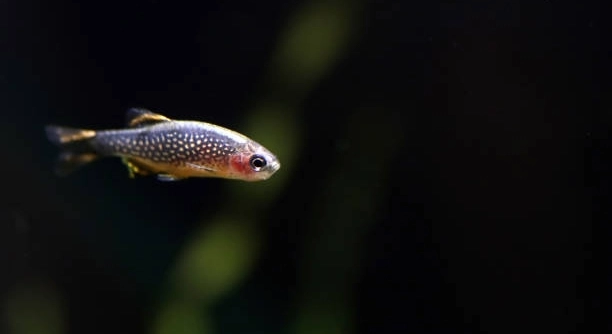
Are your Danio Dots looking a little dull lately, even though their tank is clean and well-maintained? Lighting plays a key role in how vibrant their colors appear and how active they seem in the aquarium.
Proper lighting for Danio Dots enhances their natural colors and promotes healthy behavior. Using the correct intensity, spectrum, and duration of light ensures these fish display their full visual appeal and maintain optimal physiological function.
Understanding these lighting principles can improve both the appearance of your fish and the overall balance of your tank environment. The following tips will guide you through simple yet effective adjustments.
Choosing the Right Light Spectrum
Selecting the proper light spectrum is essential for showing off the vibrant colors of Danio Dots. These fish respond well to a full-spectrum light, which mimics natural daylight and brings out their blues, reds, and golds. Avoid using lights that are too harsh or too dim, as this can make the colors appear washed out or muted. It’s also important to match the light spectrum to any live plants in the tank, since plant health indirectly affects the fish’s appearance. Overly strong lighting can encourage algae growth, which can reduce water clarity and make your fish look less lively. Many aquarists find that lights labeled “daylight” or in the 5000–7000K range provide a natural and balanced effect, keeping the tank visually appealing and healthy for both plants and fish. Consistency in lighting also helps the fish maintain regular activity patterns.
A full-spectrum LED or fluorescent bulb is ideal for both color and tank balance.
Balancing the spectrum encourages natural behavior while enhancing colors. Plants thrive, algae is controlled, and Danio Dots appear brighter without stress or unusual hiding patterns. Regular monitoring ensures light isn’t overwhelming and supports a calm, visually pleasing environment.
Adjusting Light Intensity
Light intensity affects how active and visible your Danio Dots are. Too bright, and they may hide or appear stressed. Too dim, and their colors fade. Adjusting the brightness to a moderate level creates a stable environment.
Moderate intensity supports healthy fish activity and color vibrancy.
Start by observing how your fish respond to changes in light intensity. Increase gradually if colors appear dull, but avoid reaching levels that cause constant hiding or erratic swimming. Positioning lights further from the water surface or using dimmers can help achieve the perfect balance. Keeping intensity consistent daily is also important for their circadian rhythm, which affects feeding, swimming patterns, and overall well-being. Small adjustments over time give the tank a natural feel, while promoting both visual appeal and comfort for your Danio Dots. Tracking their behavior alongside intensity changes allows you to fine-tune conditions for maximum color display.
Timing Your Lighting
Consistent lighting schedules help Danio Dots maintain natural rhythms. Keeping lights on for around 8–10 hours a day prevents stress and encourages regular activity.
A timer is the simplest way to manage this schedule reliably. Turning lights on and off at the same time daily helps fish adapt. Sudden changes in lighting can make them skittish or inactive, affecting both their behavior and appearance. Gradual increases or decreases in intensity during morning and evening hours can simulate natural sunrise and sunset. Consistency also supports plant growth, which contributes to a healthier tank. By observing your fish over time, you can adjust the schedule to match their activity patterns without overexposing them to light.
Proper timing ensures brighter colors and calmer behavior. It creates a natural environment where fish feed, swim, and interact predictably. Regular routines prevent stress-related color fading and encourage optimal tank conditions.
Positioning Your Lights
Placement of lights above the tank directly impacts how colors appear. Lights closer to the water surface intensify colors but can stress fish if too strong.
Ensure even coverage across the tank to prevent shadows or dim areas. Positioning lights slightly off-center or at an angle can reduce glare and allow Danio Dots to swim comfortably. Uneven lighting can make some fish look pale while others are overly bright. Using adjustable fixtures or LED strips lets you fine-tune placement for both aesthetic and functional results. Positioning also affects plants’ access to light, indirectly enhancing fish health. Observation is key; fish should move naturally, not avoid brightly lit zones. Gradual adjustments help achieve a balanced environment where both fish and plants thrive, enhancing visual appeal without stress.
Using Reflective Surfaces
Reflective surfaces in the tank can enhance light distribution. Materials like light-colored substrate or background help bounce light, making Danio Dots appear brighter.
Avoid overly shiny surfaces that create glare or stress. Balanced reflections improve visibility without overwhelming the fish, maintaining a natural look.
Avoiding Direct Sunlight
Direct sunlight can overheat the tank and promote algae growth. Position tanks away from windows or use curtains to control natural light exposure.
Managing sunlight helps maintain stable water temperature and keeps colors vibrant. It prevents sudden brightness changes that could stress your Danio Dots, supporting a calm, healthy environment.
Simulating Natural Daylight
Using a combination of white and slightly warm lights replicates natural daylight. This approach brings out the blue and red hues of Danio Dots effectively.
Matching the light spectrum to natural conditions helps fish display their full color range. It also supports normal activity patterns, feeding behavior, and plant growth.
FAQ
How long should my Danio Dots tank lights be on each day?
Most Danio Dots thrive with 8–10 hours of light daily. Using a timer ensures consistency, which helps maintain their natural activity patterns and reduces stress. Sudden changes in light duration can make them hide or become less active. Gradual adjustments in the morning and evening can mimic natural sunrise and sunset, providing a more comfortable environment.
What type of light is best for showing my Danio Dots’ colors?
Full-spectrum LED or fluorescent lights are ideal. Lights labeled “daylight” or in the 5000–7000K range replicate natural sunlight and enhance the fish’s blues, reds, and golds. Avoid overly bright or dim lights, which can wash out colors or stress the fish. Matching the light spectrum to live plants also promotes healthy growth and indirectly improves fish appearance.
Can too much light harm my Danio Dots?
Yes, excessive lighting can stress the fish, causing them to hide or swim erratically. It can also encourage algae growth, reducing water clarity and making the fish appear dull. Moderation is key—position lights at a comfortable distance and avoid prolonged periods of high intensity. Observing fish behavior helps determine the right balance.
Should I use a timer for my tank lights?
Absolutely. A timer maintains a consistent schedule, preventing sudden changes in brightness that can stress Danio Dots. Regular light cycles support feeding, swimming, and rest patterns, contributing to healthier, more vibrant fish. Timers also make daily maintenance easier and prevent accidental overexposure to light.
Does light placement affect fish behavior?
Yes, placement directly impacts how Danio Dots interact with their environment. Lights positioned too close or unevenly can create shadows or overly bright spots, making fish avoid certain areas. Adjustable fixtures or angled positioning help distribute light evenly, ensuring all fish have access to a comfortable and visually appealing environment.
Is natural sunlight good for Danio Dots?
Direct sunlight is generally not recommended. It can overheat the tank and promote algae growth, which affects water clarity and fish colors. Position the tank away from windows or use curtains to control natural light exposure. Indirect sunlight combined with artificial lighting provides a safer, more consistent option.
How do reflective surfaces help?
Reflective surfaces like light-colored substrates or backgrounds improve light distribution, making fish colors appear brighter. However, overly shiny surfaces can create glare, stressing the fish. Balanced reflections allow light to reach all areas of the tank, enhancing visibility and the overall aesthetic.
Can lighting affect plant growth in the tank?
Yes, proper lighting supports plant health, which indirectly benefits Danio Dots. Healthy plants improve water quality, provide hiding spaces, and contribute to a more natural environment, helping fish feel secure and appear more colorful. Matching light spectrum and intensity to plant needs is essential.
How do I know if the lighting is too strong?
If Danio Dots hide frequently, swim erratically, or show faded colors, the light may be too intense. Gradually reduce brightness or increase distance from the water surface. Observing behavior over several days ensures adjustments are effective without causing stress.
Can lighting improve breeding or overall fish health?
Proper lighting supports normal activity, feeding patterns, and stress reduction, which are all essential for overall health. While it does not directly trigger breeding, a stable and natural light cycle creates a comfortable environment that encourages healthy behavior and can indirectly support reproductive readiness.
What’s the simplest way to improve tank lighting without replacing equipment?
Adjusting light placement, using reflective surfaces, and adding a timer are simple ways to enhance lighting without purchasing new fixtures. Observing fish behavior and tank conditions helps identify which changes make the most impact, ensuring vibrant colors and healthy activity.
Do Danio Dots prefer warm or cool light tones?
A balance between slightly warm and neutral white tones works best. Warm tones bring out reds, while neutral daylight enhances blues and overall visibility. Combining these tones mimics natural sunlight, supporting both color vibrancy and natural behavior patterns.
Can improper lighting shorten their lifespan?
Indirectly, yes. Stress from inconsistent or overly intense lighting can weaken immune systems, affect feeding, and increase susceptibility to disease. Properly balanced light conditions reduce stress, support natural behaviors, and contribute to a healthier, longer-lived fish population.
Are LEDs better than fluorescent lights?
LEDs are energy-efficient, long-lasting, and provide adjustable intensity. They often produce less heat and allow precise control over spectrum, making them ideal for both color enhancement and plant growth. Fluorescent lights can work well too but may require more frequent replacement and careful positioning.
How often should I check my lighting setup?
Regular monitoring, at least once a week, ensures the lights maintain proper intensity and placement. Observe fish behavior, plant growth, and tank clarity to make minor adjustments. Consistent checks prevent stress, color fading, and unexpected algae blooms, keeping the tank visually appealing and healthy.
Can lighting alone fix dull colors?
Lighting significantly affects color vibrancy, but diet, water quality, and overall health are equally important. Balanced nutrition, clean water, and stable conditions combined with proper lighting produce the best results for bright, active Danio Dots.
Is it better to simulate sunrise and sunset in the tank?
Gradual changes in lighting, mimicking natural sunrise and sunset, reduce stress. Fish can adjust more comfortably to light transitions, which encourages normal swimming and feeding behavior. Sudden on/off light changes can startle them, affecting both behavior and color appearance.
Can different tank decorations impact lighting?
Yes, dark or opaque decorations can block light, creating shaded areas. Position decorations thoughtfully to maintain even illumination. Balanced lighting across open and decorated spaces ensures all fish benefit from proper light while still having places to hide.
Does lighting affect nocturnal behavior?
Danio Dots are primarily diurnal, so lighting affects their daytime activity. Proper light cycles encourage regular swimming and feeding while providing natural rest periods at night. Dim or absent nighttime lighting prevents stress and maintains a predictable daily rhythm.
What’s the best combination of factors for optimal color?
A combination of full-spectrum lighting, moderate intensity, consistent timing, proper placement, and reflective surfaces enhances colors most effectively. Supporting these conditions with clean water, good nutrition, and healthy plants creates an environment where Danio Dots display their natural vibrancy consistently.
Lighting plays a bigger role in the appearance and health of Danio Dots than many people realize. Properly managing light can bring out the full range of their colors, making blues brighter and reds more vibrant. Consistent lighting schedules also help them maintain normal activity, feeding, and resting patterns. When fish are stressed from improper light, they often hide, swim erratically, or lose some of their color. Using a timer ensures the lights are on and off at the same time every day, reducing sudden changes that can make the fish uncomfortable. Adjusting the intensity and placement of the lights, along with choosing a spectrum that mimics natural daylight, creates a stable and visually appealing environment. Even small changes, like moving lights slightly or using reflective surfaces, can improve how the fish look without causing stress.
Beyond enhancing colors, lighting affects the overall balance of the aquarium. Healthy plants, clear water, and comfortable hiding spots all interact with the light, supporting both the physical and mental well-being of the fish. When plants receive the right spectrum and intensity, they grow better and provide natural shelter for Danio Dots, which makes the fish feel safe and display more natural behaviors. Proper lighting also prevents issues like algae overgrowth, which can make the tank look dull and affect water quality. Observing how fish respond to light—whether they are active, hiding, or showing faded colors—gives clear feedback on whether the setup is working. Over time, fine-tuning the lighting to suit both fish and plants creates a balanced aquarium that looks good and keeps the fish healthy.
Maintaining the right lighting setup is not difficult, but it does require attention and consistency. Using full-spectrum LEDs or fluorescent bulbs, adjusting placement, controlling natural sunlight exposure, and keeping a reliable schedule all contribute to a thriving tank. Small changes can have a noticeable effect, and over time, the fish will appear more colorful, active, and healthy. Simulating natural daylight with gradual changes in intensity during mornings and evenings helps fish feel more comfortable. Regular observation is key: noting behavior, color, and activity levels allows you to make adjustments as needed. With proper lighting, Danio Dots can live in an environment that supports their health, encourages natural behavior, and showcases their beauty, making the tank more enjoyable to watch and easier to maintain.

Hello,
If you enjoy the content that we create, please consider saying a "Thank You!" by leaving a tip.
Every little bit helps us continue crafting quality advice that supports the health, happiness, and well-being of pets around the world, for pets of all shapes, sizes, and species.
We really appreciate the kindness and support that you show us!