
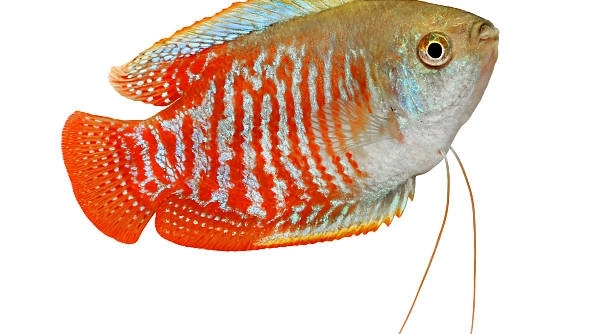
Giant Gouramis are striking freshwater fish that require proper care and attention. Their size and unique behaviors make them fascinating to observe, but their health relies heavily on consistent and balanced feeding routines.
Underfeeding a Giant Gourami can lead to stunted growth, weakened immunity, and behavioral changes. Insufficient nutrition affects organ development and energy levels, making the fish more susceptible to disease and reducing overall lifespan, ultimately compromising their health and well-being.
Maintaining a balanced feeding schedule is essential for these fish to thrive and stay healthy in their aquatic environment.
Signs Your Giant Gourami Is Not Getting Enough Food
When a Giant Gourami is underfed, its behavior and appearance can change noticeably. You may see the fish become less active, spending more time near the bottom of the tank. Its coloration may fade, and fins might appear thinner or frayed. Over time, weight loss becomes more obvious, and the fish may avoid swimming for long distances. Appetite changes are also a key indicator. Even when offered food, an underfed Gourami might eat slowly or seem disinterested. Other subtle signs include slower growth rates in younger fish and weaker responses to stimuli. Monitoring these changes daily can help prevent long-term health issues. It is also important to observe interactions with other tank mates, as underfed Gouramis may become more aggressive when competing for limited food. Recognizing these signs early ensures timely adjustments in feeding routines.
Consistent observation is essential. Noticing slight changes can prevent serious health complications.
Underfeeding impacts both physical and behavioral aspects of a Giant Gourami. Nutrient deficiencies weaken muscles, reduce energy levels, and make them more prone to infections. Stress from insufficient food can trigger erratic swimming patterns or increased hiding. Over time, underfed Gouramis may develop deformities or stunted growth. Adjusting feeding amounts and providing varied, protein-rich diets can restore vitality. It is also useful to supplement with vegetables and high-quality pellets to meet dietary needs. Careful attention to portion sizes and frequency ensures the fish maintains optimal weight and health.
Correct Feeding Practices for Giant Gouramis
Feeding on a regular schedule is key to preventing nutritional deficiencies. Consistency maintains their health and growth.
A balanced feeding routine involves offering high-protein pellets, occasional live or frozen foods, and vegetables. Adult Gouramis generally thrive on feeding once or twice daily, while juveniles require more frequent meals. Overfeeding should be avoided, as leftover food can pollute the tank and lead to health problems. Monitoring portion sizes based on the fish’s size and activity level ensures they receive adequate nutrition without waste. Adjustments may be needed seasonally, as metabolism can change with water temperature. Using feeding tools like small scoops or tongs helps control portions. Observing the fish during feeding times provides insight into appetite and overall health. Proper feeding also encourages natural behaviors, such as foraging and exploring, which contribute to mental stimulation and well-being. Implementing these practices fosters a thriving, vibrant Giant Gourami in your aquarium.
Long-Term Effects of Underfeeding
Chronic underfeeding can stunt growth, weaken immunity, and reduce lifespan in Giant Gouramis. Over time, the fish may develop deformities and struggle to compete for resources. Regular observation is crucial to catch these issues before they become permanent.
Extended periods of insufficient nutrition impact muscle development and energy levels. The fish may appear lethargic and show slow responses to stimuli. Internal organs may not function optimally, increasing susceptibility to infections. Behavioral changes, including hiding or aggression toward tank mates, are common. Juveniles are especially vulnerable, as inadequate food during early growth stages can have lifelong consequences. Adjusting diet and feeding frequency promptly helps mitigate these effects and restore vitality.
Even when corrected, the impact of prolonged underfeeding may linger. Restoring health requires careful monitoring, a balanced diet, and gradual reintroduction of nutrients. Consistency in feeding schedules ensures recovery and reduces stress. Environmental enrichment and varied diet further support physical and mental well-being, helping the fish regain strength and normal behavior patterns.
Balancing Diet and Feeding Frequency
Proper portioning and variety are essential for a healthy Giant Gourami. Overfeeding can be as harmful as underfeeding, so balance is key.
A complete diet should include high-quality pellets, occasional live or frozen foods, and fresh vegetables. Feeding once or twice daily is sufficient for adults, while younger fish may need more frequent meals. Observing appetite and adjusting portions prevents leftover food, which can compromise water quality and health. Seasonal adjustments may be necessary as metabolism shifts with temperature changes. Encouraging natural foraging behavior through varied feeding methods improves mental stimulation. Monitoring the fish’s condition and growth ensures nutritional needs are met consistently, supporting long-term health and vitality.
Adjusting Feeding Amounts
Feeding too little can harm a Giant Gourami, but too much creates water quality issues. Finding the right portion is crucial for health and growth.
Portion control depends on the fish’s size and age. Younger fish need smaller, more frequent meals, while adults require larger, less frequent feedings. Monitoring how quickly food is consumed helps determine the proper amount, preventing both underfeeding and overfeeding.
Nutritional Supplements
Adding supplements like vitamins or minerals can support overall health, especially if the diet lacks variety. These help strengthen immunity and promote proper growth.
Monitoring Growth and Health
Regularly weighing and measuring the fish ensures it grows at a healthy rate. Observing physical condition and behavior helps detect early signs of nutritional problems. Consistent monitoring supports adjustments to diet and feeding routines, preventing long-term health issues.
FAQ
What are the main signs that my Giant Gourami is underfed?
Lethargy, faded coloration, and slow swimming are common indicators. The fish may spend more time at the bottom of the tank and show reduced interest in food. Thin fins, weight loss, and stunted growth are also signs to watch closely.
How often should I feed an adult Giant Gourami?
Adults typically need one to two meals per day. The portions should be moderate, enough to finish within a few minutes. Overfeeding can harm water quality, while underfeeding affects growth and immunity, so balancing portions is essential.
How do feeding needs differ for juvenile Gouramis?
Juvenile Giant Gouramis require smaller, more frequent meals. Their metabolism is higher, and consistent feeding supports proper growth. Skipping meals at this stage can cause stunted growth and developmental issues that may persist into adulthood.
Can underfeeding affect behavior?
Yes, underfed Gouramis may become more aggressive when competing for food. They may hide more, show reduced swimming activity, or display erratic movements. Stress from inadequate nutrition can also make them more prone to disease.
What types of food are best for a balanced diet?
High-quality pellets, supplemented with live or frozen foods and fresh vegetables, provide essential nutrients. A varied diet ensures proper protein intake, vitamins, and minerals. Occasional supplementation with vitamins can also support immune health.
Is it possible to recover from long-term underfeeding?
Recovery is possible with careful diet adjustments and proper portioning. Gradually increasing food intake and providing a balanced diet helps restore weight, strength, and coloration. Consistency in feeding and monitoring progress is key to full recovery.
How can I prevent overfeeding while ensuring enough nutrition?
Feed moderate portions based on size and age, and observe how quickly the fish consumes the food. Using feeding tools like small scoops or tongs can help control amounts. Regular monitoring of behavior, growth, and water quality ensures proper nutrition without excess.
Are there risks if I feed only pellets or only vegetables?
Yes, an unbalanced diet can cause deficiencies. Pellets alone may lack certain vitamins, while vegetables alone may not provide enough protein. Combining both types of food ensures proper growth, immunity, and overall health.
How does water quality affect feeding and health?
Poor water quality can reduce appetite and stress the fish, making them more vulnerable to illness. Uneaten food decomposes and increases toxins. Maintaining clean water supports digestion, encourages healthy feeding behavior, and promotes overall well-being.
Can supplements replace proper feeding?
Supplements support health but cannot replace regular feeding. They are most effective when paired with a balanced diet, providing additional vitamins or minerals that may be missing. Overreliance on supplements without proper nutrition can still result in poor growth or health issues.
How can I adjust feeding during seasonal changes?
Metabolism may slow in cooler water and increase in warmer water. Adjust meal frequency and portion size accordingly. Observing appetite and activity levels helps fine-tune feeding to match seasonal changes without causing overfeeding or underfeeding.
What is the best way to introduce new foods?
Introduce new foods gradually, mixing them with familiar pellets. Monitor the fish for acceptance and any digestive issues. Slowly increasing variety encourages a balanced diet while minimizing stress or rejection of new items.
How long can a Giant Gourami survive without food?
While they can survive a short period without food, prolonged underfeeding leads to severe health consequences. Young fish are particularly vulnerable. Ensuring consistent feeding schedules is critical to maintaining their health and growth.
How do I know if my feeding routine is effective?
Healthy weight, vibrant coloration, active swimming, and consistent growth indicate an effective feeding routine. Regular monitoring and adjustments based on behavior and size ensure the diet meets all nutritional needs.
Can underfeeding affect breeding?
Yes, underfed Gouramis may experience reduced fertility or fail to spawn. Proper nutrition is essential for reproductive health, egg production, and the viability of offspring. Adequate feeding before and during breeding periods supports successful reproduction.
What should I do if I notice early signs of underfeeding?
Increase meal frequency or portion size gradually. Introduce varied foods and monitor the fish’s behavior and health. Maintaining clean water and minimizing stressors also helps recovery and prevents long-term health issues.
Are there differences between species in feeding requirements?
Yes, even within the Gourami family, species may have slightly different dietary needs. Giant Gouramis require higher protein intake due to size, while smaller species may thrive on less frequent or smaller meals. Researching species-specific needs ensures proper care.
How can I track progress after correcting underfeeding?
Use regular measurements, observe swimming activity, coloration, and weight. Documenting growth and behavior helps confirm improvements and ensures dietary adjustments are effective. Tracking progress ensures long-term health and prevents recurring nutritional problems.
What common mistakes lead to underfeeding?
Feeding too little, skipping meals, or relying solely on pellets without variety are common mistakes. Misjudging portion sizes or ignoring signs of appetite changes also contributes. Observing the fish and adjusting feeding accordingly prevents these errors.
How does stress interact with underfeeding?
Stress from tank changes, aggressive tank mates, or poor water quality can worsen the effects of underfeeding. A stressed, underfed Gourami may eat less, weaken immunity, and become more prone to disease, making early intervention critical.
Can underfeeding affect lifespan?
Yes, long-term underfeeding reduces lifespan by weakening immunity, slowing growth, and increasing vulnerability to disease. Proper nutrition and consistent feeding are essential to maximize longevity and ensure a healthy, active life.
Giant Gouramis are remarkable fish that demand careful attention to their feeding needs. Proper nutrition is essential for their growth, overall health, and well-being. Underfeeding can lead to stunted growth, weakened immunity, and behavioral changes that affect daily activity. Even small inconsistencies in diet can create long-term problems, especially for younger fish still developing. Observing their behavior, coloration, and appetite daily provides valuable insight into whether they are receiving adequate nutrition. Simple steps, like monitoring portion sizes and feeding schedules, can prevent most issues before they become serious. Ensuring a balanced diet, combining pellets, live or frozen foods, and vegetables, supports not only physical health but also mental stimulation, as varied foods encourage natural foraging behavior and exploration.
Adjusting feeding routines based on age, size, and environmental conditions is another key factor in maintaining a healthy Giant Gourami. Juveniles require smaller, more frequent meals to support rapid growth, while adults benefit from moderate portions once or twice daily. Seasonal changes can also influence appetite and metabolism, making slight adjustments necessary to match the fish’s energy needs. Overfeeding should be avoided, as uneaten food can quickly pollute the tank and introduce harmful bacteria, while underfeeding can create nutrient deficiencies and stress. Careful observation allows for timely corrections, ensuring that the fish remains active and grows at a healthy rate. Supplements can be used to support specific nutritional gaps, but they cannot replace a balanced, consistent feeding plan. Clean water, minimal stress, and attention to environmental conditions work together with proper nutrition to ensure long-term health and vitality.
Maintaining a Giant Gourami in optimal health requires dedication, observation, and a structured feeding approach. By consistently monitoring their behavior, growth, and physical condition, any signs of nutritional issues can be addressed quickly. Recovery from periods of underfeeding is possible with gradual adjustments and a varied diet, but prevention is always easier than correction. Balanced feeding routines not only support physical development but also promote normal behaviors and activity levels, which are essential for the fish’s overall well-being. Investing time and effort into proper feeding practices ensures that these fish can live long, healthy, and active lives. Paying attention to the smallest details, from portion sizes to water quality, makes a significant difference in sustaining their health. A well-fed Giant Gourami will exhibit vibrant colors, strong immunity, and energetic behavior, reflecting the effectiveness of a proper feeding strategy. By prioritizing consistent, balanced nutrition, it is possible to avoid the common pitfalls of underfeeding and provide an environment where these fish can thrive fully, demonstrating their natural vitality and resilience.

Hello,
If you enjoy the content that we create, please consider saying a "Thank You!" by leaving a tip.
Every little bit helps us continue crafting quality advice that supports the health, happiness, and well-being of pets around the world, for pets of all shapes, sizes, and species.
We really appreciate the kindness and support that you show us!