
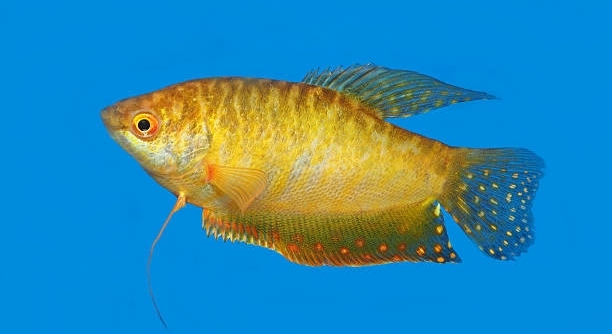
Have you ever noticed your gourami swimming near the surface more than usual or acting restless in its tank? These small changes can indicate that something in their environment is not quite right, especially temperature.
Gouramis become stressed when water temperatures exceed their preferred range, typically above 82°F (28°C). Signs include rapid gill movement, lethargy, clamped fins, and decreased appetite. Maintaining consistent, moderate temperatures is essential for their health and wellbeing.
Knowing how to monitor and adjust tank conditions can prevent long-term health issues and ensure your gourami remains active and comfortable in its environment.
Recognizing Signs of Overheating
When your gourami is too warm, its behavior changes in noticeable ways. You might see it lingering near the water surface or gasping for air more often. The fins may appear clamped or frayed, and it may stop eating as much as usual. Some gouramis become unusually lethargic, resting at the bottom of the tank for long periods. In addition to behavioral changes, physical symptoms like faded color or bloating can appear. These signs often develop gradually, so careful daily observation helps catch problems early. Temperature fluctuations, poor water circulation, and direct sunlight on the tank can all contribute to the water becoming too warm. Ensuring the aquarium is properly filtered and shaded helps reduce stress. Using a reliable thermometer and maintaining consistent readings is essential. Monitoring closely allows you to make adjustments before the heat causes serious health issues, keeping your gourami active and healthy.
Consistent observation is key to catching subtle signs of overheating early, preventing more serious health problems for your gourami.
Adjusting tank temperature gradually and ensuring proper aeration can help gouramis recover quickly. Avoid sudden cooling or heating, as rapid changes can further stress the fish. Small changes, like moving the tank away from sunlight or adding floating plants, create shade and help regulate the water temperature. Fans or cooling systems can also be used in warmer climates. Remember that gouramis are sensitive to both temperature and water quality, so testing for ammonia, nitrites, and nitrates alongside temperature checks provides a complete picture. Feeding smaller meals and avoiding overfeeding during warmer periods helps reduce stress and keeps the water cleaner. Over time, consistent care will allow your gourami to regain normal behavior and maintain its bright colors. Understanding its needs and observing responses ensures a healthier, more comfortable environment.
Preventing Overheating in Your Aquarium
Simple steps can make a big difference in keeping water at a safe temperature for gouramis.
Proper tank placement, consistent monitoring, and gradual temperature adjustments are essential to prevent overheating. Avoid placing the tank near windows or heat sources, as direct sunlight can raise water temperature quickly. Using a thermometer helps track subtle changes, allowing small corrections before problems arise. Water circulation and aeration are equally important, keeping oxygen levels steady. Floating plants or decorations provide shaded areas for the fish to retreat to if the water warms temporarily. In warmer climates, consider a fan or aquarium cooling system to maintain a stable environment. Regular water changes with slightly cooler water help maintain balance without shocking the fish. Monitoring behavior daily ensures early detection of stress signs. Following these steps consistently supports the long-term health and comfort of your gourami, reducing the risk of overheating and related health issues.
Adjusting Water Temperature Safely
Lowering the water temperature slowly is important to avoid shocking your gourami. A drop of one degree per hour is generally safe, and monitoring the thermometer helps ensure gradual adjustment.
Use a reliable aquarium heater or chiller to maintain the ideal range between 75°F and 82°F (24°C–28°C). Avoid sudden changes, as rapid cooling or heating can cause stress, reduce immunity, and even lead to illness. If using tap water for adjustments, make sure it is dechlorinated and at a similar pH to the tank. Combining temperature control with good aeration and water circulation ensures a stable, healthy environment. Gradual, consistent adjustments are the best way to keep your gourami comfortable without risking shock or other health issues.
Small measures like adding floating plants or partial shade can support temperature control. Fans or air pumps increase evaporation slightly, helping cool the water naturally without sudden shifts.
Monitoring and Maintaining Tank Conditions
Regularly checking temperature, water quality, and behavior prevents overheating from becoming a serious issue. Consistent observation allows early detection of stress signs and ensures the tank remains safe.
Testing water parameters weekly is crucial, focusing on temperature, pH, ammonia, nitrites, and nitrates. Keeping the tank clean with partial water changes reduces stress and prevents additional health problems. Observe the gourami’s activity levels, eating habits, and coloration daily. Adjust filtration, aeration, or tank placement as needed to maintain optimal conditions. Simple routines like checking the thermometer twice a day and noting any unusual behavior help catch problems early. Combining these steps with preventive measures, such as shading the tank or adding floating plants, creates a more stable environment. Regular attention supports your gourami’s health, comfort, and longevity, reducing the risk of temperature-related stress and illness.
Using Fans and Cooling Systems
Fans help lower water temperature through evaporation, creating a cooler environment for your gourami. Position the fan above the tank, aiming for gentle airflow across the surface.
Chillers provide precise temperature control, especially in warmer climates. They maintain stable water conditions without stressing the fish, making them useful for sensitive gourami species.
Importance of Oxygen Levels
Warm water holds less oxygen, which can stress your gourami. Increasing aeration with air stones or filters helps maintain proper oxygen levels. Proper water movement ensures oxygen reaches all areas of the tank, keeping the fish comfortable and reducing signs of overheating.
Adjusting Feeding During Warm Periods
Feeding smaller portions during hot weather prevents water pollution and reduces stress on your gourami. Overfeeding can worsen low oxygen levels, so adjusting meal sizes helps maintain both fish health and tank stability.
FAQ
How do I know if my gourami is too warm?
Signs of overheating include rapid gill movement, staying near the water surface, clamped fins, faded color, and reduced appetite. Lethargy or unusual hiding at the bottom of the tank can also indicate stress caused by high water temperatures. Daily observation helps catch these signs early.
What is the ideal water temperature for gouramis?
Gouramis thrive in water between 75°F and 82°F (24°C–28°C). Maintaining a consistent temperature within this range reduces stress and supports healthy behavior, proper feeding, and vibrant coloration. Sudden deviations above or below this range can lead to illness or weakened immunity.
Can sudden temperature changes harm my gourami?
Yes, rapid changes can shock the fish, causing stress, weakened immunity, and even death in severe cases. Gradual adjustments of one degree per hour or slower are recommended when correcting temperature issues. Avoid abrupt changes in both heating and cooling.
How can I lower tank temperature safely?
Gradual methods work best. Using fans, adding floating plants for shade, or partial water changes with slightly cooler, dechlorinated water can reduce temperature without shocking the fish. Chillers provide precise control, especially in warmer climates. Always monitor the thermometer closely during adjustments.
Do gouramis need more oxygen when the water is warm?
Yes, warmer water holds less oxygen. Increasing aeration through air stones, filters, or gentle water circulation ensures oxygen reaches all parts of the tank. Monitoring behavior for signs of oxygen stress, such as gasping at the surface, is important.
Is it necessary to adjust feeding in warm water?
Yes, overfeeding during hot periods can increase waste and lower oxygen levels. Providing smaller, more frequent meals helps reduce stress, keeps the water cleaner, and supports your gourami’s digestion and health during warmer conditions.
Can tank placement affect water temperature?
Absolutely. Placing the tank near windows, heaters, or direct sunlight can raise water temperature quickly. Choosing a stable, shaded location and monitoring for hot spots helps maintain a safe environment for gouramis and prevents overheating.
Are floating plants helpful in warm water?
Yes, floating plants provide shade and help lower surface water temperature slightly. They create cooler areas for gouramis to retreat to, reducing stress and supporting overall tank stability. Plants also improve oxygen levels and natural filtration.
What equipment is essential for preventing overheating?
A reliable thermometer is crucial to monitor temperature. Fans, chillers, and proper filtration with good water circulation help maintain stable conditions. Regular observation and testing of water parameters complete a proactive approach to preventing overheating and keeping your gourami healthy.
How often should I check water temperature?
Daily checks are recommended, ideally at consistent times. Monitoring in the morning and evening ensures early detection of fluctuations, allowing gradual adjustments before your gourami shows signs of stress or overheating. Consistency is key to long-term health.
Can overheating affect long-term health?
Yes, prolonged high temperatures can weaken the immune system, reduce lifespan, and increase susceptibility to disease. Consistent care, monitoring, and preventive measures protect your gourami and help maintain its energy, color, and overall wellbeing.
What are immediate steps if my gourami shows overheating signs?
Move the tank away from direct heat or sunlight, increase aeration, and consider partial water changes with slightly cooler water. Using a fan or chiller can help stabilize the temperature. Observe behavior closely and make gradual adjustments to avoid further stress.
Is it normal for gouramis to swim near the surface?
Occasional surface swimming is normal, but persistent staying near the surface often indicates low oxygen or high water temperature. Ensuring proper aeration, water movement, and temperature control helps prevent stress-related behaviors.
Can multiple gouramis in one tank affect temperature stress?
Yes, more fish generate heat and consume oxygen, increasing the risk of overheating. Adequate tank size, aeration, and shading become more critical with multiple gouramis to maintain a comfortable, stable environment.
Are there signs of permanent damage from overheating?
Severe or prolonged overheating can cause organ stress, color fading, and weakened immunity. While some effects are reversible with proper care, chronic exposure may shorten lifespan and lead to recurring health issues. Monitoring and prevention are essential.
How can I combine preventive measures effectively?
Using a combination of proper tank placement, consistent temperature monitoring, aeration, shading with plants, and careful feeding ensures a balanced environment. Preventive strategies reduce stress, maintain oxygen levels, and protect gouramis from long-term harm caused by high temperatures.
What role does water quality play in temperature stress?
Poor water quality amplifies the effects of high temperatures. Ammonia, nitrites, and nitrates can rise quickly in warm water, increasing stress. Regular testing, partial water changes, and filtration help maintain stable conditions and reduce the combined impact of heat and pollutants.
Are certain gourami species more sensitive to heat?
Yes, smaller or dwarf species often tolerate less temperature fluctuation than larger gouramis. Knowing your specific species’ preferred range allows more precise care, reducing the likelihood of stress or illness caused by overheating.
How long does it take for a gourami to recover from mild overheating?
Recovery can take a few days to a week if temperature is corrected gradually and oxygen levels are adequate. Observing eating habits, activity levels, and coloration helps determine if the fish is returning to normal. Consistent monitoring ensures full recovery.
Can overcrowding make overheating worse?
Overcrowding increases water temperature, reduces oxygen, and creates stress. Ensuring proper tank size, aeration, and monitoring for behavioral signs is necessary to prevent overheating and maintain healthy social dynamics among gouramis.
Are visual signs reliable for detecting overheating?
Yes, behavior like surface swimming, clamped fins, and faded color are strong indicators. Pairing visual observation with temperature monitoring and water testing gives the most accurate understanding of your gourami’s condition.
How often should I perform partial water changes in warm periods?
Weekly partial water changes are recommended, using slightly cooler, dechlorinated water. This reduces waste buildup, stabilizes temperature, and maintains oxygen levels, helping prevent stress caused by overheating and poor water quality.
Is it safe to use ice packs to cool the tank?
No, placing ice directly in the tank can shock the fish. Gradual cooling methods like fans, chiller systems, or slow water replacement with cooler water are much safer and prevent stress or injury.
Can diet influence heat tolerance?
A light, balanced diet supports health during warm periods. Avoid overfeeding, as decomposing food reduces oxygen and increases stress. Small, frequent meals are preferable to maintain energy without worsening tank conditions.
What should I do if signs persist despite temperature control?
If stress signs continue, review water quality, oxygen levels, and tank placement. Consider consulting an aquatic veterinarian for advice, as persistent symptoms may indicate other underlying health issues beyond temperature stress.
How do plants affect water temperature long-term?
Plants provide shade and absorb some heat, helping maintain cooler microenvironments. Over time, they stabilize the tank, improve oxygenation, and contribute to natural filtration, reducing the combined stress from heat and poor water quality.
Are there tools to automate temperature monitoring?
Yes, digital aquarium thermometers with alerts or automated chillers can maintain precise temperatures. Automation ensures consistent care, reducing the risk of human error and sudden temperature fluctuations that stress gouramis.
Does lighting impact water temperature?
Strong lighting can increase water temperature, especially in small tanks or those near windows. Using timers, dimmers, or positioning lights away from sensitive areas helps maintain stable temperatures and reduces overheating risks.
Can gouramis adapt to slightly higher temperatures?
They may tolerate brief periods slightly above their preferred range, but prolonged exposure causes stress and health problems. Maintaining the recommended temperature range consistently is the safest approach to ensure long-term wellbeing.
How can I make tank maintenance easier during hot months?
Regular cleaning, partial water changes, and checking temperature twice daily simplify management. Combining preventive measures like shading, aeration, and small feeding portions reduces stress and keeps your gourami healthy with minimal effort.
Are stress signs reversible if corrected early?
Yes, mild to moderate stress caused by high temperatures can be reversed with consistent care. Observing behavior, adjusting temperature gradually, and maintaining oxygen levels helps gouramis recover fully when issues are addressed promptly.
What’s the best way to prepare for seasonal temperature changes?
Plan ahead by monitoring trends in ambient temperature, using heaters, chillers, or fans as needed, and adjusting tank placement. Preventive measures reduce stress and keep gouramis healthy throughout seasonal fluctuations.
How important is consistent observation compared to equipment?
Equipment like thermometers and chillers is essential, but consistent daily observation is equally important. Behavioral changes often appear before measurable water changes, allowing earlier interventions to prevent overheating and related health problems.
Can stress from heat make gouramis more prone to disease?
Yes, prolonged heat stress weakens the immune system, making gouramis more susceptible to infections, parasites, and fungal growth. Maintaining stable temperatures and good water quality reduces the risk of secondary health issues.
Are all gourami tanks affected the same way by heat?
Tank size, number of fish, filtration, and sunlight exposure all influence temperature fluctuations. Smaller or overcrowded tanks heat faster, making preventive measures like shading, aeration, and careful monitoring more critical in these setups.
Do hiding spots help with temperature stress?
Yes, caves, plants, and decorations provide cooler, shaded areas. Gouramis can retreat to these spots to reduce stress, maintain comfort, and regulate body temperature naturally within the tank environment.
How long can gouramis tolerate slightly high temperatures?
Short periods of mild overheating are usually tolerated, but prolonged exposure above 82°F (28°C) increases stress and risks. Consistent care and monitoring are essential to prevent chronic health issues.
What combination of strategies works best for prevention?
Shaded tank placement, regular temperature checks, aeration, partial water changes, controlled feeding, and use of fans or chillers together create a stable environment. Combining these measures reduces stress, maintains oxygen, and ensures your gourami stays healthy even during warm periods.
How do I know if my gourami fully recovered from heat stress?
Normal swimming patterns, appetite, and vibrant coloration indicate recovery. Observing behavior over several days ensures the fish is comfortable, active, and not showing lingering signs of stress from previous overheating.
Can multiple preventive steps reduce long-term health risks?
Yes, combining temperature control, aeration, water quality management, and proper feeding creates an environment where gouramis are less likely to experience chronic stress, illness, or shortened lifespan due to overheating.
What’s the simplest daily routine for monitoring?
Check the thermometer, observe behavior, and ensure aeration and water quality are stable. Small, consistent actions prevent problems before they become serious and help maintain a comfortable, healthy environment for your gourami.
How important is patience when correcting temperature issues?
Very important. Gradual adjustments prevent shock, reduce stress, and support full recovery. Rushing changes or using extreme methods can worsen health issues, so patience ensures safe and effective temperature management.
Do tank decorations influence heat distribution?
Yes, decorations and plants create shaded areas and help water circulate more evenly. This can prevent hot spots, giving gouramis options to regulate their comfort naturally within the tank.
How can I prevent recurring temperature stress?
Consistent monitoring, proper tank placement, preventive shading, aeration, and careful feeding help maintain stable conditions. Establishing routines ensures your gourami remains comfortable and reduces the risk of repeated overheating episodes.
Are there early warning signs before serious heat stress occurs?
Yes, subtle changes like slightly faster gill movement, mild lethargy, or small changes in color often appear first. Detecting these early allows corrective actions before severe stress develops.
Is it worth investing in high-quality equipment for temperature control?
Absolutely. Reliable thermometers, chillers, and aeration systems provide precise and consistent management. Investing in quality equipment reduces human error, ensures stable conditions, and helps protect your gourami’s long-term health.
Can seasonal climate changes affect indoor tanks significantly?
Yes, ambient temperature fluctuations during hot months can raise water temperature, even indoors. Adjusting equipment, shading, and monitoring ensures indoor tanks remain stable regardless of external conditions.
What’s the most common mistake leading to overheating?
Placing tanks in direct sunlight, overfeeding, and neglecting aeration are frequent causes. Regular observation and preventive measures prevent these common issues from affecting your gourami’s health.
How do I balance temperature control with overall tank care?
Temperature management works best alongside regular water changes, filtration maintenance, aeration, and monitoring behavior. Combining these practices ensures a healthy, stable environment for your gourami.
Are gouramis more sensitive to heat than other tropical fish?
Some species are more sensitive due to size, metabolism, or habitat preferences. Understanding your specific gourami species’ needs helps prevent overheating and ensures proper care compared to other tropical fish.
How can I track recovery progress effectively?
Note daily behavior, appetite, color, and activity levels. Comparing observations over several days provides a clear picture of recovery and identifies any lingering stress symptoms requiring further attention.
Is it safe to combine cooling methods?
Yes, combining fans, partial water changes, shading, and chillers can safely maintain temperature. Ensure adjustments are gradual to avoid stress, and monitor behavior closely to confirm effectiveness.
How does water depth influence temperature fluctuations?
Shallow tanks heat faster than deep tanks. Using shading, aeration, and careful monitoring is especially important in shallower setups to maintain stable temperatures and prevent overheating.
Are there behavioral signs that indicate temperature is now safe?
Normal swimming patterns, regular feeding, vibrant coloration, and relaxed fins indicate that the tank temperature is within a comfortable range and your gourami is no longer stressed.
How long should I continue monitoring after a heat episode?
Continue daily checks for at least a week after correcting temperature. This ensures the gourami fully recovers, and any delayed stress or behavioral changes are detected early.
Can long-term high temperatures affect breeding?
Yes, prolonged heat stress can reduce fertility and affect spawning behavior. Maintaining stable, ideal temperatures supports healthy reproduction in gouramis.
What’s the key takeaway for preventing overheating?
Consistent monitoring, gradual adjustments, aeration, shading, and proper feeding form the foundation of a stable, healthy environment. Combining these steps keeps gouramis comfortable and reduces the risk of temperature-related stress and health issues.
How often should I inspect equipment during hot months?
Daily checks of thermometers, filters, and aeration devices ensure they function properly. Early detection of malfunctions prevents sudden overheating and helps maintain a safe, stable environment for your gourami.
Does the tank size influence how quickly it heats?
Yes, smaller tanks heat faster and cool faster. Larger tanks have more thermal stability. Understanding this helps adjust monitoring and preventive measures according to tank volume.
Are there signs that my gourami prefers cooler areas in the tank?
Spending more time under floating plants, near shaded areas, or away from heaters indicates a preference for cooler water. Providing these options reduces stress and helps regulate temperature naturally.
Can water additives help during heat stress?
Certain stress-reducing additives improve immunity and support recovery, but they do not replace proper temperature control. Combine additives with environmental adjustments for effective management.
What is the most reliable way to maintain stable temperature long-term?
Consistent monitoring, quality equipment, shading, aeration, and careful placement create a stable tank. Routine observation and preventive care ensure gouramis remain healthy and comfortable throughout seasonal changes.
How can I teach myself to notice subtle stress signs?
Daily observation and comparing behavior over time helps you detect minor changes. Documenting activity, appetite, and coloration makes it easier to identify stress from temperature before it becomes severe.
Are there environmental factors outside the tank that matter?
Yes, room temperature, direct sunlight, heating vents, and seasonal climate changes influence tank water. Accounting for these factors helps prevent sudden temperature spikes that can stress gouramis.
What combination of signs indicates serious overheating?
Rapid gill movement, staying at the surface, clamped fins, faded color, lethargy, and reduced appetite together indicate significant stress. Immediate corrective action is necessary to prevent long-term health issues or death.
How important is routine compared to emergency measures?
Routine care, consistent monitoring, and preventive adjustments are far more effective than reacting to emergencies. Establishing stable practices reduces stress, prevents overheating, and keeps gouramis healthy over time.
Can multiple gouramis in one tank tolerate the same temperature range?
Generally, yes, but individual stress tolerance may vary. Providing ample space, aeration, and shaded areas ensures all fish remain comfortable without overheating.
Are there signs of irreversible damage from repeated heat stress?
Chronic exposure may cause permanent organ damage, reduced immunity, and shortened lifespan. Prevention and early intervention are the most effective ways to avoid long-term harm.
Does adding a heater during winter affect heat sensitivity in summer?
Proper seasonal management ensures the heater maintains minimum temperatures in winter without affecting summer heat stress. Monitoring and adjustments prevent seasonal fluctuations from harming your gourami.
What role does consistent feeding play in heat management?
Small, regular meals prevent excess waste, maintain energy, and reduce oxygen depletion. Feeding adjustments during warm periods help the gourami cope with temperature-related stress more effectively.
How do I ensure equipment redundancy is effective?
Having backup thermometers, air pumps, or chillers ensures stability if one fails. Redundancy reduces the risk of sudden overheating and protects the gourami from stress or health complications.
Is it normal for gouramis to hide more in warm water?
Yes, hiding behavior often indicates discomfort. Providing shaded areas and monitoring temperature helps them feel safe while maintaining comfort and reducing stress during warmer periods.
What’s the simplest approach to prevent recurring overheating?
Combine monitoring, shading, aeration, water changes, and careful feeding. Keeping routines consistent and adjusting equipment gradually ensures a stable, safe environment for your gourami over time.
Can gouramis recover fully from repeated minor heat stress?
Yes, if corrective measures are applied promptly, fish can recover from mild stress. However, repeated episodes may reduce long-term resilience, so prevention is key.
How do I balance comfort for multiple gouramis in the same tank?
Provide shaded areas, proper aeration, and space for all fish. Monitor behavior individually to ensure none show signs of heat stress, adjusting tank conditions as needed to maintain comfort for all.
Is there a maximum temperature gouramis can tolerate for short periods?
Brief exposure up to 84°F (29°C) may be tolerated, but anything above this increases risk of stress. Always aim to stay within the recommended 75°F–82°F (24°C–28°C) range.
Are there natural signs in the tank indicating overheating?
Increased surface activity, frequent gasping, and faded coloration are common visual cues. Observing these alongside temperature readings provides a reliable
Keeping your gourami healthy requires attention to both behavior and the environment. Water temperature plays a key role in their wellbeing. Even small fluctuations can affect how your fish feels, eats, and moves. Observing your gourami daily allows you to notice changes early, such as staying near the surface, clamped fins, or reduced appetite. These signs are often the first indicators that the water may be too warm. Taking action as soon as you see these behaviors can prevent stress from turning into illness. Small adjustments, like moving the tank away from sunlight or increasing aeration, can make a noticeable difference in how your gourami behaves. Consistency in monitoring is more important than occasional checks. It helps you understand your fish’s normal routine and spot problems before they become serious.
Maintaining the proper temperature range is one of the easiest ways to support long-term health. Gouramis do best in water between 75°F and 82°F (24°C–28°C). Using a reliable thermometer ensures that you can track even small changes. Gradual adjustments are always safer than sudden shifts in temperature. Fans, chillers, and shaded areas in the tank can help maintain stable conditions, especially in warmer months. Additionally, ensuring proper water circulation and oxygen levels reduces stress and helps the fish feel more comfortable. When the water is stable and oxygen-rich, your gourami will display normal swimming patterns, regular feeding, and vibrant coloration. Combining temperature control with general tank maintenance, such as regular partial water changes and cleaning the filter, keeps the overall environment healthy. This holistic approach prevents many problems that might otherwise go unnoticed until it is too late.
Feeding habits and tank setup also affect how well your gourami copes with warmer water. Smaller, more frequent meals reduce waste and avoid lowering oxygen levels, which is particularly important during hot periods. Floating plants and decorations create shaded areas, giving your fish the ability to find cooler spots in the tank. Providing these options helps your gourami regulate its comfort without adding stress. It is also important to consider the tank size and the number of fish, as overcrowding can raise water temperature and reduce oxygen availability. By observing your gourami, adjusting environmental factors carefully, and keeping the tank clean, you can reduce the risk of overheating. These steps ensure that your gourami remains active, healthy, and comfortable, allowing you to enjoy a vibrant and thriving fish in your aquarium for years to come.

Hello,
If you enjoy the content that we create, please consider saying a "Thank You!" by leaving a tip.
Every little bit helps us continue crafting quality advice that supports the health, happiness, and well-being of pets around the world, for pets of all shapes, sizes, and species.
We really appreciate the kindness and support that you show us!