
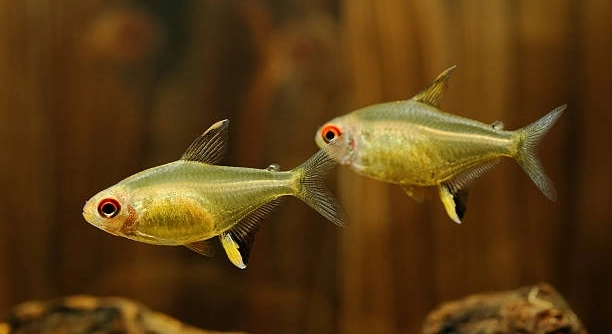
Have you ever kept a small group of lemon tetra in your aquarium and seen them grow stressed and dull over time, creating an unexpected shift in a setting meant to feel calm and balanced.
Keeping too few lemon tetra disrupts their schooling needs, causing persistent stress and social instability that weaken overall health. This imbalance can lead to muted coloration, reduced activity, and greater susceptibility to illness, placing continued strain on their well being.
Learning how group size shapes their comfort and stability offers a view of the steps that support healthier, confident fish.
Why Group Size Matters
Lemon tetra rely on steady social structure, and keeping them in small groups can shape their behavior more than many expect. When their numbers fall too low, they lose the steady signals that guide movement, comfort, and communication. This can make them appear nervous or less confident as they try to adjust without the calm guidance of a full group. You might notice them hiding more often, swimming awkwardly, or spreading out in ways that look unusual for a schooling species. Their colors may fade as tension rises, and they may eat less or interact weakly with the space around them. I have seen small groups behave as if the tank had suddenly become too large, creating a sense of insecurity that lingers throughout their day. A strong group helps them move naturally, conserve energy, and maintain the balance that keeps their interactions gentle, predictable, and steady in their habitat.
A small group can lead to ongoing stress that slowly undermines their comfort and overall stability. By maintaining enough companions, you help them form steady patterns that build confidence, reduce hiding, and keep their colors bright while lowering the risks linked to long term tension and weakened health over time.
Keeping their group large enough supports peaceful interactions and helps them settle smoothly in the aquarium. When their numbers are stable, they move with relaxed coordination that keeps their stress levels manageable. You will see brighter color, steadier swimming, and quicker adjustment to routine changes in the tank. I have noticed that larger groups show gentle curiosity toward their environment, allowing them to react naturally without abrupt shifts in behavior. Their appetite stays consistent, their activity remains balanced, and their overall presence feels more harmonious. Proper group size not only protects their health but also brings a calm rhythm overall.
Recognizing Stress Signals
Lemon tetra often reveal early signs of tension when their group is too small, including jittery movement, pale coloration, or frequent hiding. These shifts appear gradually yet affect their stability, making it important to adjust group size promptly so their behavior can return to a calm and balanced state again.
Supporting healthy behavior in lemon tetra starts with giving them enough companions to create a steady social structure. When their group size meets their natural needs, they interact with smoother patterns that keep stress low and confidence steady. A balanced school encourages synchronized swimming, comfortable pacing, and consistent engagement with their surroundings. This creates a gentle flow within the aquarium that helps every fish navigate the space without fear or confusion. I have seen tanks transform quickly once the group reaches a comfortable number, with fish showing brighter color and more fluid movement throughout the day. Their appetite becomes more reliable, their rest patterns improve, and they respond with calmer reactions during routine maintenance. Stable group size also reduces unnecessary chasing or sudden bursts of movement, giving them a dependable rhythm to follow. When their environment supports these habits, they maintain stronger health and interact in ways that reflect their natural schooling needs. Ensuring enough space, steady filtration, and quiet areas encourages them to settle peacefully. With these elements in place, their group functions smoothly, helping them thrive with consistent energy, balanced behavior, and a sense of comfort that remains steady as long as their basic needs are respected.
Creating a Stable Environment
A stable environment helps lemon tetra feel secure, especially when their group is sized correctly. Consistent lighting, calm surroundings, and steady filtration prevent sudden shifts that can unsettle them, allowing their behavior, color, and appetite to remain steady throughout the day.
Maintaining stability starts with keeping water parameters consistent, since abrupt changes can raise their stress. I pay close attention to temperature, pH, and overall clarity, because even small shifts can influence how confidently they move around the tank. Regular maintenance prevents these fluctuations from building up. A quiet environment also helps them settle, since loud noises or sudden movements can disrupt their calm patterns. Plants, driftwood, and open swimming areas give them structure while still allowing easy navigation. When these elements work together, they support the steady routines that help lemon tetra feel protected and willing to interact comfortably.
Environmental stability also depends on reducing tension within the group. When enough companions are present, they spread their focus evenly, lowering the chances of nervous behavior or misplaced aggression. I have seen how balanced groups occupy the space more naturally, sharing hiding areas and moving gently between open sections. Proper tank size prevents overcrowding and allows each fish to maintain comfortable distance while staying connected to the group. Stable filtration keeps water movement gentle and predictable, helping them glide without resistance. These conditions create a setting where they can develop strong patterns that support their overall well being.
Feeding and Behavior Patterns
Feeding habits change noticeably when lemon tetra feel secure with their group size. Smaller groups often hesitate during feeding, while healthier schools approach food with calm, steady interest that reflects their comfort and overall sense of safety in their habitat.
A balanced group allows them to eat without tension, since they observe each other and follow consistent signals during feeding time. I have noticed that larger groups maintain better appetite and show smoother coordination, which keeps them from darting unpredictably or retreating to corners. Offering small portions multiple times a day prevents waste and helps them stay energetic without overwhelming their space. A mix of quality flake food, small pellets, and occasional frozen treats supports healthy growth while encouraging natural feeding movements. When their group size and environment are aligned, their behavior remains predictable, and their feeding patterns reinforce stable interactions throughout the tank.
Social Dynamics in the Tank
Lemon tetra rely on steady group interactions to feel secure, and their behavior softens when they have enough companions. I have seen them move with gentle coordination, showing smoother patterns that help reduce stress and keep their colors bright throughout the day.
Small groups often struggle to form stable patterns, leading to jittery movement or long periods of hiding. When their numbers are balanced, they communicate more effectively, respond calmly to changes, and maintain clearer social roles that support peaceful coexistence.
Signs of Long Term Effects
Keeping too few lemon tetra for extended periods can gradually weaken their behavior, color, and appetite. I have noticed how prolonged tension makes them more likely to withdraw, eat less, and lose the steady rhythms that keep their interactions smooth and predictable in the tank.
Helping Them Thrive
Providing enough space, stable water conditions, and a comfortably sized group helps lemon tetra build confidence and maintain healthy patterns. Their movement becomes smoother, their color brightens, and their stress levels remain manageable, allowing them to settle comfortably and behave in ways that reflect their natural schooling instincts.
FAQ
How many lemon tetra should I keep together?
Lemon tetra are schooling fish and feel most comfortable in groups of at least six. Smaller groups often show stress, hiding, or irregular swimming. I have observed that when their numbers are low, even routine feeding becomes tense, and their colors fade. A proper group size helps them move naturally and interact confidently, reducing stress and keeping behavior predictable in the tank.
Can keeping too few affect their health?
Yes. Insufficient numbers lead to chronic stress, which can weaken their immune system and make them more prone to disease. I have seen fish in smaller groups develop lethargy, lose appetite, or become more sensitive to minor water fluctuations. Stable social patterns are essential for supporting their long-term physical health and mental well-being.
Will they bond with other fish if I keep too few?
Lemon tetra prefer their own kind for social interaction. While they may swim near other species, they do not form the same patterns or coordination. I have noticed that small groups without enough companions tend to retreat or act nervous, even when other peaceful fish are present, because they lack the cues from their own school.
How quickly do they show stress signs in small groups?
Stress can appear within a few days to weeks. Changes in movement, hiding, and dull coloration are often the first visible signs. I once reduced a group too much and saw them become hesitant to swim openly within a few days, showing clear discomfort that only improved after adding more companions.
Does tank size change the minimum group requirement?
A larger tank does not reduce the need for at least six lemon tetra. Space alone cannot replace the social comfort of a full school. I have found that even in spacious tanks, small groups act unsettled and show uneven swimming patterns. Their confidence comes from consistent interaction, not just room to swim.
What should I do if I can’t get more lemon tetra immediately?
Focus on keeping the environment as calm and stable as possible. I ensure consistent lighting, quiet surroundings, and gentle filtration. Plants and hiding spots help reduce stress temporarily, but these measures cannot replace a proper school. The sooner you can increase the group, the better their behavior and health will stabilize.
Can stress from small groups affect breeding behavior?
Yes. Lemon tetra are less likely to engage in breeding behavior if they feel insecure. I’ve observed that isolated or small groups rarely show courtship or egg-laying behavior, while properly sized schools often maintain natural social rhythms, which encourage healthy interactions and reproduction.
Are there long-term consequences if they remain in small groups?
Chronic stress can cause lasting effects on health, behavior, and lifespan. I’ve seen small groups lose coloration, become less active, and show frequent signs of nervousness. Maintaining a full school prevents these outcomes and supports consistent patterns that reinforce both physical and mental stability over time.
Can I mix lemon tetra with other schooling species if numbers are low?
Other schooling fish cannot fully replace lemon tetra companions. While they may provide some visual movement, the social signals of their own species are crucial. I have noticed that without enough lemon tetra, fish appear restless or withdrawn, regardless of other species in the tank.
How do I know when the group is finally large enough?
A balanced school shows synchronized swimming, even spacing, and relaxed behavior. I pay attention to their appetite, color, and activity levels. When these indicators stabilize and interactions feel natural, it’s a sign that the group size meets their social needs, reducing stress and encouraging healthy routines.
This FAQ reflects the patterns I have observed in multiple setups, emphasizing the importance of maintaining a proper group to support lemon tetra health, behavior, and overall stability in the aquarium.
Final Thoughts
Keeping lemon tetra in a properly sized group is one of the most important steps in ensuring their well-being. These fish are naturally social, and small groups often struggle to maintain stability, leading to stress and unpredictable behavior. I have noticed that even minor changes, like reducing the number of fish in a tank, can quickly affect their confidence and movement. When their social structure is disrupted, they may hide more often, swim in scattered patterns, or lose some of their vibrant coloration. Their appetite can also become inconsistent, and minor environmental changes feel more threatening. By keeping a minimum of six or more lemon tetra, you help them establish a natural rhythm that promotes calm, coordinated swimming and consistent interaction with their surroundings. The difference between a properly sized school and a small group is striking, and the overall mood of the tank improves significantly when they have the right companions.
A stable and balanced environment goes hand in hand with maintaining an appropriate group size. Lemon tetra thrive when water conditions are steady, including consistent temperature, pH, and filtration. Sudden changes, even small ones, can increase stress and affect their natural behavior. Plants, driftwood, and open swimming areas provide structure while allowing freedom to move comfortably. I have found that when their environment supports predictable routines, the fish become more confident and display brighter, healthier colors. Stress reduction is not only about adding more fish; it is also about creating a space where the group can move, feed, and rest without disruption. Combining proper group size with careful attention to their surroundings ensures that lemon tetra feel secure and can exhibit their natural patterns, which ultimately helps prevent disease and behavioral issues over time.
Feeding habits and social behavior are closely linked to the number of companions in the tank. A small group may hesitate during feeding, dart nervously, or compete excessively, which can lead to uneven nutrition and increased tension. When their school is appropriately sized, they follow natural cues, feed calmly, and maintain a steady routine. I have observed how balanced groups move in harmony, share hiding spots comfortably, and show interest in their environment without anxiety. Over time, this stability contributes to their long-term health, encouraging active swimming, bright coloration, and consistent appetite. Maintaining a suitable group also allows them to engage in natural behaviors, including mild courtship and coordinated swimming, which reinforces confidence and reduces stress. Paying attention to both social structure and environmental stability creates a tank where lemon tetra can flourish, behave naturally, and maintain the energy and vibrancy that makes them so appealing. Proper care involves patience, observation, and a commitment to meeting their social and environmental needs consistently.

Hello,
If you enjoy the content that we create, please consider saying a "Thank You!" by leaving a tip.
Every little bit helps us continue crafting quality advice that supports the health, happiness, and well-being of pets around the world, for pets of all shapes, sizes, and species.
We really appreciate the kindness and support that you show us!