
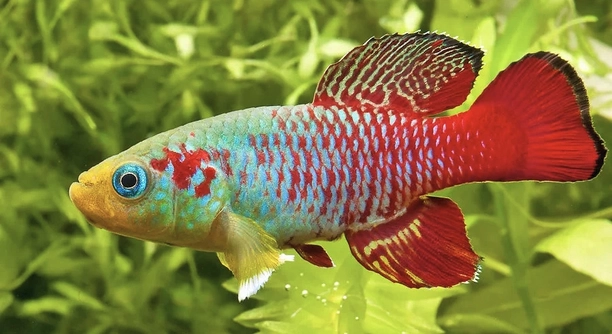
Killi fish are popular pets known for their bright colors and small size. Many fish keepers enjoy watching them swim and breed in home aquariums. Sometimes, these fish can reproduce quickly, leading to unexpected changes in the tank.
Overbreeding in killi fish can cause overcrowding, increased waste, and stress among the fish population. This often results in poorer water quality and higher susceptibility to disease, which may negatively affect the health and survival rates of both adults and fry.
Knowing the effects of overbreeding helps you maintain a balanced and healthy aquarium environment for your killi fish and other aquatic life.
Causes of Overbreeding in Killi Fish
Killi fish are known for their fast reproduction rate, which can be exciting but also overwhelming. When males and females are kept together without control, the fish will breed continuously. This happens because killi fish have short breeding cycles, sometimes spawning every few days. In a small tank, this leads to many baby fish, or fry, appearing quickly. Without space to grow, these fry compete for food and shelter. The lack of separation between adults and fry also causes stress, as some adults may eat the young. Additionally, frequent breeding raises the waste level in the tank, making water quality worse. Poor water conditions then affect all fish, reducing their health and lifespan. Over time, the tank can become crowded, creating an environment where disease spreads more easily. Proper tank management and monitoring breeding behavior are essential to prevent these problems.
Overbreeding often happens due to uncontrolled male-to-female ratios and limited tank space.
Managing the number of breeding pairs and using separate breeding tanks can help maintain healthier populations. This also gives fry a better chance to survive and grow without constant stress from adults.
Effects of Overbreeding on Tank Environment
Too many fish in one tank increase waste, which harms water quality. This can lead to high ammonia and nitrate levels, toxic to fish. Overcrowding also causes stress, making fish more vulnerable to infections and illness. Fry that don’t get enough food may become weak or die. Adult fish may show aggressive behavior when space is tight, further stressing the group. The tank’s filter and cleaning routines become harder to manage with more fish. Without intervention, these issues reduce the overall lifespan of the killi fish and other tank inhabitants.
To avoid these problems, it’s important to limit the number of breeding pairs and remove extra fry regularly.
Regular water changes and tank maintenance become more crucial in a crowded environment. Using breeding traps or separate tanks allows for better control of population growth. By keeping the fish population balanced, you protect the health of your killi fish and maintain a stable, clean aquarium. This also makes caring for your fish more enjoyable and less stressful over time.
Managing Overbreeding in Killi Fish
Controlling breeding means separating males and females when necessary. This prevents constant spawning and overcrowding.
Using breeding tanks or nets helps protect fry from adults and gives you better control over population growth. Removing excess fry early reduces stress on the tank. Regularly checking your fish’s gender ratio helps avoid too many males or females together. You can also limit food amounts to slow down fry survival rates, but be careful not to underfeed adults. Consistent tank cleaning and water changes improve conditions and keep fish healthy. These steps make a big difference in keeping your killi fish tank balanced.
Separating fish and controlling breeding cycles can keep your tank cleaner and healthier overall.
By managing how often your killi fish reproduce, you give each fish a better chance to thrive. Less crowding means less competition for food and space. Fry raised in a separate tank have a higher survival rate. You will also spend less time fighting poor water quality and disease outbreaks. Over time, your aquarium becomes a more peaceful, enjoyable space. Managing breeding takes effort but protects your fish’s health and happiness.
Feeding Considerations for Overbreeding Tanks
Overcrowded tanks need careful feeding to avoid uneaten food that pollutes water. Feeding smaller amounts more often helps reduce waste. High-quality food supports fish health, especially during breeding periods. Adjusting food quantity prevents overfeeding while still nourishing fry and adults. Uneaten food quickly decomposes, increasing toxins. Keeping a close eye on fish behavior during feeding times ensures all fish get their share without leftovers. A balanced diet also boosts fish immunity, reducing disease risk common in crowded tanks. Careful feeding routines contribute to better water quality and healthier fish overall. This simple step is vital in managing an overbreeding situation.
Signs of Overbreeding in Your Tank
Noticeable overcrowding is the first clear sign. Fish may seem cramped and swim nervously.
Another sign is poor water quality, often shown by cloudy water or algae growth. These indicate too many fish producing waste.
How to Prevent Overbreeding Early
Monitoring your tank’s population regularly helps prevent overbreeding. Removing excess fry soon after they hatch is important. Setting up separate breeding tanks for adults can keep numbers under control. Keeping a proper male-to-female ratio limits constant spawning. Early action helps maintain a healthier tank environment.
Importance of Regular Tank Maintenance
Regular water changes and filter cleaning reduce waste buildup. This supports stable water conditions, which lessen stress and disease risks.
Impact of Overbreeding on Fish Behavior
Overcrowding leads to aggression and competition. Fish may fight more and hide frequently.
FAQ
What happens if killi fish overbreed in a small tank?
When killi fish overbreed in a small tank, overcrowding quickly becomes a problem. The tank fills with too many fry, which compete for limited food and space. This leads to increased stress and aggressive behavior among fish. Waste accumulates faster, lowering water quality and increasing toxins like ammonia and nitrate. Poor water conditions cause illnesses and higher mortality rates. Without proper management, the entire population can suffer from weakened health and even collapse.
How can I control the breeding of killi fish?
Controlling breeding starts with managing the male-to-female ratio. Keeping fewer males with females reduces constant spawning. Separating adults into different tanks or using breeding nets prevents fry from being eaten and controls population size. Removing excess fry early on also helps keep numbers manageable. Regular tank maintenance and water changes are essential to reduce stress on the fish and maintain good conditions. Feeding in small, controlled amounts limits food waste and slows fry survival rates.
Is overbreeding harmful to killi fish?
Yes, overbreeding is harmful because it causes overcrowding and poor water quality. Overcrowded tanks lead to increased aggression and stress among fish, weakening their immune systems. The buildup of waste and toxins can cause disease outbreaks. Fry often fail to thrive when there is competition for food and space. These problems decrease the overall health and lifespan of your killi fish, making overbreeding a serious issue to avoid.
What are the signs that my killi fish are overbreeding?
Signs include rapid population growth and crowded swimming areas. You might notice fry hiding or struggling to find food. Water quality may worsen, showing cloudy water or algae blooms. Fish might become more aggressive or display signs of stress, such as erratic swimming or loss of color. Increased illness or sudden deaths can also indicate problems from overbreeding.
Can I keep killi fish in community tanks if they overbreed?
It’s possible but tricky. Overbreeding increases waste and stress, affecting all tank inhabitants. If killi fish produce too many fry, they can compete with other species for food and space. Aggression from crowding can disturb peaceful community fish. Managing breeding and maintaining excellent water quality are critical for success in community tanks with killi fish.
How often should I clean the tank if killi fish are overbreeding?
Cleaning should be more frequent when overbreeding occurs. Weekly water changes of 25-30% help keep toxin levels low. Vacuuming the substrate to remove waste and uneaten food is important. Filter maintenance should be done regularly to ensure it handles the increased bio-load. More frequent cleaning helps prevent disease and keeps the environment stable.
What type of food is best for breeding killi fish?
High-quality, protein-rich foods support breeding fish and growing fry. Live foods like brine shrimp or daphnia are excellent choices, as they encourage natural hunting behavior. Frozen or freeze-dried options can also work well. Feeding smaller portions multiple times a day reduces leftovers and improves water quality. Balanced nutrition helps fry develop strong immune systems and adults maintain health during reproduction.
Can overbreeding cause genetic problems in killi fish?
Yes, overbreeding in a confined space often leads to inbreeding. This reduces genetic diversity and increases the risk of inherited health problems. Fry may develop deformities, weaker immune systems, or reduced fertility. Introducing new fish or using separate breeding groups helps maintain healthier gene pools and stronger populations.
What should I do if my tank is already overcrowded?
Start by removing some fry or adults to reduce population density. Set up a separate breeding or grow-out tank if possible. Increase water changes and filter cleaning to improve water quality. Monitor fish behavior closely for signs of illness or aggression. Adjust feeding routines to avoid overfeeding. Taking these steps quickly can prevent further damage and help your fish recover.
Is it normal for adult killi fish to eat their fry?
Yes, it’s common for adult killi fish to eat fry, especially in crowded tanks. This behavior is natural and can help control population size. Using breeding nets or separate tanks protects fry until they are large enough to avoid predation. Preventing adults from eating fry reduces stress and improves fry survival rates.
Final thoughts on managing killi fish overbreeding focus on keeping a healthy balance in your aquarium. Overbreeding can quickly create problems like overcrowding and poor water quality, which harm both adult fish and fry. It is important to watch the number of fish in your tank and take steps to control breeding before it gets out of hand. Keeping males and females separated when needed and removing extra fry can help maintain a stable environment. A balanced population means less stress for the fish and a cleaner tank overall.
Proper care also includes regular tank maintenance and feeding routines. Overbreeding increases waste, so changing the water often and cleaning the filter are essential to prevent harmful toxin buildup. Feeding smaller amounts more frequently helps reduce leftover food that pollutes the water. Offering quality food supports the health of both adults and fry during breeding. Taking these simple actions makes a big difference in the well-being of your killi fish and the success of your aquarium.
Managing overbreeding requires attention and effort, but it leads to a more enjoyable experience. Watching healthy fish grow and thrive is rewarding when the tank is well cared for. Controlling population size and maintaining good water conditions protects your fish from disease and stress. With the right balance, your killi fish tank can stay peaceful and vibrant. This makes caring for your fish less stressful and more satisfying over time. Overall, keeping overbreeding under control is key to a happy, healthy aquarium.

Hello,
If you enjoy the content that we create, please consider saying a "Thank You!" by leaving a tip.
Every little bit helps us continue crafting quality advice that supports the health, happiness, and well-being of pets around the world, for pets of all shapes, sizes, and species.
We really appreciate the kindness and support that you show us!