
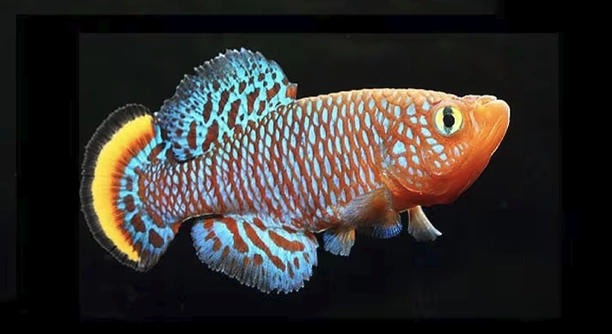
Killi fish are small, colorful fish that many people enjoy keeping in their aquariums. Their behavior during mating is quite interesting and different from other fish. Observing these tiny creatures can reveal surprising details about how they interact.
Killi fish exhibit unique mating behaviors involving courtship displays, territory establishment, and careful egg care. Males often show bright colors and perform specific movements to attract females, while females select safe spots for laying eggs, ensuring higher survival rates.
Learning about these behaviors helps hobbyists create better environments for killi fish breeding. Understanding their natural instincts can improve care and promote healthier fish populations.
Courtship and Mating Rituals
Killi fish have distinct courtship behaviors that start with the males showing off their bright colors and unique movements. This display is meant to catch the attention of females nearby. Males often swim around actively, flaring their fins and sometimes performing quick darting motions. These movements show the male’s health and strength, which helps females decide if he is a good mate. Once a female shows interest, the male guides her to a suitable spot for egg laying. This spot is often a safe and sheltered area among plants or rocks. After the female lays eggs, the male may continue to guard the site to protect the eggs from predators or other fish. This combination of display, selection, and protection is crucial for successful reproduction in killi fish.
Males usually take on most of the egg-guarding duties. They are quite protective during this stage.
The way killi fish court and mate varies slightly between species, but these general behaviors are common. Some species prefer solitary nesting spots, while others may lay eggs in groups. The guarding behavior also varies, with some males staying close to the eggs until they hatch, while others leave earlier. Observing these patterns can help aquarists provide the right conditions for breeding, like placing plenty of hiding spots and keeping other fish away from the nest. Proper tank setup increases the chance of successful mating and healthy offspring.
Egg Care and Development
Male killi fish usually guard the eggs until they hatch. This protects the eggs from harm.
Egg care is an important part of killi fish reproduction. After the eggs are laid, the male stays nearby to keep predators away and to ensure the eggs stay clean. Males may fan water over the eggs to increase oxygen flow, which helps the embryos develop properly. This care lasts until the eggs hatch, usually after a few days. If the eggs are disturbed or the male is stressed, it can reduce survival rates. Providing calm, stable tank conditions helps the male perform his duties well. Removing other aggressive fish also reduces stress and increases the chances of healthy fry. Understanding these natural behaviors is key to supporting killi fish breeding in captivity.
Habitat Preferences During Mating
Killi fish prefer calm, shallow waters with plenty of plants during mating. These areas provide good hiding spots and surfaces for egg attachment. The plants help protect the eggs from predators and strong currents.
The presence of dense vegetation is essential for killi fish to feel safe when mating. Males often choose spots near or inside plant clusters to perform their courtship displays. Females also look for these sheltered areas to lay their eggs. The water conditions tend to be soft and slightly acidic in their natural habitat, which supports egg development. Providing similar conditions in captivity encourages natural behavior and increases the chances of successful breeding. Without appropriate habitat features, killi fish may avoid mating or fail to protect their eggs properly.
In addition to plants, killi fish prefer quiet environments during mating. Loud noises or sudden movements can stress them out and interrupt their courtship. Keeping the tank peaceful helps maintain their natural behaviors. Aquarists often create dedicated breeding tanks with minimal disturbances to promote these conditions. It is important to monitor water quality regularly, as clean water supports healthy mating and egg survival. Mimicking their natural habitat as closely as possible leads to better outcomes in breeding efforts.
Sexual Dimorphism and Mating Behavior
Male and female killi fish look different, which plays a role in their mating behavior. Males tend to be more colorful and larger.
The differences between males and females help in mate selection. Males display vivid colors and patterns to attract females. These bright colors indicate good health and strong genetics. Females usually have duller colors, which help them blend in and avoid predators. This contrast makes it easier for females to spot the healthiest males during mating. Males also have more elaborate fins, used in their courtship dances. The physical traits and behaviors work together to ensure successful reproduction. Understanding these differences can help in identifying the sexes when setting up breeding tanks. Proper sex identification is important for pairing compatible mates and reducing aggression in captivity.
Spawning Frequency and Timing
Killi fish often spawn multiple times during their breeding season. This increases the chances of successful reproduction.
Many species prefer to spawn early in the day when conditions are calm. Timing helps protect eggs from predators and environmental stress.
Role of Water Conditions
Water temperature and quality significantly affect killi fish mating success. Stable conditions encourage spawning and egg development. Slightly acidic, soft water is preferred.
Maintaining proper pH and temperature in captivity helps mimic natural environments, supporting healthier eggs and fry. Sudden changes in water conditions can cause stress, reducing mating activity and egg survival rates.
Parental Care Duration
Parental care in killi fish usually lasts until the eggs hatch. The male’s role is most critical during this period.
FAQ
How can I tell if my killi fish are ready to mate?
When killi fish are ready to mate, males will show brighter colors and more active swimming patterns. They often perform courtship displays like fin flaring and quick movements to attract females. Females may also appear fuller in the belly, signaling they are ready to lay eggs. You might notice the pair spending more time near plants or hiding spots, preparing for spawning. These behaviors usually happen in calm, stable water conditions with proper temperature and pH.
What is the best way to encourage killi fish to breed in captivity?
To encourage breeding, replicate their natural environment as much as possible. Use soft, slightly acidic water and maintain a stable temperature, typically between 22°C and 26°C (72°F to 79°F). Provide plenty of plants or spawning mops where females can lay eggs safely. Keep the tank quiet and reduce disturbances. Feeding them a varied diet with live or frozen foods helps boost their health and readiness to mate. Separating males and females before introducing them can also trigger breeding behavior once reunited.
Do male killi fish always guard the eggs?
In most killi species, the male guards the eggs until they hatch. He stays close to protect them from predators and sometimes fans water over the eggs to keep them oxygenated. However, some species show less intense guarding behavior, and in rare cases, males may abandon the eggs early. Providing a calm, safe environment reduces stress and supports the male’s natural parental role, increasing the survival chances of the fry.
How long does it take for killi fish eggs to hatch?
Killi fish eggs generally hatch between 7 to 14 days, depending on the species and water temperature. Warmer water usually speeds up development, while cooler water slows it down. During this period, it is important to maintain stable water quality and temperature to ensure proper embryo growth. Avoid disturbing the eggs or the guarding male, as stress can affect hatching success.
Can killi fish breed without plants or hiding spots?
While some species might lay eggs on bare surfaces, most killi fish prefer plants, moss, or spawning mops to attach their eggs. These areas provide protection from predators and strong water currents. Without suitable hiding spots, fish may be less likely to spawn or may not guard the eggs effectively, resulting in lower survival rates. Adding dense vegetation or artificial spawning materials improves breeding success significantly.
What should I feed killi fish during breeding?
A nutritious diet is important for successful breeding. Feed killi fish high-quality live or frozen foods like brine shrimp, daphnia, or bloodworms. These foods provide essential proteins and nutrients that boost fish health and encourage mating behavior. Avoid overfeeding to keep water quality stable. Feeding small amounts multiple times a day is better than a single large feeding, especially during breeding.
How do I care for killi fry after they hatch?
Once the fry hatch, they are very small and need tiny food like infusoria or newly hatched brine shrimp. Keep water conditions stable and clean, and avoid strong currents that might harm the fry. Separate them from adult fish if possible to prevent predation. Regular feeding with appropriate foods helps fry grow strong. As they grow, gradually introduce larger foods like microworms and crushed flakes.
Can killi fish breed year-round?
In captivity, with stable conditions and proper care, killi fish can breed year-round. However, in nature, their breeding is often seasonal, triggered by changes in temperature, daylight, or water conditions. Replicating these seasonal cues in the tank can encourage more natural breeding cycles if desired. Continuous breeding requires careful tank maintenance to keep fish healthy.
What signs show that mating was successful?
Successful mating is indicated by the presence of eggs attached to plants or spawning materials. You may also notice males guarding the eggs. Females may appear slimmer after laying eggs. Fry will hatch within days if conditions are right. Observing these signs helps confirm breeding success and allows for proper care of eggs and fry.
Is it necessary to separate males after breeding?
Separating males after spawning depends on the species and tank setup. Some males become aggressive toward females or other fish after mating. If aggression occurs, separating them helps reduce stress and injury. In breeding tanks, many keep males with eggs to allow proper guarding. Monitor fish behavior closely and adjust as needed for the health of all fish involved.
Understanding how killi fish behave during mating helps improve their care in captivity. These small fish have unique habits that make breeding interesting and rewarding to observe. Males show bright colors and specific movements to attract females. After females lay eggs in safe spots, males often guard them until they hatch. Knowing these behaviors allows aquarists to create better environments that support natural mating and egg survival.
Providing the right habitat is very important for killi fish breeding. They prefer calm water with plenty of plants or other hiding places where they can lay eggs safely. Soft, slightly acidic water with stable temperature encourages mating and egg development. Reducing stress by keeping the tank quiet and avoiding sudden changes helps the fish stay healthy and active. Feeding them nutritious live or frozen foods improves their chances to reproduce successfully.
Breeding killi fish takes patience and attention to detail. Observing their courtship and protecting the eggs until hatching are key steps. Each species may have slightly different behaviors, so learning about the specific type you keep is helpful. With proper care, these fish can produce healthy fry and continue their natural life cycle. Understanding their mating behavior makes the process more enjoyable and increases the likelihood of success in raising killi fish.

Hello,
If you enjoy the content that we create, please consider saying a "Thank You!" by leaving a tip.
Every little bit helps us continue crafting quality advice that supports the health, happiness, and well-being of pets around the world, for pets of all shapes, sizes, and species.
We really appreciate the kindness and support that you show us!