
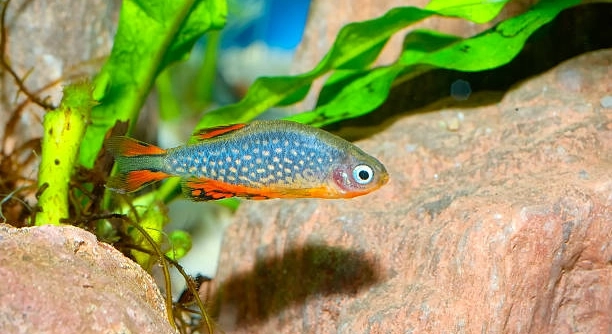
Have you ever found yourself wondering how long your danios can go without food when schedules shift, leaving you unsure about their ability to handle short periods without regular daily meals in their aquarium environment.
Danios can withstand seven missed meals because their bodies store enough energy to manage short fasting periods, yet this still causes noticeable strain. Prolonged deprivation can weaken immunity and reduce activity, emphasizing the importance of feeding habits for maintaining health.
Learning how short fasting influences your danios helps reveal their resilience and guides care choices that keep their behavior steady.
xxxxxxxxxxxxxxxxxxx
Understanding how danios react to short fasting periods helps create a stable routine that keeps them comfortable. When they miss several meals, their bodies shift to using stored energy, which affects their behavior and overall condition. You may notice slower movement, reduced enthusiasm during feeding time, and a slight drop in color vibrancy. These changes are signs that their system is adjusting to conserve energy. Although they are hardy fish, they still benefit from consistent care that supports their natural patterns. Offering balanced meals, monitoring their environment, and staying aware of their reactions can keep them healthy even when life becomes busy. With a little attention to their needs, danios remain lively and steady. Keeping an eye on their diet and behavior gives you a better sense of what they require, especially after missed meals. This awareness ensures your aquarium stays calm and predictable. Their comfort depends on steady support.
Short fasting triggers subtle physical changes that reflect how danios manage temporary food shortages. Their metabolism slows, their movements soften, and their energy shifts toward essential functions. These reactions show their resilience, yet also highlight why returning to a consistent feeding schedule supports their long term stability and keeps balance.
Danios recover well from short fasting, but their response gives you useful insight into their needs. After missing meals, their feeding interest may return gradually as their energy levels rise. Providing steady portions and maintaining clean water helps them regain strength without unnecessary stress. Observation plays a key role, since small behavioral shifts can reveal what they require most. As they settle back into routine, their movement becomes brighter and their colors more defined. These simple adjustments support their overall wellness and help you maintain an environment that encourages steady growth and comfort, even during occasional disruptions in their habitat.
xxxxxxxxxxxxxxxxxxx
Feeding habits strongly influence how danios cope with short fasting, making consistency important for their long term stability. When nutrition fluctuates, their bodies adjust in ways that reveal both resilience and vulnerability. Understanding these changes allows you to support their behavior, health, and comfort with thoughtful daily care each day.
Maintaining a steady feeding routine supports the biological rhythms that keep danios active, balanced, and comfortable. When meals are missed, their bodies shift into conservation mode, prioritizing essential functions until food becomes available again. This temporary adjustment is manageable for them, but the effects become more noticeable as fasting continues. Reduced activity, slight color fading, and slower feeding responses are common signs that they are working through limited energy reserves. These changes do not necessarily indicate serious trouble, yet they show how much regular nutrition contributes to their stability. Providing balanced meals at predictable times helps restore their energy while preventing added stress on their system. Clean water, stable temperature, and low disturbance also help them regain their normal rhythm. Danios thrive when their environment remains consistent, so observing their behavior after fasting offers a clear picture of their recovery. Small improvements, such as brighter movement and quicker responses during feeding, signal that they are returning to their usual patterns. By paying attention to these details, you create conditions that support long term health and reduce the impact of occasional disruptions. A thoughtful routine ensures they remain lively, adaptable, and comfortable in their habitat.
xxxxxxxxxxxxxxxxxxx
Danios handle short fasting with surprising stability, but their reactions become clearer as time passes. Their energy shifts toward essential functions, leading to softer movements and reduced brightness. These changes help you understand how their system adapts when routine feeding temporarily stops.
Their bodies respond to missed meals by slowing metabolism and conserving energy. This shift affects their appearance and activity, making them calmer and slightly duller in color. While these reactions are normal, they also show how valuable consistent feeding is for keeping their rhythm steady. Offering balanced meals once routine resumes helps them regain energy without overwhelming their system. Clean water and a stable environment support recovery, allowing them to return to their usual pace. Paying attention to these signals helps you maintain a balanced aquarium that supports their comfort after brief fasting periods.
As their energy returns, danios gradually show brighter colors and sharper movements. These signs reflect their internal recovery, indicating improved circulation, metabolic activity, and overall stability. Recognizing these small changes helps you support them more effectively. Once feeding returns to normal, their behavior stabilizes further, reinforcing how important routine is. Gentle observation gives you a realistic sense of their needs, allowing you to adjust feeding amounts and timing when necessary. Their resilience makes them adaptable, but steady care strengthens their well being and keeps their environment predictable.
xxxxxxxxxxxxxxxxxxx
Environmental conditions influence how well danios handle short fasting periods. A stable tank reduces stress, helping them conserve energy more efficiently. Clean water, steady temperature, and minimal disturbances make their adjustment smoother when meals are delayed for several days.
When conditions remain stable, danios manage fasting with fewer visible changes and recover more quickly once feeding resumes. Consistent filtration, proper aeration, and regular tank maintenance reduce pressure on their system during these periods. If the environment becomes unstable, they expend more energy coping with stress, making fasting more challenging. Adjusting feeding portions gradually and monitoring behavior helps them regain strength at a comfortable pace. Their responses guide you in maintaining a routine that protects their well being. By keeping their habitat predictable, you support their resilience and reduce the impact of occasional disruptions. This steady environment is key to helping them stay active, calm, and balanced.
xxxxxxxxxxxxxxxxxxx
Feeding consistency helps danios maintain steady energy, especially after short fasting periods. When meals resume, their appetite strengthens gradually, and their movement becomes livelier. These small changes show how quickly they respond to routine. Keeping portions balanced supports their comfort and helps them settle back into predictable behavior each day.
Their behavior reflects how well their bodies recover from missed meals. Slightly brighter colors and smoother swimming often appear once feeding becomes consistent again. These details help you understand their needs more clearly, giving you a better sense of how to support them with steady care and a calm environment.
xxxxxxxxxxxxxxxxxxx
Stable feeding patterns influence how danios adapt after missing several meals, allowing their bodies to regain energy at a manageable pace. When food becomes available again, their internal balance improves as digestion and circulation return to normal. This process helps them rebuild strength without overwhelming their system. Clean water and a peaceful tank contribute to smoother recovery by reducing unnecessary strain. Observing their posture, swimming style, and reaction to food provides helpful insight into their comfort level. These signs guide you in adjusting portions and timing. With thoughtful attention, their routine becomes steady again, supporting long term well being wellness.
xxxxxxxxxxxxxxxxxxx
A consistent routine helps danios regain their natural rhythm after brief fasting. Balanced feeding, gentle observation, and a calm environment encourage smoother recovery. Their brighter colors and livelier movement show renewed stability, giving you confidence that their needs are met and their habitat supports steady health in their daily life.
FAQ
How long can danios safely go without food?
Danios can manage several days without eating because their bodies shift into a slower metabolic state. They rely on stored energy to keep essential functions stable. While they handle short fasting well, relying on it too often can weaken their long term stability. Their movements may soften and their colors may fade slightly as their system conserves energy. These changes are normal during short fasting, but they remind you that steady feeding supports their comfort. Offering balanced meals once routine resumes helps them regain strength at a manageable pace.
Is it normal for danios to act calmer after missing several meals?
A softer or calmer demeanor is common because their energy is being redirected to essential internal functions. Reduced movement helps them conserve energy when food is not available. You may notice slower swimming, a gentler pace, and less excitement around the tank. This is a natural response rather than a warning sign. Once feeding resumes, their behavior gradually becomes livelier as their system adjusts. This transition can take a little time, and consistent feeding helps them return to their usual activity level.
Why do their colors seem duller during fasting?
Color fading is a typical response because reduced energy intake affects circulation and pigment expression. When their bodies conserve energy, non essential functions slow down, including the processes that maintain vibrant color. This dulling effect is temporary. As they resume regular meals, their colors return gradually and often brighten within a few days. Observation during this period helps you notice improvements and understand how closely their appearance reflects their internal state.
Can fasting harm young or newly introduced danios more than adults?
Young danios and newcomers are more sensitive because their systems are still developing or adjusting to a new environment. They depend on consistent feeding to support growth and adaptation. Missing meals can slow development in younger fish and create additional stress for newcomers who are still settling in. Providing reliable feeding during these early stages supports smoother growth and reduces unnecessary strain. Once they mature or settle into their tank, they become more resilient to short fasting periods.
Should I feed extra food after they have missed several meals?
Extra portions are not helpful and can even create digestive strain. Their bodies need time to shift back into a normal rhythm after fasting. Gradual feeding supports digestion and prevents bloating or water quality issues. Offering small, steady meals encourages comfortable recovery. Clean water also helps their system adjust, making the transition smoother. Watching their appetite during this period gives you a clear picture of what they can manage without discomfort.
What signs show that my danios are recovering well after fasting?
As they regain energy, you will notice brighter swimming patterns, stronger appetite, and improved color. These signs indicate that their metabolism is stabilizing. Their reactions to movement and food become quicker, and their posture appears more confident. These improvements often appear within a couple of days once feeding becomes consistent again. Observing these changes helps you understand how well they are responding.
Do danios become stressed when fasting occurs too often?
Repeated fasting can affect their stability because their bodies shift into conservation mode more frequently than they should. This can slow their growth, reduce immune strength, and affect their behavior. Keeping a regular feeding schedule prevents this added strain. Steady meals help them maintain energy, avoid excessive stress, and stay active. Even though they are hardy fish, predictable routines support their long term well being.
How can I support danios if I know I will miss several feedings?
Maintaining a clean, stable tank is the most important step. Good water quality reduces stress and helps them handle missed meals more comfortably. If possible, feeding them a balanced meal before your absence gives them a better foundation. Automatic feeders can also help if you expect to be away longer than usual. Creating predictable conditions supports their comfort even when routines temporarily shift.
Final Thoughts
Caring for danios becomes easier once you understand how their bodies respond to short fasting and how quickly they regain balance when routines return to normal. Their resilience helps them manage brief gaps in feeding, but consistency always offers greater comfort and stability. When meals are missed, their energy naturally shifts toward essential functions, which leads to softer movement and subtle changes in color. These reactions may seem small, yet they reveal how closely their behavior is tied to their daily environment. By paying attention to these details, you gain a clearer sense of what helps them feel secure and supported. A calm tank, steady water conditions, and gentle observation all play a meaningful role in their ability to stay healthy through small disruptions. Seeing how they adjust allows you to respond with thoughtful care that respects their needs without overwhelming them. This understanding makes routine maintenance feel more manageable and encourages a smoother relationship with their patterns.
When feeding resumes, you can watch their recovery unfold in small but noticeable ways. Their colors brighten, their movements sharpen, and their appetite grows stronger. These changes show that their internal rhythm is settling back into place. The process is gradual, and each improvement reflects the strength of their natural balance. Keeping portions reasonable and offering meals at predictable times supports this transition, helping them regain comfort at a pace that suits them. Even though danios are adaptive, the stability of their environment strongly influences how well they bounce back. Clean water, minimal stress, and consistent lighting all help them return to their usual behavior. Their reactions provide helpful guidance, showing you when adjustments are needed and when everything is moving in the right direction. Over time, these small observations build confidence in your ability to care for them with ease, even when routines occasionally shift.
Understanding these patterns brings a sense of calm to their care, turning small uncertainties into manageable moments. Danios are dependable fish, and their adaptability gives you room to navigate changes without feeling overwhelmed. Noticing how they respond to fasting, recovery, and routine helps you develop a steady approach that supports their well being. Their behavior serves as a gentle reminder that even simple adjustments can help maintain harmony in their environment. With consistent care, they continue to thrive, showing bright colors, lively movement, and a clear sense of comfort in their space. This steady foundation allows you to approach each day with clarity, knowing that thoughtful attention creates a predictable and supportive habitat.

Hello,
If you enjoy the content that we create, please consider saying a "Thank You!" by leaving a tip.
Every little bit helps us continue crafting quality advice that supports the health, happiness, and well-being of pets around the world, for pets of all shapes, sizes, and species.
We really appreciate the kindness and support that you show us!