
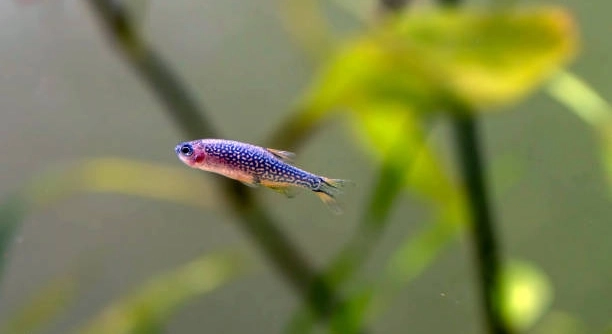
Watching Danios during feeding time can be surprisingly entertaining. Their small size and quick movements make each mealtime lively. Observing them up close reveals patterns and behaviors that often go unnoticed in a typical aquarium setting.
Danio feeding time showcases seven distinct behaviors that are important for understanding their social interactions and nutritional intake. Observing these moments provides insight into their activity levels, dominance patterns, and overall health within a controlled aquatic environment.
These moments highlight behaviors that are easy to miss but meaningful. Recognizing them can deepen your understanding of Danios’ daily routines and well-being.
Rapid Swimming Towards Food
Danios move quickly when food is dropped into the tank. Their speed makes it fun to watch, but it also shows how alert they are. In these moments, they dart across the water, weaving through plants and other fish. Their coordinated movements suggest some level of social awareness, as they rarely bump into each other. This rapid motion helps them compete for food without injuring themselves. Observing closely, you can notice how some Danios are bolder, swimming straight to the flakes, while others hang back, waiting for an opening. Over time, these patterns become predictable, revealing which fish are more dominant or cautious. Watching these interactions can give insight into their hierarchy and preferences. Rapid swimming isn’t just about eating; it’s a mix of instinct, habit, and learned behavior.
Some Danios may reach the food first, while others wait patiently. This balance keeps the tank environment stable and organized.
Recognizing these swimming patterns helps you understand feeding efficiency and the social structure among Danios. Quick swimmers tend to get more food, while slower ones wait for scraps. This behavior shows both competition and cooperation, which are essential for maintaining harmony. Tank size, number of fish, and placement of food influence how these moments play out. Observing them regularly allows you to notice changes in health, energy levels, or even mood.
Gathering in Groups
Danios often gather together around food, forming small clusters. This behavior appears natural and shows their comfort in social feeding.
Grouping during feeding helps reduce stress and allows weaker fish to find openings without confrontation. Watching these clusters can reveal which fish prefer company and which ones tend to stay on the edges, avoiding crowding. The size and shape of the tank influence how these groups form, as well as the availability of hiding spots. In smaller tanks, clustering can be more pronounced because space is limited, forcing interactions. Over time, you can notice which Danios tend to stick together and which prefer solitude. This knowledge is helpful when introducing new fish or adjusting feeding routines. Observing the clusters also allows you to see feeding success and behavioral shifts that may indicate changes in health or dominance. Social feeding is an important aspect of Danios’ daily life and maintaining balance in their environment ensures their comfort and vitality.
Snatching Food Mid-Water
Danios often grab food before it reaches the bottom. This shows their agility and keeps them active. Mid-water feeding helps them avoid competition at the substrate and demonstrates their natural hunting instincts in a controlled environment.
Observing Danios catching food in mid-water highlights their speed and coordination. Some fish are precise, targeting individual flakes, while others are more random, chasing multiple pieces at once. This behavior helps maintain balance in the tank, as it prevents food from sinking too quickly and causing waste. Mid-water feeding also allows less dominant fish a chance to eat without confronting bolder tank mates. Over time, these actions reveal each fish’s personality and efficiency at capturing food.
This habit also affects how food spreads through the aquarium. Mid-water feeders reduce leftover particles, keeping water cleaner. It encourages a more even distribution of nutrition, as flakes move slowly downward and reach shy or slower fish. Watching how each fish adapts shows their intelligence and natural instincts, giving insight into feeding strategies and energy levels.
Pushing Others Aside
Dominant Danios sometimes push smaller fish to access food. This behavior establishes hierarchy and ensures stronger fish get the most nourishment, especially in crowded tanks.
Pushing happens subtly at first, with gentle nudges, then more aggressively if competition increases. The dominant fish usually take the best spots, while others adjust their position to avoid conflict. Observing these interactions allows you to see which fish lead feeding behavior and which fish yield. The size and confidence of each fish influence how often this occurs. Watching carefully can help identify potential stress points and ensure weaker fish are still receiving enough food. Recognizing these moments also shows how social order impacts feeding efficiency.
Waiting at the Surface
Some Danios hover near the surface before food arrives. This position allows them to react quickly once flakes are dropped, showing anticipation and awareness of their surroundings.
Surface waiting gives calmer fish a chance to grab food first. It balances feeding opportunities and reduces constant chasing, keeping the tank environment stable.
Eating in Turns
Danios sometimes feed in sequences rather than all at once. This behavior prevents overcrowding and ensures each fish gets access to food. Observing turns reveals patience and coordination among tank mates. Fish adjust their pace based on others, waiting for openings without creating stress or aggression.
Inspecting Dropped Food
After food reaches the tank, Danios often inspect each flake before eating. This shows selectivity and curiosity about what they consume.
FAQ
How often should I feed my Danios?
Danios do best with small feedings once or twice a day. Overfeeding can lead to water quality issues, while underfeeding may affect their energy and growth. Observing their activity during feeding helps determine if adjustments are needed.
What type of food is best for Danios?
High-quality flake food works well, supplemented occasionally with live or frozen foods such as brine shrimp or daphnia. Variety keeps them healthy and encourages natural hunting behaviors, which also adds activity and interest during feeding times.
How can I tell if my Danios are eating enough?
Watch their body shape and behavior. Healthy Danios are active, alert, and have a rounded body without visible signs of weight loss. Uneaten food can indicate overfeeding, while timid fish may need alternative feeding strategies to ensure they get enough nutrition.
Why do some Danios eat faster than others?
Differences in speed reflect dominance and personality. Bolder fish often get to the food first, while shy or smaller ones may wait or eat scraps. Ensuring food is spread evenly or using multiple feeding spots can help all fish eat adequately.
Is it normal for Danios to fight over food?
Yes, minor chasing and nudging are natural behaviors that establish hierarchy. As long as aggression is not excessive or causing injury, this is typical. Providing enough space and food helps reduce stress during feeding.
Can feeding habits indicate health problems?
Absolutely. Sudden changes in appetite, avoiding food, or difficulty swimming toward food may signal illness or stress. Monitoring feeding behavior regularly can help detect issues early, allowing timely care or adjustments to the tank environment.
Should I feed Danios at the same time every day?
Consistency benefits Danios by establishing routine. Feeding at similar times reduces stress and encourages regular activity. However, occasional variation in timing can simulate natural conditions and prevent predictability from reducing alertness or interest.
How much food should I give at each feeding?
Provide only what they can consume within a few minutes. Excess food leads to waste, water pollution, and potential health problems. Observing how quickly the Danios finish their portions helps determine the right amount.
Do Danios prefer surface or bottom feeding?
They are generally surface and mid-water feeders but will eat flakes that sink. Offering food at multiple levels ensures all fish have access and mimics natural foraging behaviors, supporting activity and well-being.
Can Danios eat together with other fish species?
Yes, they can coexist during feeding if tankmates have similar sizes and temperaments. Observing interactions during feeding helps prevent bullying or competition that could leave some fish underfed.
What’s the best way to introduce new food?
Introduce small amounts gradually while observing acceptance. Mixing with familiar foods can encourage eating. Sudden changes may stress Danios or cause rejection, so patience and observation are key to successful diet adjustments.
How does tank size affect feeding behavior?
Larger tanks allow more space to spread food, reducing competition. Smaller tanks can increase aggression and faster consumption. Observing patterns in your specific tank helps determine the best feeding strategy and placement for each session.
Are live foods necessary for Danios?
Live foods are not essential but provide enrichment and natural stimulation. They encourage hunting instincts and add variety, promoting mental and physical activity, which can complement a balanced diet of high-quality flakes or pellets.
How do I prevent leftover food from polluting the tank?
Feed small portions and remove uneaten food promptly. Using sinking pellets or spreading flakes across multiple areas reduces clumping and decay. Regular water changes combined with careful feeding maintain clean water and a healthy environment for Danios.
Can feeding times be used to observe behavior?
Yes, feeding is one of the best ways to monitor social structure, health, and personality traits. Regular observation helps detect changes in hierarchy, aggression, or energy levels, giving insight into overall well-being.
What should I do if some Danios are not eating?
Check for illness, stress, or competition. Offer food at different spots or times, or try softer or live food to encourage timid fish. Observing closely ensures they receive enough nutrition without overfeeding dominant tankmates.
Does water temperature affect feeding habits?
Yes, Danios are more active in optimal temperature ranges. Cooler water can reduce appetite and energy, while excessively warm water may increase metabolism and aggression. Maintaining proper temperature supports consistent and healthy feeding behavior.
Can feeding frequency change with age?
Younger Danios may need smaller, more frequent feedings to support growth. Adults usually thrive on one to two feedings per day. Adjusting portion sizes and timing ensures all age groups get adequate nutrition without waste.
Is it necessary to remove uneaten food immediately?
Yes, leaving food too long can degrade water quality and encourage algae growth. Prompt removal helps prevent illness, keeps water clean, and reduces stress among Danios during subsequent feedings.
How do I know if my Danios are satisfied after feeding?
They slow down, stop chasing flakes, and move calmly in the tank. Overly aggressive feeding or leftover food may indicate too much food or uneven distribution, which can be corrected in future feedings.
Observing Danios during feeding time can be more insightful than it seems at first glance. Their small size and fast movements often make it feel like simple entertainment, but there is a lot to learn about their behavior in these moments. Each fish reacts differently depending on personality, size, and dominance within the tank. Some swim straight to the food, while others wait patiently or hover near the surface. Watching how they interact during feeding reveals social structures that are otherwise difficult to notice. These behaviors help maintain balance in the tank and ensure that all fish have access to food, even when competition arises. Feeding is not just about nutrition; it is also a way for Danios to express instincts, test their agility, and communicate subtly with one another. Recognizing these patterns can make caring for them easier and more rewarding, as you can anticipate how each fish will behave during mealtime and adjust your feeding methods accordingly.
Proper feeding practices are essential for the health and well-being of Danios. Overfeeding can cause water quality issues and stress, while underfeeding may leave shy or smaller fish struggling to get enough nutrition. Spreading food evenly across the tank, feeding in small amounts, and providing a mix of flakes, pellets, or occasional live foods can encourage healthy growth and activity. It is important to notice changes in feeding behavior, as these can indicate shifts in health, stress, or energy levels. A fish that suddenly hesitates to eat or avoids the food may be showing early signs of illness, allowing you to respond before the problem worsens. Feeding time also provides a routine, which helps Danios feel secure in their environment. Keeping a consistent schedule while occasionally varying the method or timing of feeding can encourage alertness and natural instincts without causing stress. Observing them carefully during meals provides information about social hierarchy, individual personalities, and overall vitality, which is useful for making small adjustments to the tank setup or diet.
Finally, watching Danios at feeding time can be an enjoyable and informative part of keeping an aquarium. These moments show more than just eating; they display patterns of movement, interactions, and decision-making. Recognizing the way each fish behaves helps ensure that every member of the tank gets its share of food and maintains its health. Feeding can also serve as a tool to monitor their growth and detect subtle changes in behavior. By paying attention to how they approach food, respond to others, and adjust their actions based on circumstances, you can better understand their natural instincts and needs. Consistent observation and thoughtful feeding practices improve both the fish’s quality of life and the overall harmony in the tank. Taking the time to notice these details makes caring for Danios more effective and rewarding, creating a balanced environment where each fish thrives and exhibits its natural behaviors fully.

Hello,
If you enjoy the content that we create, please consider saying a "Thank You!" by leaving a tip.
Every little bit helps us continue crafting quality advice that supports the health, happiness, and well-being of pets around the world, for pets of all shapes, sizes, and species.
We really appreciate the kindness and support that you show us!